
Replacing saturated fats and added sugars with one avocado lowered triglycerides by 17.4% (p < 0.001).1
Study Evaluates Avocado-Containing Diets on Cardiometabolic Risk Factors
Research Summary
In a randomized, double-blind, crossover feeding trial, 42 adults with elevated triglycerides followed two 3-week diets: one where a daily Hass avocado replaced solid fats and added sugars, and a matched control diet.
- non-HDL cholesterol by 4.65% (p = 0.047)
- VLDL cholesterol by 9.30% (p = 0.007)
- and triglycerides by 17.4% (p < 0.001)
The avocado diet lowered:
Funded by the Avocado Nutrition Center, the study found replacing solid fats and added sugars with avocado in a typical American diet improved the lipoprotein lipid profile in adults with elevated triglycerides. However, the results cannot be generalized to larger, more diverse populations.
Download the fact sheet to learn more about the growing body of evidence exploring how avocado consumption fits into a heart-healthy eating pattern that supports cardiovascular health.
 Updated with the latest research!


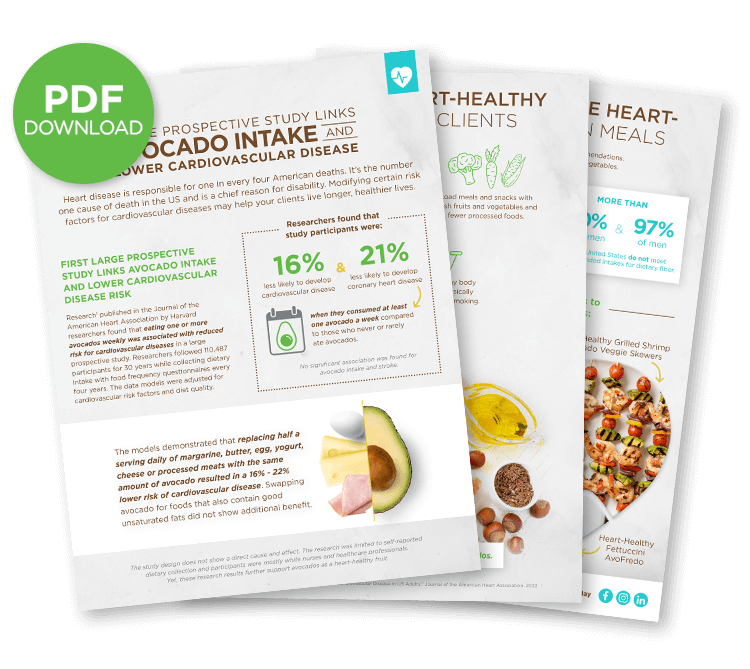
Study Links Avocado Intake and Lower Cardiovascular Disease
Published in the Journal of the American Heart Association, a large prospective cohort study of 110,487 adults followed over 30 years found that consuming one or more avocados per week was associated with a lower risk of cardiovascular disease.
Review the results and find practical tips to help translate the science into recommendations for your patients.
Additional Research to Support Your Practice
Explore three additional research studies to back your clinical nutrition recommendations for improving patients’ cardiometabolic care.



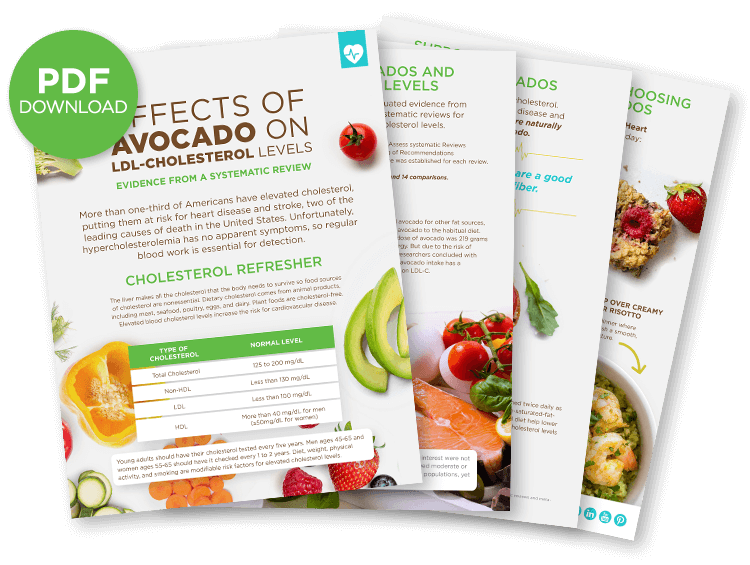
Effects of Avocado on LDL-Cholesterol Levels
Dive deeper into the data, assessing the impact of foods, including avocado intake, on LDL-C levels from a systematic review and meta-analysis. Plus, find additional resources to support your patients in maintaining healthy cholesterol levels.
Quick Ways to Start the Conversation
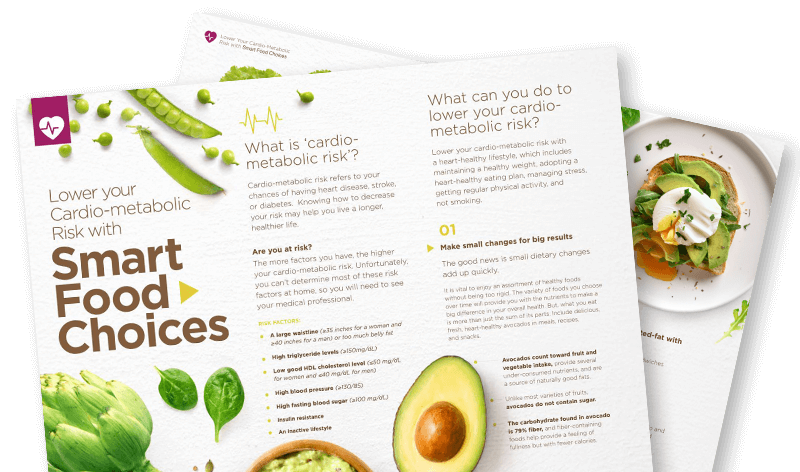
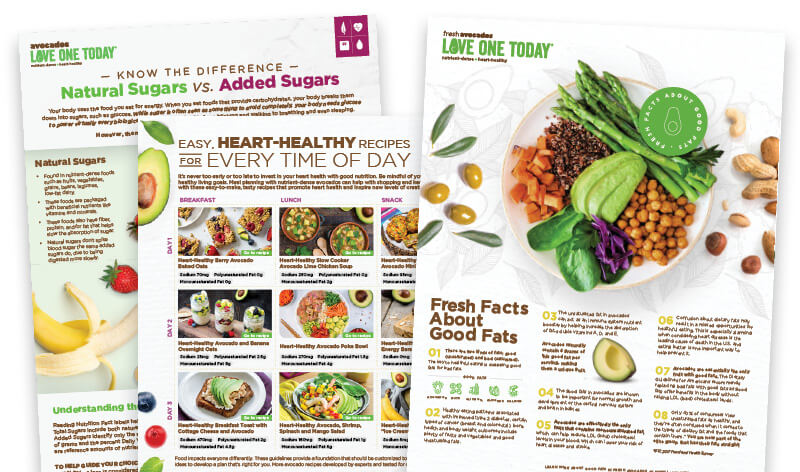
Use these patient-friendly resources to guide meaningful conversations addressing cardiovascular risk reduction through simple, evidence-based dietary shifts.
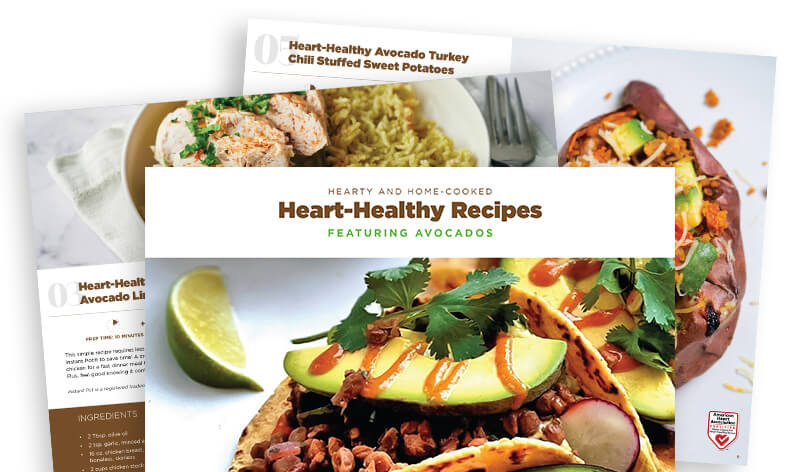
More Ways to Enjoy Heart-Healthy Avocados
Fresh avocados bring versatility to heart-healthy eating and can even be frozen for later use, making it easy to keep this nutrient-dense fruit on hand. Share these two delicious recipes with patients: a satisfying dinner option and a frozen dessert treat.


Recommend Avocados as a Fiber Source for Heart Health
Avocados deliver a powerful combination of fiber and naturally good fats that align with heart-healthy dietary recommendations. Share these key benefits with patients and recommend avocados as part of dietary strategies for cardiovascular disease risk management and reduction.


Fiber is emphasized in dietary guidance for both cardiovascular health and type 2 diabetes. Avocados contain 3 grams of fiber per one-third of a medium avocado and are a great fresh-fruit option to boost fiber intake.

The American Heart Association recommends replacing saturated fats with unsaturated fats for heart health. Avocados are low in saturated fat and provide 6 grams of unsaturated fat per serving (one-third of a medium avocado).

Eating a variety of fruits and vegetables may help people control their weight, cholesterol, and blood pressure. Avocados are a healthy, nutrient-dense fruit that may help boost fruit intake.
