
Nutrition Research
Nutrition Research
Learn the latest on avocado nutrition health science
Find nutrition research on the benefits of avocados for cardiovascular health, weight management, type 2 diabetes, and healthy living at every age
View Showing 1 – 9 of 25 studies
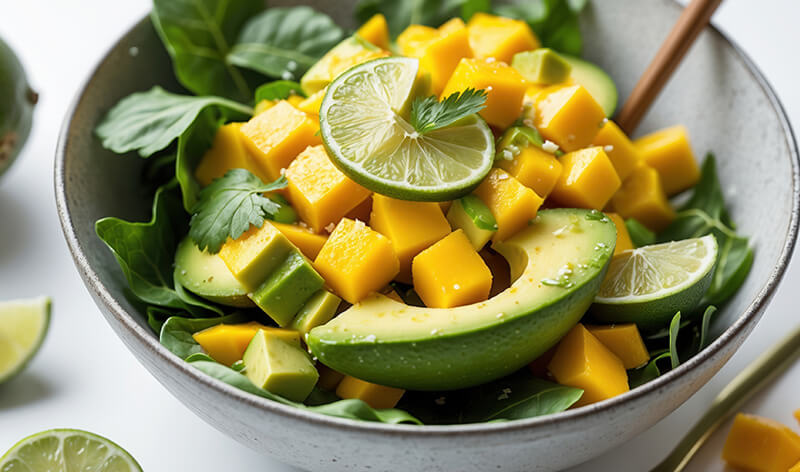
Effects of Increasing Total Fruit Intake With Avocado and Mango on Endothelial Function and Cardiometabolic Risk Factors in Adults With Prediabetes
What’s Inside: Low fruit intake is a global risk factor for cardiometabolic diseases. This study sought to investigate vascular and metabolic effects of increasing total and select fruit intake in adults with prediabetes.
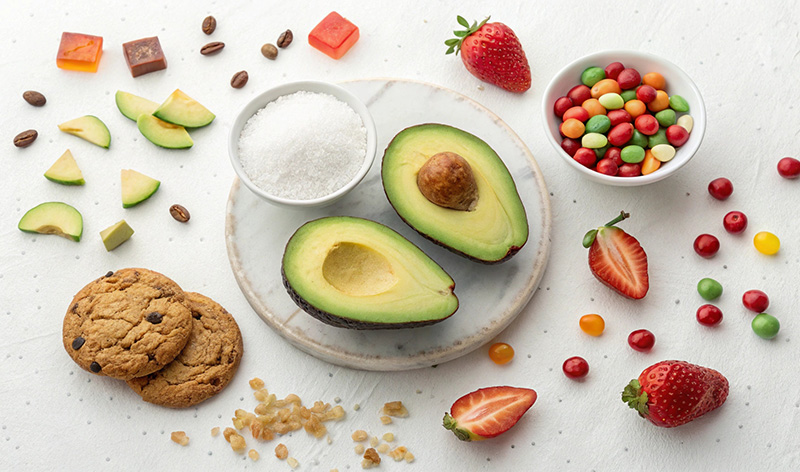
Effects of Replacing Solid Fats and Added Sugars with Avocado in Adults with Elevated Cardiometabolic Risk: A Randomized, Double-Blind, Controlled Feeding, Crossover Trial
What’s Inside: This study assessed the effects of replacing solid fats and added sugars with avocado in a typical American diet for adults with increased cardiometabolic risk.
Using the avocado as an evening snack to investigate whole food matrix and macronutrient composition on morning metabolic indices in adults with prediabetes
What’s Inside: Can an avocado snack at night support better morning metabolism? 🥑 This new study explores how whole food structure and macronutrient composition impact metabolic markers in adults with prediabetes. The findings might surprise you. 👀
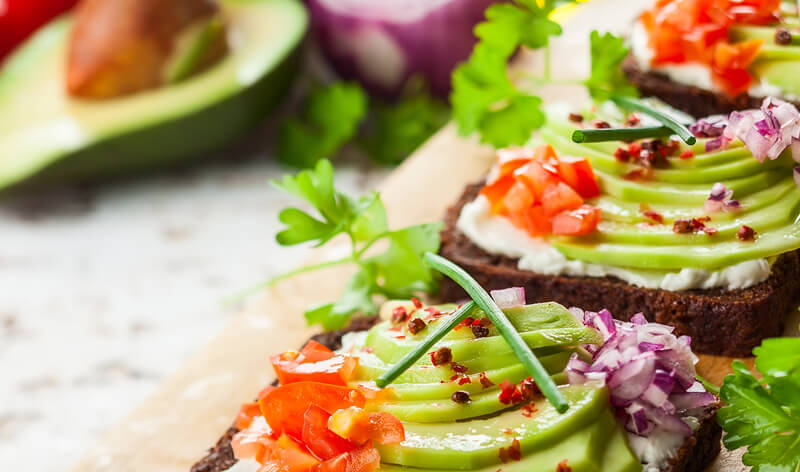
Effect of Daily Avocado Intake on Cardiovascular Health Assessed by Life’s Essential 8: An Ancillary Study of HAT, a Randomized Controlled Trial
What’s Inside: This study examined the effect of daily avocado intake for 26 weeks on the American Heart Association's cardiovascular health score (LE8). Learn what avocados can do for diet quality, sleep health, and blood lipids.
Effect of daily avocado consumption for 6 mo compared with habitual diet on red blood cell fatty acid profiles and association with cardiometabolic risk factors in individuals with abdominal obesity: a randomized trial
What’s Inside: To compare the effect of consuming 1 avocado/d relative to habitual diet (HAB) on RBC-FA profiles, and their association with visceral adiposity and cardiometabolic risk factors in individuals with abdominal obesity.

Avocado intake and cardiometabolic risk factors in a representative survey of Australians: a secondary analysis of the 2011–2012 national nutrition and physical activity survey
What’s Inside: Avocados are a rich source of nutrients including monounsaturated fats, dietary fibre and phytochemicals. Higher dietary quality is reported in studies of consumers with higher avocado intakes. The present study aimed to examine avocado consumption and cardiometabolic risk measures in a representative sample of Australian adults.
One Avocado per Day as Part of Usual Intake Improves Diet Quality: Exploratory Results From a Randomized Controlled Trial
What’s Inside: Few clinical trials have evaluated diet quality change as a predictor of intervention effectiveness.The aim was to examine changes in the Healthy Eating Index-2015 (HEI-2015) following a food-based intervention, and assess the associations between HEI-2015 change and intervention effects on cardiometabolic risk-related outcomes.

Nutritional Avocado Intervention Improves Physical Activity Measures in Hispanic/Latino Families: A Cluster Randomized Controlled Trial
What’s Inside: Nutrition and physical activity are key components for the prevention of cardiovascular disease. There remains a paucity of trial data on the effect of specific nutritional interventions on physical activity and sedentary time. One question is how a common nutrient-dense food such as avocado may impact physical activity and sedentary time in Hispanic/Latino families, a group that reports the lowest levels of physical activity.

Avocado Consumption Is Associated With a Reduction in Hypertension Incidence in Mexican Women
What’s Inside: Avocados contain nutritional components that have been associated with cardiovascular health. This study is an investigation of avocado intake and elevated blood pressure in Mexican women.
