
One Avocado a Day. A Meaningful Difference in Dietary Glycemic Load.1
2026 Study Evaluates Daily Avocado Intake and Dietary Glycemic Load
Research Summary:
Dietary modifications are one way to support patients’ cardiometabolic health. Recent research offers new insights into how a simple addition to the habitual diet may influence dietary glycemic load — without dietary counseling or a restrictive eating plan.
- Study design: A study of 961 adults with elevated waist circumference evaluated the effect of adding one large avocado daily for six months compared with a control group.
- Key findings: Participants who consumed one large avocado daily had lower overall dietary glycemic load (GL) compared with the control group, even without dietary counseling.
- Clinical relevance: GL may be an important factor in the prevention and management of several chronic diseases, such as type 2 diabetes. Supported by the Avocado Nutrition Center, the study suggests adding avocados may be a practical dietary change when counseling patients on eating patterns that support cardiometabolic health.
Download the fact sheet to learn more about the growing body of evidence exploring how avocados may help reduce the risk of type 2 diabetes.
 Updated with the latest research!
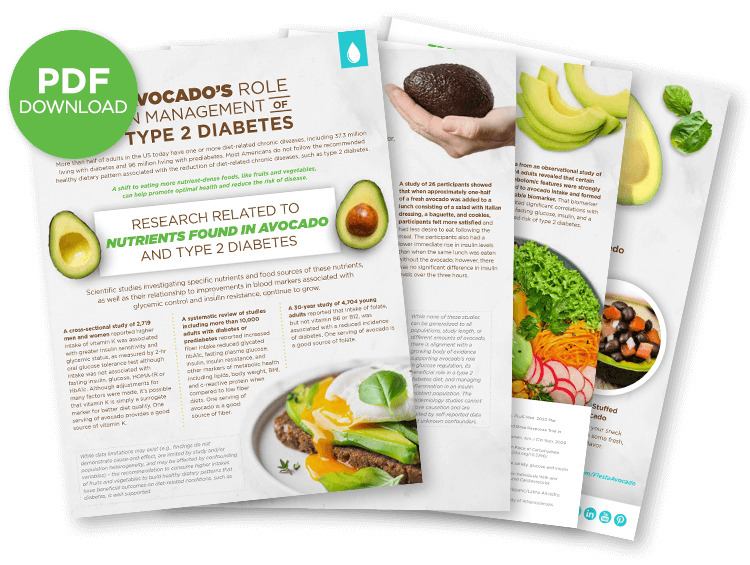
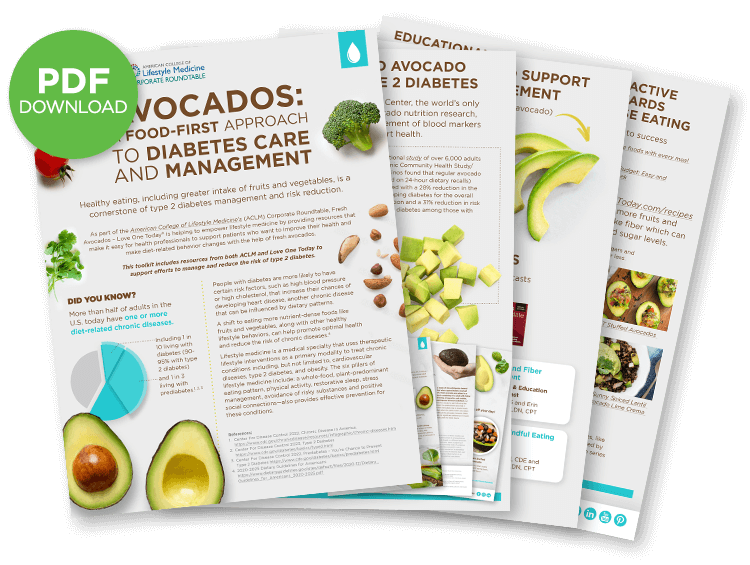
Avocados & Type 2 Diabetes: A Lifestyle Medicine Toolkit
Put lifestyle medicine into practice with research and educational resources designed to help guide patients with or at risk for type 2 diabetes. The toolkit highlights other key nutrients found in avocados, such as fiber and unsaturated fats, as well as scientific studies investigating the relationship between these nutrients, blood sugar management and insulin response.
Quick Ways to Start the Conversation
Encourage healthy shifts in everyday eating habits with these patient resources to support type 2 diabetes care.


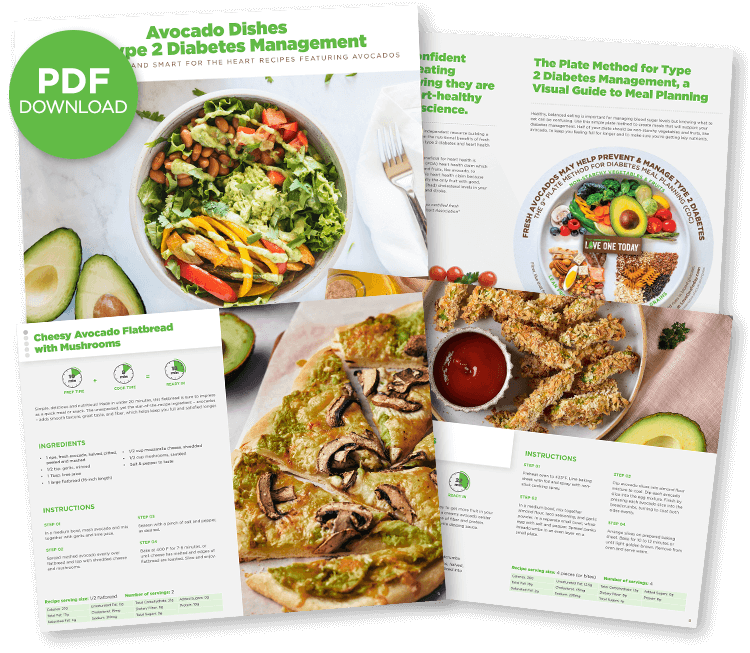
Type 2 Diabetes Mini Cookbook
Make small dietary changes feel more achievable for patients with a mini cookbook created with type 2 diabetes management in mind.
Recipes for Diabetes-Friendly Diets, Featuring Avocados
Unlike most varieties of fruit, avocados do not contain sugar, making these recipes a satisfying source of meal inspiration for patients with or at risk for type 2 diabetes — from breakfast to seasonal snacking.


Deepen Your Understanding of the Evidence
Take a closer look at the science behind avocados and type 2 diabetes management. The following studies highlight emerging evidence on avocado consumption, type 2 diabetes risk and markers of glycemic health — offering additional context to back your patient conversations.


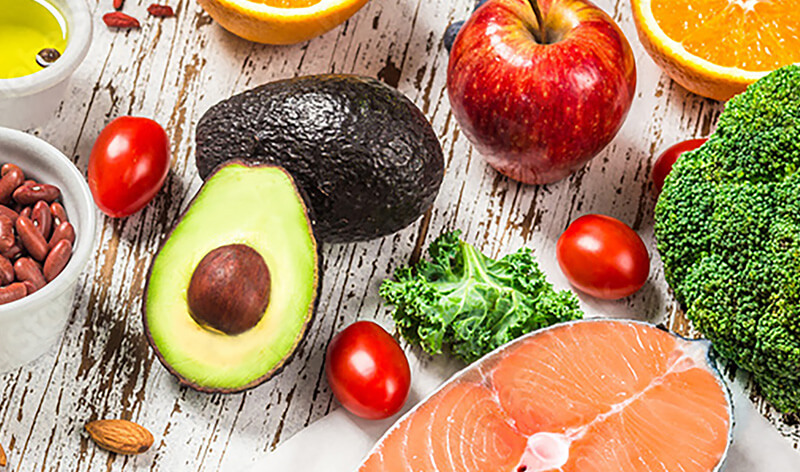
Reasons to Recommend Avocados for Type 2 Diabetes Management
Sugar-free. Good source of fiber. Healthy fats. Share the following key health benefits to help patients understand how foods like avocados can fit into dietary patterns that may reduce the risk of type 2 diabetes and are potentially linked to lower average blood sugar and better insulin responses.

Healthy eating patterns associated with improved type 2 diabetes outcomes include plenty of fruits and vegetables. As a fruit, avocados are sugar-free, contribute 6 grams of unsaturated fats, contain 4 grams of carbohydrate and don’t rapidly raise blood sugar.

Fiber slows down food digestion, which prevents rapid rises in blood glucose following a meal. Avocados are a good source of dietary fiber.

The American Diabetes Association recommends limiting saturated fats and eating good fats in moderation, like the unsaturated fats found in avocados. Consuming the right type of dietary fats is critical in diabetes management because specific fatty acids may influence glucose metabolism and reduce the risk for type 2 diabetes.