Key Takeaways:
The Dietary Guidelines for Americans recommend building meals around nutrient-dense foods such as fruits, vegetables, whole grains, lean proteins, and healthy fats while limiting added sugars, sodium, saturated fat, alcohol, and highly processed foods. Fresh avocados align with these recommendations because they are a nutrient-dense fruit that provides dietary fiber, naturally good unsaturated fats, and nearly 20 vitamins, minerals, and phytonutrients without added sugar or sodium.
Simple ways to follow the Dietary Guidelines include eating more fruits and vegetables throughout the day, choosing healthy fats in place of saturated fats, making small sustainable dietary changes, and incorporating nutrient-dense foods such as avocados into meals and snacks. One serving of avocado (50g, or one-third of a medium avocado) contains 80 calories, 3 grams of fiber, and 6 grams of unsaturated fats, making it an easy addition to healthy eating patterns recommended across all life stages.
The Dietary Guidelines for Americans emphasize overall dietary patterns that include more nutrient-dense foods—like fruits, vegetables, and healthy fats from whole food sources such as fresh avocados—while limiting added sugars, sodium, alcohol, saturated fats, and highly processed foods.
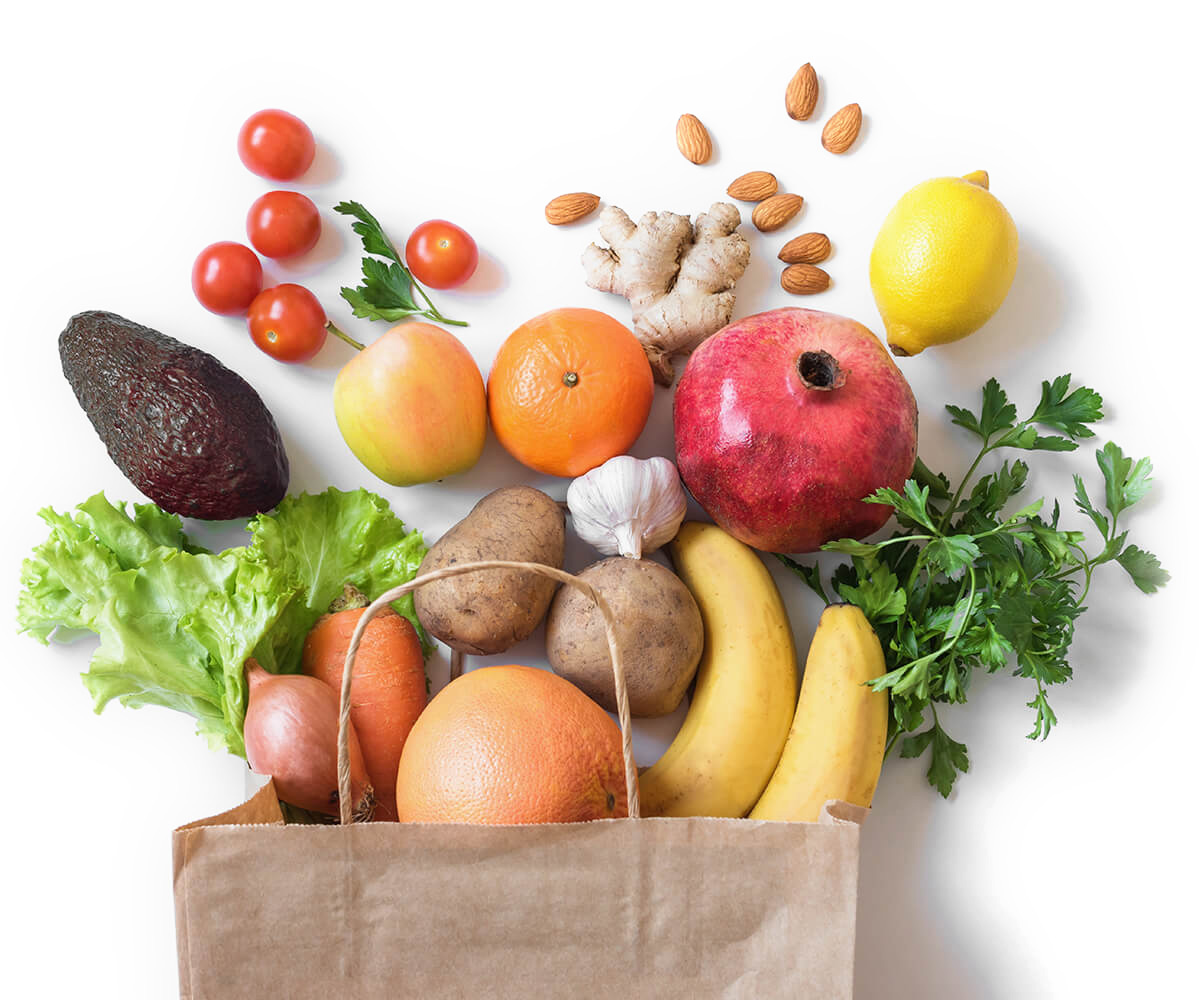
How to Incorporate the US Dietary Guidelines into Your Daily Routine
Based on the current US dietary guidelines, how can you improve your own nutrition? The answer to this question may be easier than you think with the following tips:
-
Eat fruits and vegetables throughout the day
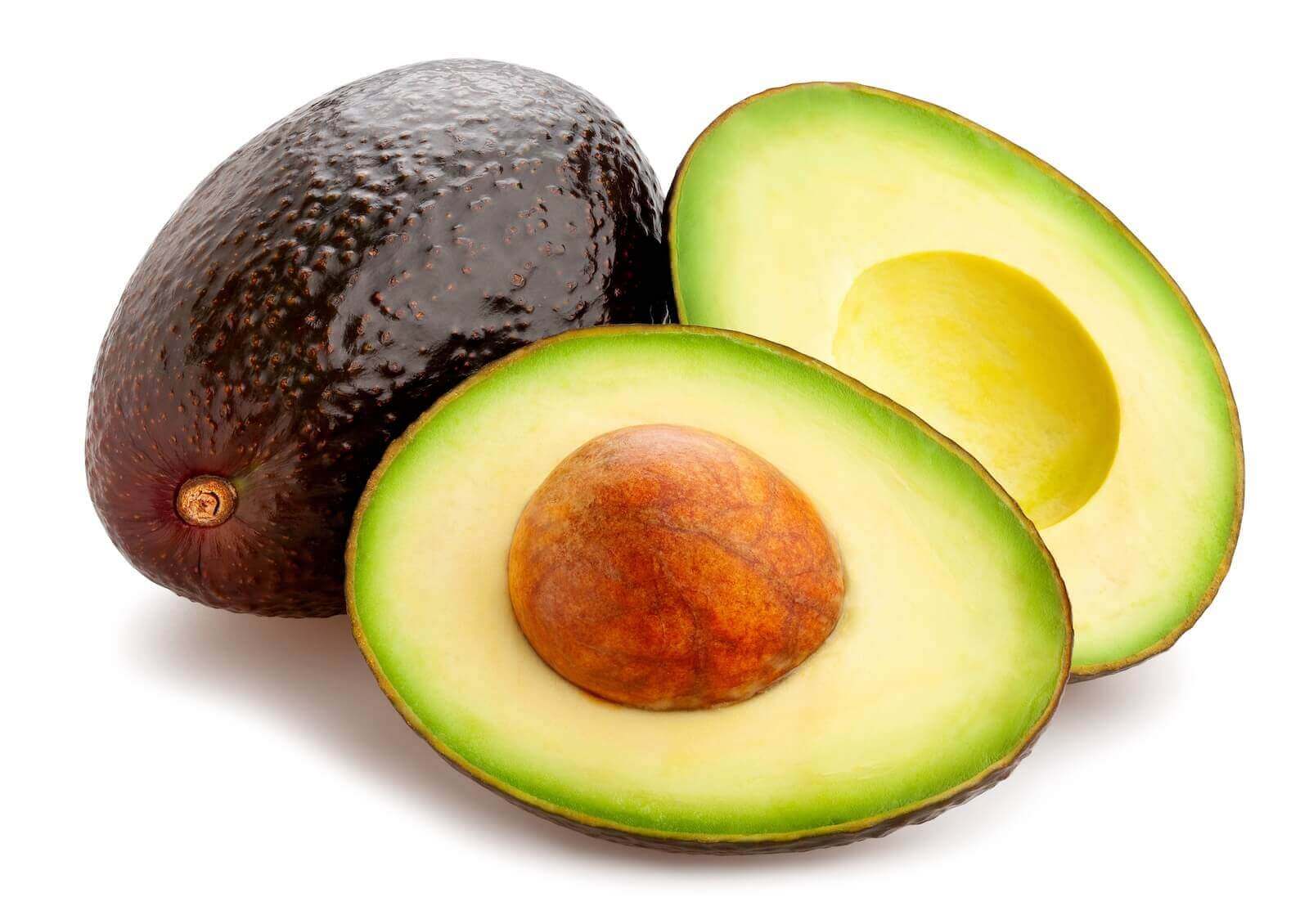
Avocados are a nutrient-dense fruit with naturally good fats and are easily incorporated into various meals and snacks. One serving (50g or one-third of a medium avocado) has only 80 calories and contributes nearly 20 vitamins, minerals, and phytonutrients along with dietary fiber – an underconsumed nutrient in the United States. Including foods that provide dietary fiber, like avocados, can help support overall diet quality.
-
Incorporate healthy fats and limit saturated fat, sodium, and added sugars.
The Dietary Guidelines for Americans encourage eating patterns that include healthy fats from nutrient-dense foods. Avocados provide primarily unsaturated fats and are naturally sugar- and sodium-free.
-
Make small changes work for you
Simply adding fresh avocado to your favorite foods meals or snacks can be an easy way to include more nutrient-dense foods and support overall diet quality. Swapping it avocado in place of unhealthy spreads, dips, or other fats can be a simple way to make small changes over time add up.
-
It’s never too early or too late to eat healthier
Advice to eat more vegetables and fruits (like avocados) is consistent across the lifespan. The Dietary Guidelines for Americans recommend exposing young children to various nutrient-dense foods while building their taste preferences. Avocados are kid-friendly and offer a soft texture along with nutrients like fiber and unsaturated fats, making them easy to include across different life stages.
-
Mom’s diet matters
Avocados can be part of a healthy diet for both pregnant and nursing moms. They are a good source of folate,which plays a role in fetal development, and and contribute 6 grams of unsaturated fats per serving. Unsaturated fats support the normal growth and development of the brain and central nervous system.
How Avocados Fit Into Dietary Guideline Recommendations
Botanically classified as a species of Persea Americana, avocados…
- Are nutrient-dense with nearly 20 vitamins, minerals and phytonutrients, and dietary fiber.
- Fit into healthy dietary patterns associated with better weight management, bone health, improved type 2 diabetes outcomes, better breast and colorectal cancer outcomes, and heart health. These healthy dietary patterns include plenty of fruits and vegetables and unsaturated fats. Avocados are a fruit and contribute 6 grams of unsaturated fats.
- Are low in saturated fat, cholesterol-free, and sodium-free. Avocados provide a source of naturally good unsaturated fats, with over 75% of the fat as monounsaturated (MUFA) and polyunsaturated (PUFA) fats.
- These beneficial unsaturated fats are associated with improved blood cholesterol levels, and eating avocados in place of foods containing saturated fats is a simple and tasty way to limit the amount of saturated fat in your diet.

Adding Avocados to Your Plate
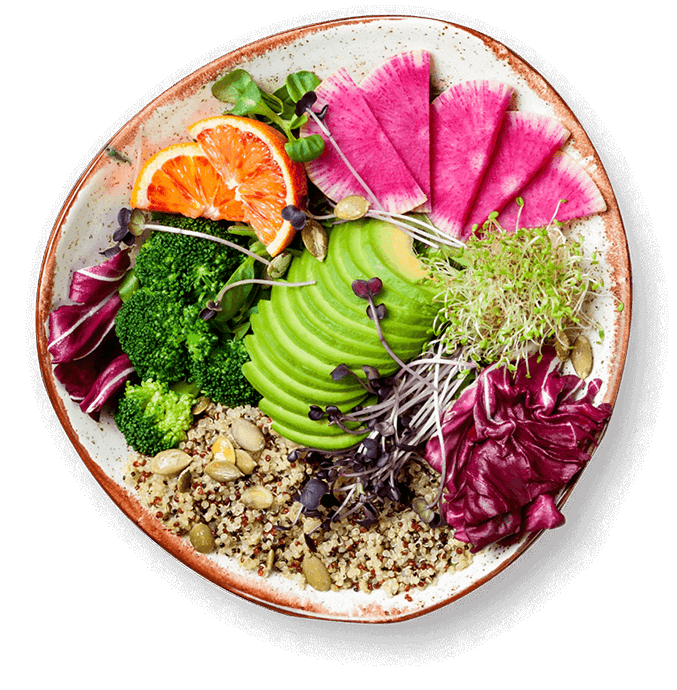
Avocados are an extremely versatile fruit! Whether eaten alone, added to meals or included as an ingredient in various recipes, avocados are a great way to add flavor, produce, and nutrients to your plate. Try avocados in the following ways:
- Add a serving of avocado to a salad, soup, or sandwich
- Serve guacamole as a dip for whole-grain chips, crackers, or vegetables
- Include avocados with breakfast by adding to an omelet, blending into a smoothie or spreading on whole grain toast
- Replace other saturated fats in baking with a 1:1 swap using mashed avocado
- Simply mash as a first food for infants, as they begin complementary feeding at about six months of age