Key Takeaways
Avocados are considered a heart-healthy fruit that can support blood pressure management as part of an overall healthy diet. They provide potassium, magnesium, fiber, and monounsaturated fats, nutrients associated with cardiovascular health and recommended in the DASH eating plan for hypertension. One-third of a medium avocado (50g) contains 250 mg of potassium, 11% of the Daily Value (DV) for fiber, 4% of the DV for magnesium, and.5 g of monounsaturated fats (MUFAs). Studies have found that people who consume avocados more frequently tend to have lower rates of hypertension, though more research is needed to establish a direct cause-and-effect relationship.
Hypertension
Hypertension (or high blood pressure) affects approximately half of adults in the United States. It increases the risks of stroke and heart disease and is one of the leading causes of death in the United States. Randomized-controlled trials (RCTs) in generally healthy and at-risk adults show that increasing intake of vegetables and whole fruits – like avocados – improves blood pressure, and cardiometabolic risk markers, while increasing circulating antioxidants and decreasing inflammatory markers.
Diet and Hypertension
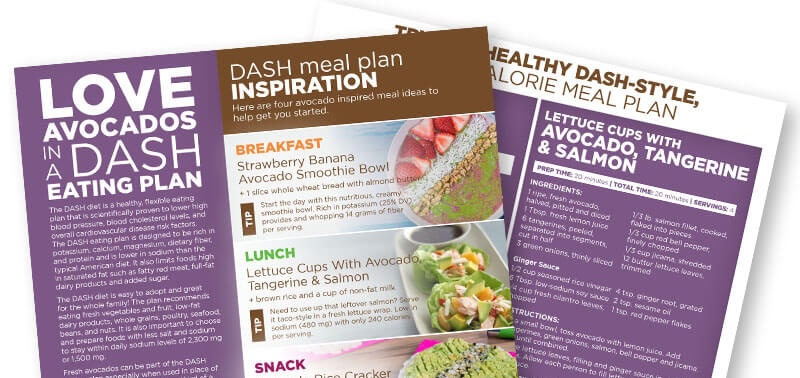
The National Heart, Lung, and Blood Institute recommends the Dietary Approaches to Stop Hypertension (DASH) eating plan because it has been shown to help lower blood pressure. The DASH diet suggests consuming fruits, vegetables, whole grains, low-fat dairy products, beans, fish, poultry, and nuts. To follow the DASH eating plan, it is important to select foods that are low in saturated fat and sodium.
Fresh avocados are a heart-healthy fruit. When used in place of other fats, avocados can be a part of the DASH eating plan, which may help to lower blood pressure.
Additionally, avocados contribute nearly 20 vitamins, minerals, and phytonutrients, including 11% of the Daily Value (DV) for dietary fiber, 4% of the DV for magnesium, 250 mg of potassium (6% DV), 4% of the DV for vitamin C, and 5 g of monounsaturated fats (MUFAs) per 50-gram serving, along with 136 micrograms of the carotenoid lutein. Some of these nutrients are especially helpful for hypertension management because they are associated with the following benefits:

Magnesium: Magnesium keeps the heartbeat steady. It also helps regulate blood glucose levels, and aids in the production of energy and protein.
Healthy Fats: Monounsaturated fat (MUFA) can help reduce bad cholesterol levels in your blood, which can lower your risk of heart disease and stroke.
Potassium: Low potassium intakes can increase the risk of illness and may be involved in hypertension and stroke, blood glucose control, and type 2 diabetes. It also helps counterbalance the effects of sodium on blood pressure.
Fiber: Consuming foods rich in fiber may reduce the risk of heart disease, obesity, and type 2 diabetes – health conditions commonly associated with hypertension.

The American Heart Association’s Heart Check mark is a way to quickly identify foods that align with science based recommendations for heart health. Fresh avocados are Heart-Check certified by the American Heart Association. As a naturally sodium and sugar free fruit that provides unsaturated fats, avocados are a simple way to incorporate heart healthy foods into an overall balanced eating pattern.
Avocado and Hypertension
Emerging research has explored associations between avocado intake and blood pressure outcomes:
- In a study of 67,383 Mexican women, consuming ≥2.5 avocados per week was linked to lower self-reported hypertension rates, higher intakes of dietary fiber, and monounsaturated fat compared to consuming ≤1 avocado per month. Women with hypertension at the start were excluded. The median avocado intake was half an avocado weekly, and a food frequency questionnaire assessed food intake.
- A meta-analysis of 18 prospective studies (451,291 participants, 145,492 cases) found that higher fruit and vegetable consumption was linked to reduced hypertension risk. Inverse associations were observed for avocado, blueberries, raisins or grapes, broccoli, carrots, and lettuce.
- Improved vascular function was observed in a sample of 82 adults with prediabetes who consumed both avocado and mango daily, according to an 8-week research study co-funded by the Hass Avocado Board and the National Mango Board. This fruit pairing may offer a simple, nutrient-dense way to promote heart health and healthy blood pressure without increasing calorie intake or body weight.
While these findings do not establish causality, they support a growing body of science suggesting avocados are heart-healthy and that incorporating nutrient-dense fruits like avocados as part of overall dietary patterns aligned with blood pressure management.
Practical Applications for Patient Counseling
To support patients with their blood pressure management, consider positioning avocados as a simple, food-based strategy within a heart-healthy eating pattern:
- Use avocados as a replacement for foods higher in saturated fat to help shift fat intake toward unsaturated sources.
- Add sliced or mashed avocado to meals and snacks to help increase intake of potassium-containing foods within a DASH-style eating pattern.
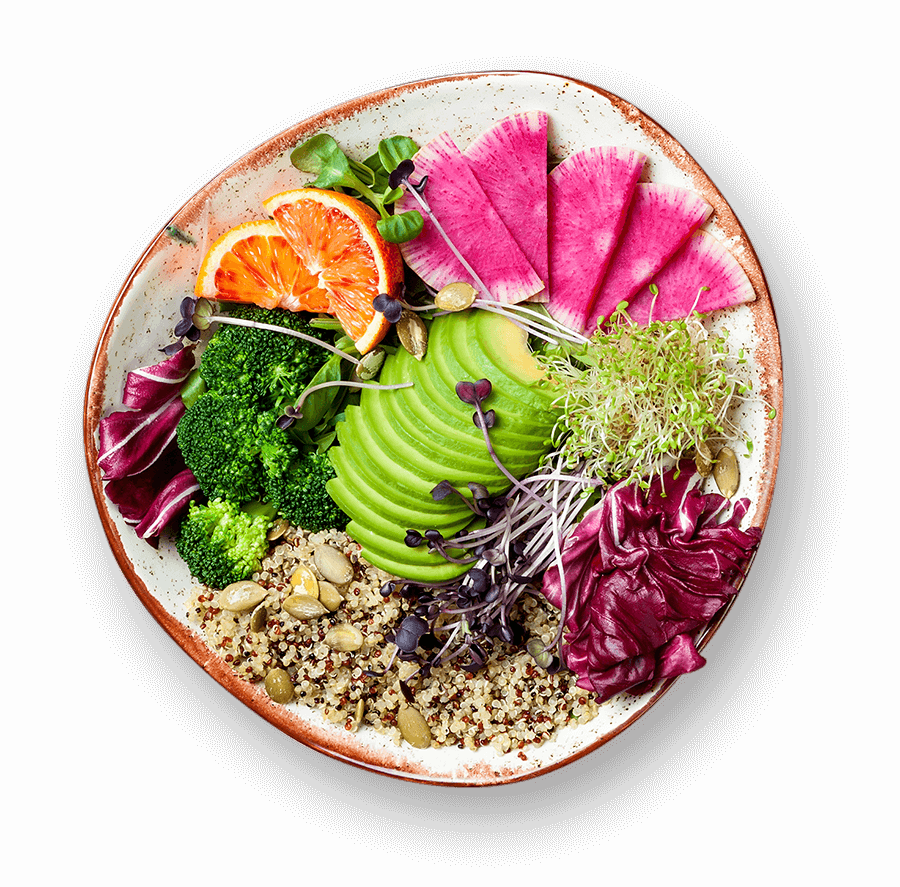
- Encourage building meals around fruits and vegetables, using avocado as an easy addition to salads, grain bowls, sandwiches, or breakfast dishes.
This approach aligns with DASH-style principles and may help patients improve overall diet quality without adding complexity.
Avocado Recipes
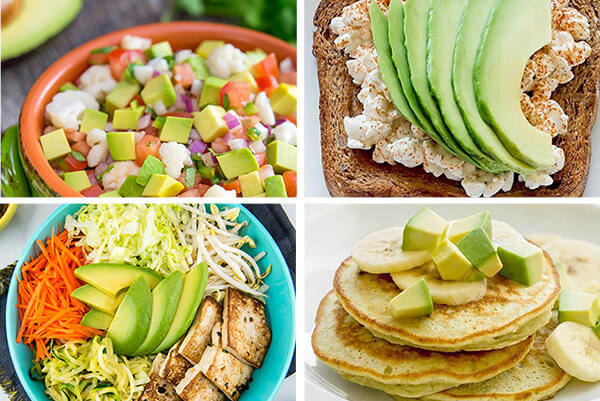
Avocados are a versatile, nutrient-dense fruit, and can be a part of the DASH eating plan.