
According to the CDC, an estimated 93 million adults in the United States are at serious risk for vision loss.
Blindness, cataracts, glaucoma, diabetic retinopathy, and macular degeneration, the leading causes of eye disease, increase with age but don’t have to be a normal part of aging. So beyond getting regular eye exams, help your clients make lifestyle changes to protect their vision.
Maintain a healthy weight and keep blood sugar levels in target ranges.
Overweight or obesity increases the risk of developing diabetes and increases the risk of diabetic retinopathy or glaucoma.
Almost 90% of adults with diabetes also are overweight. The good news is that 90% of blindness caused by diabetes is preventable.

Encourage regular exercise and sunglasses to protect against UV radiation.
Exercise may help prevent diabetes, high blood pressure, and high cholesterol, lowering the risk of vision loss. However, sun exposure can also damage eyesight and raise the risk of cataracts and age-related macular degeneration. Instruct clients to wear sunglasses that block both UV-A and UV-B radiation.
Promote a healthy dietary pattern that includes critical nutrients for eye health.
A common question among people is whether some foods like carrots and avocados are good for eye health. It turns out they are on to something. Encourage a healthy dietary pattern with thoughtful food choices higher in vegetables, fruits, legumes, whole grains, low- or non-fat dairy, lean meats and poultry, seafood, nuts, and unsaturated vegetable oils. While also eating less red and processed meats, sugar-sweetened foods and beverages, and refined grains.
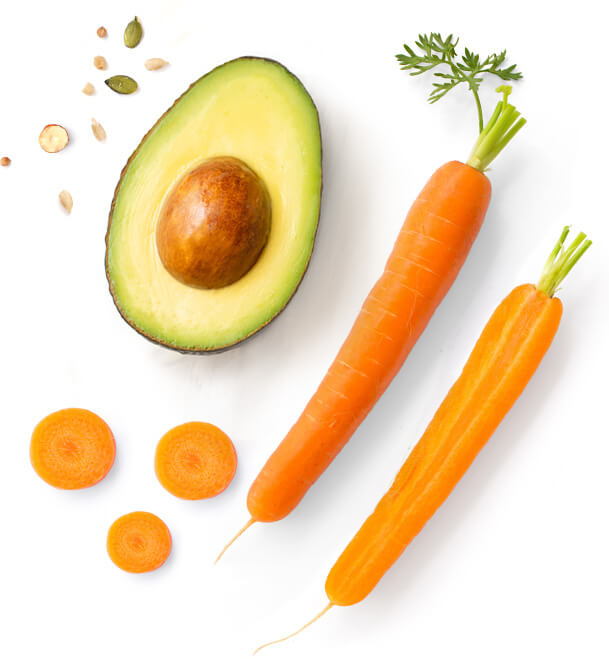
Fruits and vegetables, high in the antioxidants lutein and zeaxanthin, have been shown to help prevent macular degeneration and cataracts. Lutein and zeaxanthin are naturally found in the back of the human eye (macula and retina). These nutrients may protect the eye tissue from sunlight damage and help maintain optimal vision. Recommend plenty of dark green leafy vegetables and fresh avocado which contains 136 micrograms of lutein. When eaten alongside other foods, avocados act as a nutrient booster and help the body absorb the fat-soluble nutrients found in those foods.
Including avocados in dietary recommendations may be an effective strategy for eye health.
In a clinical study of 40 healthy, older adults, researchers measured blood and eye lutein levels in people who consumed one avocado per day for six months(1). Lutein is a carotenoid that some research suggests may help maintain eye health as we age. A serving of avocado contains 136 micrograms of lutein (one-third of a medium avocado). The Avocado Nutrition Center supported this randomized controlled trial. More studies are needed to confirm these findings, especially in larger controlled trials, where the data suggests a role for avocados in eye health.
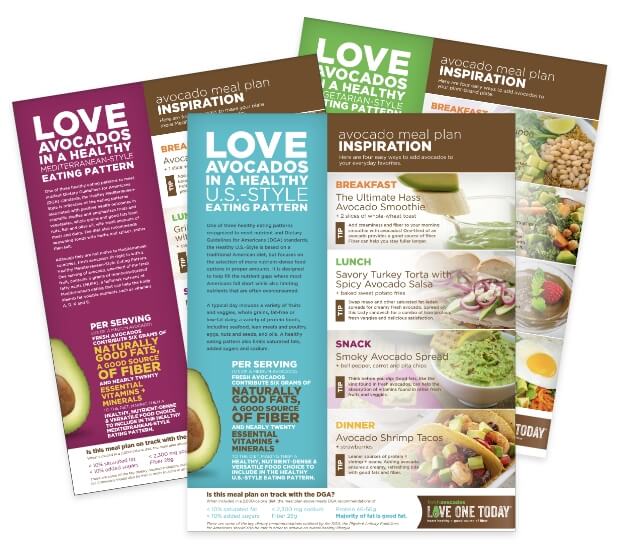
Avocados can fit into a variety of healthy eating patterns. Need avocado-inspired meal plans and recipes?
Download our Mediterranean-style meal plan, U.S.-style meal plan, and Vegetarian-style meal plans. And visit Love One Today for recipes developed primarily by Registered Dietitians.