Study Overview
Published: British Journal of Nutrition
Category: Cardiovascular Health
View Published Study
Download PDF

Abstract:
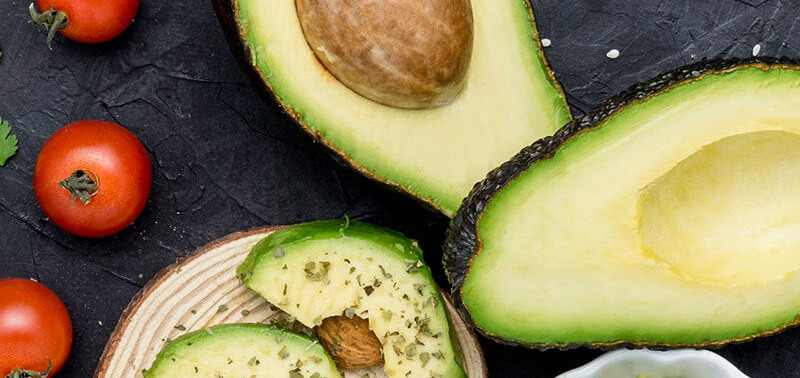
Avocado is a fruit rich in dietary fiber, potassium, magnesium, mono and polyunsaturated fatty acids, and bioactive phytochemicals, which are nutritional components that have been associated with cardiovascular health. Yet, despite the boom in avocado consumption, we lack evidence on its association with cardiovascular disease risk in the general population. To estimate the prospective association between avocado consumption and incident hypertension in Mexican women. We estimated the association in participants from the Mexican Teachers’ Cohort who were ≥25 y, free of hypertension, cardiovascular disease, and cancer at baseline (n=67,383). We assessed baseline avocado consumption with a semi-quantitative food frequency questionnaire (never to six or more times per week). Incident hypertension cases were identified if participants self-reported a diagnosis and receiving treatment. To assess the relation between categories of avocado consumption (lowest as reference) and incident hypertension, we estimated incidence rate ratios (IRR) and 95% confidence intervals (CI) using Poisson regression models and adjusting for confounding. We identified 4,002 incident cases of hypertension during a total of 158,706 person-years for a median follow-up of 2.2 y. The incidence rate of hypertension was 25.1 cases per 1,000 person-years. Median avocado consumption was 1.0 (IQR: 0.23, 1.0) serving per week (half an avocado). After adjustment for confounding, consuming 5+ servings per week of avocado was associated with a 17% decrease in the rate of hypertension, compared to non- or low-consumers (IRR=0.83; 95% CI: 0.70, 0.99; P-trend=0.01). Frequent consumption of avocado was associated with a lower incidence of hypertension.