Mexican food is bold, rich, and diverse.
In 2010, UNESCO inscribed traditional Mexican cuisine on the Representative List of the Intangible Cultural Heritage of Humanity. Mexican cuisine is replete with ingredients that are packed with nutrition such as corn, legumes, chili peppers, avocado, and squash. Whether you enjoy a creamy guacamole or frijoles de la olla (bean stew), incorporating these healthiest Mexican foods into your diet can significantly improve your family’s health.

Avocados in Mexican Cuisine
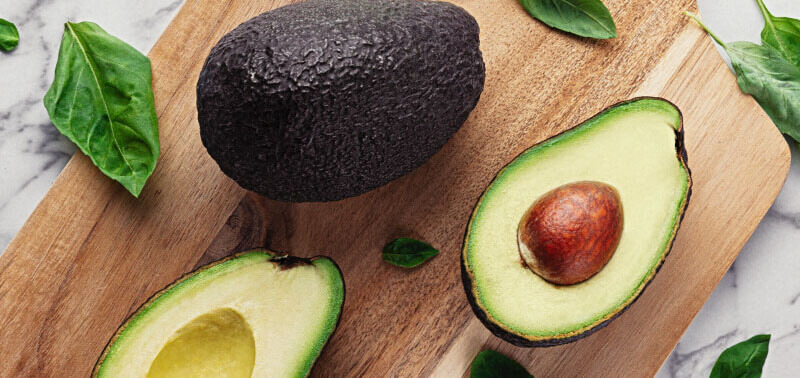
Avocados are the shining stars of Mexican cuisine.
This exquisite fruit is highly nutritious. Avocados can help you meet the dietary recommendations of the American Heart Association, as they are a heart-healthy fruit.
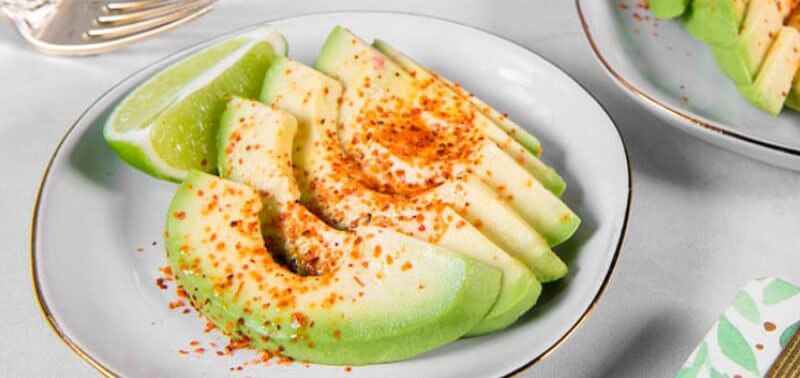
Mexicans use fresh avocados in guacamole, sliced on top of tacos, in salads, and even stuffed with tuna.
For a delightful combination of Mexican favorites, try the smoky and crunchy Chipotle Chicken Tacos with Avocado and Cucumber Relish. This recipe incorporates corn tortillas, tomatoes, chipotle peppers, and the richness of avocados. Dietary fiber, present in avocados, has been linked to better heart health, lower cholesterol levels, and improved blood sugar management.
Another fiber-rich option is the Nopales and Avocado Salad providing 3 grams of dietary fiber per serving.
Exploring the Nutritional Value of Squash
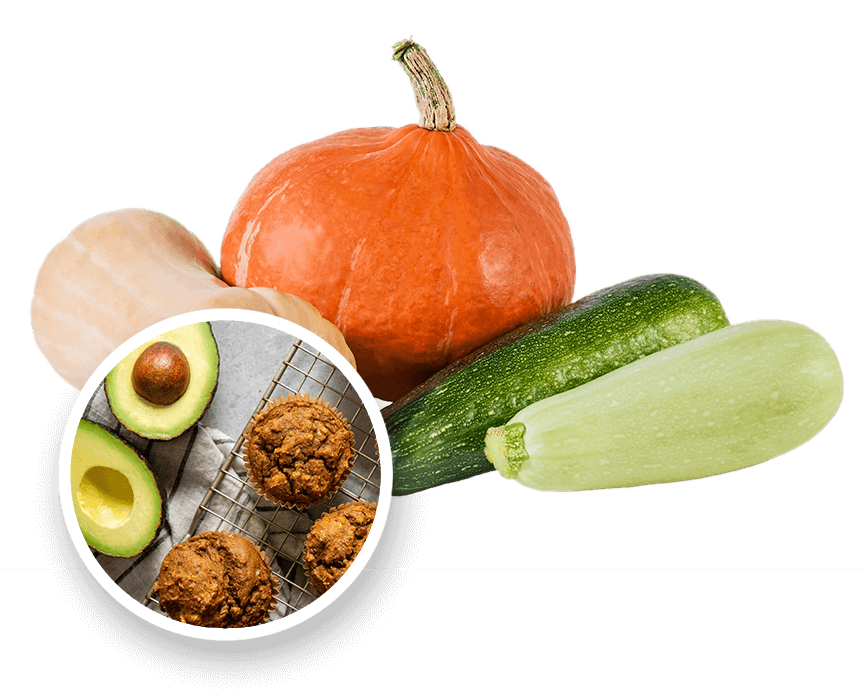
Squash takes center stage in Mexican cuisine, offering a variety of flavors, textures, and colors.
Zucchini squash, for example, can be sautéed with jalapeños, chili, onions, and tomatoes, then served with huevos rancheros. It is also commonly added to soups and combined with tomato, corn, and cheese.
Mexicans enjoy pumpkin seeds and pumpkin blossoms, which have a vibrant yellow-orange color and are featured in both Mexican and Mediterranean cuisines. In Mexico, you can find these delicacies in quesadillas. Pumpkin itself can be used in savory and sweet dishes.
A popular traditional dish, known as Calabaza Tacha, is prepared during Day of the Dead and Christmas. In this dish, the pumpkin is boiled in a mixture of water, orange juice, cinnamon, and brown sugar.
Squashes, including blossoms, zucchini, pumpkin, and pumpkin seeds, are packed with vitamins, minerals, and antioxidants. Start your day with delicious Pumpkin & Spice Avocado Muffins

The Spicy Secret of Chili Peppers
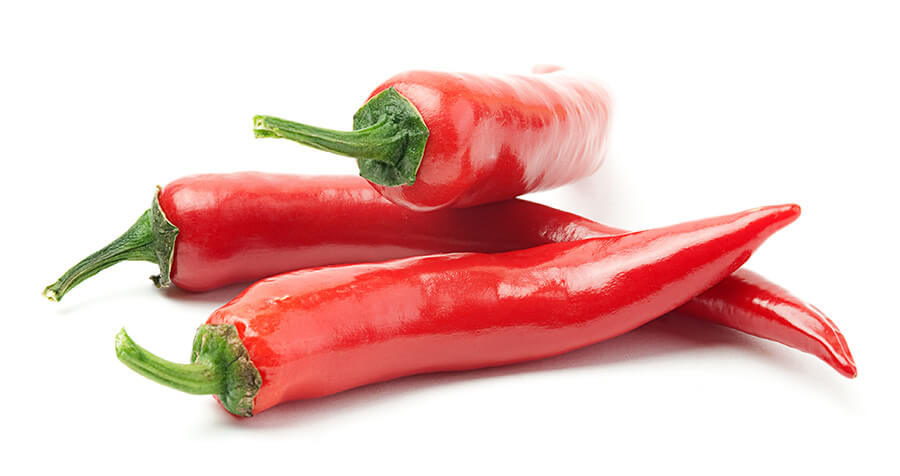
Chili peppers are a staple in Mexican cuisine
They contain capsaicin, which has been shown to have anti-inflammatory properties. Some studies have even suggested that chili peppers may be beneficial for heart health. Chilis are used extensively in Mexican cuisine, from salsas to moles and soups, making them an integral part of the Mexican culture.
Boost Your Dietary Fiber and Protein with Legumes
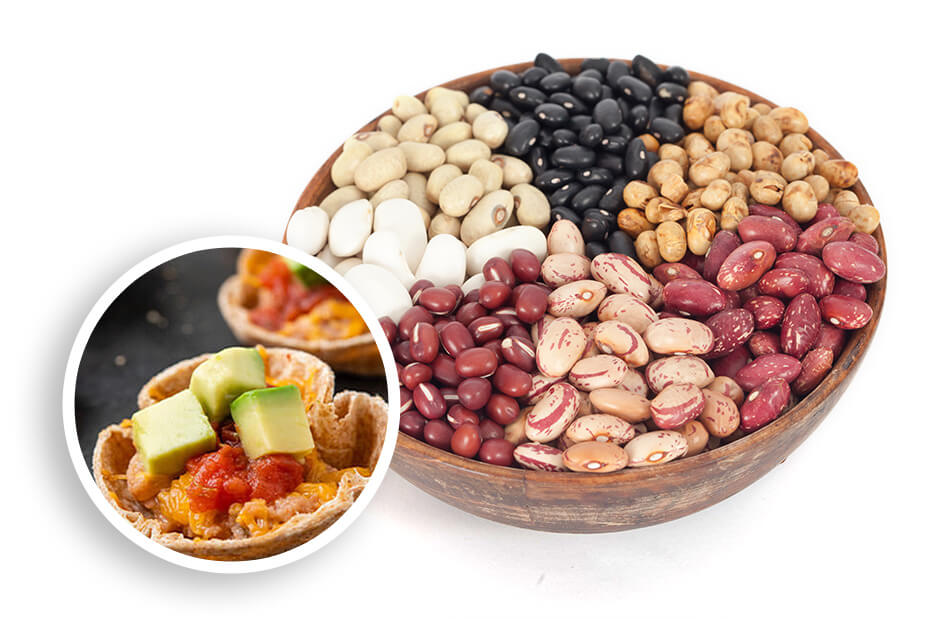
Legumes such as beans and lentils play a crucial role in Mexican cooking.
They are rich in dietary fiber and protein, making them an excellent choice for individuals seeking to increase their consumption of plant-based foods.
Foods like legumes and avocados, which are high in dietary fiber, promote a feeling of fullness, aiding satiety. Legumes also contain various vitamins and minerals, including folate and magnesium. Indulge in these Mini Tostadas for a tasty and crunchy meal.
The Health Benefits of Corn in Mexican Culture
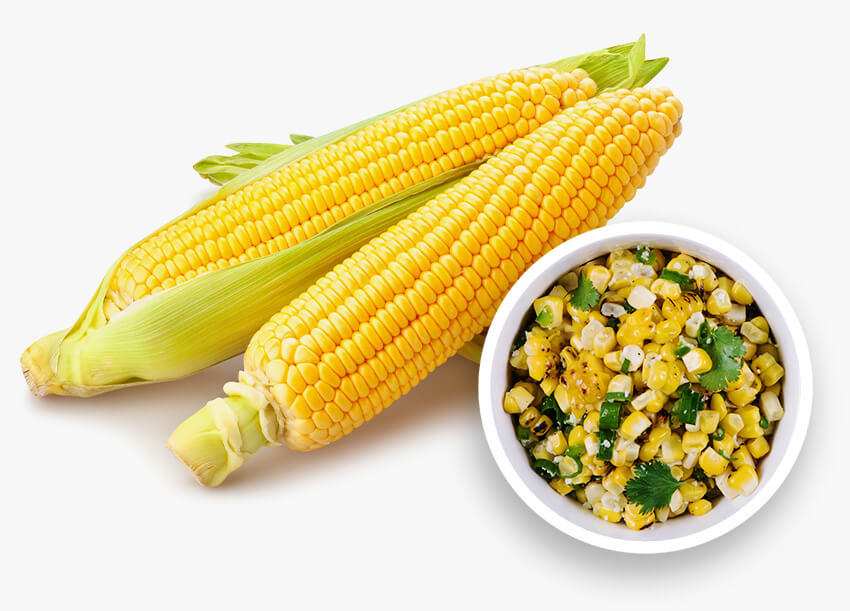
Corn is a staple in Mexican cuisine, especially in the form of corn tortillas.
Corn tortillas undergo a cooking process called nixtamalization, where corn is mixed with lime, increasing the levels of niacin and calcium.
Corn is also rich in antioxidants such as lutein and zeaxanthin, which support eye health. Treat yourself to the Avocado Mexican Street Corn Salad, combining jalapeño, corn, and the goodness of avocado.