How to Ripen An Avocado Faster
This article will show you how to ripen avocados faster. Avocados, the creamy, versatile fruit beloved by many for their rich taste and amazing health benefits do not ripen on the tree. They ripen or “soften” after they have been harvested.
There’s no denying the satisfaction that comes from enjoying a perfectly ripe avocado. However, encountering an unripe avocado can be disappointing, especially when you crave that deliciously creamy texture over your perfectly toasted slice of bread. Fear not! There are tricks and tips to speed-up the ripening process, ensuring your avocados are ready to eat precisely when you need them.
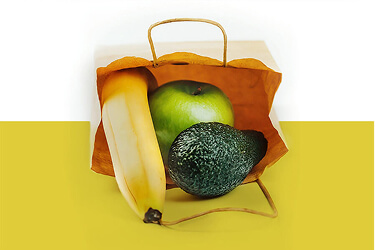
In short, the best way to ripen avocados faster is to place the unripe avocados in a brown paper bag with an apple or banana for two to three days until they are ripe.

Choosing the Right Avocado
When shopping for avocados, understanding how to select them according to your preferences is crucial. Look for a balance between firmness, color, and skin appearance to determine ripeness.
Ripe avocados yield to gentle pressure, like how pressing the center of your palm feels like. Avocados that are darker in color may be riper than light green ones.
Removing the stem at the grocery store to check for ripeness is not recommended. This exposes the flesh to oxygen, triggering the oxidation process which affects color, texture, taste, and lets contaminants in.
If it feels mushy, it may be overripe. Remember to check for big indentations which may be a sign of bruising.
Expert tip:You can purchase avocados at differentstages of ripening to stagger consumption.

The Best Way to Ripen Avocados Faster at Home
Were all the avocados at the store firm and green? Among the various methods, the apple-banana-brown bag approach stands out as a reliable and efficient way to speed-up avocado ripening.
Typically, this method takes around 2 to 3 days, depending on the initial avocado ripeness and environmental conditions. The key is to check the avocados periodically to monitor their progress. Factors such as temperature and humidity can influence the speed of the ripening process, so keeping an eye on them helps you achieve the desired ripeness without overdoing it.
Why the Apple-Banana-Brown Bag Method Works for Ripening Avocados Faster
The combination of ethylene gas production, a controlled ripening environment, efficiency, and the convenience of readily available fruits make the apple-banana-brown bag method a standout choice among various avocado ripening techniques. Its effectiveness, simplicity, and minimal environmental impact makes it the preferred method for avocado lovers seeking reliably ripened avocados without unnecessary complexity or waste.
Ethylene gas is a plant hormone responsible for triggering and accelerating the ripening process in fruits. When ethylene-producing fruits such as apples and bananas are placed together with avocados in a confined space like a brown bag, the concentration of ethylene gas significantly increases. This surge in ethylene gas speeds-up the ripening of avocados and ensures a faster transition from unripe to perfectly ripe fruit.
Beyond ethylene gas, the brown bag itself creates an ideal microenvironment conducive to avocado ripening; it traps moisture and concentrates the ethylene gas around the avocados. This controlled environment helps maintain optimal humidity levels and a consistent temperature, both crucial factors for the uniform ripening of avocados.
The apple-banana-brown bag method stands out for its simplicity, cost-effectiveness, and eco-friendly nature. Unlike other ripening methods that may require artificial agents or excessive plastic packaging, this method relies solely on natural processes, making it environmentally conscious. Moreover, it’s a low-effort technique that requires minimal involvement, making it convenient for people seeking a hassle-free way to speed-up avocado ripening.
Another advantage of this method lies in the versatility of apples and bananas. These fruits are easy to find in just about any grocery store and are readily available in most kitchens. Their dual purpose as both a healthy snack and ripening agents for avocados adds to their practicality.
The convenience and accessibility of these fruits make the apple-banana-brown bag method an attractive choice for anyone trying to ripen avocados fast without having to invest in additional resources.
Best Practices for Ripening Avocados
Ripening avocados like a pro involves several practices, including following proper storage techniques and monitoring the ripening process. By mastering these practices, you can always have a deliciously creamy, ready-to-eat avocado for all your meals.
Unripe avocados should be kept at room temperature to allow them to ripen naturally. Once avocados reach the desired ripeness, storing them in the fridge slows down further ripening and helps maintain their freshness for a few more days.
The ideal storage conditions for both unripe and ripe avocados involve preventing exposure to extreme temperatures or sunlight. Avoid storing avocados in the fridge before they ripen, as colder temperatures can impede the ripening process, leading to unappetizing, hard avocados.
Hold the avocado in your hand and gently squeeze to check for ripeness; a ripe avocado will slightly yield to pressure without feeling mushy. Checking once a day should be enough.
Regularly monitoring the avocados during the ripening process helps prevent overripening or spoilage. Overripened avocados can become mushy and develop an unpleasant taste, while spoilage occurs due to improper storage or handling. Inspecting avocados for any signs of decay or unusual changes in texture or color is vital to avoid consuming spoiled fruit.
While faster ripening can be convenient, there can sometimes be a trade-off between speed and flavor. Rapidly ripened avocados might not develop the same depth of flavor and complexity as those that ripen more slowly. This is because slower ripening allows for certain biochemical processes to occur more gradually, leading to a more nuanced flavor profile.
The balance between speed and flavor is up to your personal preferences and the intended use of the avocados. For dishes where the avocado’s taste is central, allowing for a slower, more natural ripening process might result in a better flavor experience. However, for immediate use or when timing is crucial, quicker ripening methods might be preferred.

Avoiding These Common Avocado Ripening Mistakes
Handling avocados can sometimes be a bit tricky when you’re new to avocados, and it’s totally normal to make a few mistakes along the way.
One of the most common slip-ups happens when they become overripe, and on the flip side, underripening can also catch us off guard. And accidentally letting them spoil can be very disappointing. Nobody wants that creamy goodness to go to waste!
Following proper avocado storage techniques and being patient during the ripening process, will help you avoid these mistakes.
Overripening occurs when avocados go beyond the desired ripeness, becoming excessively soft, mushy, and potentially discolored. The consequences of overripening include a loss of flavor, unappealing texture, and an increased likelihood of spoilage.
Preventing overripening involves vigilant monitoring and avoiding exposure to high temperatures or direct sunlight. Enjoying avocados promptly once they reach the desired ripeness also reduces the risk of overripening.
Underripened tend to be firm, slightly bitter, and lack the characteristically delicious buttery texture. Patience is key in allowing avocados to ripen naturally to achieve the desired taste and texture. Rushing the ripening process by applying external heat or refrigerating unripe avocados prematurely may delay the ripening process or negatively impact the fruit’s quality.
To avoid underripening, store unripe avocados at room temperature, be patient and gently check the avocados’ firmness periodically to gauge their ripening progress.
Avocado spoilage often occurs due to improper storage or handling, leading to decay, mold growth, or off-putting odors. To prevent spoilage, store avocados in optimal conditions, avoiding extreme temperatures or exposure to sunlight. Inspect avocados regularly for any signs of decay, such as dark spots, unusual discoloration, or an unpleasant smell.
Handling avocados delicately and refraining from keeping them in airtight containers can help prevent moisture buildup, which can contribute to spoilage.
How NOT to Ripen Avocados
While various unconventional methods claim to be effective in ripening avocados fast, not all of them are effective or advisable.
Ripening methods involving flour, kiwi, uncooked rice, or placing avocados in the oven or microwave lack the efficacy and reliability of the recommended apple-banana-brown bag method.
Let’s dive into some of these methods and explain why they might not yield the desired results or could potentially harm your avocados.
Placing the avocados in a paper bag with all-purpose flour has been suggested as a ripening technique. However, this method lacks scientific evidence supporting its efficacy. Flour does not emit ethylene gas, a crucial factor in ripening fruits. Therefore, it doesn’t contribute significantly to expediting the ripening process. Additionally, flour might introduce unwanted moisture or contaminants to the avocados, potentially leading to spoilage or an undesirable taste. Overall, the all-purpose flour method is not recommended due to its lack of effectiveness and potential risk of affecting avocado quality.
Some suggest placing a ripe kiwi alongside avocados in a paper bag to speed up ripening. Kiwis do produce small amounts of ethylene gas, which could potentially influence the ripening process. However, kiwis emit much lower levels of ethylene compared to apples or bananas, so the impact of using kiwis to ripen avocados might be minimal and inconsistent.
Placing uncooked rice in a paper bag with avocados allegedly helps trap ethylene gas. However, rice does not emit ethylene gas, rendering it ineffective as a ripening agent. Instead, it may introduce unnecessary moisture to the avocados, potentially leading to a damp environment that encourages mold growth or spoilage. This method’s inefficacy and potential risk to avocado quality make it an unreliable choice for ripening avocados faster.
Simply enclosing avocados in a paper bag without any additional ripening agents might marginally speed up the ripening process due to the enclosed space, which traps ethylene gas emitted by the avocados themselves. However, this method lacks the concentrated ethylene production necessary for significant acceleration of the ripening process. It might lead to a slower ripening rate compared to methods involving ethylene-producing fruits. Therefore, relying solely on a paper bag without additional ripening agents is not the most efficient approach to ripening avocados quickly.
Allowing avocados to ripen naturally on the counter at room temperature is a standard approach. However, this method can be slow, especially if the avocados are very firm. While it’s a natural process, it might take several days or even up to a week for avocados to ripen fully using this method. For those seeking quicker results, this method might not be the best.
Microwaving or using an oven to ripen avocados is not recommended. These appliances can cause uneven heating, and potentially damage the fruit. Microwaving avocados can lead to overheating, altering their taste and texture or even causing them to cook rather than ripen. Ovens might also dry out the avocado or cause undesirable changes in flavor and texture due to the high temperatures. Moreover, these methods can pose safety risks and are not reliable for achieving optimal ripeness.
Ripening Avocados for Different Culinary Uses
Whether for guacamoles and dips, slicing and garnishing, smoothies, or cooking and baking, understanding the optimal ripeness for different recipes can elevate your meals.
For instance, making guacamole might require perfectly ripe avocados with a creamy texture, while slicing and garnishing may benefit from slightly firmer ripe avocados. Cooking and baking with avocados might call for varying degrees of ripeness depending on the recipe.
Remember, the versatility of avocados extends beyond their typical uses, so don’t hesitate to push the boundaries of your avocado recipes; you may discover your new favorite thing.
Guacamole, the beloved party dip with origins in Mexican cuisine, relies heavily on soft ripe avocados. Ripened avocados that are softer are easier to mash, allowing for a smoother consistency that complements the flavors of lime, cilantro, onions, and other additions in guacamoles and dips.
The creamy richness of perfectly ripe avocados is also ideal for spreading on toast or layering in sandwiches and wraps.
In cooking and baking, the ripeness of avocados plays a critical role in the dish’s texture and flavor.
Softer ripe avocados contribute moisture and richness to recipes, making them a popular choice for baked goods like dark chocolate brownies or cakes, by simply replacing the fat in any baking recipe at a 1:1 ratio with pureed avocados.
Additionally, in savory cooked dishes like pasta, soups, or stir-fries, softer ripe avocados can be added towards the end of cooking to retain their texture and impart a creamy element to the dish. However, for some cooking methods that require avocados to maintain their shape, using slightly firmer ripe avocados might be beter to prevent them from disintegrating during the cooking process.
Experimentation is key to finding the ideal ripeness of avocados for your daily meals. Embrace the opportunity to explore and test different ripeness levels to achieve the desired taste and texture in your dishes and share your findings with us!