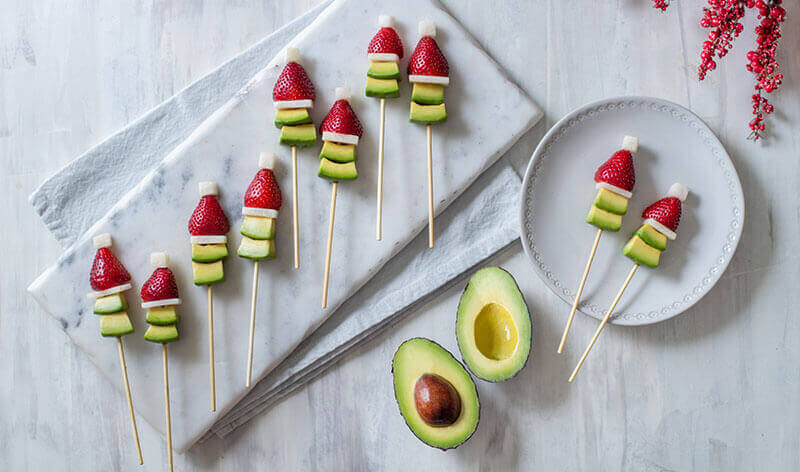
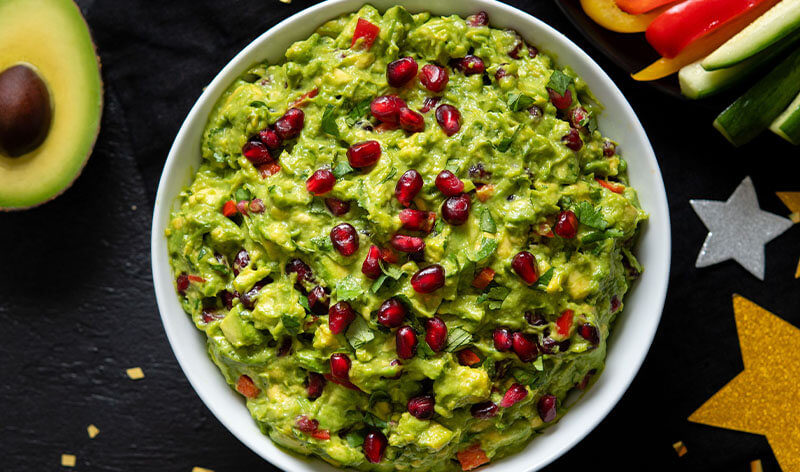
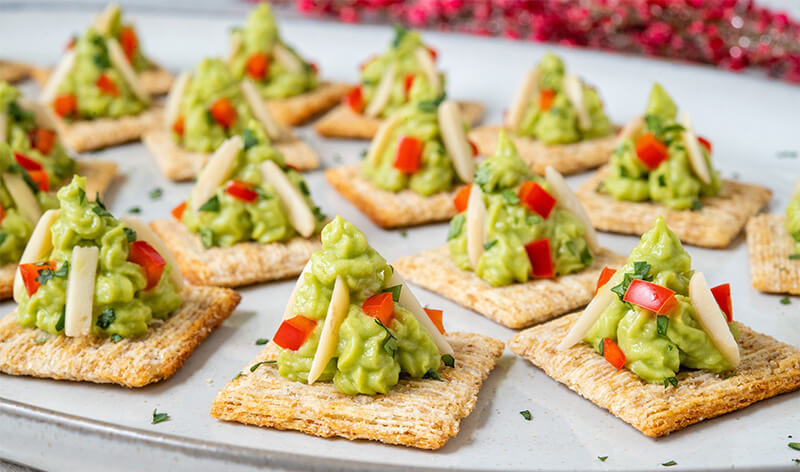
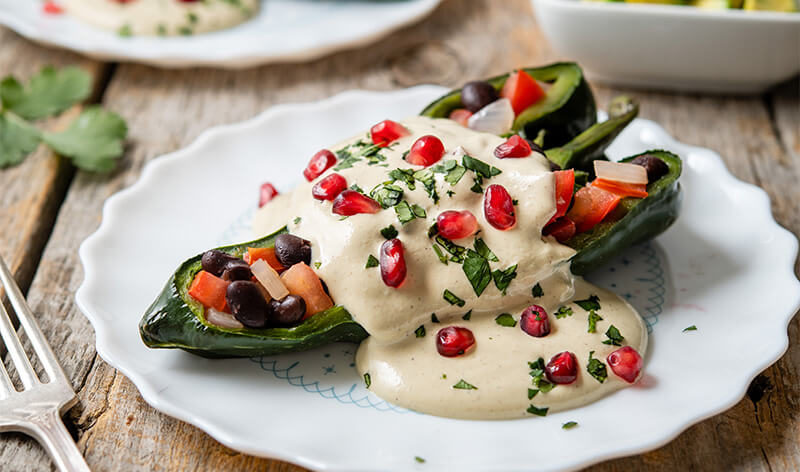
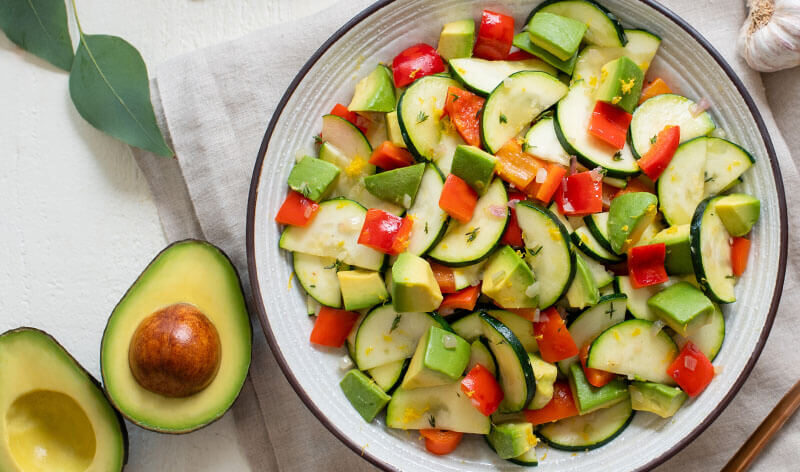
The holidays often mean festive celebrations with family and friends. While these get-togethers traditionally include high-calorie or sugary foods, you can show that you truly care by helping guests eat the rainbow, and serving plant-based foods that are loaded with nutrients.
Color Clues
The colors in plants signal the vitamins and phytonutrients packaged inside. The deeper the color, the more potent the nutrients.
For example, the dark green area of the avocado, next to the peel, contains the highest amount of phytonutrients, including carotenoids. Although not considered an essential nutrient, phytonutrients have been shown through research to help promote human health.
Each color hints at different nutrients.
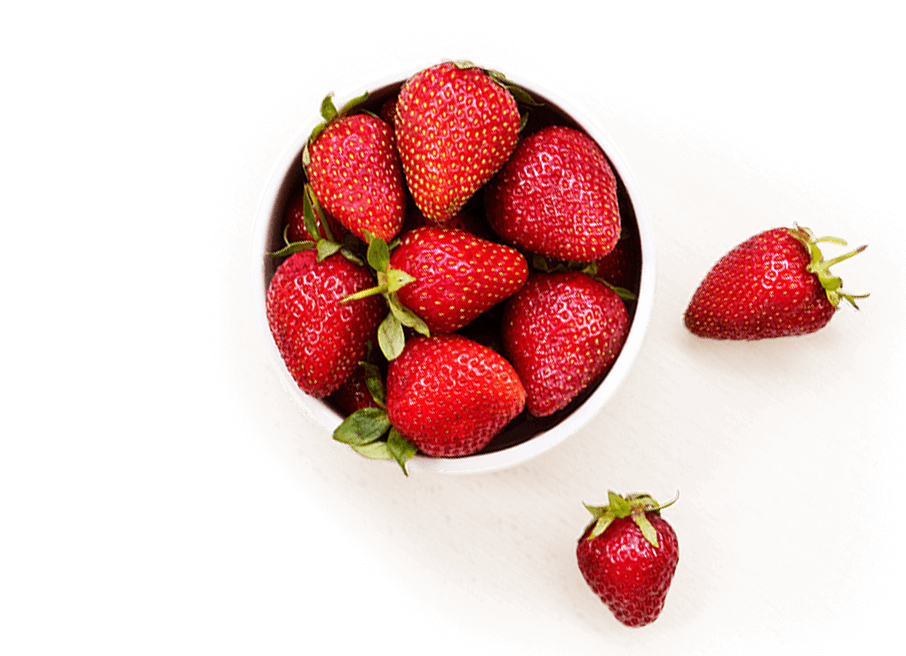
Red plants often contain lycopene including apples, cranberries, raspberries, red peppers, strawberries, tomatoes, and watermelon.
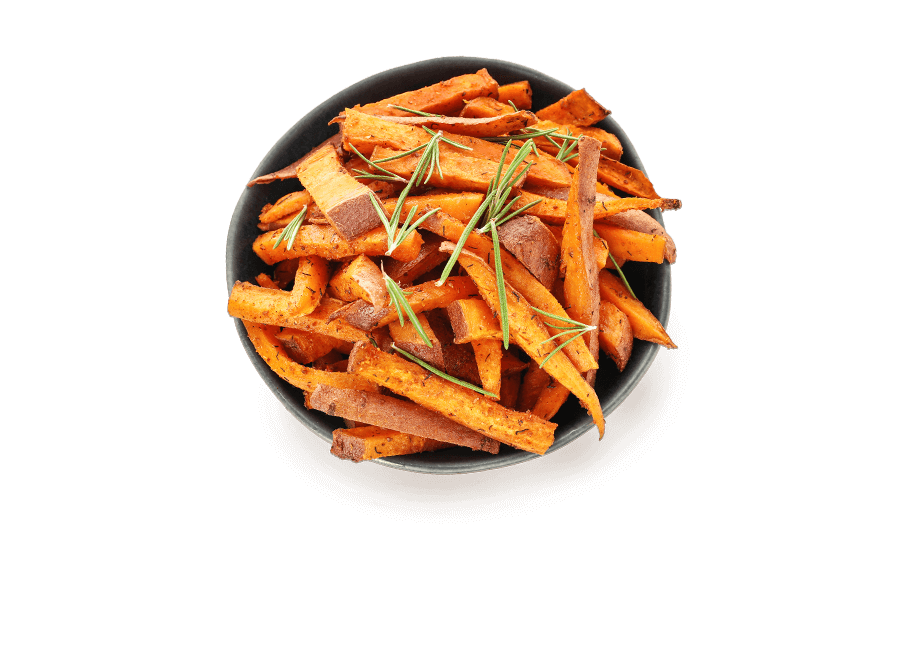
Orange and yellow hues signal beta-carotene. Apricots, cantaloupe, carrots, persimmons, pumpkin, squash, sweet potatoes, and yellow peppers all contain this phytonutrient.
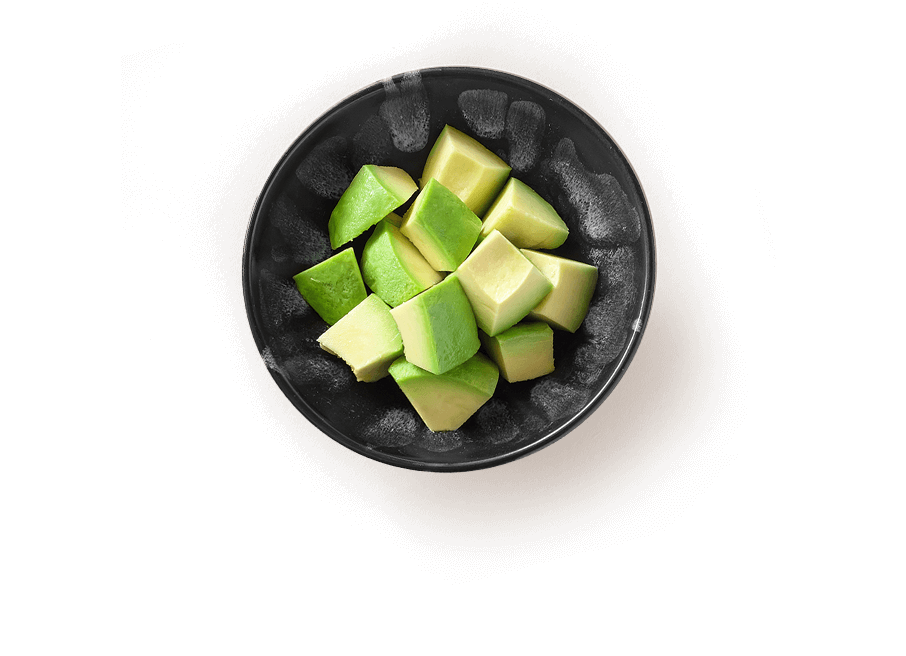
Green represents indoles, carotenoids, and isothiocyanates. Consider offering asparagus, avocados, broccoli, Brussels sprouts, cabbage, and dark leafy greens.
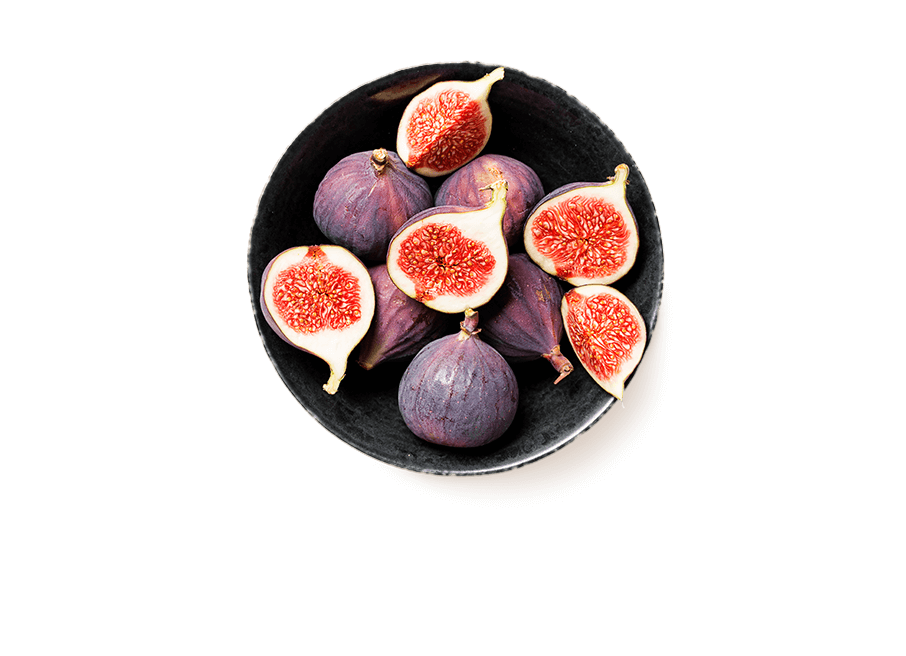
Blue and purple colors indicate antioxidants called anthocyanins. Try blueberries, eggplant, figs, plums, purple cabbage, and purple grapes.
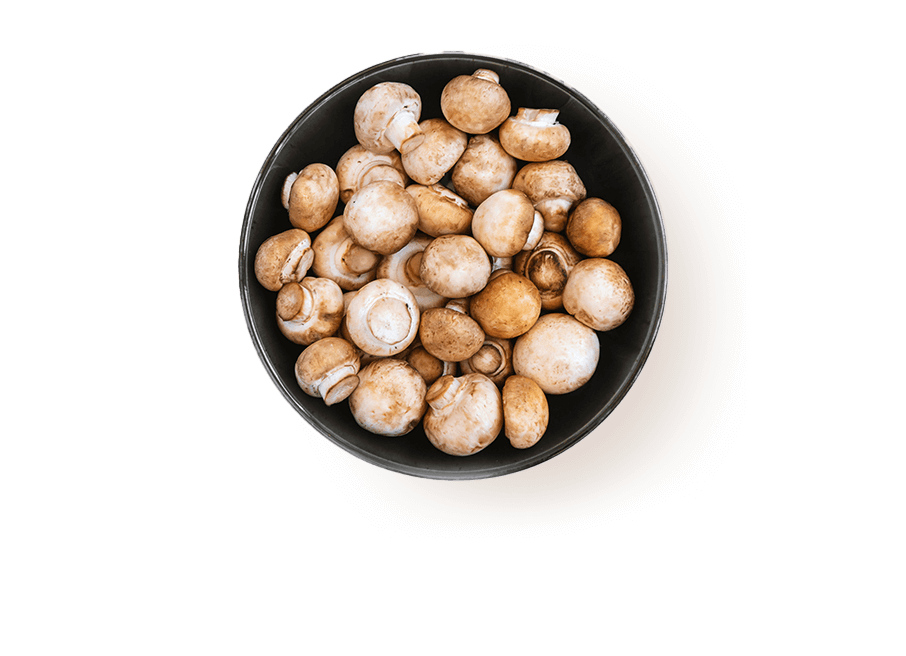
White and brown plants often contain allicin and quercetin. Cauliflower, garlic, leeks, mushrooms, and onions are great choices.
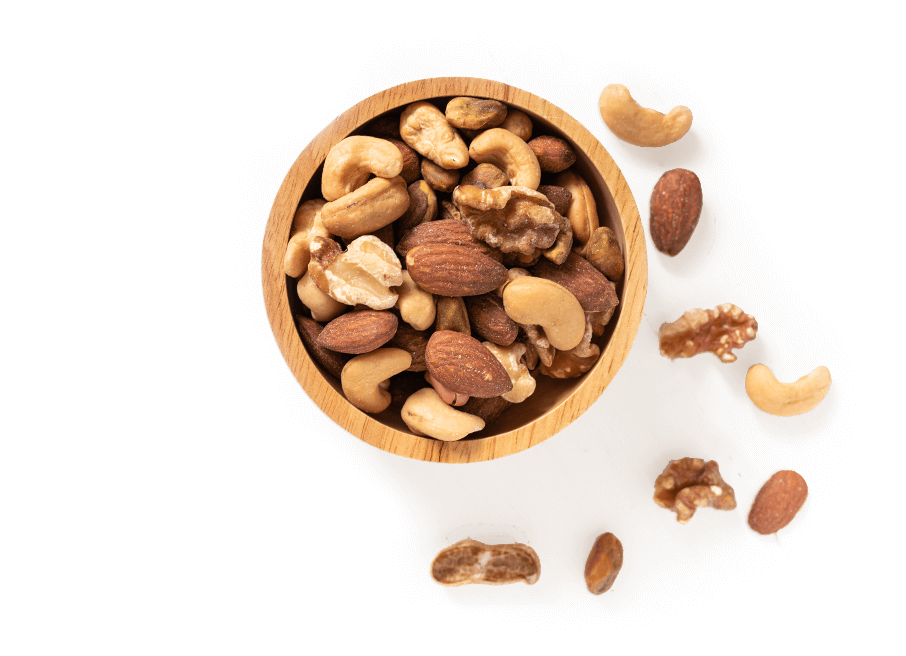
Don’t forget whole grains, seeds, nuts and legumes! Foods like beans, lentils, walnuts, and oats offer an abundance of vitamins and protein.
Serving up Color
Here are some ideas to help your loved ones eat the rainbow of plant foods, providing a dynamic variety of nourishment.
Ideas for creating a rainbow of plant foods.
Start with a Holiday Centerpiece
Create a fruit and veggie centerpiece for any holiday to attract your hungry guests.
- Consider:
- A Christmas tree topiary made with broccoli and cherry tomatoes.
- Nestle a large decorative turkey into a platter of autumn-colored produce like carrots, cauliflower, grapes, persimmons, peppers, seeds, and nuts.
- Center your menorah on a tray piled with blue-hued grapes, blueberries, and plums.
Select Seasonal Produce
Using cool weather produce from the USDA seasonal guide can mean higher quality food at a lower cost.
- Try these seasonal ideas:
- Pile pear, pomegranate arils, and orange slices onto a leafy vinaigrette salad.
- Roasted Brussels sprouts with walnuts and cranberries.
- Serve butternut squash or pumpkin soup.
- Garnish your dishes with baked apples, pears, or cranberry sauce.
Offer Appetizers
Appetizers can be both delicious and nutrient-dense.
- Here are a few ideas:
- Mushroom caps stuffed with onions, garlic, and brown rice.
- Raw mini pepper halves filled with guacamole or hummus.
- Cowboy caviar with black beans, corn, and finely diced red onion, peppers, tomatoes, and avocados.
Boost your Breakfasts
Overnight holiday guests will need a wholesome breakfast.
- Brighten their morning with these ideas:
- Veggie-packed omelets that include peppers, kale, mushrooms, and onions.
- Heat berries, pears, or cooked apples instead of syrup to top your whole-grain pancakes.
- Build rainbow smoothies by layering blended berries, bananas, mangoes, and spinach.
By eating the rainbow of plant foods, you’ll diversify the nutrients your body gets and help keep your systems running merrily this holiday season.