Key Takeaways:
A serving of avocado (50g, or about one-third of a medium avocado) contains 250 milligrams of potassium, while a whole medium avocado provides around 708–760 milligrams. By comparison, a medium banana contains about 422 milligrams of potassium.
Potassium is an essential mineral and electrolyte that helps regulate blood pressure, muscle contractions, nerve signaling, fluid balance, and heart rhythm. Diets rich in potassium may help lower the risk of high blood pressure, stroke, kidney stones, and cardiovascular disease.
In addition to potassium, avocados provide 3g of dietary fiber, 6g of healthy fats, 4% DV of magnesium, and nearly 20 vitamins and minerals in a standard 50 g serving.
Because avocados are naturally low in sodium and contain heart-healthy monounsaturated fats, they are commonly recommended as part of a balanced eating pattern that supports cardiovascular wellness.
People with chronic kidney disease or those following potassium-restricted diets should consult a healthcare provider before increasing potassium intake.
Potassium is an essential mineral and an electrolyte that helps muscles contract and regulates fluids and mineral balance in and out of body cells. Low potassium intakes can increase the risk of illness and may be involved in hypertension and stroke, kidney stones, bone health, blood glucose control, and type 2 diabetes.
In recent years, potassium deficiency has become more common among Americans, leading many to wonder how to get more potassium in their diet. If you’re one of them, avocados just might be the secret weapon you need.
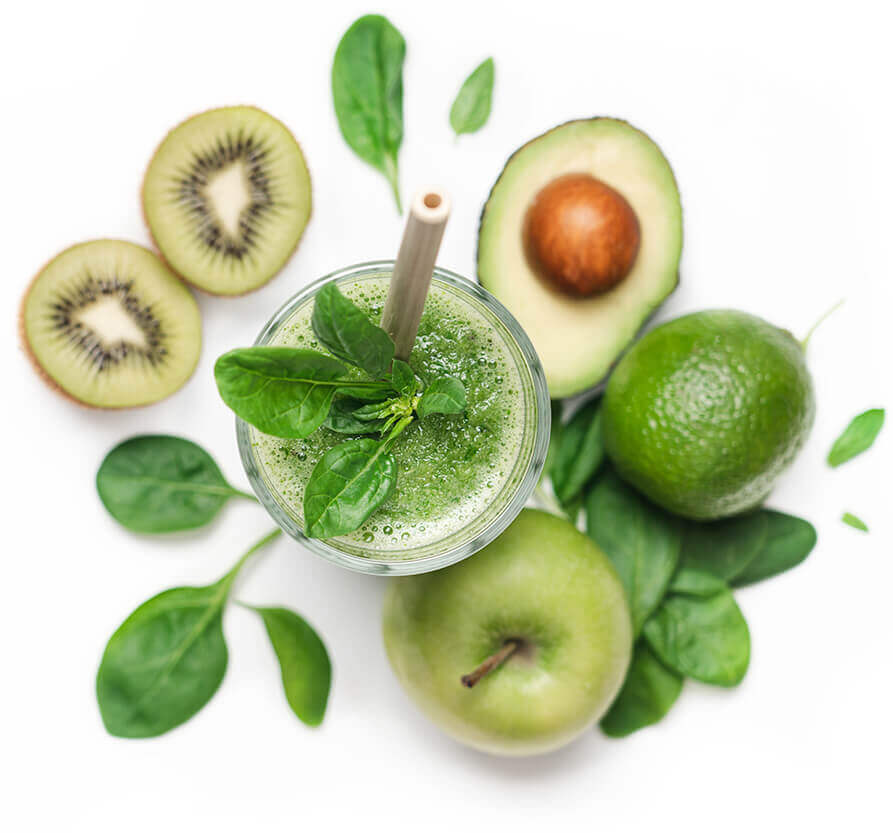
In fact, a study investigated the relationship between avocado consumption and diet quality, nutrient intake, and metabolic health in 17,567 US adults, using data from NHANES 2001–2008. Results showed that avocado consumers had higher intakes of vegetables, fruits, healthy fats, dietary fiber, vitamins E and K, magnesium, and potassium, and lower added sugar intake. They also exhibited lower body weight, BMI, waist circumference, and higher HDL cholesterol levels. The risk of metabolic syndrome was 50% lower in avocado consumers compared to non-consumers. The study is not causal and was supported by the Avocado Nutrition Center.
How Much Potassium is in Avocado?
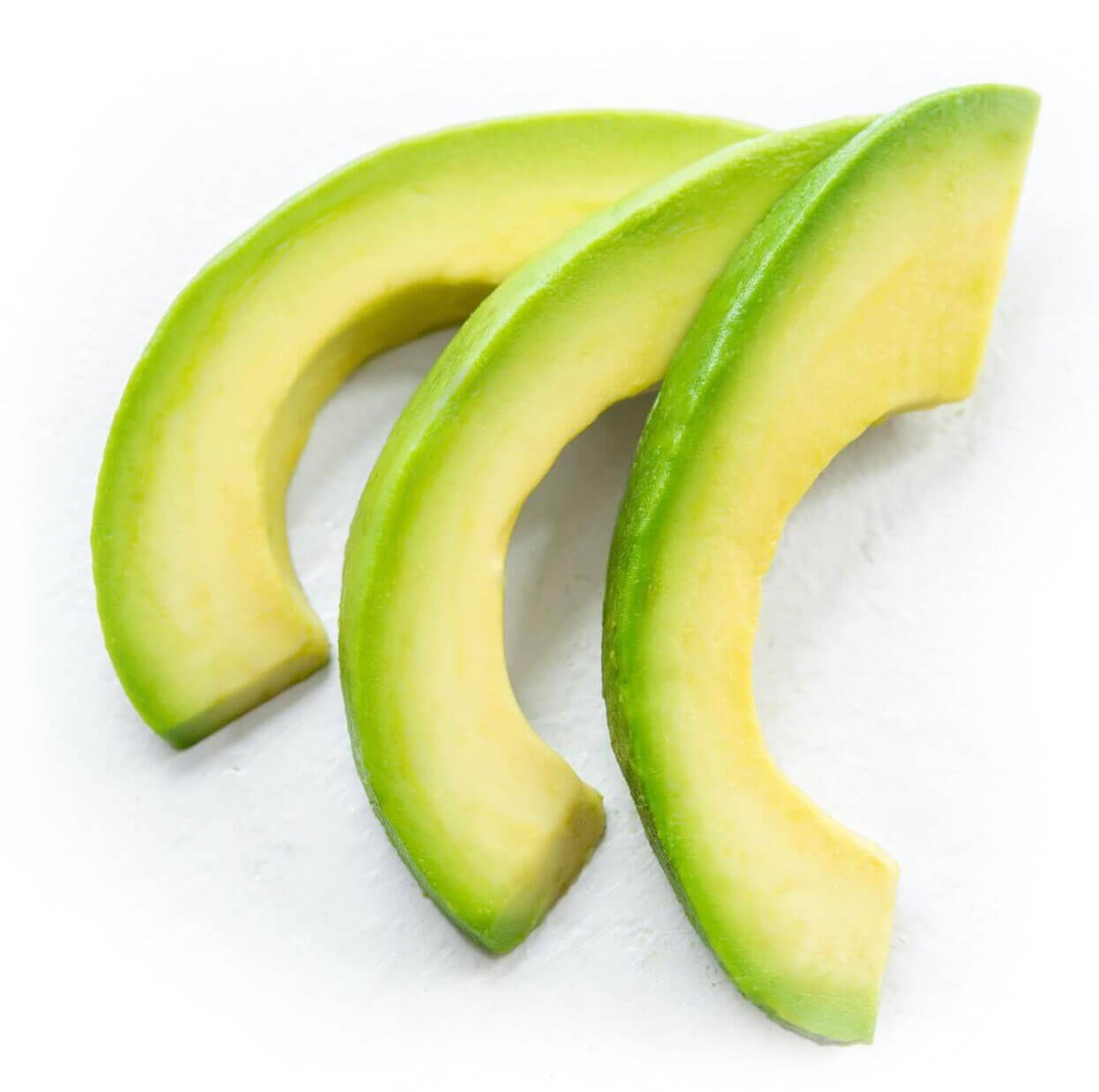
With 250 milligrams of potassium, or 6% DV (Daily Value) per 50g serving, avocados can help boost your potassium intake and support your heart health, muscles, and overall wellness. Not only that, but each serving of avocados also comes with 3g of fiber, 6g of good fats, nearly 20 essential vitamins and minerals, and is free of cholesterol, sugar and sodium. It’s easy to add them to your diet and enjoy their tasty benefits. Avocados are a great way to get some of your daily potassium needs. Whether you treat yourself to avocado toast at breakfast or a tasty smoothie after lunch, plant-based tacos for dinner or a no bake zesty dessert, these recipes all have a good source of potassium (10% DV) or more per serving.

How Much Potassium is in Avocado vs. Banana
Bananas are well-known for their potassium content, but avocados provide more potassium per gram. A medium banana (about 118g) contains approximately 422 milligrams of potassium, while an average avocado (150g) offers around 708 to 760 milligrams of potassium for a single avocado, and 250 mg for a single serving (50 grams or one-third of a medium avocado). This means that avocados may be a more concentrated source of potassium. Both foods can help contribute to your daily potassium needs, with avocados providing roughly 6% of the Daily Value per serving. Including both in your diet can support overall health, but avocados offer additional benefits such as healthy fats and fiber.
Why Your Body Needs Potassium
Potassium is an unsung hero of nutrition, playing an essential role in multiple different bodily functions. Here are the most important ways your body uses potassium:
Benefits of Potassium-Rich Diets
Potassium can be found in a variety of foods like vegetables, fruit, seafood, and dairy products. Avocados, in particular, offer 250 milligrams, or 6% of DV, per 50 gram serving.
Following a potassium-rich diet can offer a wide range of health benefits:
Potassium is vital for many key functions in the body, from maintaining heart rhythm and healthy blood pressure to supporting muscle contractions and nerve signaling. Whether you’re focused on everyday wellness or looking to enhance exercise performance, ensuring you get enough potassium from nutrient-dense foods like avocados can make a significant difference. Since potassium needs can vary based on individual health factors, it’s always a good idea to consult with a healthcare provider to ensure you’re meeting your specific requirements and supporting overall well-being.
Increasing your potassium intake is an investment in your long-term health as low potassium intake can increase your risk of developing hypertension, stroke, kidney stones, deteriorating bone health later in life, high blood glucose levels, and type 2 diabetes. With the help of tasty avocado recipes, it’s easier than ever to put more potassium in your diet. So, go ahead and add a little more avocado to your meals—your body will thank you!
Is It Possible to Have Too Much Potassium?
For most people, no. Your body naturally gets rid of any excess potassium via your urine, so barring any medical conditions, it’s unlikely that your potassium levels will fall out of balance.
That said, people with kidney conditions or taking certain medications may be unable to regulate potassium levels as easily. Blood pressure medications can change the way your body processes nutrients like potassium, and decreased kidney function makes it more difficult for your body to flush it out through your urine. Talk to your doctor about how much potassium is right for you.