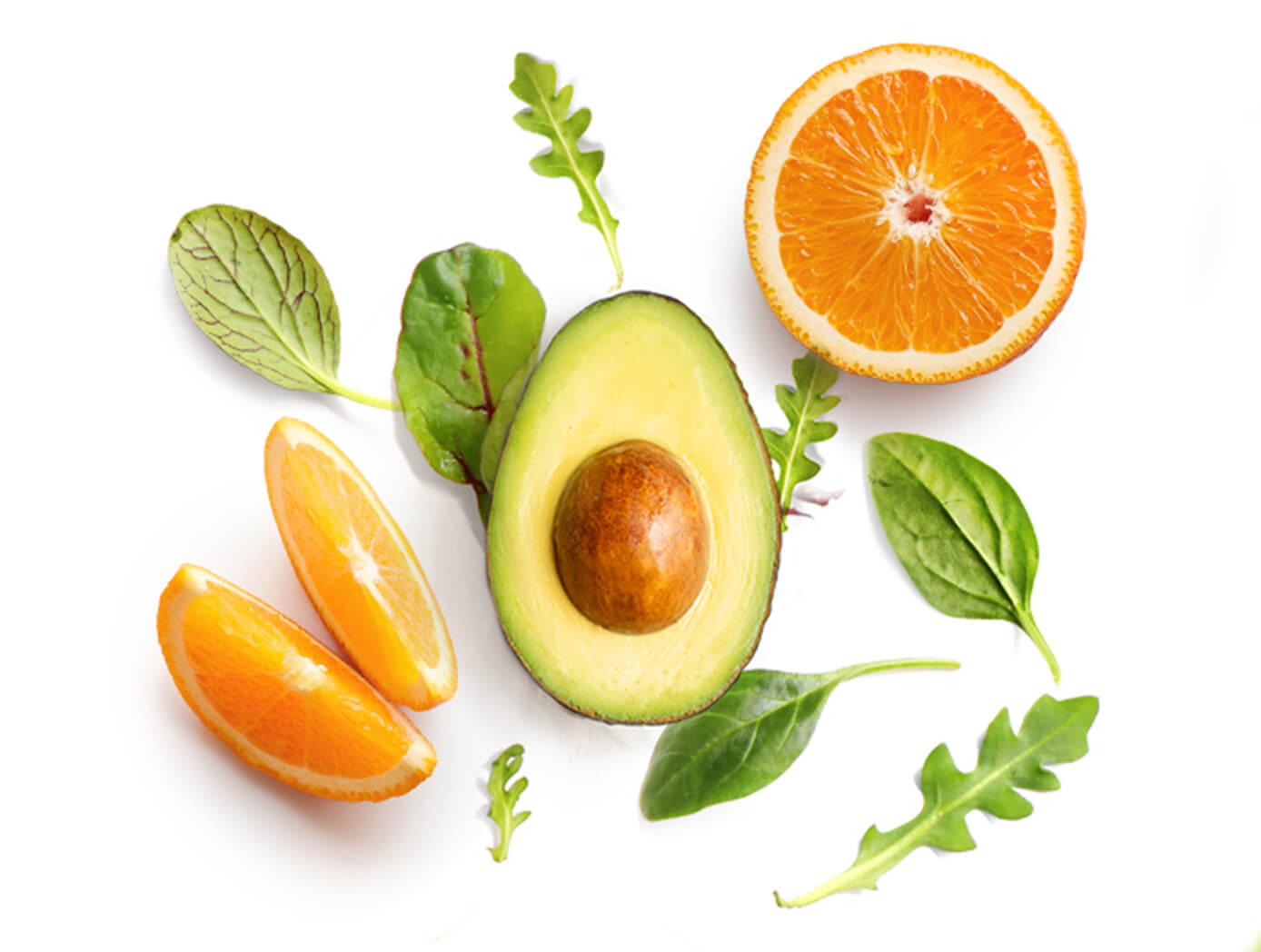
Fresh avocados are a good source of naturally occurring folate, an essential B vitamin that helps the body make new cells and DNA. A 50-gram serving of avocado, or about one-third of a medium avocado, provides 45 micrograms (mcg) of folate, or 10% of the Daily Value (DV).
Folate needs vary by age and life stage. Adults need 400 mcg DFE per day, while the recommended amount increases to 600 mcg DFE during pregnancy and 500 mcg DFE while breastfeeding.
Folate is especially important before and during pregnancy because it supports healthy fetal development. People who could become pregnant should consume 400 mcg of folic acid daily from fortified foods, supplements, or both, in addition to folate from a healthy eating pattern.
Avocados also provide other nutrients that can contribute to a healthy eating pattern. Per 50-gram serving, avocado provides 3 g fiber, 6 g of unsaturated fat, 250 mg of potassium, and 45 mcg of folate.
Folate is an essential B vitamin that supports new cell formation throughout life. It is especially important before and during pregnancy, when folate needs increase to support healthy fetal development. Fresh avocados are a good source of folate and can be a simple addition to healthy eating patterns at every life stage.
Folate and heart health
Folate matters at every life stage, and researchers have also looked at its role in cardiovascular health later in life. Much of this research has focused on folic acid supplementation in people who already have cardiovascular disease.
A meta-analysis of 12 randomized controlled trials with more than 47,000 cardiovascular patients found that those who received 2 mg per day or less of folic acid therapy had a reduced risk of stroke compared with those who did not receive folate therapy.
The mean age of patients was 59 to 69 years old. The folate therapy had no impact on all-cause or cardiovascular mortality or on risk of coronary heart disease. Findings like these apply to supplemental folic acid rather than to any single food, and a healthcare provider can help determine whether supplementation is appropriate for you.
Still, folate-containing foods are a simple part of a healthy eating pattern at any age. Avocados are a good source of folate, with 45 micrograms — 10% of the Daily Value — per 50-gram serving, or one-third of a medium avocado.

What is the difference between folate and folic acid?
Folate is a B vitamin naturally found in foods. Your body needs folate to make DNA and other genetic material and to help cells divide. Folic acid is a form of folate used in fortified foods and many dietary supplements. Both can help people meet their nutritional needs, but it is helpful to understand where each form is found.
Avocados are a good source of naturally occurring folate. One 50-gram serving, or one-third of a medium avocado, provides 45 micrograms of folate, or 10% of the Daily Value.
Not getting enough folate can lead to folate-deficiency anemia, a condition in which the body does not produce enough healthy red blood cells. People with certain health conditions, limited dietary intake or alcohol use disorder may be at greater risk of folate deficiency. A healthcare provider can help assess individual risk.
Why is folate important before and during pregnancy?
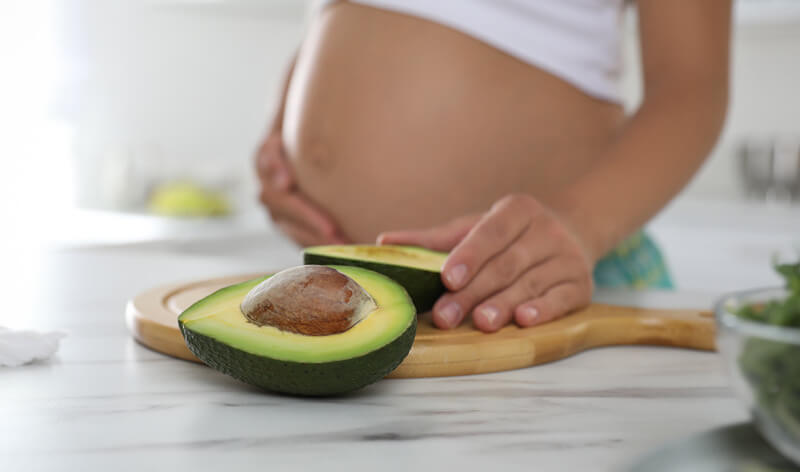
Folate is especially important before and during pregnancy. Pregnant women need folate to reduce developmental defects, such as spina bifida. Folate deficiency also increases the likelihood of having a premature or low-birth-weight baby.
Because the neural tube develops very early in pregnancy, meeting folic acid recommendations is important even before someone knows they are pregnant. Avocados are a good source of naturally occurring folate and can contribute to a healthy eating pattern before and during pregnancy.
How much folate should I have?
How much folate you need depends on your age and life stage. Recommended amounts are measured in micrograms (mcg) of dietary folate equivalents, or DFE. This measure is used because your body absorbs more folic acid from fortified foods and supplements than it does folate found naturally in foods — so you actually need less folic acid to reach the same amount. For example, 240 mcg of folic acid and 400 mcg of folate are both equal to 400 mcg DFE.

The National Institutes of Health recommends the following for folate intake:
Birth to 6 months
65 mcg DFE
Infants 7–12 months
80 mcg DFE
Children 1–3 years
150 mcg DFE
Children 4–8 years
200 mcg DFE
Children 9–13 years
300 mcg DFE
Teens 14–18 years
400 mcg DFE
Adults 19+ years
400 mcg DFE
Pregnant teens and women
600 mcg DFE
Breastfeeding teens and women
500 mcg DFE
Everyone who could become pregnant should also consume 400 mcg of folic acid daily from supplements, fortified foods or both, in addition to the folate they get from healthy eating.
Why consider avocados during pregnancy?
Folate is one reason avocados can fit into a healthy eating pattern before and during pregnancy. They also provide fiber, unsaturated fats, and other nutrients.
Per 50-gram serving, or one-third of a medium avocado, avocados provide a good source of folate and fiber, 6 grams of unsaturated fat and 250 milligrams of potassium.
What foods are good sources of folate?
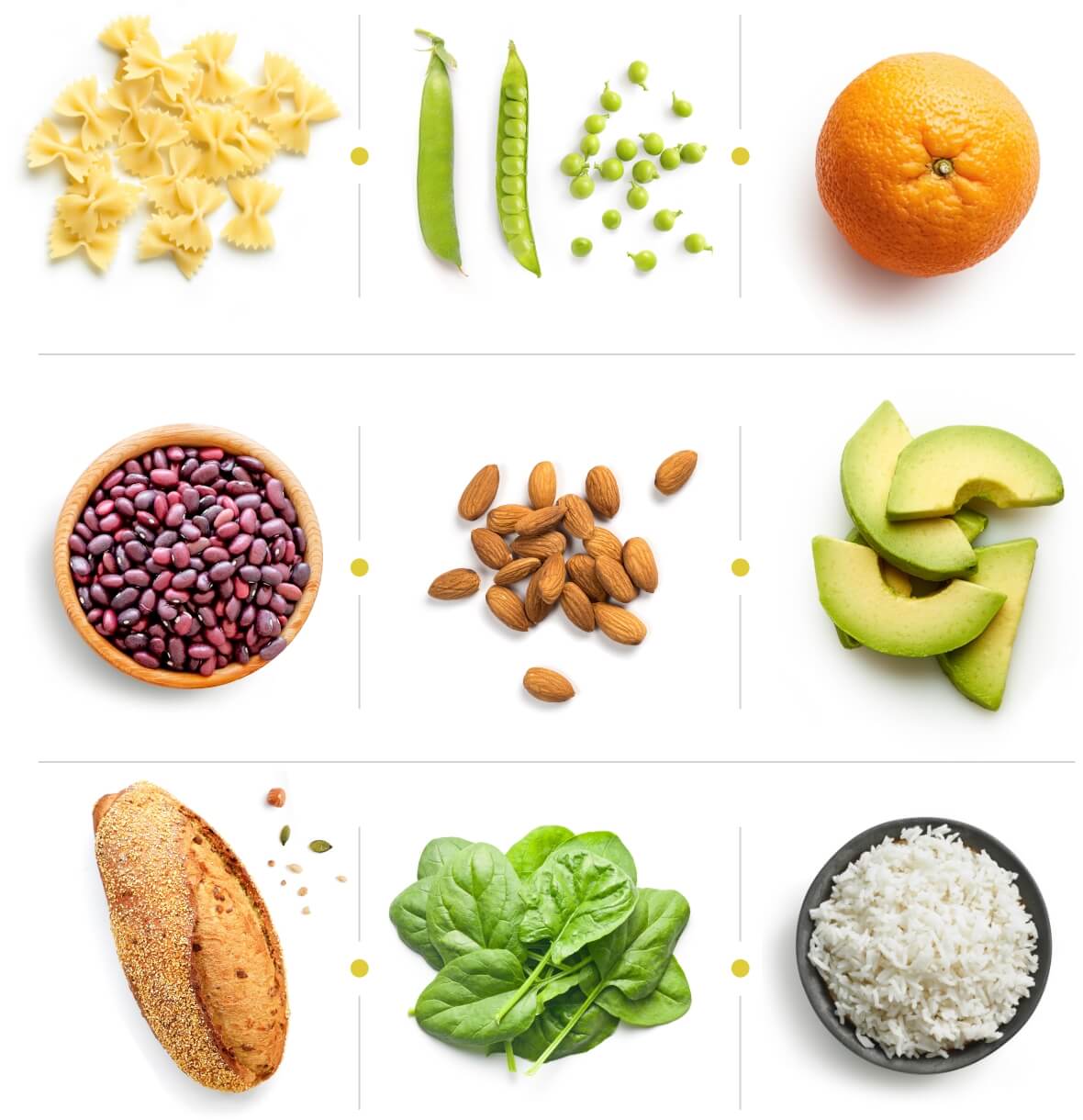
Foods that naturally provide folate
- Beef liver
- Vegetables such as asparagus, Brussels sprouts, and dark-green leafy vegetables
- Fruits such as avocados and oranges
- Nuts, beans, and peas
Foods that may be fortified with folic acid
- Enriched breads, flour, pasta, and rice
- Fortified breakfast cereals
- Fortified corn masa flour
With its mild flavor and creamy texture, avocado can be paired with other folate-containing foods, such as leafy greens, beans, lentils and enriched grains.
Do I need folate from foods, folic acid or both?
A healthy eating pattern that includes a variety of folate-containing foods can help people meet their overall nutrient needs.
However, people who could become pregnant should consume 400 micrograms of folic acid each day from fortified foods, dietary supplements or a combination of the two, in addition to the folate they get from a healthy eating pattern. During pregnancy, the recommended amount of total folate increases to 600 micrograms DFE per day. Talk with a healthcare provider about individual nutrition and supplement needs.
What does research say about avocados in maternal diets?
A research review published in Nutrients reports that maternal nutrition plays an important role in fetal growth, birth outcomes and the composition of certain nutrients in breast milk.
The review highlights avocados as a nutrient-dense food that provides folate, lutein, 6% of the DV for potassium, fiber, unsaturated fat and antioxidants.
Based on the review, avocados can be included as part of a healthy diet during the periconceptional period, pregnancy and lactation.
The Avocado Nutrition Center supported the research.
Easy avocado meals that provide a good source of folate
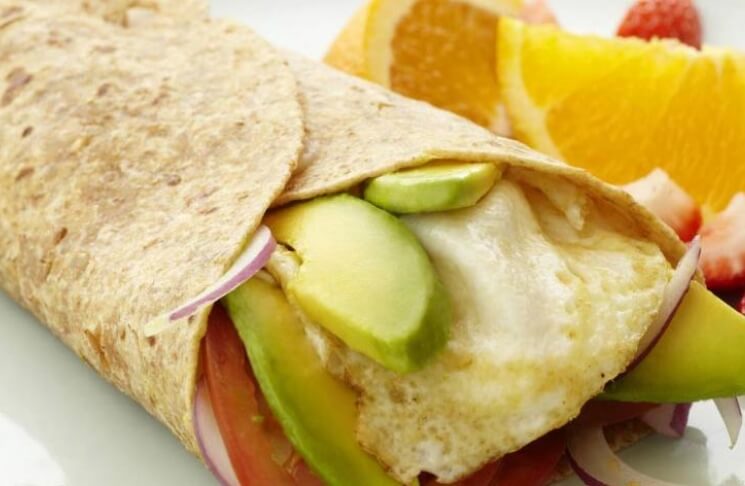
Avocado Egg White Breakfast Wrap
Start your day with avocado, egg whites and vegetables in an easy breakfast wrap. One serving provides 25% of your the daily value (DV) for folate.
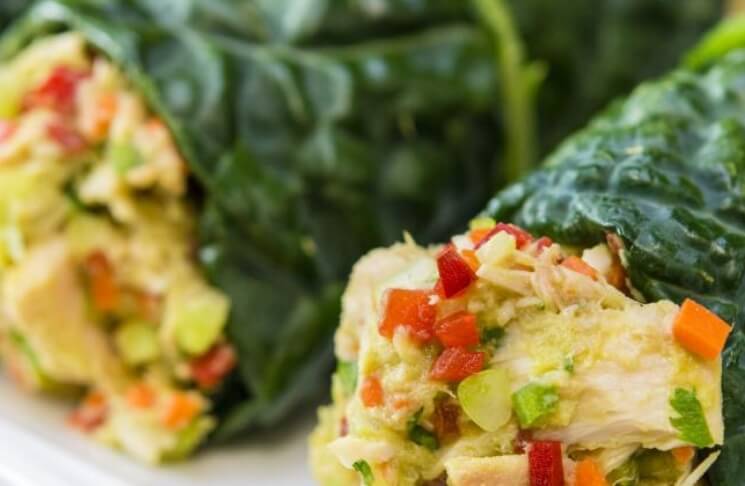
Kale Wrap with Avocado, Tuna, and Carrots
Pair avocado with dark leafy greens in this easy lunch. One serving provides 40% of the DV for folate.
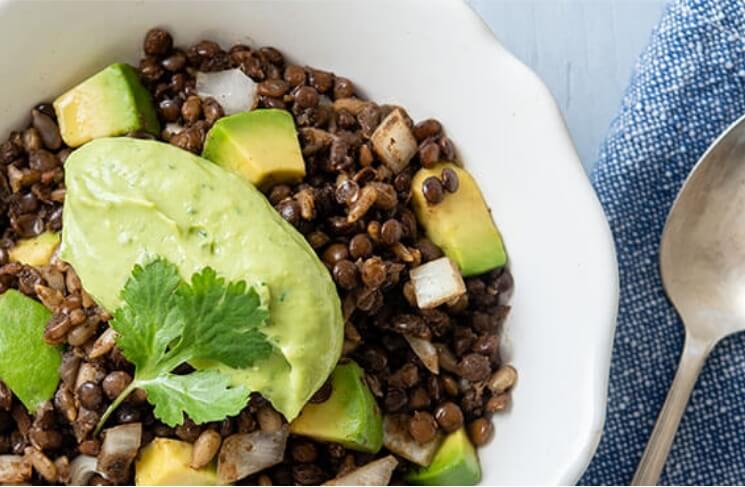
Spiced Lentil Bowl with Avocado
Combine two naturally folate-containing foods, lentils and avocado, in a flavorful meal the whole family can enjoy. One serving provides 80% of the DV for folate.
For more delicious avocado meal ideas for any meal or occasion, check out more recipes here.