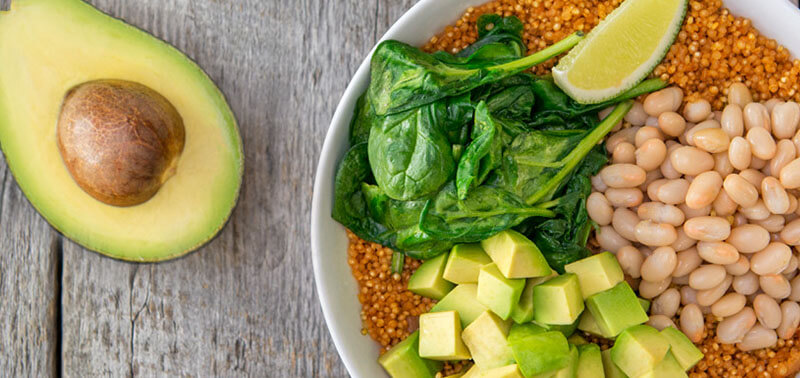
Gut Health Myths vs. Science:
What You Need to Know
Myth
Fact
You need a juice cleanse or detox tea to “reset” your gut.
Your liver and kidneys naturally remove toxins. Juice cleanses often rely on laxatives, which can disrupt gut bacteria rather than improve digestion.
Cutting out gluten automatically improves digestion.
Unless you have celiac disease or gluten sensitivity, whole grains with gluten provide fiber that supports gut bacteria and digestion.
Probiotics are the ultimate fix for gut health.
While probiotics can be beneficial, they are not a cure-all. A diverse microbiome requires fiber-rich foods, not just supplements.
More fermented foods always lead to a healthier gut.
Fermented foods provide beneficial bacteria, but too much can cause bloating and discomfort. Balance is key.
Apple cider vinegar improves digestion and gut health.
There is no substantial evidence supporting apple cider vinegar for gut health. Excessive intake can cause acid reflux and tooth enamel erosion.
Cutting out sugar completely solves gut issues.
Processed sugar can negatively impact gut bacteria, but natural sugars in fruit and whole foods do not have the same effect.
Collagen supplements strengthen the gut lining.
There is no conclusive research proving collagen directly benefits gut health. A nutrient-rich diet is more effective.
What Actually Supports Gut Health?

Foods With Fiber:
Avocados, whole grains, legumes, fruits, and vegetables provide prebiotic fiber that feeds beneficial gut bacteria.

Healthy fats:
Monounsaturated fats from avocados, nuts, and olive oil aid nutrient absorption and gut function.

Hydration & lifestyle:
Drinking water, managing stress, and getting quality sleep all contribute to a balanced gut microbiome.
Gut health isn’t about extreme diets or quick fixes—it’s about sustainable habits that nourish your microbiome.
Common Gut Health Myths and What Science Really Says
From detox teas to probiotic-packed supplements, gut health trends dominate the wellness space — but not all of them hold up to scientific scrutiny. With so much conflicting advice, it’s easy to get caught up in myths that promise quick fixes but fail to deliver tangible benefits.
The truth? A healthy gut isn’t about restrictive diets, trendy cleanses, or miracle supplements. It’s about balance and evidence-based habits that support your digestive system long-term. In this article, we’ll break down some of the most common gut health myths and uncover what science really says about maintaining a thriving microbiome.
Why Gut Health Misinformation Is Everywhere

How Fiber Benefits the Gut:
Gut health has become a hot topic in recent years, with countless products and diet trends claiming to “reset” digestion, eliminate toxins, or restore balance. Social media influencers, wellness brands, and even some health professionals contribute to the overwhelming amount of information, much of which is conflicting, exaggerated, or flat-out misleading.
One of the biggest reasons misinformation spreads is the oversimplification of gut health. The gut microbiome is complex, involving trillions of bacteria that interact with everything from diet to stress levels. Yet, many wellness trends reduce gut health to a single solution — cutting out gluten, taking a daily probiotic, or doing a juice cleanse.
Any method claiming to “fix” your gut health is likely only a small part of the solution.
Without understanding the science behind digestion, people often turn to quick-fix solutions that may not be necessary or even effective. That’s why you must rely on evidence-based nutrition rather than fads when making decisions about your gut health.
Gut Health Myths vs. Science – What You Need to Know
With so much conflicting advice about gut health, it’s easy to believe myths that promise quick fixes. Many popular trends, from detox teas to elimination diets, claim to improve digestion or “reset” the gut, but scientific evidence often tells a different story. Let’s look closely at some of the most common gut health myths and what research says.
Myth #1: You Need a Juice Cleanse or Detox Tea to “Reset” Your Gut
The Science: Your body already has built-in detoxification systems — your liver and kidneys work around the clock to remove waste and toxins efficiently. There is no scientific evidence that juice cleanses or detox teas improve gut health or eliminate toxins beyond what the body naturally does. In fact, many detox products contain laxatives, which can cause dehydration and disrupt gut bacteria.

Better Alternative: Instead of relying on cleanses, you can support your digestion with foods that provide fiber, like avocados, whole grains, and vegetables. Fiber can serve as a food source for gut bacteria and can help regulate your bowel movements. Both of which contribute to a balanced microbiome without extreme diets.
Myth #2: Cutting Out Gluten Automatically Improves Digestion
The Science: For most people, unless you have celiac disease or gluten sensitivity, there is often no need to remove gluten from your diet. Whole grains that contain gluten, like whole wheat, barley, and rye, provide dietary fiber, which nourishes good gut bacteria and supports regular digestion. Cutting out gluten unnecessarily can lead to fiber deficiencies and reduce the diversity of your gut microbiome.
Better Alternative: Instead of eliminating gluten, focus on consuming whole-food fiber sources like vegetables, legumes, and fruits like avocados. These provide prebiotic fiber, which helps feed the beneficial bacteria in your gut.
Myth #3: Probiotics Are the Ultimate Fix for Gut Health
The Science: While probiotics can be helpful in specific cases, such as after taking antibiotics, they are not a cure-all for gut health. Many commercial probiotic supplements contain only a few strains of bacteria, while a diverse microbiome requires a variety of beneficial bacteria from different foods. Prebiotic fiber (which nourishes existing gut bacteria) is just as crucial as probiotics.
Better Alternative: Instead of relying solely on probiotics, prioritize a fiber-rich diet with a variety of prebiotic foods, such as avocados, garlic, onions, and bananas. Including moderate amounts of fermented foods like yogurt and kimchi can also help maintain gut balance.
Myth #4: More Fermented Foods Always Lead to a Healthier Gut
The Science: While fermented foods contain probiotics that can benefit digestion, consuming them excessively may lead to bloating, gas, and digestive discomfort, especially for people with sensitive stomachs or conditions like IBS. The gut microbiome thrives on diversity, meaning a balance of different fiber-rich foods is just as important as probiotics.
Better Alternative: Instead of overloading on fermented foods, create a diet that strikes a balance with key micro and macro nutrients. The best way to do this is to prioritize eating whole foods like avocados, nuts, seeds, and vegetables. These can support overall gut health without causing digestive distress.
Myth #5: Apple Cider Vinegar Improves Digestion and Gut Health
The Science: Though apple cider vinegar can contribute to the health of your gut microbiome, drinking too much apple cider vinegar can lead to acid reflux, tooth enamel erosion, and stomach irritation.
Better Alternative: Rather than relying on vinegar for digestion, focus on eating a balanced diet rich in fiber, healthy fats, and water. Hydration and fiber intake play a much greater role in supporting digestion than acidic drinks.
Myth #6: Cutting Out Sugar Completely Solves Gut Issues
The Science: While excess added/refined sugar can negatively impact gut bacteria and contribute to inflammation, natural sugars found in fruits, dairy, and whole foods do not have the same harmful effects. Completely eliminating sugar, including naturally occurring sugars, can lead to unnecessary dietary restrictions and may deprive your body of essential nutrients.
Better Alternative: Instead of cutting out all sugar, simply avoid processed sugars as much as possible while still enjoying whole foods like fruits, whole grains, and avocados, which support a healthy gut.
Myth #7: Collagen Supplements Strengthen the Gut Lining
The Science: Collagen is a structural protein, but research on its direct impact on gut health is limited. While collagen supplements may support overall protein intake, no conclusive evidence exists that they specifically repair or strengthen the gut lining. A well-rounded diet with essential nutrients is far more effective at maintaining digestive health.
Better Alternative: Instead of relying on collagen supplements, consume whole foods that contain vitamins and minerals that support gut lining integrity. Vitamin C can support collagen synthesis, while zinc supports tissue repair. Monounsaturated fats help maintain gut structure by supporting cell membranes.
What Really Supports Gut Health?
Gut health isn’t about quick-fix detoxes or eliminating entire food groups — it’s about nourishing your microbiome with the proper nutrients and a balanced lifestyle. A thriving gut may benefit from adequate fiber intake, healthy fats, and sustainable habits that support digestion and microbial diversity.
Whole Foods With Fiber
Dietary fiber is an essential nutrient for digestive health. It plays a role in supporting bowel regularity and serves as a food source for certain gut bacteria. There are two main types of fiber, both of which contribute to digestive health:
- Soluble fiber dissolves in water and forms a type of gel that can slow digestion. As a result, your blood sugar won’t receive as high of a spike. Soluble fiber is also a form of prebiotic, as it serves as a source of food for beneficial bacteria in the gut.
- Insoluble fiber does not dissolve in water and bulks up the stool, which helps food move through the digestive tract and supports regularity.
Avocados provide both soluble and insoluble fiber. Just 50 g of avocado contains 3 g of fiber, 65% of which is insoluble, making it a convenient way to increase fiber intake. Incorporating fiber from various whole foods, such as fruits, vegetables, legumes, and whole grains, can help support overall gut health.
Healthy Fats
Healthy fats, mainly monounsaturated fats, may contribute to digestion and gut function by supporting nutrient absorption and cellular health. These fats are found in foods like avocados, nuts, seeds, and olive oil and are known for their potential role in maintaining overall well – being.
One of the key functions of dietary fat is aiding the absorption of fat-soluble vitamins (A, D, E, and K), which play essential roles in the body. Vitamin A supports the integrity of the intestinal lining; vitamin D influences the composition of gut microbiota (the community of bacteria within your gut microbiome); vitamin E acts as an antioxidant that may help protect gut cells from oxidative stress; and vitamin K is involved in cellular processes that support tissue health. Without adequate fat intake, your body may struggle to absorb these vital nutrients efficiently.
A Balanced Diet and Lifestyle
A healthy gut isn’t just about what you eat — your daily habits and lifestyle choices also shape it. Here’s what impacts your gut outside of your diet:
- Hydration: Water is essential for breaking down food, absorbing nutrients, and maintaining a healthy balance of gut bacteria.
- Stress management: Chronic stress may negatively affect digestion and gut bacteria. Mindfulness practices, exercise, and relaxation techniques can all be beneficial.
- Sleep quality: Poor sleep can lead to gut imbalances due to the close connection between the gut and brain. Aim for 7-9 hours of sleep per night.
Focus on mindful lifestyle habits to achieve a strong and balanced gut without needing temporary fixes or misleading health trends.
How Avocados Support a Healthy Gut
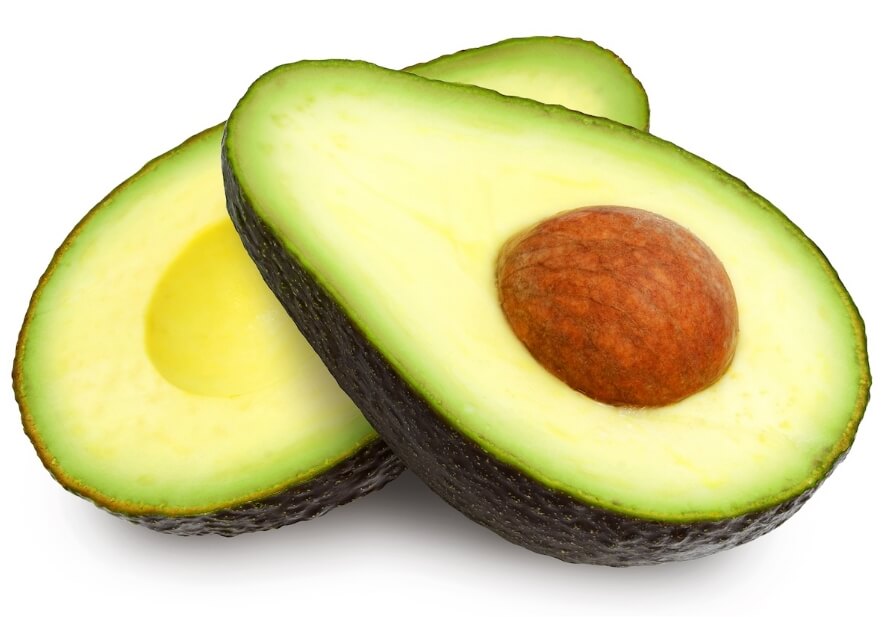
Avocados can support digestive health. A 50 g serving of avocado provides 3 g of fiber or 11% of the Daily Value (DV). Avocados contain soluble fiber, which supports stool consistency, and insoluble fiber, which helps food move efficiently through the digestive tract.
Approximately two-thirds, or 65%, of the fiber in avocados is insoluble.

A study evaluated the impact of daily avocado consumption for 6 months on gut microbiota in 230 adults with abdominal obesity. The avocado group showed higher gut microbiota diversity and significant increases in Faecalibacterium prausnitzii and Bacterium AF16_15 compared to controls. The Avocado Nutrition Center supported this study. Improvements were more pronounced in participants with lower baseline diet quality, highlighting avocados’ potential prebiotic benefits.
Avocados provide essential micronutrients linked to digestion, including 10% DV folate for cell growth and repair, 4% DV magnesium for muscle function in the intestines, and 6% DV potassium for fluid balance (all based on a 50 g serving). As part of a balanced diet, avocados are a simple, sustainable way to support gut health.
Supporting gut health doesn’t require extreme diets or trendy detoxes. It’s about nourishing your body with whole, fiber-rich foods and maintaining sustainable habits. A well-balanced diet that includes fiber, healthy fats, and essential nutrients can help promote digestive wellness without unnecessary restrictions.
Looking for delicious ways to support your gut health? Look deeper into Love One Today for science-backed nutrition tips, avocado recipes, and more!