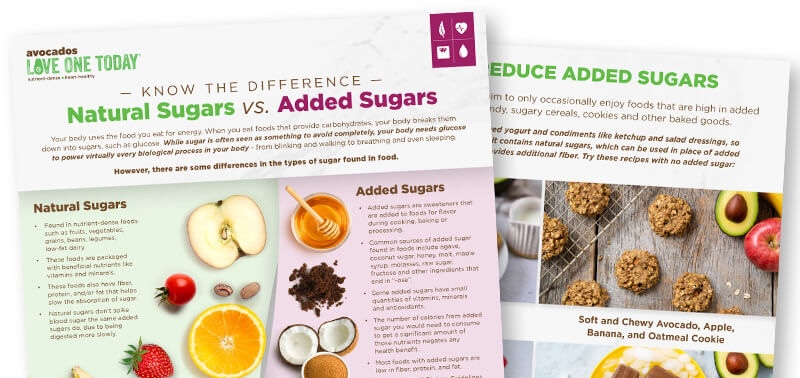
Key Takeaways:
Natural sugars occur in whole foods like fruit, vegetables, and dairy, where they are paired with fiber, vitamins, and minerals that slow digestion and support overall health. Added sugars, by contrast, are introduced during processing or preparation and increase calorie content without providing meaningful nutrients.
While both types of sugar are metabolized into glucose for energy, they affect the body differently. Natural sugars are absorbed more gradually, leading to steadier blood sugar levels, while added sugars are digested quickly and can contribute to spikes in blood sugar, increased hunger, and long-term health risks when consumed in excess.
Key Differences Between Natural and Added Sugars:
- Source: Natural sugars are found in whole, minimally processed foods; added sugars are found in packaged foods, desserts, and sweetened beverages.
- Nutritional Value: Foods with natural sugar contain fiber and essential nutrients, while added sugars provide calories with little to no nutritional benefit.
- Digestion and Absorption: Natural sugars digest more slowly due to fiber and other nutrients; added sugars are rapidly absorbed.
- Blood Sugar Impact: Natural sugars lead to a more gradual glycemic response, whereas added sugars are more likely to cause spikes and crashes.
To identify added sugars, check the Nutrition Facts label and the ingredient list for syrups, nectars, or ingredients ending in “-ose.”
Sugar consumption in America has been steadily rising for decades. Eating too much added sugar may cause tooth decay and weight gain and put you at higher risk for heart disease, diabetes and cognitive problems.. That’s why added sugars are included on Nutrition Facts labels and the USDA Dietary Guidelines suggest limiting it in your diet.
What about fruit? Is sugar from fruit bad for you and does it count toward your daily limit? In this article, we’ll dive deeper into the differences between added and natural sugars, how they impact you, and what foods can help you eat less added sugar.
Your body uses the food you eat for energy. When you eat foods that provide carbohydrates, your body breaks them down into sugars, such as glucose. While sugar is often seen as something to avoid completely, your body needs glucose to power virtually every biological process in your body – from blinking and walking to breathing and even sleeping.
However, there are some differences in the types of sugar found in food.
Added and Natural Sugars
Added sugars are sweeteners, including sugars and syrups, that are added to foods for flavor and texture. Added sugars increase the sugar and calorie content of foods. They’re found in candy, cookies, granola bars, cereal, flavored yogurt, soda, condiments, and many other packaged foods. Common sources of added sugar found in foods include agave, coconut sugar, malt, maple syrup, molasses, raw sugar, fructose and other ingredients that end in “-ose”.
Natural sugars refer to those that naturally occur in nutrient-dense foods, like fruit, vegetables, grains, beans, legumes and plain milk or yogurt.
-
1
Nutrient Density
Natural sugars are packaged with more beneficial nutrients than foods with added sugars. For example, milk contains calcium and fruit has vitamins, minerals, and fiber. -
2
Rate of Digestion
Foods with natural sugars tend to be digested more slowly due to the presence of fiber, protein, and/or fat. Most foods with added sugars are low in these nutrients. The more slowly food is digested, the longer it takes for sugar to be absorbed. -
3
Effect on Blood Sugar
All foods that contain sugar will raise blood sugar to some degree. This is known as the glycemic response. However, natural sugars don’t spike blood sugar the same way added sugars do, due to being digested more slowly.
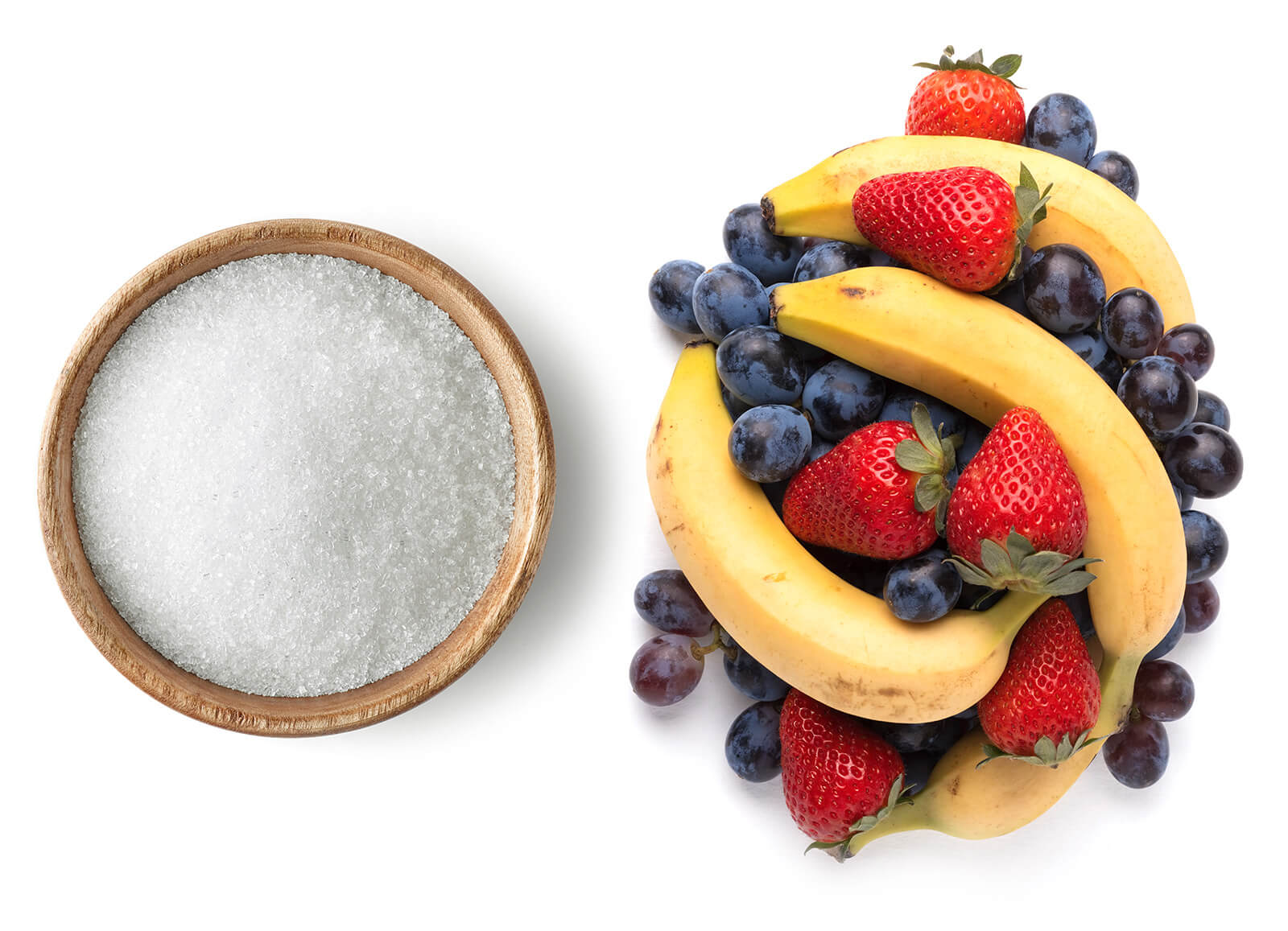
How to Tell if Food Has Added Sugars
Unfortunately, finding added sugars in food can take a little bit of digging. Many packaged foods contain sweeteners that are either unrecognizable or are labeled as “natural” to convince consumers to purchase the item. However, once you get in the habit of what to look for when looking for added sugars, you’ll be able to find foods that have little to no added sugar, thus benefiting your overall diet.
Check the Nutrition Facts Label
The Nutrition Facts label is one of the most reliable tools for identifying added sugars. Under “Total Sugars,” you’ll see a separate line for “Includes Xg Added Sugars,” which tells you exactly how much sugar was added during processing.
- Total Sugars = natural + added sugars combined
- Added Sugars = sugars added during manufacturing or preparation
This distinction helps you understand whether the sugar content is coming from whole food sources like fruit or from added ingredients.
Read the Ingredient List
Ingredients are listed in descending order by weight, so if a sugar source appears near the beginning, the product likely contains a significant amount. Added sugars can appear under many different names, including:
- High fructose corn syrup
- Cane sugar or evaporated cane juice
- Brown rice syrup
- Dextrose, fructose, glucose, maltose
- Maple syrup, molasses, agave
If you see multiple types of sugar listed, the product may still be high in added sugars — even if each one appears lower on the list.
Look for Hidden Sugars
Foods marketed as healthy — like granola bars, flavored yogurt, protein bars, and cereals —often contain added sugars to improve taste. Even products labeled “natural,” “organic,” or “low-fat” can include significant amounts of added sweeteners.
In addition, even though some sweeteners, like maple syrup, may occur naturally and are marketed as “natural” or “organic, the body still metabolizes them as any other added sugar. As such, it’s best to limit foods with these sweeteners in your diet as well.
Compare Similar Products
When possible, compare labels between similar items. For example, plain yogurt typically contains only natural sugars (lactose), while flavored versions often include added sugars. If you purchase the plain option, you can always add some fruit to sweeten up the taste instead of relying on added sugars.
By taking these few extra steps when grocery shopping or deciding what to eat for your next meal, you can have more control over your daily sugar intake.
If you’re cutting back on sugar, you may be wondering if you can still eat fruit because of its sugar content. Fruit contains natural sugar, as well as fiber, micronutrients, and antioxidants that support good health.
Fruit can help you reduce added sugar intake. The sugar content in fruit is typically much lower than many foods with added sugars, but the natural sweetness can still help satisfy a sweet tooth.
The fiber in fruit helps you feel full, supports digestive health, and prevents blood sugar spikes. Choose whole fruit, such as fresh, frozen, canned, or dried fruit, or 100% fruit juice. Whole fruits contain fiber and juices don’t.
PRO TIP: always check the facts label when considering fruit drinks to limit added sugar.

Avocados are a great fresh fruit option to help boost fiber intake.
Diets rich in healthy foods containing fiber, such as some vegetables and fruits, may reduce the risk of heart disease, obesity, and type 2 diabetes. Avocados are a good source of fiber with 3 grams per serving (1/3 of a medium avocado).
In fact, research suggests that avocado consumers have lower intake of added sugars than non-consumers. A study investigated the relationship between avocado consumption and diet quality, nutrient intake, and metabolic health in 17,567 US adults, using data from NHANES 2001–2008. Results showed that avocado consumers had higher intakes of vegetables, fruits, healthy fats, dietary fiber, vitamins E and K, magnesium, and potassium, and lower added sugar intake. They also exhibited lower body weight, BMI, waist circumference, and higher HDL cholesterol levels. The risk of metabolic syndrome was 50% lower in avocado consumers compared to non-consumers. The study is not causal and was supported by the Avocado Nutrition Center.
Most fruit contains natural sugars, which can be used
in place of added sugar to sweeten recipes.
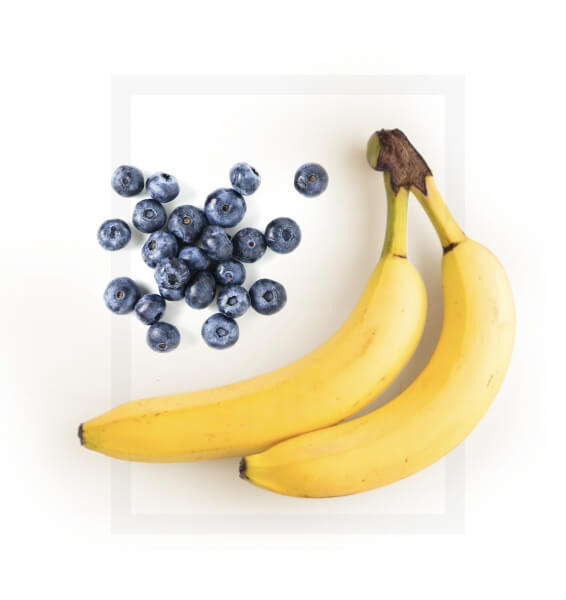
To add natural sweetness and delicious flavor to smoothies, try adding 1 cup of fresh or frozen berries or a medium banana.
PRO TIP: peeled and frozen bananas add a milkshake-like texture to smoothies.
Mashed bananas, canned fruit in juice, no sugar added applesauce, or dried fruit can also replace some or all of the sugar in many baked goods, including quick breads, muffins, cookies, and cakes.
For the best results and flavor for baking with fruit, try these tips:
- You can typically replace ½ cup to 1 cup of granulated sugar in a recipe with an equal amount of fruit.
- Puree or mash canned or very ripe fresh fruit before adding to recipes.
- If using bananas, choose very ripe ones with brown spots on the skins and mash them before adding to a batter.
- Soak figs, dates, or prunes in hot water for 5 to 10 minutes, then puree in a blender before adding to a batter.

Some fruits contain more natural sugar than others. If you need to limit sugar intake for blood sugar control, reach for avocados.
Unlike most other fruits, avocado contains zero grams of naturally occurring sugar per serving and does not affect the glycemic response. Plus, replacing solid fats and added sugars with avocado in a typical American diet may offer heart health benefits. In a randomized, double-blind, crossover feeding trial, 42 adults with elevated triglycerides followed two 3-week diets: one where a daily Hass avocado replaced solid fats and added sugars, and a matched control diet. The Avocado Nutrition Center funded the study and cannot be generalized to larger, more diverse populations. The avocado diet lowered non-HDL (“bad”) cholesterol, triglycerides, and the total-cholesterol-to-HDL ratio, supporting avocados as a heart-healthy choice in everyday meals.
The bottom line? About 80% of Americans do not eat enough fruit. Whole fruit is a nutritious part of a balanced diet. Reach for fruit to help satisfy sweet cravings. Avocados are a nutrient-dense fruit that can be eaten alone or added to snacks.
Try these recipes with no added sugar: