Type 2 Diabetes & Dietary Management
According to the American Diabetes Association, a variety of diets and meal plans can help you manage your diabetes. That is why it’s important to work with a registered dietitian (RD) or certified diabetes educator (CDE) to build a meal plan that is tailored to individual preferences and lifestyles and supports three key issues for managing diabetes:
- Healthy blood glucose, cholesterol and triglyceride levels
- Healthy blood pressure
- Healthy weight
Below are two different approaches that can help you use a healthy diet to manage blood glucose: glycemic index and carb counting.
Remember, healthy diabetes management through diet is all about finding the right balance that works for you.
1
Glycemic Index
The glycemic index (GI), measures how foods having equal amounts of carbs raise your blood glucose. Foods are ranked based on how they compare to either glucose or white bread (on a scale of 0-100).
Several considerations may allow for people with diabetes to enjoy a variety of foods:
Pair wisely
The GI of a food differs when eaten alone compared to when you combine foods. Add foods with protein, good fat and/or fiber to slow uptake of glucose into the body. Carbs can raise your blood sugar faster and higher than protein or fat.
Watch portions
The GI value helps you determine how a food affects your blood glucose but it says nothing about the amount of food typically eaten. Portion sizes are still relevant for managing blood glucose and for losing or maintaining weight.
Find the right mix
Food impacts everybody differently. Always work with a registered dietitian or diabetes educator to develop a plan that’s good for you.
Unlike most other fruits, a serving of avocado contains zero grams of naturally occurring sugar and does not affect the glycemic response. Avocados do not have a glycemic index or glycemic load value.
2
Counting Carbs
Carb counting supports flexible meal planning and may help manage blood glucose levels – especially when insulin is taken two or more times a day.
Here’s how to do it:
Know the serving size.
All nutrients are listed per serving on a food label. This allows you to multiple or divide to find out how many carbohydrates (and other nutrients) you are actually eating. A serving is not a guideline or recommendation. Read more about dietary guidelines.
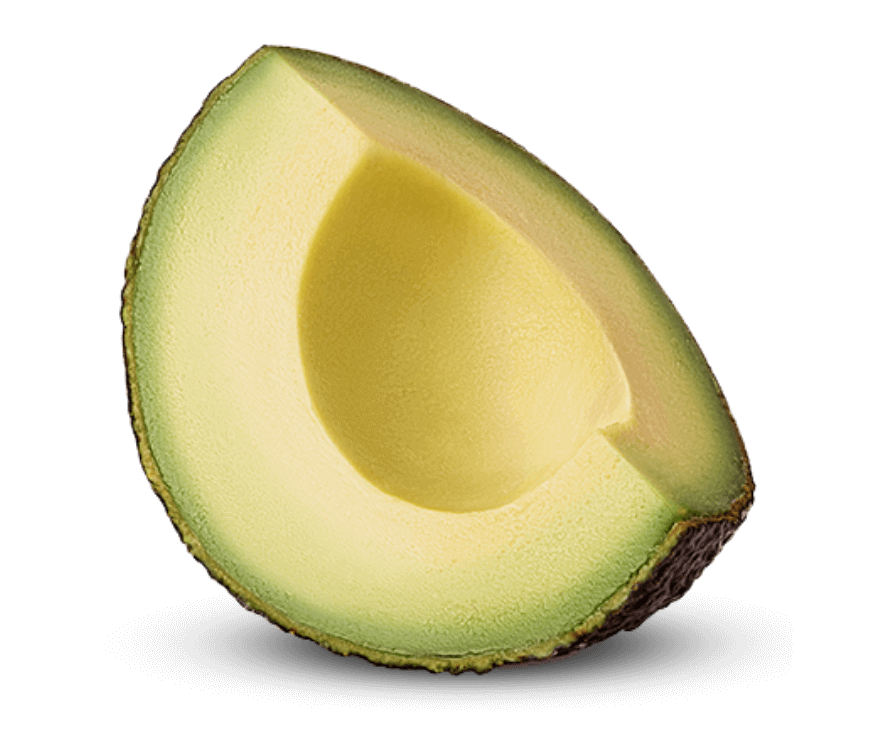
One serving of avocado = 1/3 medium avocado (50g). If you plan to consume two servings, multiply all the numbers on the label times two.

Look at total carbs.
On the label, total carbs include added sugars and dietary fiber which are listed separately to provide more information about the nutrition of the foods you are eating.
One serving of avocado = 4 grams of total carbs, including 3 grams of fiber and 0 grams of sugar.

Add it up throughout the day.
Find the right balance of carbs, calories and portions that will satisfy you. This can take time and may also change as other factors in your life change.
Read more about avocados and carbohydrates.