It’s only natural to have lingering “baby weight” after having a baby. According to the National Library of Medicine, the weight you gain during pregnancy supports your and the fetus’ health.
Everyone has a different experience with weight gain during pregnancy and losing it afterward, especially considering the various choices you can make as a mother that may impact your overall well-being. For example, if you breastfeed, you may lose weight faster than if you don’t, but you may have an increased risk of developing nutritional deficiencies, affecting weight loss efforts.
Many women struggle with weight management after giving birth. According to a 2016 study, nearly 40% of surveyed women had an overweight or obese BMI a year after pregnancy, despite having a normal BMI before getting pregnant. There are many reasons why losing weight after pregnancy can be such a struggle. For example, you may not have the time to make nutritious meals because you’re busy caring for your newborn, or you may not have the energy to work out every day because of sleepless nights while breastfeeding. No matter your situation, you don’t need to uproot your life to prioritize your health. It can start with simple steps like adding avocados to a quick smoothie in the morning, or going for a pleasant walk with your newborn in between breastfeedings. These small steps can add up with time and help you manage your weight.
If you are a postpartum or breastfeeding mother, this guide will help you maintain your nutrition needs, manage your weight, and prioritize your health.
Postpartum Nutritional Needs
Postpartum nutrition is just as important as your nutrition during pregnancy. A 2018 study found that pregnant women who do not eat enough calories, fiber, and nutrients may develop nutrient deficiencies after giving birth. This study found that women needed the following nutrients the most and were often deficient in them:

Vitamin D helps with calcium absorption, playing a crucial role in bone health. This is especially important after childbirth to support bone health for both you and your breastfeeding infant. It also supports immune function, aiding in your recovery postpartum.
Iron is critical for producing hemoglobin, the protein in red blood cells that carries oxygen throughout the body. It supports energy metabolism, as well as immune and cognitive function.
If you are already low in folate, you may become even more deficient while breastfeeding. This vitamin is essential for tissue and cell repair, which may be especially necessary after a Cesarean birth. In addition, low folate levels can increase your risk of developing depression.
Vitamin E is primarily responsible for boosting your immune system. Suppose you have multiple children exposed to viruses more than you, or you have multiple nutritional deficiencies that may affect your immune system. In that case, focusing on boosting your vitamin E levels is imperative.
Since Vitamin C is essential in forming collagen and tissue repair, it can be especially helpful in preventing infection after giving birth.
Including these vitamins in your diet or supplementing them can benefit your health. In addition, if you include fiber as well, you’ll find that managing weight will be a lot easier!
The Role of Nutrient-Dense Foods in a Postpartum Diet
It’s essential to choose nutrient-dense foods to support a higher intake of nutrients than usual after having a baby. Nutrient-dense foods include more vitamins, minerals, and other substances that may have positive health benefits, with relatively few calories. For example, one serving of nutrient-dense avocado is only 80 calories and includes the following nutrients that can benefit a postpartum lifestyle:
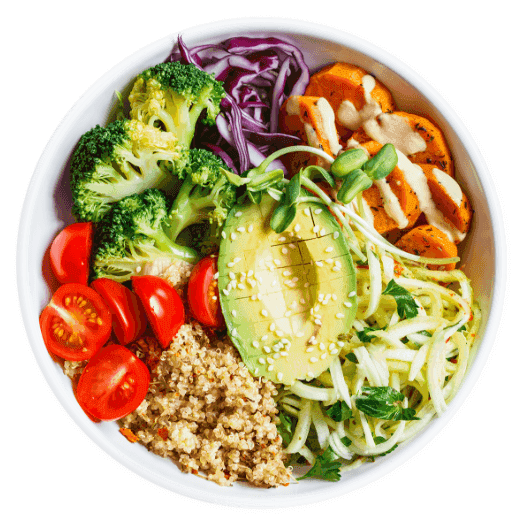
One serving includes 10% of the Daily Value of folate, which helps replenish cells and tissue that may have been damaged during birth and prevents depressive symptoms.
One serving contains 3 g of fiber, which is essential for digestion, regulating the digestive system, and aiding in weight loss.
Also known as healthy fats, monounsaturated fats can help manage cholesterol levels, which may be essential if you’re looking to lower bad cholesterol levels following a gestational diabetes diagnosis. One serving of avocado has 5 g of monounsaturated fats.
One serving of an avocado has 4 mg of vitamin C, boosting your skin and bone health.
One serving of an avocado contains 1 mg of vitamin E, which can keep your immune system in check and help you fight off harmful bacteria and viruses.
By eating more foods with these nutrients, you’ll benefit your health in numerous ways without wasting calories on foods that may not include these nutrients.
Essential Nutrients for Breastfeeding Mothers
As a breastfeeding mother, managing your nutrition is even more paramount, as anything you consume will pass on to your baby. As a result, any nutritional deficiency you have may affect your health and your baby’s development. While it may be easier to lose weight while breastfeeding in comparison to bottle feeding, you still need to prioritize incorporating the following nutrients into your diet, according to the CDC:
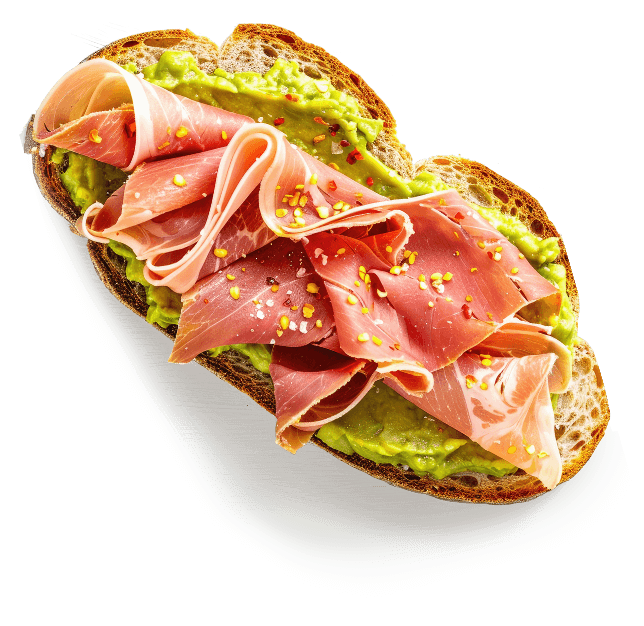
If you don’t regularly consume animal products, such as poultry, dairy, pork, or beef, you may have difficulty adding vitamin B12 into your diet, which is responsible for cell metabolism and nerve function.
Omega-3 fatty acids, particularly DHA (docosahexaenoic acid), are critical for infant brain and eye development. These fats also support your mental health, reducing the risk of postpartum depression. The National Institute of Health recommends that you eat at least 8 ounces of low-mercury seafood per week and foods with omega-3 fats, like salmon, herring, or sardines, to maintain your health.
Since breastfeeding takes up a lot of energy, and subsequently calories, you need plenty to keep your body functioning. According to the CDC, you need 1,600 to 2,800 more calories a day while breastfeeding, depending on your activity level.
Iodine supports thyroid function and is essential for the infant’s brain development. Adequate iodine intake during breastfeeding helps ensure the infant receives enough of this critical nutrient. Foods that contain iodine include seafood, certain dairy products, and even bread!
Choline supports infant brain development and plays a role in liver function and DNA synthesis. You need a higher choline intake while breastfeeding to support your and your infants’ health. Common sources of choline come from animal-based products like certain cuts of beef, eggs, and also, soybeans.
Zinc is crucial for immune function, cell division, and wound healing. Adequate zinc intake is essential to support your overall immunity and recovery after childbirth while benefiting your infant’s growth and immune health. You can find zinc in foods like seafood, beef, and certain fortified cereals.
In addition, it’s essential to maintain adequate hydration and avoid caffeine and alcohol, which may affect your baby through breast milk.
The Role of Nutrient-Dense Foods in a Breastfeeding Diet
Similar to the importance of nutrient-dense foods in a postpartum diet, finding nutrient-dense foods is equally, if not more, important when you’re breastfeeding. Since breastfeeding takes a lot of energy, you need to find foods that can keep your energy up, take less energy to make, and have enough nutrients to sustain your body and your baby. A serving of nutrient-dense avocados, for example, can help meet your nutritional needs in the following ways:
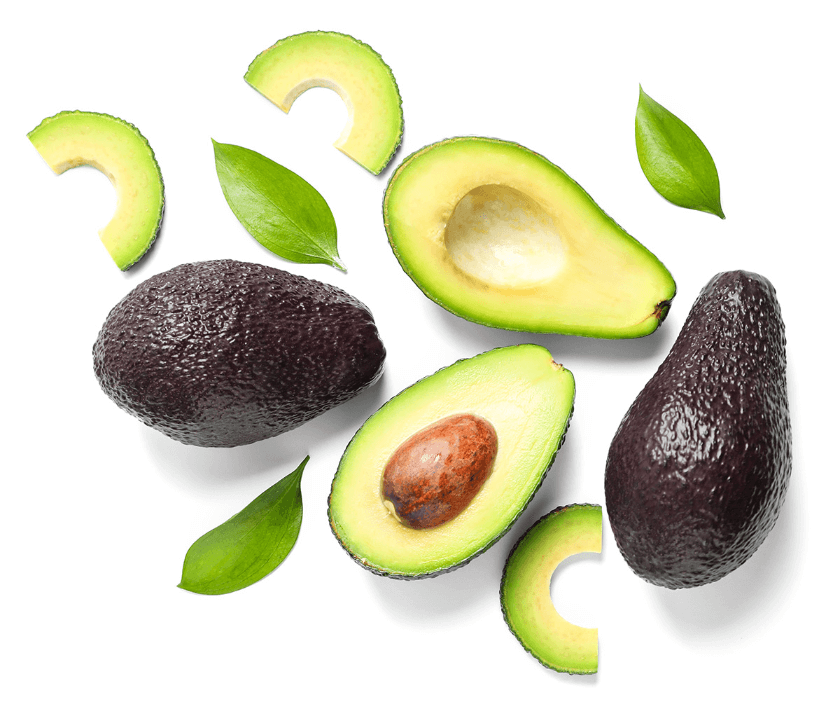
Avocados have a high water content; 80% of the fruit is water, so they can help keep you hydrated while breastfeeding. Proper hydration is key for both milk production and metabolic efficiency. Avocados also contain 250 mg of potassium, which can help reduce bloating by balancing fluid retention, a common concern in postpartum that can sometimes mask gradual weight loss.
Avocados provide essential B vitamins, including 0.1 mg of vitamin B6 and 45 mcg DFE of folate per serving, which are essential for energy metabolism, brain function, and overall cellular health. These nutrients help maintain energy, reduce the likelihood of emotional eating, and help you stick to balanced eating habits.
The 3 g of fiber in an avocado serving also helps with appetite control and supports weight management by promoting fullness after meals. This can help you avoid frequent snacking and reduce the likelihood of consuming processed foods that won’t aid your weight management efforts.
Avocados have 5 g of monounsaturated fats per serving, which can provide long-lasting energy, which is crucial when you need sustained fuel throughout the day. These healthy fats make you feel fuller, so you’ll feel less inclined to eat less nutrient-dense foods.
A single serving of avocado provides 80 calories, 5 g of healthy fats, 3 g of fiber, and nearly 20 essential vitamins and minerals. Their caloric density helps you maintain energy while providing necessary fiber, hydration, healthy fats, and B vitamins.
By eating more nutrient-dense foods, you’re more likely to feel better, giving you the energy to care for yourself and your baby!
Weight Management Tips for New Moms
It can be challenging to meet your body’s nutritional needs when you’re breastfeeding or recovering from birth while simultaneously meeting your weight management goals. While there are various recommended strategies, you must talk to your health provider first. They’ll be able to provide you with healthy suggestions and goals, such as the BMI you should strive for or what cholesterol levels to maintain. This will help you prioritize your and your baby’s health while you manage your weight.

Balanced Diet vs Dieting
While a caloric deficit is a generally accepted tactic for losing weight, you need a more nuanced approach to your diet to stay healthy as a new mom. If you restrict your calories so much that it affects your overall nutritional goals, you may start to see adverse effects, such as lower milk production and less energy, and your baby may not be able to meet development goals.
Focusing on your nutritional intake is a healthier way to manage your weight. This includes adding more nutritionally dense foods to your diet and avoiding processed foods that contain added sugar and saturated fats that can raise your cholesterol levels. Keeping these nutritional tenets in mind can help you avoid a scarcity mindset, which may lead to overindulging in processed foods and curtailing your weight loss efforts.
Incorporating Movement
In addition to focusing on your diet, including movement and exercise in your daily routine is essential to building lean muscle mass, burning calories, and boosting cardiovascular health. Notably, exercise can also help you prevent the development of postpartum depression, a mental health disorder that affects up to 20% of new mothers.
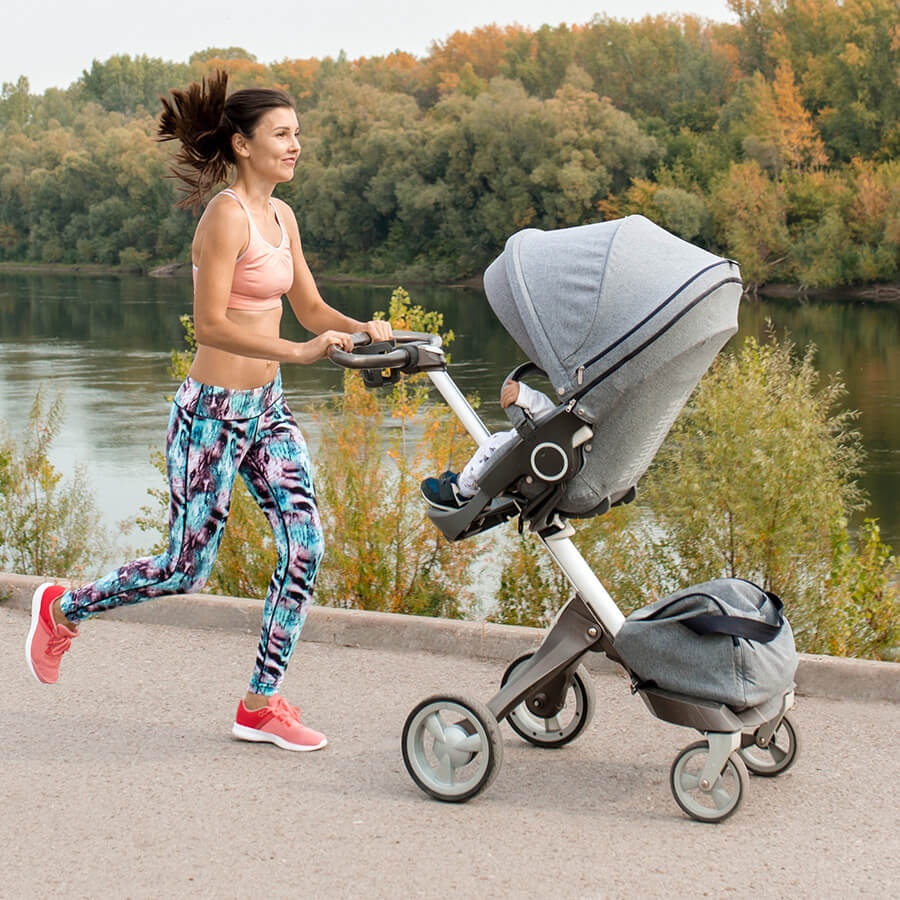
Despite the benefits, incorporating movement into your routine as a new mom can be difficult, especially if your routine orients itself around your baby. For example, you can do some light stretches in another room while your baby naps or walk with your baby in a stroller so you can enjoy some outside time while you get some steps in.
Adding a post-workout protein snack into your exercise routine will make you feel refreshed and rejuvenated!
How To Manage Your Weight With a Hectic Schedule
Sticking to a nutritious diet can be challenging with the demands of a new baby, but these time-saving tips can help you consistently prepare healthy, nutrient-dense meals:
Plan simple meals ahead
Each week, plan your meals ahead of time, focusing on recipes with minimal prep time and fewer ingredients.
Meal prep stable ingredients
If you plan on using the same ingredient in multiple meals, such as brown rice, roasted vegetables, or a source of protein, prepare a week’s or a few days’ worth in advance. When you’re ready for a meal, you’ll only need to reheat the ingredients! When meal-prepping these ingredients, ensure you’re storing them correctly for food safety standards. For example, if you plan on using avocados for several of your meals, buy them at different stages of ripeness so you can have a ripe, fresh avocado for each meal.
Use pre-cut or frozen produce
Pre-cut, washed, and frozen fruits and vegetables are convenient, time-saving options that don’t compromise on nutrition. Keep a variety of frozen veggies, leafy greens, and fruits on hand to snack on, or quickly add to meals, smoothies, or stir-fries without the need for chopping and cleaning.
Make slow cooker or Instant Pot® recipes
These kitchen tools can save you time. All you need to do is toss your ingredients in.
When in doubt, always look for easy-to-make recipes and bookmark any effortless, tasty, and nutritious ones you want to return to.
Incorporating Nutrient-Dense Foods Into Your Diet
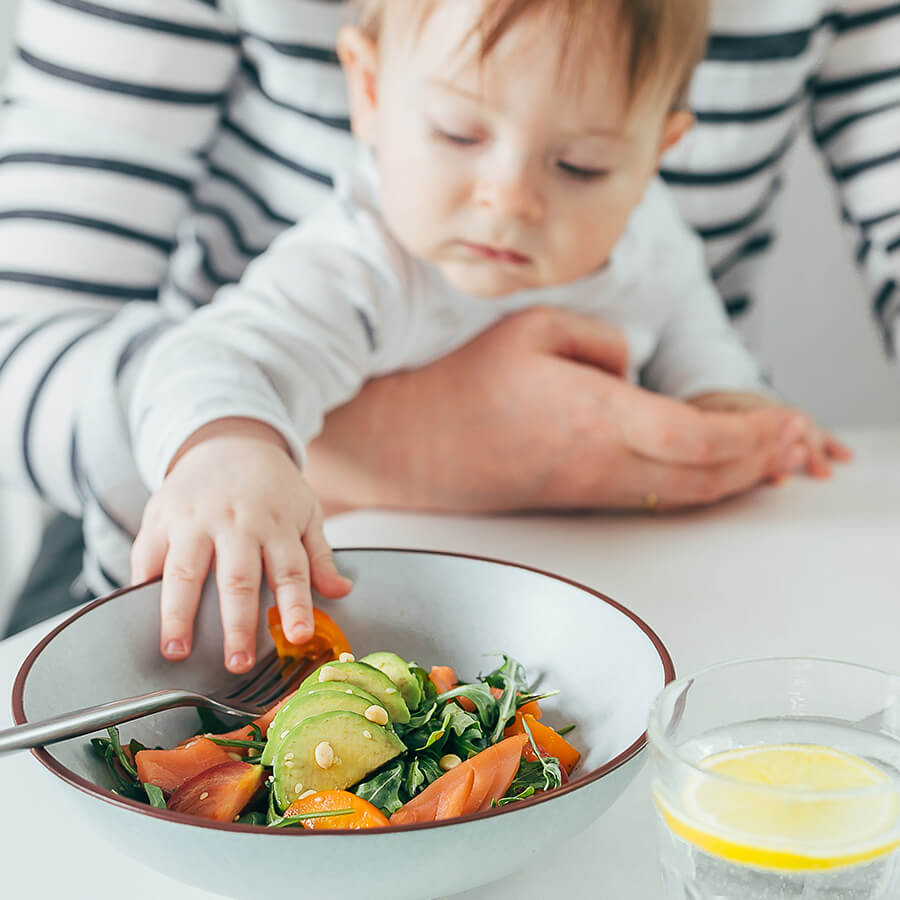
As a new mom wanting to manage your weight and maintain good nutrition, everything in your diet matters, so picking only the best ingredients with plenty of nutrients to help you stay healthy is essential. Luckily, avocados are not only delicious, they can be a great asset in your diet, as they are easy to prepare, and you can use them in nearly every meal of the day.
For example, you can quickly spread some avocado on multigrain toast in the morning or toss it in a smoothie to reap the nutritional benefits.
Finding ways to incorporate easy-to-prepare, nutrient-dense foods like avocados into your diet, can help you manage your diet and your weight, while also enjoying the smooth, buttery flavor!
Easy and Nutritional Meals for Busy New Moms
To make your life easier as a new mom, we’ve compiled a list of recipes that are easy to make and provide essential nutrients for postpartum recovery and breastfeeding. Plus, the whole family will enjoy them too!
Breakfast Ideas for Postpartum and Breastfeeding Moms
Breakfast is arguably the most important meal of the day, especially when you’re a new mom. Integrating a nutritious meal at the start of the day can motivate you to prioritize your health for the rest of the day. Take a look at a few of these recipes to set your day right:

Avocado and Egg Breakfast Sandwich →
This simple recipe has a whopping 29 g of protein, 11 g of monounsaturated fats, and 7 g of fiber per serving with no added sugars.
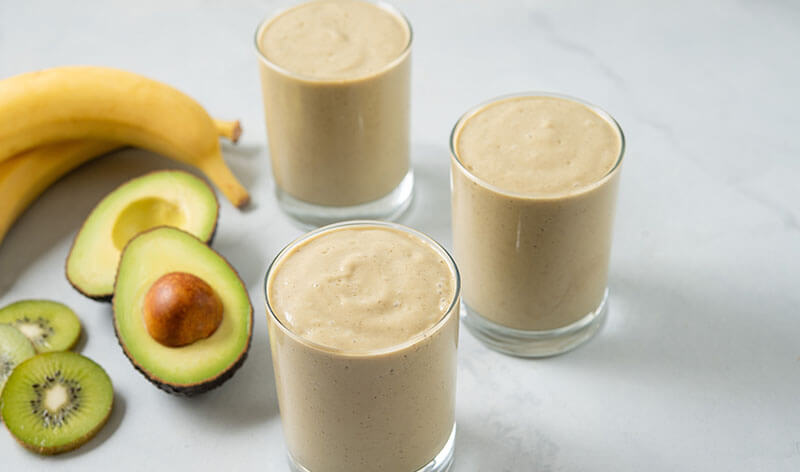
If you’re having a hectic morning, a quick smoothie is a great way to mix in fresh ingredients without sitting down and eating breakfast. This smoothie includes bananas, avocados, kiwi, and soy milk, amounting to 6 g of fiber, 60% DV of B12, and 5 g of monounsaturated fats.
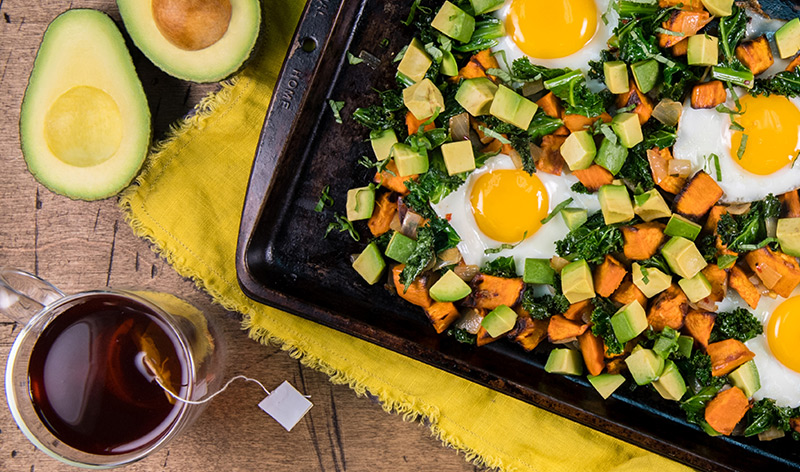
Heart-Healthy Sheet Pan Breakfast with Avocados →
With sweet potatoes, eggs, avocados, and kale, it provides 60% of the DV of vitamin C, 6 g of fiber, and 30% DV of choline, essential when you’re breastfeeding.
When looking for breakfast recipes, look for easy ones that take little time. This way, you can easily plan the rest of your day.
Lunch Ideas for Postpartum and Breastfeeding Moms
Lunch can be another opportunity to improve the nutritional quality of your diet. Try these lunch ideas:
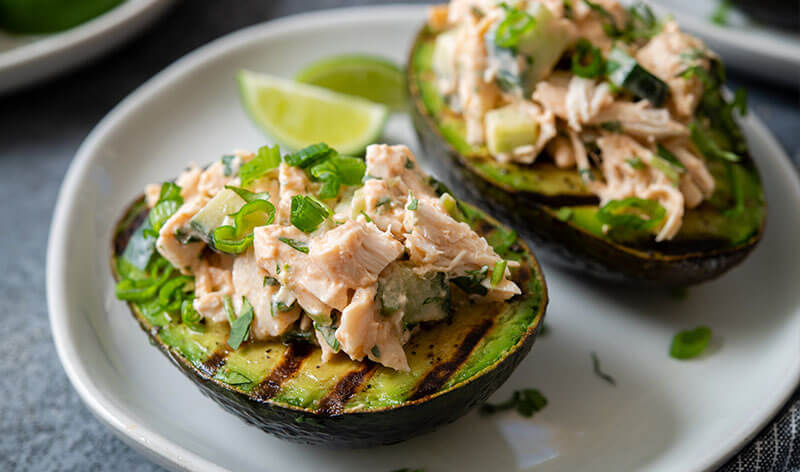
Grilled Avocados with Spicy Chicken Salad →
This simple recipe only takes 30 minutes to make and offers 9 g of fiber, 12 g of protein, and 16 g of monounsaturated fats per serving. To make preparation even easier, skip the grilling process. This recipe will be just as yummy with fresh, uncooked avocados, but it may have less of a smokey flavor.

Heart-Healthy Turkey Avocado Lettuce “Tacos” →
This recipe is a low-carb version of tacos or wraps, with only 4% DV of carbohydrates and 6 g of monounsaturated fats.
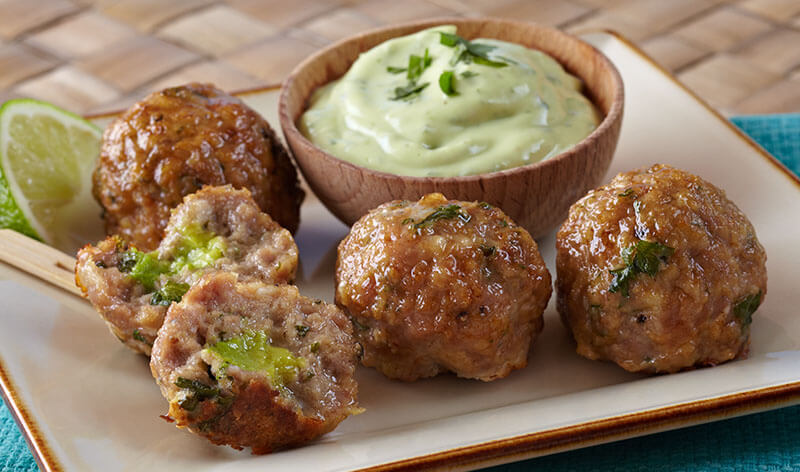
Avocado Stuffed Turkey Albóndigas with Creamy Avocado Dip →
This recipe offers 28 g of protein, potentially filling you up until dinner. It also has 60% DV of vitamin B12, which can help if you have a vitamin B deficiency, which is typical in postpartum.
You may get swamped with activities with your little one during the day, but ensuring you get a nutritious lunch may help you keep your energy up, no matter what comes your way!
Dinner Ideas for Postpartum and Breastfeeding Moms
Even if you feel too exhausted to patch up dinner, these recipes are great to make beforehand, so you won’t have to put too much effort into cooking every day:

This recipe comes together easily and provides up to six servings — perfect for any small family that wants leftovers. Each serving has 5 g of protein and 14 g of unsaturated fats, keeping you satiated.
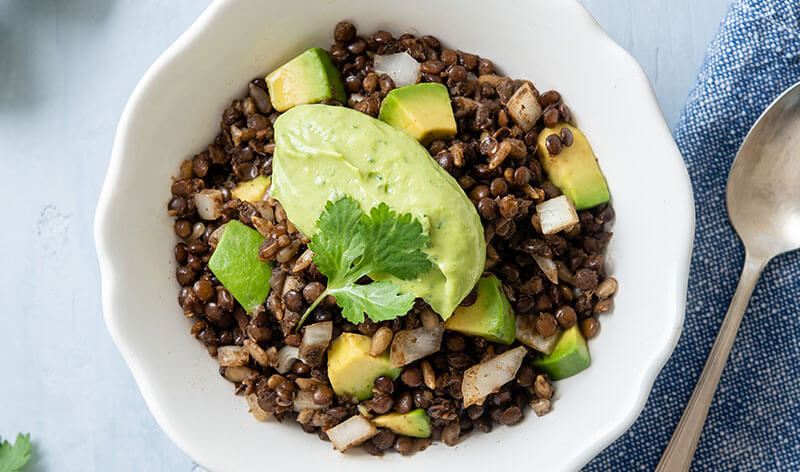
Instant Pot® Sunny Spiced Lentil Bowl with Avocado Lime Crema →
You can make this recipe in under 30 minutes by simply tossing ingredients in your Instant Pot® while you prepare the crema. You can serve this recipe with quinoa, a salad, or even in tacos or burritos. Each serving contains 980 mcg of potassium, 340 mcg of folate, 13 g of fiber, and 19 g of protein — keeping you full while maintaining your nutritional needs.
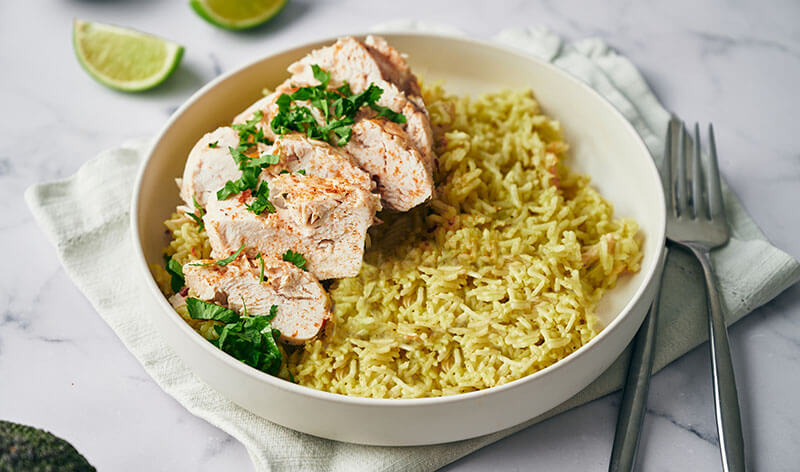
Creamy Avocado Lime Rice with Chicken →
This recipe only includes 10 ingredients! You can also use your Instant Pot® for this recipe, making it even faster to prepare. It contributes over 32 g of protein, 4 g of fiber, and 60% of your DV of vitamin B6 per serving, helping meet your nutritional goals.
With fast dinners, you can spend less time cooking, and more time with your little one and resting.
Snack Ideas for Postpartum and Breastfeeding Moms
Snacks are a great option if you’re looking for something to energize you in between meals. Snacks are also an excellent opportunity to add critical vitamins, minerals, protein, and fiber to your diet to meet your goals. Here are a few of suggestions that can help:

Deconstructed Avocado Egg Salad →
This easy egg salad relies on avocados as the main fat source instead of mayo, substituting the saturated fats in this classic recipe, with 8.5 g of healthy fats. In addition, this snack has 30% of the DV of choline, which is an essential nutrient you need while breastfeeding.
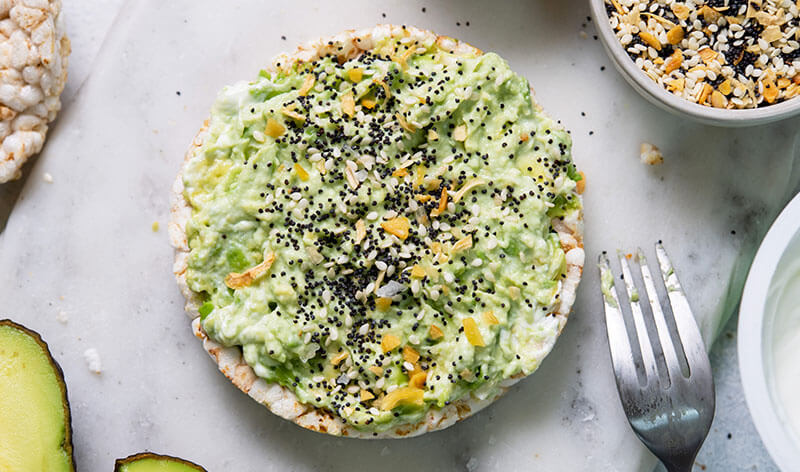
This is arguably one of the easiest recipes, as all you have to do is mash avocado with yogurt and spread it on a rice cracker. Still, it provides 3 g of fiber, 4 g of monounsaturated fats, and 2 g of protein, which can help keep you full until your next meal.
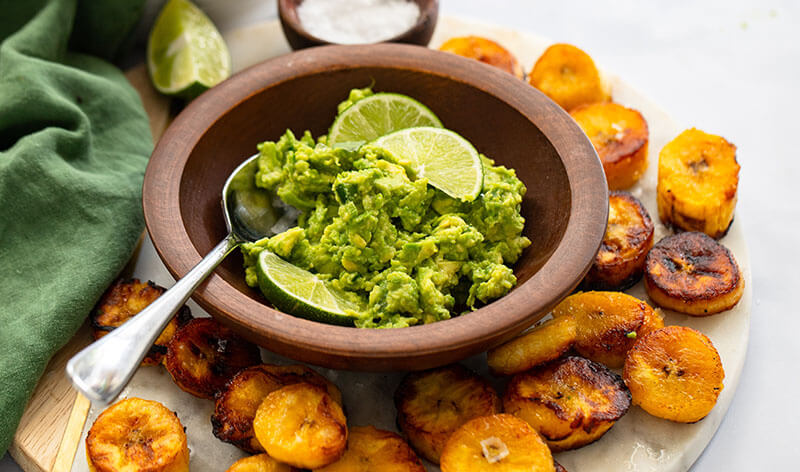
Crispy Plantains with Spicy Citrus Guacamole →
If you love to snack on chips, plantains can be just as delicious but a more nutritious alternative, as this recipe provides 4 g of fiber.
Balancing motherhood, postpartum recovery, breastfeeding, nutrition, and weight may feel overwhelming. You aren’t alone. However, by focusing on your health now, you’ll be able to power through this transition in your life, making it all the better to enjoy.
Nutritional Resources for Postpartum and Breastfeeding Parents
At many times throughout motherhood, you’ll need to seek professional help for your nutritional needs, your health, and your baby’s well-being. Here are some resources that may come in handy:
Women, Infants, and Children (WIC) Program
Managed by the U.S. Department of Agriculture (USDA), this program provides federal grants to states for supplemental food, health care referrals, and nutrition education to low-income pregnant, postpartum, and breastfeeding women, as well as infants and children.
USDA Nutrition Programs and Resources
The USDA offers a range of nutrition-focused programs, including those that support mothers and children. The USDA’s National Institute of Food and Agriculture (NIFA) also funds nutrition programs and community outreach efforts to enhance access to nutrition education and promote healthy food choices.
Managed by the USDA, this site provides science-based information on nutrition, including dietary guidelines, food safety tips, recipes, and specific nutrition information on breastfeeding.
This is a source of the healthiest reasons and tastiest ways to enjoy fresh avocados. Find nutritious avocado recipes for any occasion or dietary need, nutritional information, and free resources from meal plans and cookbooks featuring avocados to podcasts and printables that make it easy to love avocados even more. Love One Today offers science-backed nutrition tips tailored to new moms, babies, and toddlers, and the tools to save your favorite content.
This popular nutrition and fitness tracking app allows users to log meals, track nutrients, and monitor calorie intake. With a database of over 11 million foods, MyFitnessPal provides a detailed breakdown of macronutrients and micronutrients, helping moms stay on top of their dietary needs. The app also includes recipe ideas, meal plans, and community support for new moms focused on balanced nutrition and gradual weight management.
This wellness app is tailored for new and expecting moms, offering personalized nutrition and fitness advice. The app provides daily meal planning ideas, recipes, and workout routines designed for the postpartum period.
Postpartum Support International (PSI)
This nonprofit offers online support groups and resources for new moms. While they primarily focus on creating online support groups for mothers experiencing postpartum depression, anxiety, and other mood disorders, they also provide groups for mothers who may struggle to adjust to motherhood, including struggles relating to their weight and nutrition.
LLLI’s virtual support groups and one-on-one consultations connect mothers worldwide with certified lactation counselors and other moms to discuss breastfeeding challenges, tips, and encouragement.
This social networking app can connect you with other mothers with similar interests and concerns. The app allows moms to join specific groups focused on breastfeeding, postpartum recovery, mental health, weight management struggles, and more.
The Academy of Nutrition and Dietetics
This directory allows users to search for registered dietitians (RDs) and nutrition experts by location, specialty, and type of service (such as weight management or prenatal/postpartum nutrition).
The Intuitive Eating Certified Counselors Directory
This site provides access to nutrition professionals trained in intuitive eating. These certified counselors can support new moms in developing a healthy relationship with food and help them focus on balanced nutrition and body acceptance without restrictive dieting.
The American Pregnancy Association
This organization offers resources for moms seeking nutrition support during and after pregnancy. Its directory includes certified professionals who specialize in prenatal and postpartum nutrition, breastfeeding support, and holistic health.