
Key Takeaways:
Postpartum and breastfeeding mothers need a balanced diet to support recovery, energy levels, and milk production. Breastfeeding mothers typically require about 400–500 extra calories per day, along with extra hydration. Avocados can be part of a healthy diet for nursing moms, naturally contributing nearly 20 vitamins and minerals to a meal.
Nutrients in Fresh Avocados for Postpartum and Breastfeeding Health:
- Calcium: Supports bone health for both mother and baby, especially during breastfeeding. Sources include dairy products, fortified plant-based milks, yogurt, and leafy greens. A serving of avocado (about one-third of a medium avocado) contains 10mg of calcium.
- Iron: Helps replenish blood loss and supports energy levels. Sources include lean meats, legumes, fortified cereals, and leafy greens. One-third of a medium avocado provides 0.3mg (2% DV) of iron.
- Folate and B Vitamins: Helps support cellular repair, energy metabolism, and postpartum recovery. One 50 g serving of avocado contains 45 mcg DFE of folate and 6% of DV of vitamin B6.
- Fiber and healthy fats: Nutrient-dense foods like avocados can help support digestion and satiety. One serving of avocado (about one-third of a medium avocado) contains about 3 grams of fiber and 5 grams of monounsaturated fats, contributing to daily fiber and unsaturated fat intake.
Eating balanced meals with fruits, vegetables, whole grains, lean proteins, and healthy fats can help meet these needs while supporting gradual postpartum weight management. Avocados are a great addition to a postpartum diet, providing calcium (10mg per serving), iron (0.3mg, 2% DV), folate (45 mcg DFE), vitamin B6 (6% DV), fiber (3g), and monounsaturated fats (5g) per one-third of a medium avocado or 50g serving.
The Role of Nutrient-Dense Avocados in a Postpartum Diet
It’s essential to choose nutrient-dense foods requiring a higher intake of nutrients than usual after having a baby. Nutrient-dense foods include more vitamins, minerals, and other substances that may have positive health benefits, with relatively few calories. For example, one serving of nutrient-dense avocado is only 80 calories and includes the following nutrients that can benefit a postpartum lifestyle:
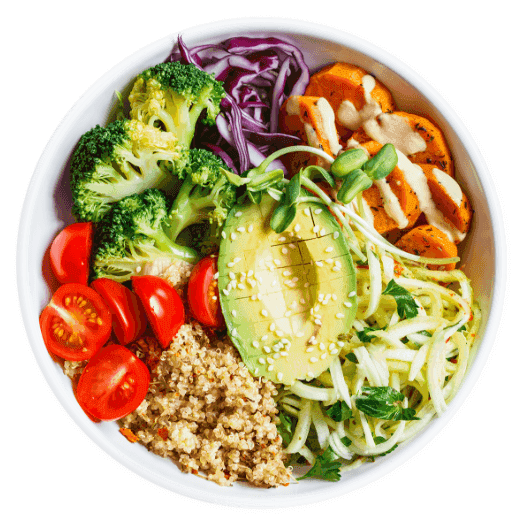
One serving includes 10% of the Daily Value of folate, which helps replenish cells and tissue that may have been damaged during birth and prevents depressive symptoms.
One serving contains 3 g of fiber, which is essential for digestion, regulating the digestive system, and aiding in weight loss.
Also known as healthy fats, monounsaturated fats can help manage cholesterol levels, specifically helping to reduce LDL (bad) cholesterol, which can lower your risk of heart disease and stroke. One serving of avocado has 5 g of monounsaturated fats.
One serving of an avocado has 4 mg of vitamin C, supporting your skin and bone health.
One serving of an avocado contains 1 mg of vitamin E, which can keep your immune system in check and help you fight off harmful bacteria and viruses.
By eating more foods with these nutrients, you’ll benefit your health in numerous ways.
The Role of Nutrient-Dense Avocados in a Breastfeeding Diet
Similar to the importance of nutrient-dense foods in a postpartum diet, finding nutrient-dense foods is equally, if not more, important when you’re breastfeeding. Since breastfeeding takes a lot of energy, you need to find foods that can keep your energy up, take less energy to prepare, and have enough nutrients to sustain your body and your baby. Those who are breastfeeding should eat 2 ½ – 3 ½ cups of vegetables per day and 4 – 5 ½ cups of “other vegetables”, like avocados, every week. One avocado counts as a cup. A serving of nutrient-dense avocados, for example, can help meet your nutritional needs in the following ways:
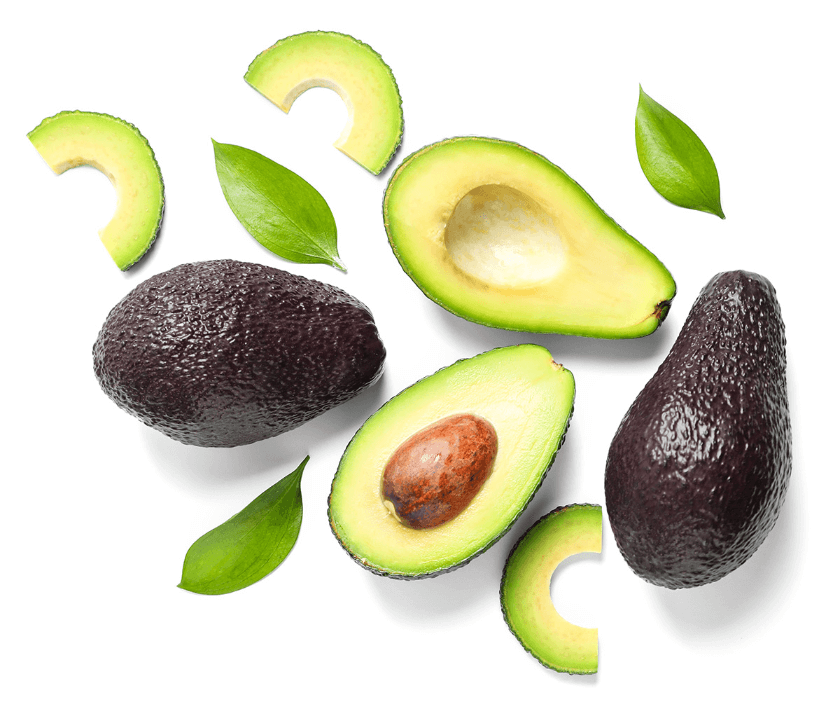
Avocados have a high water content; 80% of the fruit is water, so they can help keep you hydrated while breastfeeding. Proper hydration is key for both milk production and metabolic efficiency. Avocados also contain 250 mg of potassium, which can help reduce bloating by balancing fluid retention, a common concern in postpartum that can sometimes mask gradual weight loss.
When breastfeeding, it’s important to eat foods containing folate. Avocados are a good source of folate with 45 mcg DFE of folate per serving which is essential for energy metabolism, brain function, and overall cellular health.
The 3 g of fiber in an avocado serving can help with appetite control and supports weight management by promoting fullness after meals. This can help you reduce frequent snacking and the likelihood of consuming processed foods that won’t aid your weight management efforts.
Avocados have 5 g of monounsaturated fats per serving, which can provide long-lasting energy, which is crucial when you need sustained fuel throughout the day. These healthy fats make you feel fuller, so you’ll feel less inclined to eat less nutrient-dense foods.
A single serving of avocado provides 80 calories, 5 g of healthy fats, 3 g of fiber, and nearly 20 essential vitamins and minerals. Avocados are made up of mostly water and fiber and are considered to be low-energy-dense fruits
By eating more nutrient-dense foods, you’re more likely to feel better, giving you the energy to care for yourself and your baby!


Tips for Nutritious Eating With a Hectic Schedule
Sticking to a nutritious diet can be challenging with the demands of a new baby, but these time-saving tips can help you consistently prepare healthy, nutrient-dense meals:
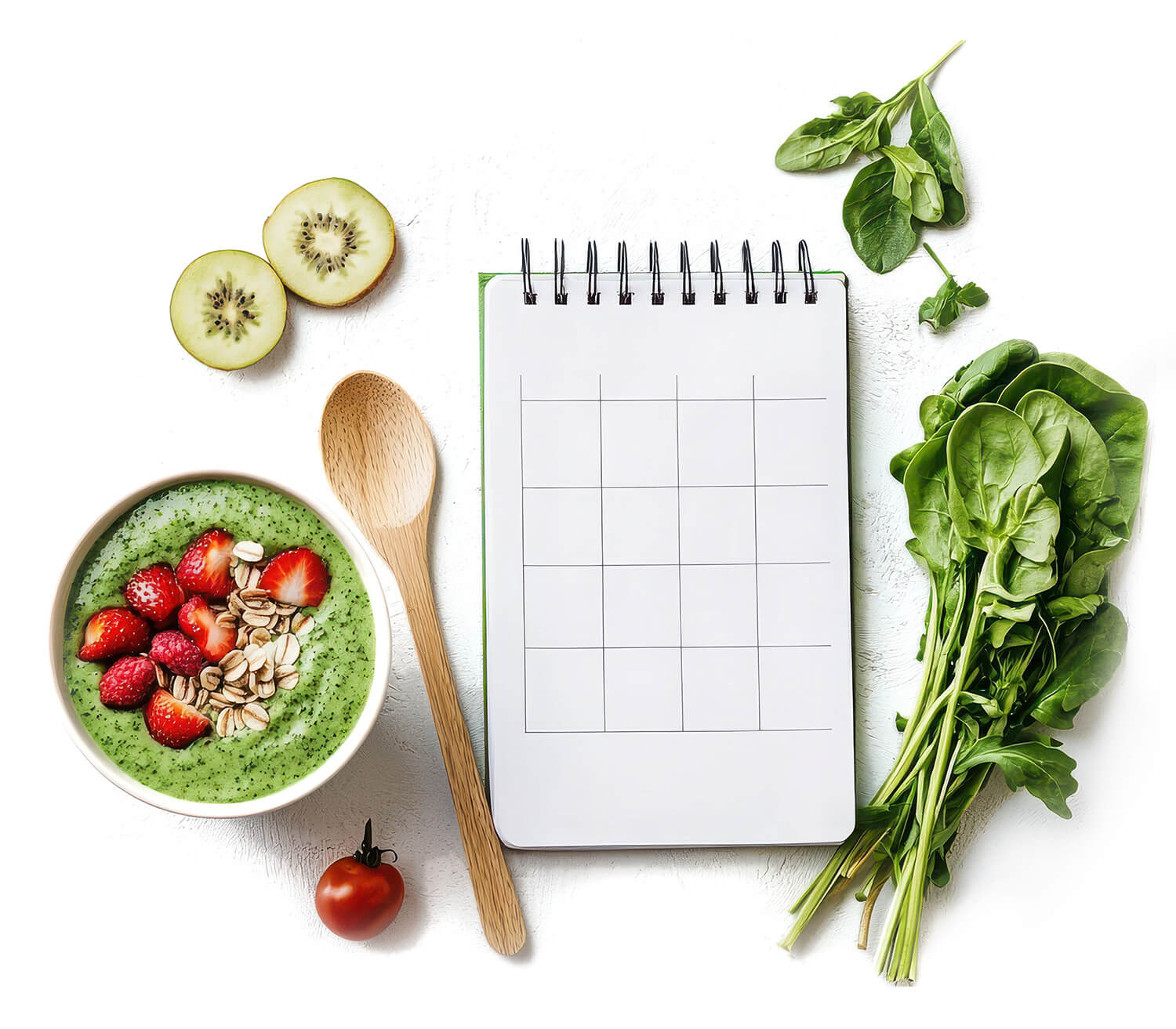
Plan simple meals ahead
Each week, plan your meals ahead of time, focusing on recipes with minimal prep time and fewer ingredients.
Meal prep stable ingredients
If you plan on using the same ingredient in multiple meals, such as brown rice, roasted vegetables, or a source of protein, prepare a week’s or a few days’ worth in advance. When you’re ready for a meal, you’ll only need to reheat the ingredients! When meal-prepping these ingredients, ensure you’re storing them correctly for food safety standards. For example, if you plan on using avocados for several of your meals, buy them at different stages of ripeness so you can have a ripe, fresh avocado for each meal.
Use pre-cut or frozen produce
Pre-cut, washed, and frozen fruits and vegetables are convenient, time-saving options that don’t compromise on nutrition. Keep a variety of frozen veggies, leafy greens, and fruits on hand to snack on, or quickly add to meals, smoothies, or stir-fries without the need for chopping and cleaning. Avocados can be frozen which can then be used in smoothies to add good fats, fiber and a deliciously creamy texture.
Make slow cooker or Instant Pot® recipes
These kitchen tools can save you time. All you need to do is toss your ingredients in.
When in doubt, always look for easy-to-make recipes and bookmark any effortless, tasty, and nutritious ones you want to return to.
Incorporating Nutrient-Dense Foods Into Your Diet
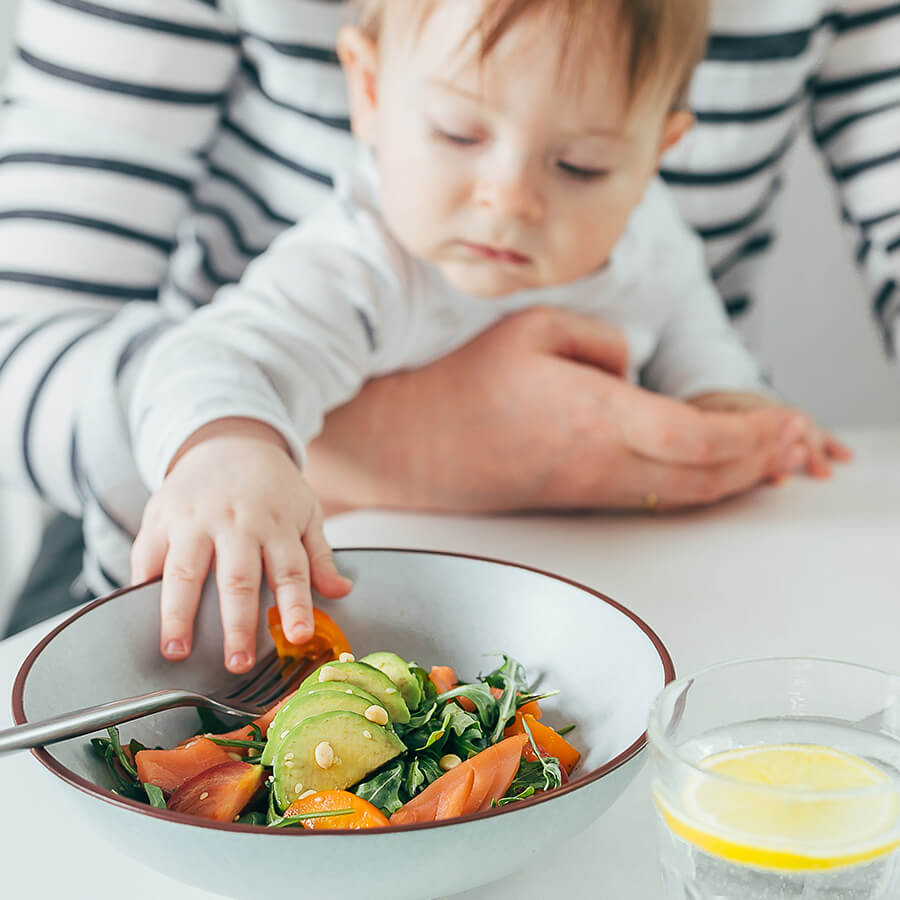
As a new mom wanting to maintain good nutrition, selecting ingredients with plenty of nutrients to help you stay healthy is essential. Luckily, avocados are not only delicious, they can be a great asset in your diet, as they are easy to prepare, and you can use them in every meal of the day.
For example, you can quickly spread some avocado on multigrain toast in the morning or toss it in a smoothie to reap the nutritional benefits.
Finding ways to incorporate easy-to-prepare, nutrient-dense foods like avocados into your diet, can help you manage your diet and your weight, while also enjoying the smooth, buttery flavor!
Easy and Nutritional Meals for Busy New Moms
To make your life easier as a new mom, we’ve compiled a list of recipes that are easy to make and provide essential nutrients for postpartum recovery and breastfeeding. Plus, the whole family will enjoy them too!
Breakfast Ideas for Postpartum and Breastfeeding Moms
Breakfast is arguably the most important meal of the day, especially when you’re a new mom. Integrating a nutritious meal at the start of the day can motivate you to prioritize your health for the rest of the day. Take a look at a few of these recipes to set your day right:

Avocado and Egg Breakfast Sandwich →
This simple recipe has a whopping 29 g of protein, 11 g of monounsaturated fats, and 7 g of fiber per serving with no added sugars.
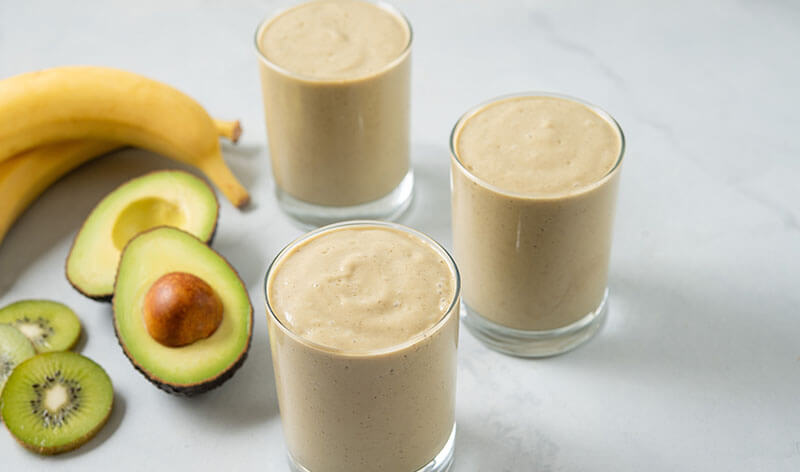
If you’re having a hectic morning, a quick smoothie is a great way to mix in fresh ingredients without sitting down and eating breakfast. This smoothie includes bananas, avocados, kiwi, and soy milk, amounting to 6 g of fiber, 60% DV of B12, and 5 g of monounsaturated fats.
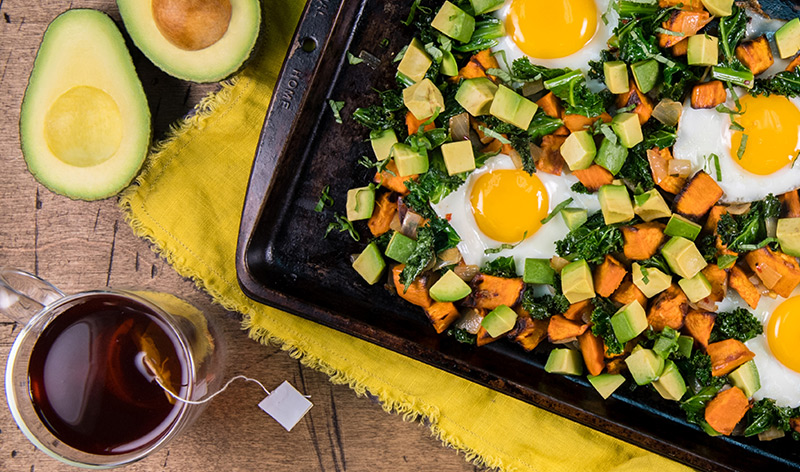
Heart-Healthy Sheet Pan Breakfast with Avocados →
With sweet potatoes, eggs, avocados, and kale, it provides 60% of the DV of vitamin C, 6 g of fiber, and 30% DV of choline, essential when you’re breastfeeding.
When looking for breakfast recipes, look for easy ones that take little time. This way, you can easily plan the rest of your day.
Lunch Ideas for Postpartum and Breastfeeding Moms
Lunch can be another opportunity to improve the nutritional quality of your diet. Try these lunch ideas:
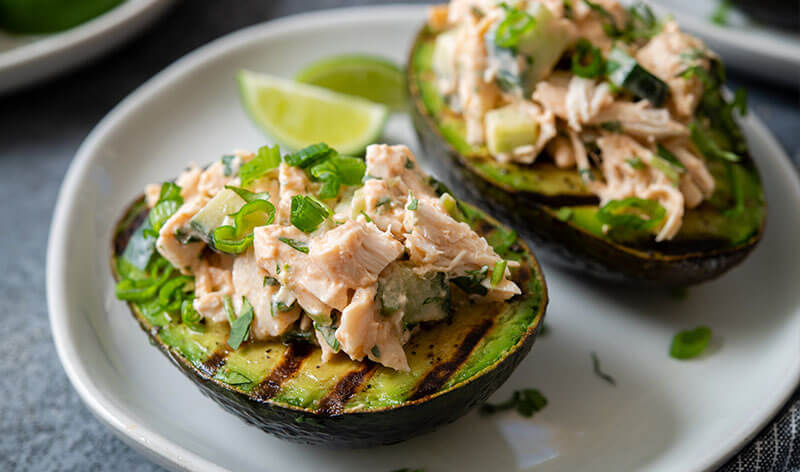
Grilled Avocados with Spicy Chicken Salad →
This simple recipe takes less than 30 minutes to make and offers 9 g of fiber, 12 g of protein, and 16 g of monounsaturated fats per serving. To make preparation even easier, skip the grilling process. This recipe will be just as yummy with fresh, uncooked avocados, but it may have less of a smokey flavor.

Heart-Healthy Turkey Avocado Lettuce “Tacos” →
This recipe is a low-carb version of tacos or wraps, with only 4% DV of carbohydrates and 6 g of monounsaturated fats per serving.

Avocado Stuffed Turkey Albóndigas with Creamy Avocado Dip →
This recipe offers 28 g of protein per serving, potentially filling you up until dinner. A serving also has 60% DV of vitamin B12, which can help if you have a vitamin B deficiency.
You may get swamped with activities with your little one during the day, but ensuring you get a nutritious lunch may help you keep your energy up, no matter what comes your way!
Dinner Ideas for Postpartum and Breastfeeding Moms
Even if you feel too exhausted to patch up dinner, these recipes are great to make beforehand, so you won’t have to put too much effort into cooking every day:

This recipe comes together easily and provides up to six servings — perfect for any small family that wants leftovers. Each serving has 5 g of protein and 14 g of unsaturated fats, keeping you satiated.
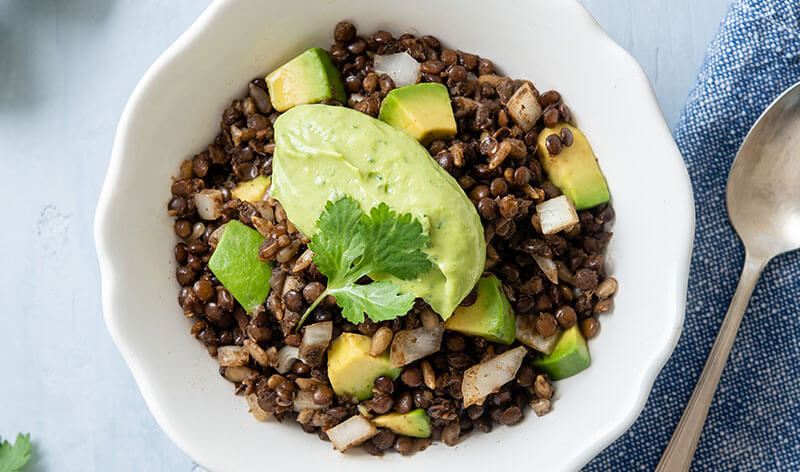
Instant Pot® Sunny Spiced Lentil Bowl with Avocado Lime Crema →
You can make this recipe in under 30 minutes by simply tossing ingredients in your Instant Pot® while you prepare the crema. You can serve this recipe with quinoa, a salad, or even in tacos or burritos. Each serving contains 980 mg of potassium, 340 mcg of folate, 13 g of fiber, and 19 g of protein — keeping you full while maintaining your nutritional needs.
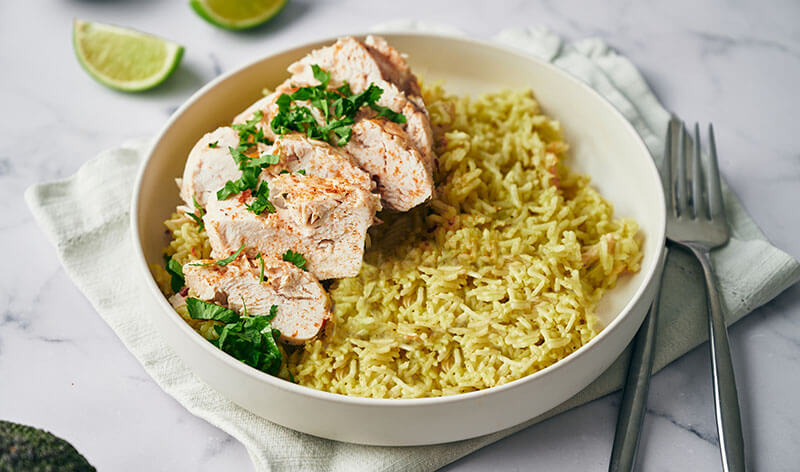
Creamy Avocado Lime Rice with Chicken →
This recipe only includes 10 ingredients! You can also use your Instant Pot® for this recipe, making it even faster to prepare. A serving contributes over 32 g of protein, 4 g of fiber, and 60% of your DV of vitamin B6 per serving, helping meet your nutritional goals.
With fast dinners, you can spend less time cooking, and more time with your little one and resting.
Snack Ideas for Postpartum and Breastfeeding Moms
Snacks are a great option if you’re looking for something to energize you in between meals. Snacks are also an excellent opportunity to add critical vitamins, minerals, protein, and fiber to your diet to meet your goals. Here are a few of suggestions that can help:

Deconstructed Avocado Egg Salad →
This easy egg salad relies on avocados as the main fat source instead of mayo, substituting the saturated fats in this classic recipe, with 8.5 g of healthy fats. In addition, this snack has 30% of the DV of choline, which is an essential nutrient you need while breastfeeding.
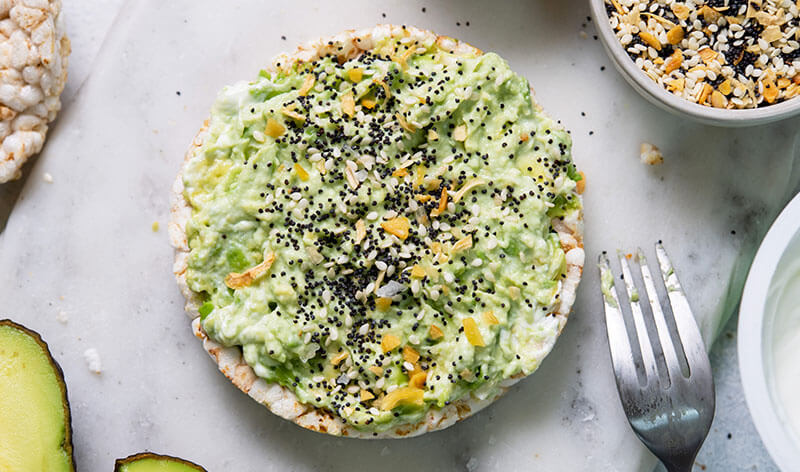
This is arguably one of the easiest recipes, as all you have to do is mash avocado with yogurt and spread it on a rice cracker. Still, it provides 3 g of fiber, 4 g of monounsaturated fats, and 2 g of protein per serving, which can help keep you full until your next meal.
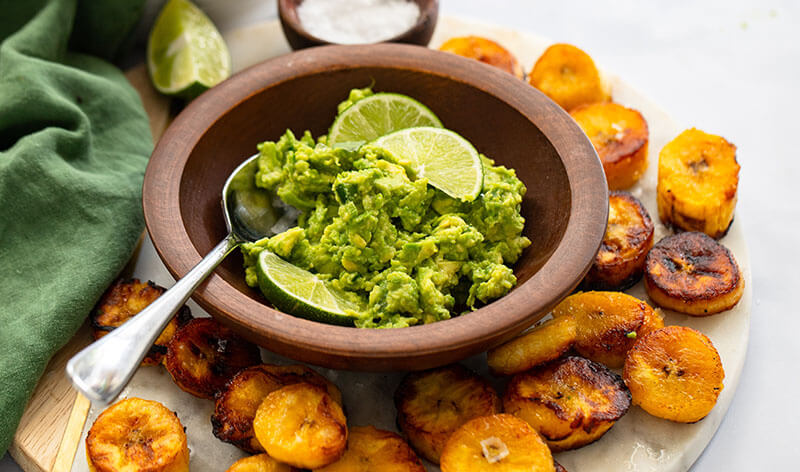
Crispy Plantains with Spicy Citrus Guacamole →
If you love to snack on chips, plantains can be just as delicious but a more nutritious alternative, as a serving of this recipe provides a good source of vitamins C and E and an excellent source of vitamin K.
Balancing motherhood, postpartum recovery, breastfeeding, nutrition, and weight may feel overwhelming. You aren’t alone. However, by focusing on your health now, you’ll be able to power through this transition in your life, making it all the better to enjoy.


