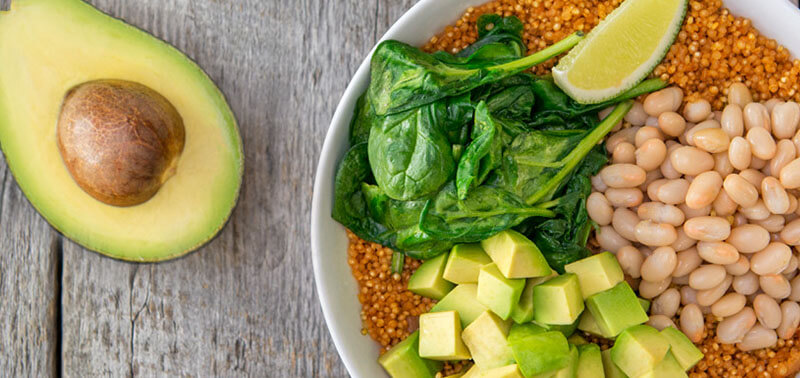
Across the globe, more people are embracing whole-food, plant-forward eating patterns—and with good reason. From Australia to the U.S., research continues to link these dietary habits with lower rates of obesity, type 2 diabetes, and heart disease. One delicious constant showing up in these patterns? Avocados.
Whether it’s sliced on toast, blended into smoothies, or added to salads, avocados are gaining recognition as a nutrient-dense food that can help support healthy blood sugar management and overall metabolic wellness.

Are Avocados Good for People with Type 2 Diabetes?
Let’s start simple: diets rich in whole foods are consistently associated with better health outcomes—including a lower risk of developing type 2 diabetes.
Avocados fit right into this pattern. They’re minimally processed, naturally nutrient-dense, and deliver healthy fats and fiber—two key players when it comes to balanced blood sugar.
Why Avocados Work in a Diabetes-Friendly Diet
1
Fiber: Your Blood Sugar’s Best Friend
Here’s the “fiber lining” we love to talk about.
Avocados are a good source of fiber, with about 3 grams per one-third of a medium avocado. Even better? About 79% of their carbohydrates come from fiber.
Why that matters:
- Fiber slows digestion
- It helps prevent sharp rises in blood sugar after meals
- It keeps you feeling full longer (goodbye, snack attacks 👋)
1
Naturally Sugar-Free
Avocados contain zero grams of naturally occurring sugar.
That means you get creamy texture and satisfying flavor—without contributing to blood sugar spikes.
2
3
Healthy Fats That Work with You
Avocados are low in saturated fat and provide 6 grams of unsaturated fat per serving, which is linked to heart health.
For people looking to manage or reduce their risk of type 2 diabetes, heart health matters—a lot. These fats can help improve cholesterol levels and support overall cardiometabolic health.
3
How Many Carbs Are in an Avocado?
(Don’t Panic 😄)
Carbohydrates give your body energy—but the type of carb you choose makes a big difference.
There are three types:
- Sugars
- Starches
- Fiber
Avocados are unique because their carbs come mostly from fiber. That’s a win when you’re aiming for steady, balanced energy.

Carbohydrate and fiber per serving of avocado (1/3 of a medium avocado or 50 grams):
| Nutrient | Per 1/3 medium avocado (50 grams) |
|---|---|
| Total Carbohydrate | 4 grams |
| Dietary Fiber | 3 grams |
| Total Sugars | 0 grams |
| Added Sugars | 0 grams |
Because most of the carbohydrate in avocados comes from fiber, a serving of avocado contributes very little digestible carbohydrate, making it an easy fit in many balanced eating patterns.
What Is the Glycemic Index of Avocado?
Here’s an interesting fact: avocados are not assigned a glycemic index (GI) or glycemic load (GL) value.
The GI measures how quickly carbohydrate-containing foods raise blood sugar. Because avocados contain very little digestible carbohydrate and no naturally occurring sugar, they are not expected to cause a significant rise in blood glucose when eaten alone.
What does that mean? Avocados can fit into a balanced eating pattern and provide fiber and unsaturated fats, making them a versatile addition to meals and snacks.
What Does the Research Say About Avocados and Blood Sugar?
Does an Evening Avocado Snack Affect Morning Blood Sugar?
In a randomized crossover study of 27 adults with prediabetes, researchers compared the effects of three evening snacks: whole avocado, a low-fat control, and a macronutrient-matched processed snack. Funded by the Avocado Nutrition Center, the study found that while glucose, insulin, and inflammation markers were unchanged, post-breakfast triglycerides were lower 180 minutes after the avocado snack. Though promising for cardiometabolic health, the findings reflect only a single snack occasion; longer-term research is needed to confirm these results.
Translation: Your nighttime snack might set the tone for tomorrow morning—avocado included.
What Do Avocado Eaters’ Blood Sugar Markers Look Like?
An Australian study involving 2,736 participants revealed that individuals who consumed avocados exhibited lower BMI, waist circumference, plasma glucose levels, HbA1c, and higher HDL cholesterol than non-consumers. On average, participants had a daily avocado intake of 25 grams. It’s important to note that the study, funded by the Avocado Nutrition Center, can establish associations but not causation. Nevertheless, these findings contribute to evidence suggesting that avocados are heart-healthy and may benefit a diabetes-friendly diet.
Translation: Including avocados is linked with better health markers—but it goes hand in hand with overall habits.
What Happens When Avocado Replaces Saturated Fat?
In a randomized, double-blind, crossover feeding trial, 42 adults with elevated triglycerides followed two 3-week diets: one where a daily Hass avocado replaced solid fats and added sugars, and a matched control diet. The Avocado Nutrition Center funded the study and cannot be generalized to larger, more diverse populations. The avocado diet lowered non-HDL (“bad”) cholesterol, triglycerides, and the total-cholesterol-to-HDL ratio, supporting avocados as a heart-healthy choice in everyday meals.
Translation: Simple swaps can make a meaningful difference.
Can a Daily Avocado Improve Cardiovascular Markers?
An 8-week study, co-funded by the Hass Avocado Board and the National Mango Board, among 82 adults with prediabetes found that adding one Hass avocado and a cup of mango each day improved markers of cardiovascular health by supporting vascular function and lowering diastolic blood pressure.
Translation: Small daily additions—like avocado and mango—can add up to heart health benefits.
How to Add Avocado to a Diabetes-Friendly Meal Plan

Upgrade Your Breakfast
Swap sugary spreads for mashed avocado on whole grain toast—or blend it into overnight oats for extra creaminess and fiber.

Start Meals Strong
Begin with a salad. Add avocado for a satisfying boost of fiber and nutrition.

Rethink Dessert
Chocolate avocado mousse? Yes, really. Creamy, rich, and no added sugar needed.
Swapping Saturated Fat for Avocado
Sometimes it’s not about what you cut—it’s about what you swap.
Try this:
IN:
Avocado

IN:
Avocado
OUT:
High-saturated-fat spreads
Bonus:
You can often substitute pureed avocado 1:1 for fats in recipes.
Frequently Asked Questions: Avocados and Type 2 Diabetes
Can people with type 2 diabetes eat avocado?
Yes. Avocados are naturally nutrient-dense and provide fiber and unsaturated fat with no naturally occurring sugar — a combination that fits well within a diabetes-friendly eating pattern. As with any food, talk to your healthcare provider or a registered dietitian about what works for your individual plan.
How many carbs are in an avocado?
A one-third serving of a medium avocado, or 50 grams, has 4 grams of total carbohydrate, of which 3 grams is dietary fiber and 0 grams sugar. Avocados are considered a low carb food, and because most of the carbohydrate is fiber, the digestible carbohydrate contribution is small.
What is the glycemic index of avocado?
Avocados do not have a glycemic index or glycemic load value. The glycemic index measures how quickly a carbohydrate-containing food raises blood sugar. Because avocados contain no naturally occurring sugar and very little digestible carbohydrate, they are not expected to cause a significant rise in blood glucose when eaten alone.
Does avocado raise blood sugar?
Avocado is not expected to cause a sharp rise in blood sugar on its own, because it contains no naturally occurring sugar and very little digestible carbohydrate. Avocados are also a good source of fiber, which may help support healthy blood glucose levels as part of an overall eating pattern.
How much avocado can you eat a day with type 2 diabetes?
There is no single recommended amount. A standard serving is one-third of a medium avocado, or 50 grams, but your portion may be more or less depending on individual nutrition needs and overall eating pattern.
Is guacamole a good option for people with diabetes?
Guacamole made primarily from fresh avocado can fit within a diabetes-friendly eating pattern. Fresh avocado provides fiber and unsaturated fat with no naturally occurring sugar. As with any food, consider the portion and how the guacamole fits within the overall eating pattern. If you have type 2 diabetes, talk with your healthcare provider or a registered dietitian before making changes to your eating plan.
Key Takeaways
When it comes to managing or lowering the risk of type 2 diabetes, every bite counts.
Avocados bring a powerful combo to the table:
Fiber
Healthy fats
No sugar
Whole-food goodness
They’re creamy, versatile, and easy to incorporate into everyday meals—making them a smart (and delicious) addition to a balanced lifestyle.
So go ahead—slice it, mash it, blend it.
Every bite is a step toward feeling your best. 🥑