Definition:
- Probiotics: Live microorganisms that provide health benefits by supporting a balanced gut microbiome.
- Prebiotics: Non-digestible fibers that serve as food for beneficial bacteria, promoting their growth and activity.
Function:
- Probiotics: Probiotics: Introduce beneficial bacteria into the gut to aid digestion, enhance immune function, and support overall well-being.
- Prebiotics: Fuel beneficial gut bacteria by providing non-digestible fibers that help them grow and thrive.
Examples of Natural Sources:
- Probiotic Foods: Yogurt (with live cultures), kefir, kimchi, sauerkraut, tempeh, miso, pickles (fermented in brine).
- Prebiotic Foods: Avocados, bananas, asparagus, onions, garlic, oats, lentils, almonds.
The Role of Avocados:
- Avocados contain 3 g of fiber per 50 g serving, including prebiotic fiber that nourishes gut bacteria.
- Their combination of fiber and healthy fats helps protect and enhance probiotic absorption, supporting digestion and microbiome diversity.
- Prebiotics: Avocados are easy to include in a variety of meals, from breakfast smoothies to delicious cremas.
Microbiota vs. Microbiome:
- Microbiota: The community of trillions of microorganisms—including bacteria, viruses, fungi, and protozoa—that reside in and on the human body, particularly in the gut.
- Microbiome: The collective genomes of the microbiota, representing the full genetic material of all the microorganisms in a specific environment, such as the gastrointestinal tract.
The Difference Between Probiotics and Prebiotics
(And How Avocados Fit In)
Gut health does more than keep your digestion on track — it plays a role in immune function, energy levels, and overall well-being. Probiotics and prebiotics work together to support a balanced gut microbiome, and the best way to get them is through food. While many people think of yogurt and fermented foods as the best sources of gut-friendly nutrients, other everyday foods — like avocados — can support your gut health, too.
Let’s break down everything you need to know about prebiotics and probiotics–and what makes avocados such a great choice for your gut health.
What Are Probiotics and Why Do They Matter?
Probiotics are live bacteria and microbes that live in your digestive tract and may benefit your gut health. These beneficial bacteria help regulate digestion, support immune function, and may contribute to overall wellness. However, not all probiotics have proven health benefits.
When your gut bacteria is imbalanced, you may experience digestive discomfort, weakened immunity, and other health concerns. Adding probiotic-rich foods to a diet can help support this natural balance.
Different probiotic strains provide different benefits. Some of the most well-known types of probiotics include:
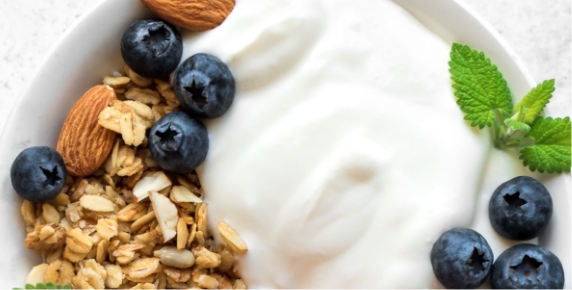
Found in yogurt, kefir, and fermented vegetables.

Present in dairy products, fermented vegetables, and some probiotic-fortified foods.

A probiotic yeast commonly used to support digestion.
Probiotics do more than aid digestion — they help maintain balance in the gut microbiome. A well-supported gut microbiome contributes to overall well-being, and incorporating probiotic foods into your diet is one way to keep it in check.
What Are Prebiotics and How Do They Support Gut Health?
Prebiotics are non-digestible fibers found in many foods. They promote the growth of helpful bacteria in your gut. Prebiotics are often confused with probiotics because of the similar name, but prebiotics are not bacteria or other microbes. They are the fuel or the fertilizer that probiotics need to flourish and survive in your gut.
Natural Sources of Probiotics and Prebiotics
You can get most of the probiotics and prebiotics you need from your diet.
Many fermented foods contain probiotics, offering a natural way to increase your intake. Prebiotics, on the other hand, are found in fiber-rich plant foods that help sustain those bacteria over time. Fruit fiber, such as pectin, has been shown to promote a healthy gut as well. Just one-third of an avocado has 1.2 g of pectin and serves as a good source of fiber.
Incorporating both types of foods into a daily diet makes it possible to support long-term digestive health without relying on supplements.
Natural Probiotic Foods
Probiotics are naturally found in foods that contain live, active cultures. These foods can help maintain gut balance when eaten as part of a balanced diet. Dietary sources of probiotics include:
- Yogurt (with live cultures)
- Kefir
- Sauerkraut
- Kimchi
- Miso
- Tempeh
- Pickles (fermented in brine)
When choosing probiotic foods, ensure they contain live cultures, as some commercial products are pasteurized, which removes the most beneficial bacteria. The food should clearly indicate that it contains live cultures and will likely let you know how many are in each serving.
Natural Prebiotic Foods
Prebiotics help nourish beneficial gut bacteria by providing the fiber and nutrients they need to thrive. Many plant-based foods contain prebiotic fibers, which pass through the digestive system undigested until they reach the colon, where they serve as fuel for probiotics. Including prebiotic foods in a healthy diet can support digestion, gut health, and overall well-being. Some of the best natural sources of prebiotics include:
- Avocados
- Bananas
- Asparagus
- Oats
- Lentils
- Chia seeds
- Almonds
The fiber in these whole foods works behind the scenes to keep your microbiome balanced. Pairing them with probiotic foods can further enhance their benefits and contribute to overall digestive wellness.
How Avocados Help with Probiotic and Prebiotic Absorption
A 50 g serving of avocado offers 3 g of fiber that can support gut health in multiple ways. The fiber in avocados promotes the growth of beneficial bacteria by creating an environment where probiotics can thrive. Science has proven that a diet that includes regular consumption of avocados leads to a more diverse microbiome, made up of microbiota. Microbiota is the community of bacteria within the gut, and they benefit from your diet as well.

In a study that evaluated the impact of daily avocado consumption for 6 months on gut microbiota in 230 adults with abdominal obesity, the avocado group showed higher gut microbiota diversity and significant increases in Faecalibacterium prausnitzii and Bacterium AF16_15 compared to controls. Improvements were more pronounced in participants with lower baseline diet quality, highlighting avocados’ potential prebiotic benefits. The Avocado Nutrition Center supported this study.
Because avocados also contribute 6 g of healthy fats per serving, they may assist the body in digesting probiotics naturally.
Certain probiotic strains are more effective when consumed with healthy fats, as the lipids help protect the bacteria as they travel through the digestive system. This makes it easier for probiotics to reach the intestines, where they can provide the most benefits. Taking in enough healthy fats can empower the probiotics to do their best work within your gut.
How To Add More Probiotics and Prebiotics to Your Diet
Maintaining a balanced gut microbiome starts with making intentional food choices. Though you can find probiotic supplements at your local pharmacy, getting your pro- and prebiotics from healthy whole foods is a better option.
To increase probiotic intake, try incorporating fermented foods into daily meals. Add yogurt or kefir to smoothies or breakfast bowls, include sauerkraut or kimchi as a flavorful side dish, or mix miso or tempeh into soups and stir-fries. When choosing pickles for your sandwiches or snacks, choose varieties fermented in brine rather than vinegar to ensure they contain live cultures.
The secret to consuming more prebiotics is increasing your fiber intake. Avocados, bananas, nuts, and other fruits and vegetables with fiber all deliver prebiotics to your gut microbiome. Snack on fruit alongside your lunchtime sandwich or chow down on a banana with your morning coffee. Intentional fiber intake can fuel the probiotics that keep you healthy.
Gut health isn’t just about taking a probiotic supplement — it’s about creating the right environment for beneficial bacteria to thrive. The food choices you make every day shape your microbiome, influencing digestion, immune function, and even mood. You can support a healthier, more resilient gut by eating various probiotic-rich fermented foods and prebiotic sources like avocados.
Looking for new ways to incorporate avocados into your diet? Look deeper into Love One Today to find collections of delicious, gut-friendly recipes that make it easy to enjoy their benefits. Check out our archive of avocado recipes to find your next gut-healthy meal!
Fiber and Avocados: What You Need To Know
What You Need To Know
Avocados are a good source of fiber, which may help support digestion, weight management, and heart health.
- One serving (1/3 of a medium avocado, about 50 g) provides 3 g of fiber—11% of the Daily Value.
- A whole medium avocado contains 10 g of fiber, making it a great choice to help increase fiber intake.
Fiber in avocados includes:
- Soluble fiber (1 g per serving): May help regulate blood sugar and support healthy cholesterol levels when part of a diet low in saturated fat and cholesterol.
- Insoluble fiber (2 g per serving): Supports digestive health and promotes regular bowel movements.

Potential benefits of fiber in avocados:
- May help promote feelings of fullness, supporting weight loss goals.
- Supports gut health by nourishing beneficial bacteria.
Quick tips for adding avocado to your diet:
- Mash avocado on whole grain toast, mix into salads, or blend into smoothies.
- Pair with fiber-rich foods like fruits, vegetables, legumes, and whole grains.
- Increase fiber gradually and drink plenty of water to support digestion.
Likely, you’re not eating enough dietary fiber, and you’re not alone. According to a 2021 publication from the American Society for Nutrition, only 5% of men and 9% of women eat the recommended amount of fiber — 25 g every day, based upon a 2,000-calorie diet. By not eating enough fiber, however, you’re not reaping the many benefits of fiber. But why does it matter?
Dietary fiber is a type of carbohydrate and is an important part of every diet. When looking at a food package, you will see dietary fiber listed on the nutrition facts label. You may also see it listed as soluble fiber or insoluble fiber. Both types of dietary fiber have important health benefits — both regarding weight management and your long-term health. In this guide, we’ll explore these benefits and how to include more fiber in your diet by eating more foods like avocados.
What Is Fiber?
Carbohydrates are one of the three macronutrients (alongside fats and proteins) that the body needs for energy. When consumed, carbohydrates are primarily broken down into glucose, which serves as an energy source for the body’s cells, particularly for the brain and muscles. Carbohydrates are composed of sugar molecules, which can be classified into two categories: simple and complex. Simple carbs are carbohydrates in their most basic form (glucose and fructose), which you can naturally find in fruits and dairy, as well as in processed foods, desserts, and other sugary treats. Your body breaks down these carbs faster. As a result, simple carbs will enter your bloodstream faster than complex carbs. Complex carbs, which you can find in starches and fiber, consist of multiple sugar molecules tied together. Because of their structure, they take your body longer to break down and digest.
While fiber is considered a complex carb along with starches, they differ in that fiber cannot be fully digested or absorbed by the body. Instead, it stays intact as it passes through your digestive system. Because it stays intact, fiber is not broken down into glucose like other carbohydrates. As a result, fiber may help stabilize blood sugar levels by slowing digestion and glucose absorption.

Soluble vs. Insoluble Fiber
While fiber, in general, can be good for your health, the benefits you may experience depend on your overall health and the type of fiber you consume. Fiber is categorized into two types: soluble fiber and insoluble fiber. Avocados provide approximately 3 g of dietary fiber per serving, a third of which is soluble.
Soluble fiber, found in foods like avocados, grains, seeds, legumes, and vegetables, dissolves in water to form a gel-like substance in your intestines. This slows digestion, which can help manage diarrhea by firming loose stools and promoting a more gradual absorption of nutrients.
Insoluble fiber, on the other hand, doesn’t dissolve in water. Instead, it binds to the water in your stool, increasing its bulk and helping to relieve constipation. This type of fiber supports regular bowel movements and can be found in foods like avocados, whole grains, beans, and root vegetables like beets.
Soluble and insoluble fibers provide unique health benefits due to their distinct effects in the body. Soluble fiber slows digestion and binds to cholesterol in the digestive system, reducing its absorption and lowering LDL cholesterol levels. This can help decrease the risk of heart disease and support better blood sugar control. Insoluble fiber, on the other hand, promotes regular bowel movements by adding bulk to stool, which may contribute to a lower risk of constipation and colorectal cancer. Together, these fibers play a vital role in overall health.
The Benefits of Fiber
Fiber is more than just a digestive aid—it plays a vital role in supporting heart health, weight management, blood sugar control, and gut health. From helping lower your cholesterol and reducing inflammation to keeping you full longer and feeding beneficial gut bacteria, fiber offers a range of health benefits backed by science.
Heart Health
There are plenty of ways that fiber can contribute to your heart health. Dietary fiber from fruit, as part of an overall healthy diet, helps reduce blood cholesterol levels and may lower the risk of heart disease. Avocados are a good source of fiber and are a great way to add variety to the diet.
Consuming foods rich in fiber may reduce the risk of heart disease. Fiber can contribute to lower LDL cholesterol levels, helping your cardiovascular system to operate as normal. The fiber in avocados, as well as the rest of its nutritional makeup, can contribute to a healthy heart. A meta-analysis evaluated the impact of avocado intake on LDL cholesterol. Researchers concluded with moderate evidence that avocado intake has a medium to large effect on LDL-C levels. This study relies on published work, presenting unique limitations, and the findings cannot be generalized to all populations. The researchers assessed the risk of bias and strength of evidence for each of the 12 clinical trials and 14 comparisons. The results from this large study support avocados as a heart-healthy fruit.
Weight Loss
Fiber slows the speed of digestion, which makes you feel full and may help you eat less and stay satisfied longer. This is known as satiety. When you feel satiated, you will feel less inclined to turn to more food soon after eating.
A study of 31 adults with overweight or obesity showed that adding half or a whole avocado to breakfast reduced hunger, enhanced meal satisfaction, and raised levels of PYY and GLP-1 satiety hormones. The Avocado Nutrition Center sponsored the research, which used a visual analog scale to measure subjective outcomes for up to six hours. While further research is necessary for broader applicability, these findings contribute to the growing evidence linking avocado consumption to weight management benefits.
Fiber contributes to a healthy body by helping prevent you from overeating and encouraging normal digestion. While losing weight, be mindful of your fiber intake, and try to get it from whole foods rather than supplements for optimal benefits.
Manage Diabetes Symptoms
Type 2 Diabetes is a chronic condition that occurs when your body’s cells become resistant to insulin, a hormone that helps transfer glucose from your bloodstream into your cells for energy. In response, your pancreas produces more insulin to try to keep blood sugar levels under control. Over time, this increased demand on the pancreas can reduce its ability to produce enough insulin, leading to elevated blood sugar levels. Without proper management, Type 2 Diabetes can result in long-term health complications, such as cardiovascular disease, kidney damage, and nerve damage.
Fiber, particularly soluble fiber, helps regulate blood sugar levels by slowing digestion and delaying the absorption of carbohydrates. This prevents rapid blood sugar spikes after meals, making it easier to maintain stable glucose levels throughout the day. Over time, this can improve insulin sensitivity and reduce the strain on the pancreas. Additionally, by promoting feelings of fullness and reducing hunger and cravings for sugary snacks, soluble fiber can support weight management—a key strategy for managing and even preventing Type 2 Diabetes.
Supports Your Gut Health
Fiber plays a crucial role in supporting gut health, with insoluble fiber and soluble fiber offering distinct benefits.
Insoluble fiber adds bulk to stool and helps food move through the digestive system more efficiently, reducing the likelihood of constipation, which can be uncomfortable and even lead to other complications like hemorrhoids. Regular bowel movements also help maintain a healthy gut environment by minimizing the time potential toxins are in contact with the intestinal lining.
Soluble fiber, on the other hand, feeds beneficial gut bacteria in the large intestine. As these bacteria ferment soluble fiber, they produce short-chain fatty acids (SCFAs), such as butyrate, which support the health of the intestinal lining, reduce inflammation, and strengthen the gut barrier. A balanced gut microbiome, promoted by soluble fiber, is also linked to better digestion, immunity, and even mood.
While slowing the absorption of nutrients like carbohydrates and fats, soluble fiber can also help regulate blood sugar levels and provide sustained energy throughout the day. Together, these benefits make fiber essential for overall gut and metabolic health.
Boost Your Fiber Intake With Avocados
Did you know that most Americans do not eat enough dietary fiber? Avocados to the rescue. They add fiber to the diet and are delicious.
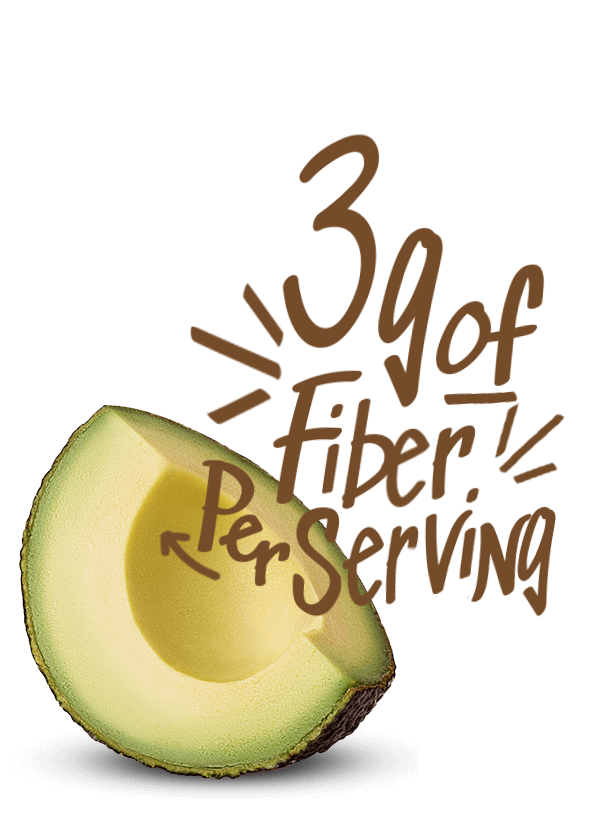
While many foods are a great source of fiber, not many have both insoluble and soluble fiber. Avocados are unique in that they have both. The 3 g of fiber per 50 g serving of avocado comprise one gram of soluble and 2 g of insoluble fiber, so you reap both benefits.
They also provide nutrients like unsaturated fats that can help manage your LDL cholesterol levels and help your body absorb fat-soluble vitamins. In a clinical trial, researchers studied blood cholesterol by monitoring how the addition of one fresh avocado per day, as part of a moderate-fat diet, affected the cholesterol levels of 45 overweight and obese adults. The Avocado Nutrition Center supported this study. While the conclusions come from a single study that cannot be generalized to all populations, the study provides further insights on how avocados affect cardiovascular-disease risk factors, such as LDL, in overweight and obese adults.
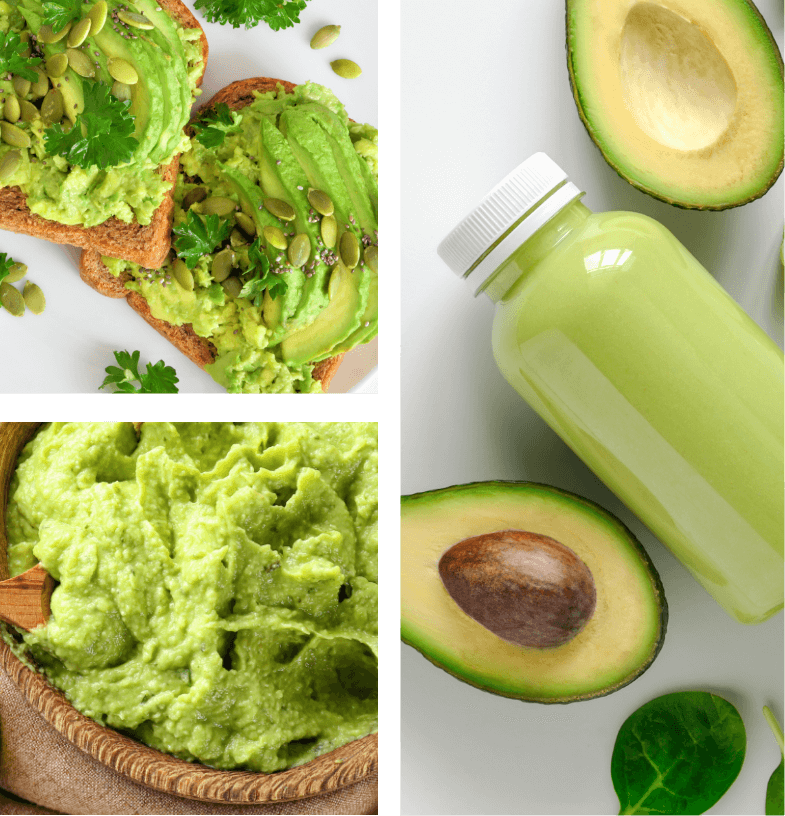

Avocados are also easy to prepare. Whether you’re spreading avocados on some toast, mashing it for guacamole, or blending it in a smoothie, you can enjoy the health benefits of avocados in various ways.
How Much Fiber Do Avocados Contain?
Specifically, one-third of a medium avocado provides 3 g of fiber, including 1 g of soluble and 2 g of insoluble types. This contrasts significantly with vegetables like onions, which only contain 1 g of fiber for 3.5 ounces, or fruits like grapes, which have less than 1 g of fiber for 100 g. In addition, not all fruits and vegetables that contain fiber include both soluble and insoluble fiber. Finding foods that include both sources to feel satiated and manage your blood sugar levels is crucial. Luckily, avocados include both!
How To Add More Fiber To Your Diet
While fiber offers plenty of benefits, some people may turn away from it initially because it may cause digestive discomfort, such as gas, bloating, and cramps. This often occurs when someone drastically changes their diet and consumes too much fiber too quickly. However, you can avoid this by slowly incorporating fiber into your diet by eating more vegetables and fruits like avocados. Also, consider drinking more water. It helps activate the fiber and move it through your digestive system, so you won’t have to deal with uncomfortable side effects like bloating or constipation.
Tips to boost your fiber intake:
- Start your day with oatmeal or whole grain toast with fiber-containing spreads like peanut butter or fresh avocado
- Snack on whole fruits, nuts, seeds, or raw cut-up vegetables
- Add legumes to meals or serve them as the main dish
- Add more whole grains to meals (barley, brown rice, buckwheat, bulgur, millet, quinoa)
- Start meals with a salad
- Fill half of your plate with fruits or vegetables
- Eat fruit for dessert
Our Favorite Recipes With Fiber
When aiming to increase your fiber intake, it’s best to find and prepare meals that include multiple sources of fiber. Here are a few recipes to get you started:
Smoothies and Beverages
Smoothies are a great way to add fiber to your diet, as you can simply blend fruits and greens together to pack a nutrition punch on the go. These beverages are perfect for fuel in the morning or as an afternoon pick-me-up. Some of our favorite recipes include:
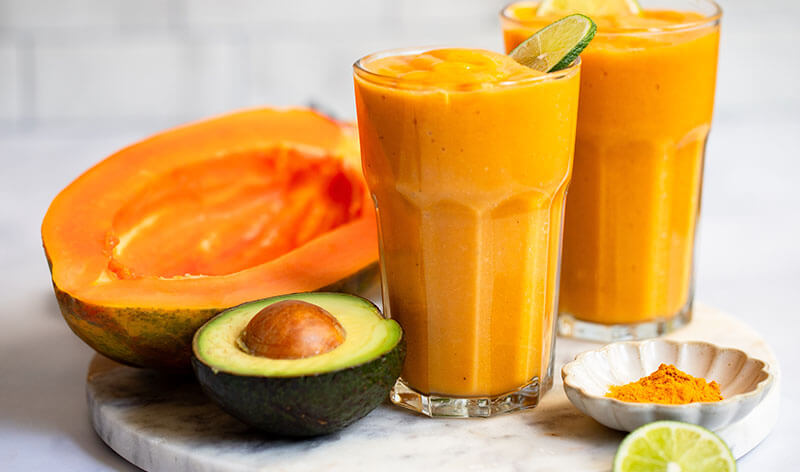

This smoothie contains plenty of fruits and vegetables, such as avocado, pineapple, spinach, and banana. With the extra hemp seeds, this smoothie has 7 g of fiber for one cup.

This smoothie bowl, which contains bananas, berries, avocado, almonds, and chia seeds, contains 12 g of fiber per cup.
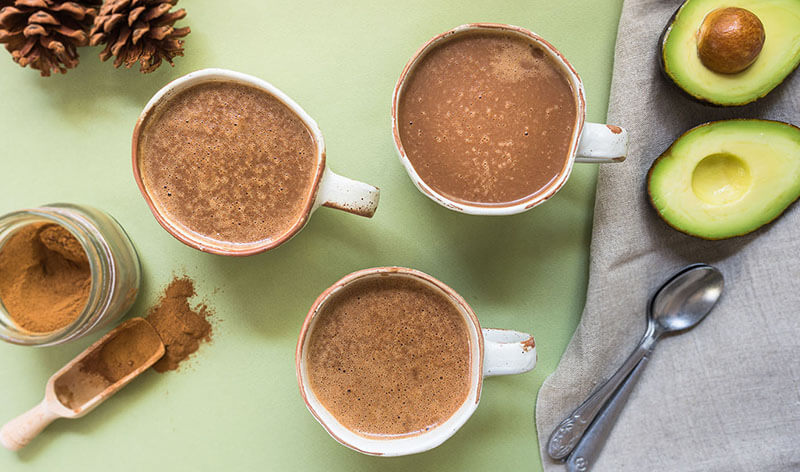
While traditional hot chocolate contains minimal fiber, this recipe easily makes it a higher-fiber option, with 8 g of fiber per cup.
Enjoy these smoothies and drinks at home or on the go, they’re filled with fiber to improve your digestion.
Snacks and Treats
Snacks and treats don’t have to be a guilty pleasure. Instead, find snacks and desserts that have fiber, such as:

Two tostadas in this recipe provide 7 g of fiber thanks to the beans and avocados.

Crispy plantains with spicy citrus guacamole →
If you’re craving a sweet and salty snack, try crisping some plantains in a pan and dipping them in guacamole. Both the plantains and avocado surmount to 4 g of fiber.

Pumpkin chocolate avocado bread →
As a sweet treat, you can always enjoy this pumpkin chocolate avocado bread that has 7 g of fiber for one slice.
By prioritizing eating snacks with fiber, you’ll feel more satiated and less likely to overeat at your next meal.
Breakfast and Brunch
There is no better way to start your day than with fiber! Here are some breakfast ideas that can help you increase your fiber intake:

Open-faced egg and avocado toast →
This fun twist to avocado toast has over 6 g of fiber, thanks to the beans and avocados included.

If you prefer a sweeter start to your morning, berry avocado oats may be a great option. One serving of this recipe offers 5 g of fiber, thanks to the berries, banana, and avocado.

Two mini tostadas provide 5 g of fiber, thanks to the whole-wheat tortillas, avocado, and beans.
By prioritizing eating snacks with fiber, you’ll feel more satiated and less likely to overeat at your next meal.
Filling Lunches
Try some of these lunch recipes to add more fiber to your diet:

Chicken salad wrap with avocado mayo →
With whole wheat tortillas on top, one wrap contains 6 g of fiber.

Pumpkin enchiladas with avocado crema →
Use this healthier alternative to enchiladas. With pumpkin and avocado, this recipe has 10 g of fiber for one enchilada.
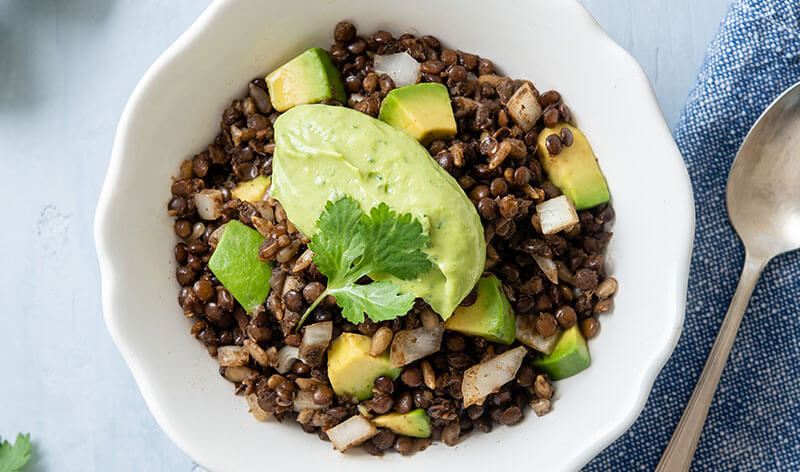
Sunny spiced lentil bowl with avocado lime crema →
Lentils are an excellent fiber source. In this bowl alone — which includes tofu, sunflower seeds, lentils, and avocados — you can enjoy over 13 g of fiber.
If you lack fiber in your diet, you can easily add it to your meals with these recipes. When in doubt, prioritize eating foods like avocados. Not only do they provide 3 g of fiber per serving, but they’re also delicious too! If you want to find more ways to fit avocados into your diet and enjoy the benefits of fiber, check out some of the recipes on Love One Today! Our Registered Dietitians regularly publish avocado-centric recipes for snacks, meals, smoothies, and desserts. With our help, you can focus more on digging deeper into the delicious flavor of avocado.