Make Every Bite Count with a Nutrient-Dense Breakfast

You have probably heard the term “nutrient-dense,” but do you know what it means?

Nutrient-dense foods contain vitamins, minerals, and other important substances for positive health effects, and contain little or no added sugars, refined starches, solid fat, and sodium. Nutrient-dense foods include fruits, such as avocado, vegetables, whole grains, low-fat milk products, seafood, lean meats, eggs, beans, nuts, and seeds.


Get the biggest nutrition bang for your calorie buck.

Eating nutritious foods, such as avocado, in the right amounts, helps maintain a healthy body weight, and may lower your risk for chronic diseases such as diabetes and heart disease.

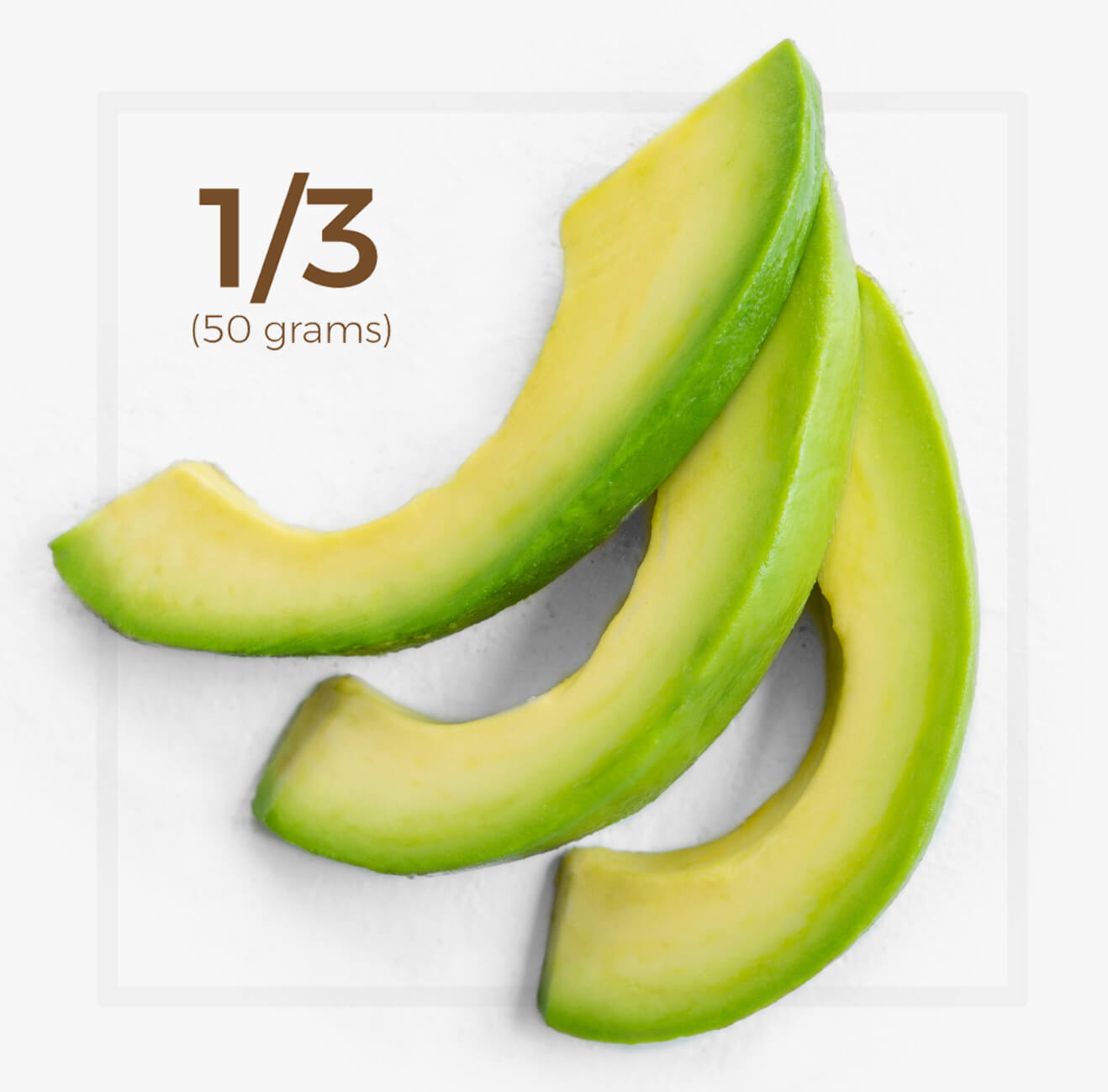
For example, one-third of a medium avocado (50 grams) has 80 calories and contributes nearly 20 vitamins and minerals, making it a healthy, nutrient-dense food choice.
Make the nutrient-dense choice.

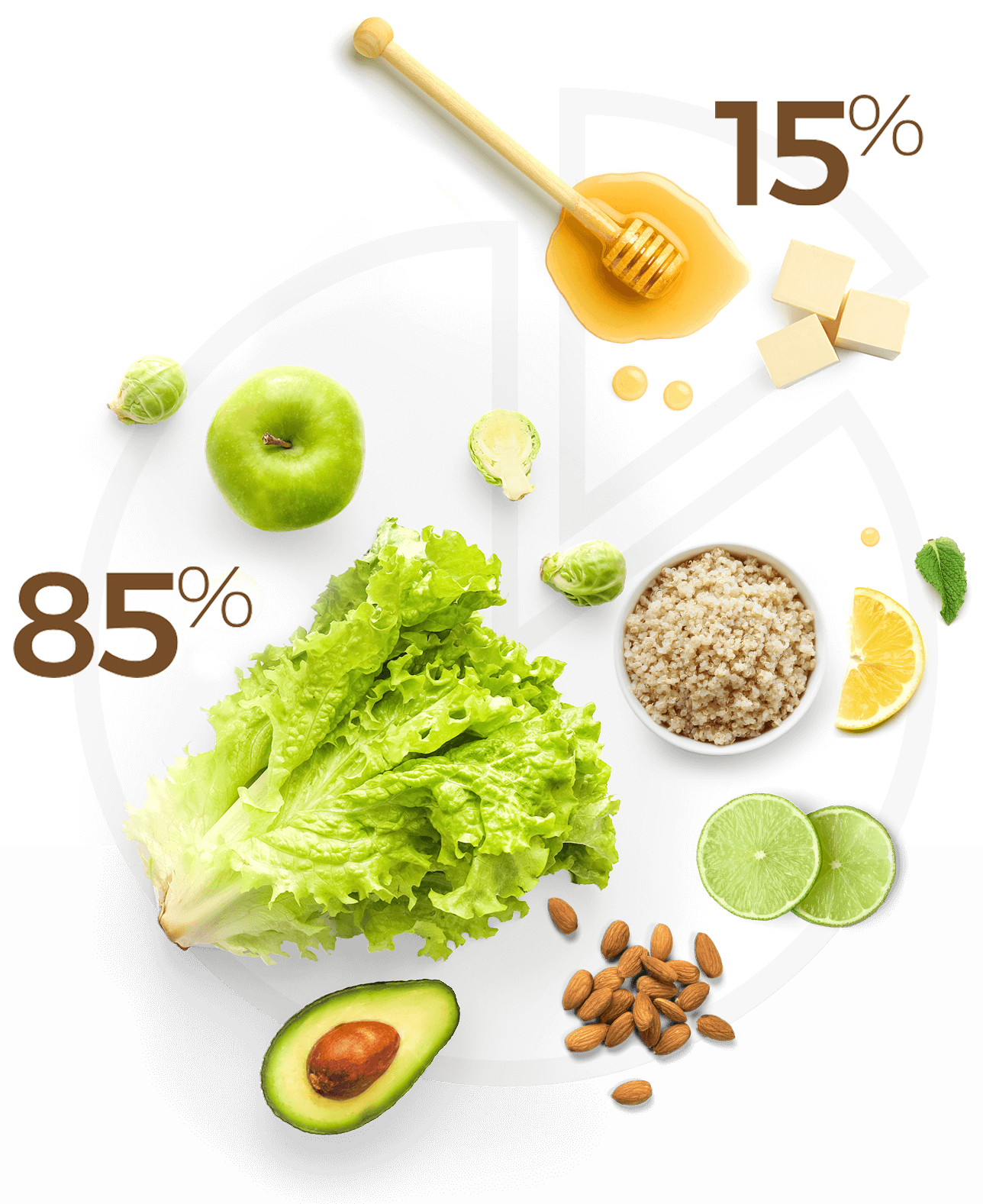
Eating nutrient-dense foods can be easy and delicious if you plan and make thoughtful meal choices. According to the U.S. Dietary Guidelines, 85% of the food you eat should come from nutrient-dense sources.

That leaves 15% of calories for other uses, such as adding a teaspoon of honey to your tea or a pat of butter to your vegetables.

Let’s start with breakfast.

Selecting nutrient-dense food for breakfast and making small shifts in preparation techniques may significantly improve your meal’s overall flavor and calorie level. Think of avocados as your next go-to ingredient to add nutrients and flavor.

Here’s an Example

Typical

Breakfast Sandwich Meal

Plain English Muffin 1
Fried Egg large
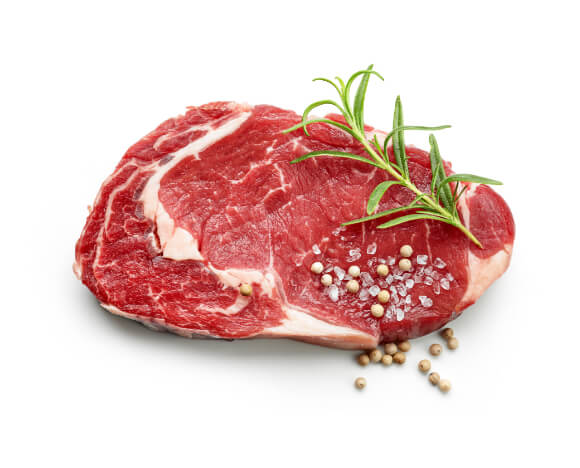
Bacon 3 slices
Cheddar Cheese 1 oz
Hash browns ¼ c
Total Calories 635

Nutrient-Dense

Breakfast Sandwich Meal

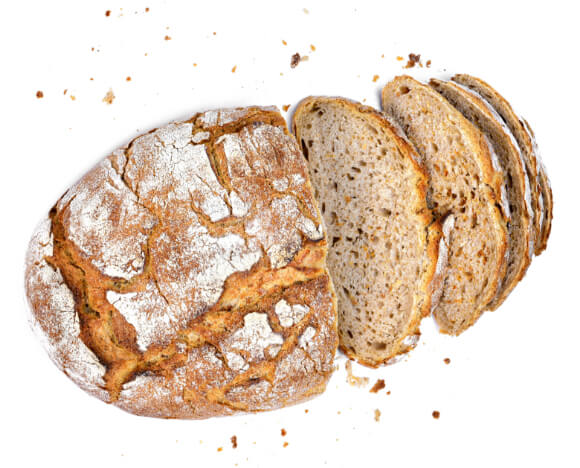
Whole wheat English Muffin 1
Poached Egg large
Canadian Bacon 2 slices
Cheddar Cheese, low-fat 1 oz
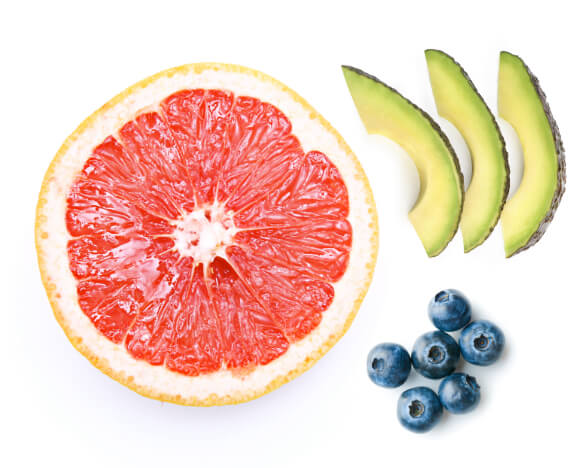
Avocado Slices ⅓ of medium
Grapefruit, medium ½
Total Calories 448

Love Your Heart: Start with a Heart-Healthy Breakfast

Heart-healthy eating is an important way to lower your risk for heart disease.

It begins with healthy food choices containing potassium, fiber, calcium, magnesium, and protein and limiting others containing saturated fat, sodium, and added sugars.

Begin by stocking up on nutrient-dense fruits, vegetables, whole grains, lean proteins, and low-fat dairy products at the grocery store as these make great ingredients for a heart-healthy breakfast. Nutrient-dense foods provide vitamins, minerals, and health-promoting natural compounds.

Whole Grains.

Aim for 100% whole-grains. Food is 100% whole grain if the food label’s first ingredient contains the word “whole,” such as whole wheat or whole oat. It’s still considered a whole grain if water is the first ingredient.

Lean Proteins.

Limit saturated fat by looking for “loin” or “round” cuts of beef, pork, or lamb, using 90% lean ground meats, and removing the skin on poultry before cooking.

Fruits and Vegetables.

Choose fresh, frozen, canned, or dried fruits and vegetables. When selecting fruits, choose options with 0 grams added sugar or canned with 100% juice. Select low-sodium canned or frozen vegetables.

Low-fat Dairy.

Shop for non-fat or 1% milk, low-fat or non-fat cheese, and plain yogurts without added sugars.

Heart-Healthy Breakfast Ideas Using Avocados

Fresh avocados are a hearth healthy fruit and can help you meet the diet recommendations of the American Heart Association. If you are looking for breakfast ideas that contain heart-healthy avocados, check out these delicious fresh avocado recipes below:

Breakfast burrito or wrap:

Create a burrito or breakfast wrap using a 100% whole grain tortilla filled with vegetables, egg or egg whites, avocado, low-fat cheese, and salsa. Avocados are sodium, sugar, and cholesterol-free and contribute nearly 20 nutrients, including vitamins, minerals, dietary fiber, and phytonutrients.

Smoothies:

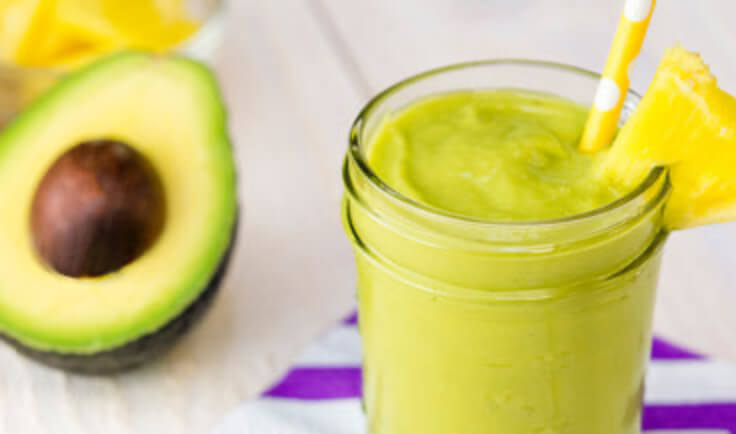
Smoothies are a delicious way to increase your intake of fruits and vegetables. Want more fiber in your smoothie? Avocados are a great fresh-fruit option to help boost fiber intake. One-third of a medium avocado adds 3 grams of fiber, which may help to lower cholesterol. Try this Avocado Berry Smoothie or an Avocado Mango Smoothie.

Avocado toast:

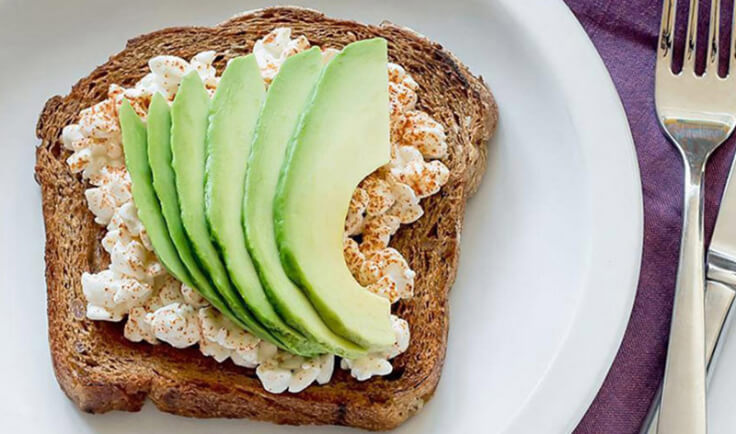
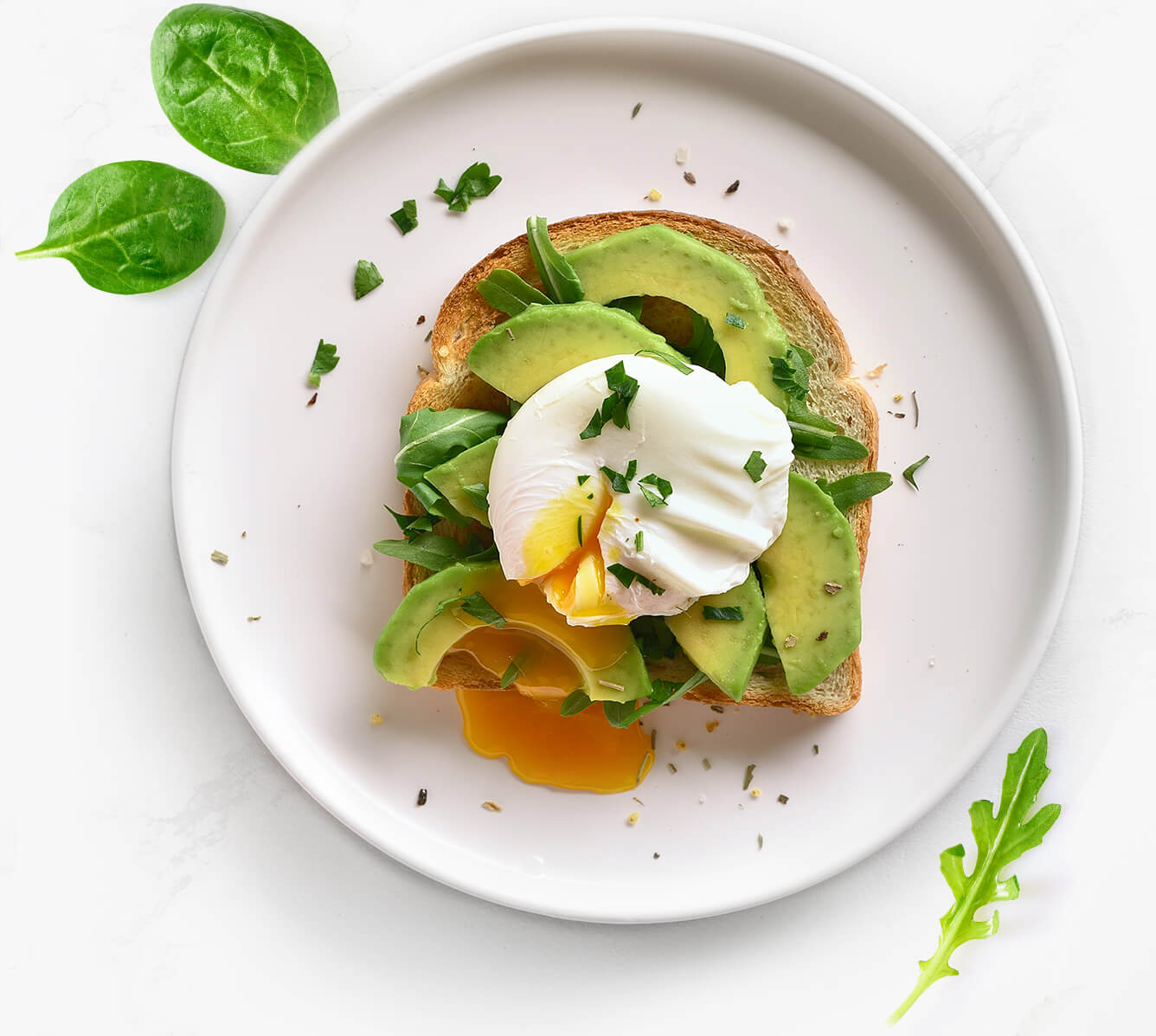
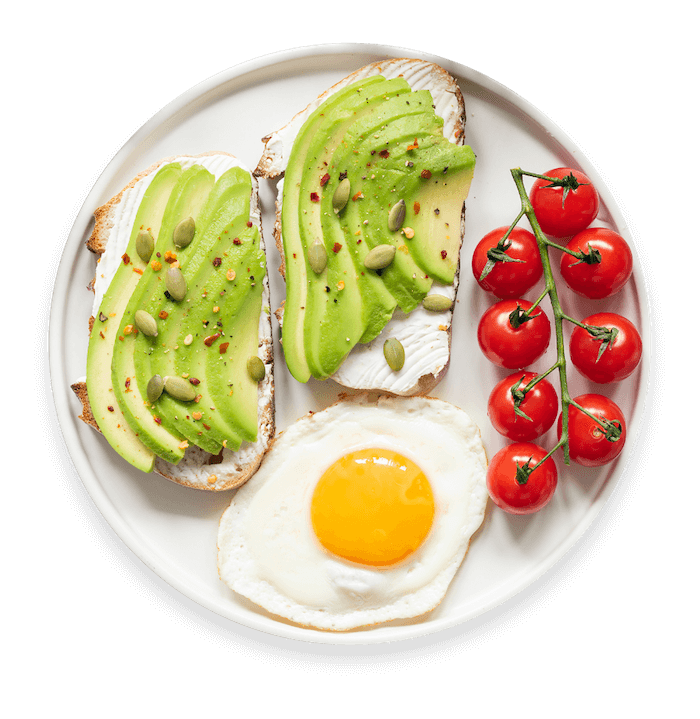
Avocado toast is simple to make, and the recipe combinations are endless. For extra protein, add an egg or low-fat cheese. Here is a fresh take on avocado toast that utilizes creamy 1% cottage cheese.


For more heart-healthy breakfast ideas featuring delicious, healthy avocados, visit the Love One Today recipe section today.

Reduce Saturated Fat and Cholesterol Intake with Fresh Avocados

Do you want to reduce your intake of saturated fats and cholesterol?

Avocados are a nutrient-dense, versatile fruit that can be eaten alone or used in a variety of tasty recipes, all of which can fit into a sensible eating plan.

Because of their versatility, fresh avocados can also be used as a healthier substitute for other spreads in sandwiches, on toast, or even in place of many baking ingredients to help reduce your intake of saturated fat, cholesterol, sodium, and calories.

For those looking for an alternative to the many ingredients out there that are high in saturated fats, a 50g serving of fresh avocados is cholesterol-free, sodium-free, sugar-free and only has 1 gram of saturated fat.

The best part? Most of the fat in avocados is good fat. The Dietary Guidelines for Americans recommends replacing bad fats with good fats; good fats can help improve the intake of dietary fat without raising LDL (bad) cholesterol levels.

Swapping foods that are high in saturated fats for avocado is easy.

01

Swap butter for avocado on your morning toast.

One tablespoon of butter contains approximately 100 calories and 7 grams of saturated fat.

Instead of spreading butter on your toast, mash your avocado into a creamy delicious spread to reduce your saturated fat, cholesterol, and sodium intake.

By comparison, 1/3 of a medium avocado (50 grams) has 80 calories and only 1 gram of saturated fat.

02

Exchange fresh avocado for cheese on your sandwiches and salads.

One slice of cheddar cheese contains 30mg of cholesterol, 5 grams of saturated fat, and 180mg of sodium.

To help reduce your cholesterol intake, switch that cheese for avocado which is sodium-free, sugar-free and cholesterol-free. Plus, avocados are a good source of five essential nutrients – fiber, folate, vitamin K, pantothenic acid, and copper.

03

Mix up your dips with a creamy avocado alternative.

It is normal to reach for mayonnaise or sour cream to make a tasty dip, but avocado is a delicious good fat alternative. Avocados are a unique and healthy fruit because they contain unsaturated fat — and can act as a nutrient booster by helping increase the absorption of fat-soluble nutrients like vitamins A, D, K, and E.

Avocados contain 6 grams of naturally good fat per 1/3 of a medium avocado. To help lower saturated fat intake, dip ingredients that are high in saturated fats can be exchanged with pureed avocados at a 1:1 ratio.

Spread & Dip Nutritional Comparison1

FRESH AVOCADO

Serving Size: 50g
Calories: 80
Total Fat: 8g
Sat Fat: 1g
Cholesterol: 0mg
Sodium: 0mg

BUTTER

Serving Size: 1 Tbsp
Calories: 100
Total Fat: 12g
Sat Fat: 7g
Cholesterol: 30mg
Sodium: 90mg

SOUR CREAM

Serving Size: 2 Tbps
Calories: 45
Total Fat: 4.5g
Sat Fat: 3g
Cholesterol: 10mg
Sodium: 10mg

MARGARINE

Serving Size: 1 Tbps
Calories: 100
Total Fat: 11g
Sat Fat: 2g
Cholesterol: 0mg
Sodium: 95mg

CHEDDAR CHEESE

Serving Size: 1oz (1 slice)
Calories: 110
Total Fat: 9g
Sat Fat: 5g
Cholesterol: 30mg
Sodium: 180mg

REGULAR MAYONNAISE

Serving Size: 1 Tbps
Calories: 90
Total Fat: 10g
Sat Fat: 1.5g
Cholesterol: 5mg
Sodium: 90mg

04

Use fresh avocados to replace baking ingredients that are high in saturated fat.

Due to their creamy texture, most standard baking ingredients that are high in saturated fat can be substituted one to one for pureed avocado. If your recipe calls for a half cup of an ingredient that is high in saturated fat, replace it with half a cup of pureed avocados to lower your intake of saturated fat.

The American Heart Association recommends eating less nutrient-poor foods and limiting the amount of saturated fat, added sugars, and sodium. The majority of the fat in one’s diet should be unsaturated; the predominant fat in avocados is unsaturated (good) fat. This makes avocado a great alternative in baking, and the high-water content means that your baked goods will remain moist. Aside from the nutritional benefits, avocado is also useful if you are looking for a vegan substitute in baking.

Try these taste bud-approved baking recipes to help reduce your intake of saturated fats:

Mexican “Hot Chocolate” Spiced Avocado Mini Muffin Bites

Chocolate + fresh avocado + cayenne = a chocolatey muffin bite with a kick and only 1 gram of saturated fat per serving.

Avocado Pumpkin Spice Cake

A nutrient-boosted tasty treat with only 0.5 grams of saturated fat per serving.

Avocado Oatmeal Breakfast Cookies

A delicious recipe for cookies that only contain 1 gram of saturated fat per serving.

Vegan Dark Chocolate Avocado Cupcakes

Fresh avocados make for an irresistible velvety chocolate cupcake and icing that fits into a vegan diet.

Baking Ingredients Nutritional Comparison2

FRESH AVOCADO

Serving Size: 1/3 of a medium avocado (50g)
Calories: 80
Total Fat: 8g
Sat Fat: 1g
Cholesterol: 0mg
Sodium: 0mg

BUTTER, UNSALTED

Serving Size: 1 Tbsp
Calories: 100
Total Fat: 12g
Sat Fat: 7g
Cholesterol: 30mg
Sodium: 0mg

SHORTENING

Serving Size: 2 Tbps
Calories: 113
Total Fat: 13g
Sat Fat: 3g
Cholesterol: 0mg
Sodium: 0mg

MARGARINE

Serving Size: 1 Tbps
Calories: 100
Total Fat: 11g
Sat Fat: 2g
Cholesterol: 0mg
Sodium: 105mg

CREAM CHEESE

Serving Size: 2 Tbps
Calories: 100
Total Fat: 10g
Sat Fat: 6g
Cholesterol: 30mg
Sodium: 105mg

CANOLA OIL

Serving Size: 1 Tbps
Calories: 120
Total Fat: 14g
Sat Fat: 1g
Cholesterol: 0mg
Sodium: 0mg


Reference:
1. USDA National Nutrient Database for Standard Reference, Release 28 (2018) Spread & dip nutrition data given for butter, salted; sour cream, cultured; margarine, regular, 80% fat, composite, tub, with salt; cheddar cheese; and salad dressing, mayonnaise, regular.
2. USDA National Nutrient Database for Standard Reference, Release 28 (2015) Baking ingredients nutrition data given for butter, unsalted; Shortening, household, soybean (hydrogenated) and palm; margarine, regular, 80% fat, composite, stick, with salt; cheese, cream; and canola oil, UPC: 858005002211.
 

Diabetes, Carbohydrate Counting, and Avocados

Carb Counting for Diabetes

Healthy foods and meal planning are critical components of regulating blood sugar and diabetes management. It’s essential to plan for regular, balanced meals that contain about the same amount of carbohydrates at each mealtime. The goal is not to eliminate carbohydrates in the diet, but to eat a consistent amount throughout the day to help regulate and keep your blood sugar level within a target range.


What is carbohydrate or “carb” counting?

Calories in food come from three sources: carbohydrate, protein, and fat.

Each calorie source affects blood sugar or glycemic response differently. Carbs have the biggest effect on your blood sugar.

It is easier to control your blood sugar when you know how many grams of carbohydrates are in your meals, snacks, and drinks.

Counting your carb intake helps to keep your blood sugar levels regulated and makes meal planning easier. You don’t need to avoid desserts or other foods that you enjoy. But, by counting carbs in a meal, you will know how much of each food you can eat.

There are three types of carbohydrate: sugars, starches, and fibers.

You should try to eat healthy carbohydrates from foods such as vegetables, fruits including avocado, whole grains, beans, and low-fat dairy products.

You should limit added sugars and refined grains including sweets, baked goods, candy, white bread, white rice, and ice cream, and beverages with added sugars, such as juice, regular soda, and regular sports or energy drinks.

Avocado and blood glucose levels

  • Unlike most other fruits, avocados do not contain sugar, and one serving does not affect glycemic response.
  • One-third of a medium avocado contains 4 grams of carbohydrate, with 3 grams of fiber.
  • The carbohydrate found in avocado is 79% fiber. Fiber helps prevent rapid rises in blood sugar following a meal.

What about other foods such as meat and fats?

Food sources of proteins such as meat, fish, eggs, along with dietary fats, affect blood sugar less than foods containing carbohydrates. Choose foods that are high in polyunsaturated and monounsaturated fats and low in saturated fat. Oils can raise your blood sugar, but not as fast as starch. When preparing protein foods, remove the skin from poultry, select lean cuts of meat, trim visible fat, and choose to bake, roast, broil, grills, or boil meats instead of frying to help regulate your blood sugar.

How to count carbs for diabetes

Generally, it would be best if you aimed to get about half of your calories from carbs. That means if you usually eat about 1,800 calories a day to maintain a healthy weight, then approximately 900 calories can come from carbohydrates. At 4 calories per gram (900 calories / 4 calories), that translates to about 225 grams of carbs a day.

Try to split up eating those sources of carbohydrate across all of your meals to keep your blood sugar levels regulated throughout the day. When you are learning how to count carbs for your diabetes, record them in a logbook. As time passes, it will get easier to estimate the amount of carbs in your meals.

Sample Carb Counting Menu

This one-day meal plan contains:

1,844 calories

+

216 grams of carbohydrates

+

43 grams of fiber

Breakfast

MEAL CARBOHYDRATE (Grams)
Avocado Toast
2 slices whole wheat toast 47
½ medium avocado 6
1 hardboiled egg 1
1 cup low-fat milk 13
Total Carbs 67

Lunch

MEAL CARBOHYDRATE (Grams)
Vegetarian Burrito
1 10-inch flour tortilla 36
1/2 cup refried beans 18
1/3 medium avocado 4
¼ cup mixed vegetables 8
2 Tbsp chopped tomato 1
½ cup shredded lettuce 1
4 Tbsp salsa 4
¼ cup cheddar cheese 1
Total Carbs 73

Snack

MEAL CARBOHYDRATE (Grams)
 
1 small celery stalk 1
1/2 medium apple 13
1 Tbsp. almond butter 3
Total Carbs 17

Dinner

MEAL CARBOHYDRATE (Grams)
 
6 oz baked chicken breast 0
1 cup carrots 12
1 cup broccoli 6
½ cup whole wheat pasta 28
1 tbsp margarine 0
1 medium peach 14
Total Carbs 60

Simple Measures

Carb counting is an easy eating tool that will allow you to eat the food you enjoy, while also helping to regulate your blood sugar. With any new skill, it takes practice. To improve your confidence and accuracy, measure out your foods. Remember to count carbohydrates from all food sources.

Note: Please do not use carb counting in place of medical treatment. Always talk to a doctor or dietitian who can calculate your daily carbohydrate needs.

Avocado & Glycemic Index

Type 2 Diabetes icon

Type 2 Diabetes & Dietary Management

According to the American Diabetes Association, a variety of diets and meal plans can help you manage your diabetes. That is why it’s important to work with a registered dietitian (RD) or certified diabetes educator (CDE) to build a meal plan that is tailored to individual preferences and lifestyles and supports three key issues for managing diabetes:

  • Healthy blood glucose, cholesterol and triglyceride levels
  • Healthy blood pressure
  • Healthy weight

Below are two different approaches that can help you use a healthy diet to manage blood glucose: glycemic index and carb counting.

Remember, healthy diabetes management through diet is all about finding the right balance that works for you.

1

Glycemic Index

The glycemic index (GI), measures how foods having equal amounts of carbs raise your blood glucose. Foods are ranked based on how they compare to either glucose or white bread (on a scale of 0-100).

Several considerations may allow for people with diabetes to enjoy a variety of foods:

Pair wisely

The GI of a food differs when eaten alone compared to when you combine foods. Add foods with protein, good fat and/or fiber to slow uptake of glucose into the body. Carbs can raise your blood sugar faster and higher than protein or fat.

Watch portions

The GI value helps you determine how a food affects your blood glucose but it says nothing about the amount of food typically eaten. Portion sizes are still relevant for managing blood glucose and for losing or maintaining weight.

Find the right mix

Food impacts everybody differently. Always work with a registered dietitian or diabetes educator to develop a plan that’s good for you.

Unlike most other fruits, a serving of avocado contains zero grams of naturally occurring sugar and does not affect the glycemic response. Avocados do not have a glycemic index or glycemic load value.

2

Counting Carbs

Carb counting supports flexible meal planning and may help manage blood glucose levels – especially when insulin is taken two or more times a day.

Here’s how to do it:

one serving one-third avocado

Know the serving size.

All nutrients are listed per serving on a food label. This allows you to multiple or divide to find out how many carbohydrates (and other nutrients) you are actually eating. A serving is not a guideline or recommendation. Read more about dietary guidelines.

One serving of avocado = 1/3 medium avocado (50g). If you plan to consume two servings, multiply all the numbers on the label times two.

avocado and label

Look at total carbs.

On the label, total carbs include added sugars and dietary fiber which are listed separately to provide more information about the nutrition of the foods you are eating.

One serving of avocado = 4 grams of total carbs, including 3 grams of fiber and 0 grams of sugar.

avocado, carrot, cheese, chips, and granola bar

Add it up throughout the day.

Find the right balance of carbs, calories and portions that will satisfy you. This can take time and may also change as other factors in your life change.

Read more about avocados and carbohydrates.

Avocados and Plant Sterols

What are Plant Sterols?

  • Plant sterols, also known as phytosterols, are a group of compounds found in plants.
  • Plant sterols block the absorption of dietary cholesterol into your body.
  • Certain whole foods, like fruits and vegetables, whole grains, oils, legumes, and nuts, contain plant sterols.
  • The most common types of plant sterols are beta-sitosterol, campersterol, and stigmasterol.
Avocados and sterols

Did You Know

Avocados are the richest known fruit source of phytosterols (38 mg beta-sitosterol per 50 g). These compounds lower cholesterol when consumed twice daily as part of a low saturated fat and cholesterol diet.

Plant Sterols, Diet and Lifestyle

Scientific evidence has documented the cholesterol-lowering effects of plant sterols.

Sterols may reduce the risk of heart disease when consumed twice daily as part of a diet low in saturated fat and cholesterol. The sterols help to lower total and LDL (bad) cholesterol levels in the blood.

Here are a few easy ways to include plant sterols in your diet:

Toast with cottage cheese and avocado

Top your toast with healthy plant-based spreads. For a creative twist, try this heart-healthy breakfast toast with cottage cheese and avocado.

Avocado and banana overnight oats

Combine with foods containing fiber for a cholesterol-lowering power pair! Prepare this heart-healthy avocado and banana overnight oats for a quick, nutritious, and delicious breakfast.

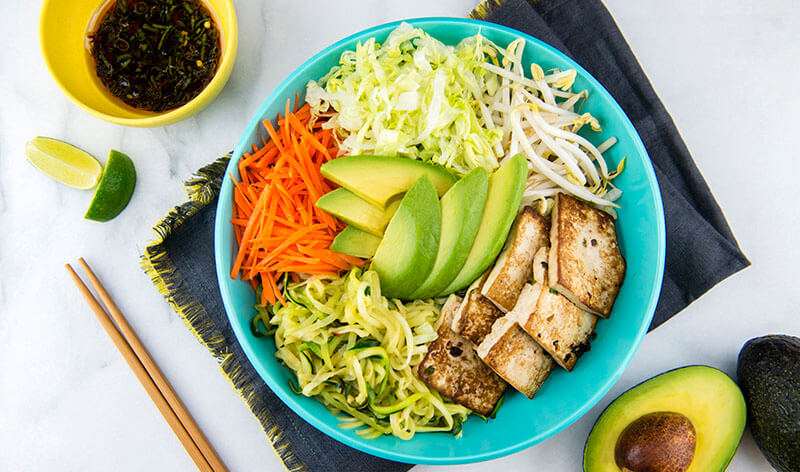
Avocado zoodle salad bowl

Boost the benefits with more vegetables. Try this heart-healthy Vietnamese avocado zoodle salad bowl, which is packed with vegetables and a soy-based protein.

avocados and plant sterols

Avocados and Plant Sterols

Fresh avocados are the richest known fruit source of plant sterols.

Avocados contain 38 milligrams of plant sterol (beta-sitosterol) per 50 g serving

The Food and Drug Administration (FDA) states you may reduce your risk for heart disease if you consume 1.3 grams or more per day of plant sterol esters as part of a low saturated fat and cholesterol diet.

Managing healthy cholesterol levels starts with understanding your risk factors.

Always consult with a registered dietitian or another health professional to put together a plan that is right for you.

Managing Cholesterol Naturally With Avocados

To naturally manage cholesterol, focus on a heart-healthy diet rich in fiber, healthy fats, and lean protein while limiting saturated and trans fats. Avocados are a particularly beneficial food due to their monounsaturated fats and fiber content, which can help lower LDL (“bad”) cholesterol and support HDL (“good”) cholesterol.

avocado halves

How to Manage Cholesterol Naturally:

  • Eat More Soluble Fiber: Found in oats, beans, lentils, and vegetables and fruits like avocados, soluble fiber helps remove cholesterol from the body.
  • Incorporate Healthy Fats: Avocados, nuts, seeds, and fatty fish provide heart-healthy monounsaturated and omega-3 fats.
  • Limit Saturated & Trans Fats: Reduce processed foods, full-fat dairy, and fatty meats.
  • Stay Active: At least 150 minutes of moderate exercise per week can improve cholesterol levels.
  • Maintain a Healthy Weight: Losing even a small amount of weight can positively impact cholesterol.
  • Quit Smoking & Manage Stress: Both can significantly improve heart health.

How Avocados Help:

  • Cholesterol-Free: Avocados contain no dietary cholesterol and are naturally heart-healthy.
  • Monounsaturated Fats: These fats can lower LDL and increase HDL cholesterol. Avocados provide 5 g of monounsaturated fats per 50 g serving.
  • Good Source of Fiber: A 50 g serving of avocado provides 3 g of fiber, which supports cholesterol management.
  • Nutrient-Dense: Avocados contain 38 mg of phytosterols per 50 g serving, which may help maintain healthy cholesterol levels.

While no single food can drastically change cholesterol overnight, incorporating avocados into a balanced diet can be a powerful step toward heart health.

Managing Cholesterol Naturally With Avocados

Your body makes all the cholesterol that it needs to survive, so you don’t need to eat dietary cholesterol. Dietary cholesterol comes from animal products, including meat, seafood, poultry, eggs, and dairy, alongside tropical oils, processed foods, and fried foods.

While no single food can magically change your cholesterol levels overnight, consistently eating heart-healthy foods can help over time. Avocados stand out above others for several reasons. These creamy fruits are naturally cholesterol-free and provide monounsaturated fats and fiber, which can contribute to healthy cholesterol levels.

avocados and cholesterol

Understanding Cholesterol

Cholesterol is a waxy, fat-like substance that supports cell membrane structure, hormone production, and digestion. However, imbalances in cholesterol levels can increase the risk of heart disease and related conditions.

LDL vs. HDL Cholesterol

Cholesterol is carried through the bloodstream by lipoproteins, which come in two primary forms: low-density lipoprotein (LDL) and high-density lipoprotein (HDL). Here’s the difference between the two:

  • LDL cholesterol: Often called “bad” cholesterol, it carries cholesterol to your tissues. If you have too much LDL, it can stick to the walls of your arteries and form plaques, which narrow or block blood flow.
  • HDL cholesterol: Known as “good” cholesterol, HDL helps remove excess LDL from the bloodstream by moving it to the liver, where it is broken down and removed. Higher HDL levels can indicate a lower risk of heart problems.

In a clinical trial, participants who ate an avocado a day as part of a moderate-fat diet reduced total cholesterol and bad LDL cholesterol and improved the ratio of total cholesterol to good HDL cholesterol compared to participants who did not consume avocado (low-fat or moderate-fat oils diets).

In a randomized, double-blind, crossover feeding study, 42 adults with elevated triglycerides completed two 3-week diets: one including a daily Hass avocado and a matched control diet. The avocado diet lowered non-HDL (“bad”) cholesterol by about 5%, VLDL cholesterol by about 9%, and triglycerides by about 17%, supporting Hass avocados as a heart-healthy food.

These studies were supported by the Avocado Nutrition Center. Results cannot be generalized to larger, more diverse populations.

How Triglycerides Affect Cholesterol Levels

Cholesterol is not the only lipid in your bloodstream that affects your health. Triglycerides are a type of fat in your blood that your body uses for energy. They form when extra calories are converted into fat. While they’re important in small amounts, high triglyceride levels, especially along with high LDL or low HDL cholesterol, can increase the risk of heart disease.

A clinical trial studied the effects of 31 overweight adults eating a breakfast meal containing a whole avocado or no avocado on assessed vascular health, blood lipid profiles, glucose, and insulin. The Avocado Nutrition Center funded the study, and researchers collected data for six hours after the meal. Though more research is needed to generalize the results to all people, the findings support the growing body of evidence demonstrating avocados as a heart-healthy fruit.

avocados and breakfast

How Your Lifestyle Impacts Your Cholesterol Levels

Your lifestyle has the most significant impact on cholesterol and heart health. A heart-healthy routine includes eating healthy foods, staying active, and avoiding harmful habits.

dinner icon

Poor diet:
Eating too much saturated fat, trans fat, refined sugar, and processed foods can contribute to higher levels of LDL cholesterol and lower levels of HDL cholesterol.

exercise icon

Lack of exercise:
A sedentary lifestyle can lead to weight gain and unhealthy cholesterol levels, with higher LDL and triglycerides and lower HDL.

smoking icon

Smoking:
Smoking damages your blood vessels and lowers HDL cholesterol, raising your heart disease risk.

obesity icon

Obesity:
Being overweight is linked to higher LDL, lower HDL, and elevated triglycerides.

genetics icon

Genetics:
Some people inherit a tendency for high cholesterol, making healthy habits even more important.

These factors can contribute to higher LDL cholesterol levels, but making healthy choices can lead to healthier cholesterol levels.

The Connection Between Cholesterol and Diet

Diet is one of the most prominent aspects of your lifestyle that can affect your cholesterol levels. Saturated fats (found in animal products, fatty meats, butter, full-fat dairy, and fried or processed foods) can raise LDL cholesterol and clog arteries. Conversely, foods with healthy fats and fiber can help improve cholesterol levels and help your body feel its best.

In a meta-analysis (202 participants, seven studies), when compared to an avocado-free diet, researchers found that including avocado in a diet increased good HDL-cholesterol (HDL-C), and decreased total cholesterol:HDL-C and bad LDL-C to HDL-C ratio. When reported, the daily avocado intake ranged from one to 3.7 medium avocados. Only studies of at least three weeks in length were included in the analysis. This study was funded by the Avocado Nutrition Center and includes limitations such as a small number of subjects reporting data with a wide range of participant characteristics. This study type does not demonstrate cause and effect.

How to Manage Your Cholesterol Naturally

Simple changes can help improve cholesterol levels and overall well-being. However, you should always check with your doctor before making major changes to your diet or lifestyle to ensure they’re right for you.

Stay Hydrated

Hydration is essential for overall health, including heart health. While drinking water won’t directly lower cholesterol, it helps your body perform key functions like circulation, digestion, and nutrient transport. When your body can do these things well, it can support your heart more efficiently.

To stay hydrated, try to:

  • Drink at least 8 cups (64 ounces) of water daily, or more if you’re active or in a warm climate.
  • Keep a reusable water bottle with you to make it easier to drink water throughout the day.
  • Add foods that contain water, like cucumbers, watermelon, and oranges, to your diet. Seventy-nine percent of an avocado’s weight is fiber and water.

The more hydrated you are, the better you can bolster your heart health.

Eat More Fiber

Dietary fiber from fruit, as part of an overall healthy diet, helps reduce blood cholesterol levels and may lower the risk of heart disease. Avocados are a good source of fiber and a great way to add variety to the diet. Soluble fiber, in particular, binds to cholesterol in the digestive system, helping the body remove it before it can enter the bloodstream.

Some great foods with fiber to incorporate include:

  • Whole grains like oats, barley, and quinoa.
  • Beans and lentils such as black beans, chickpeas, and kidney beans.
  • Fruits like apples, berries, avocados, oranges, and pears.
  • Vegetables like broccoli, Brussels sprouts, and sweet potatoes.

The current recommended fiber intake is 28 g for every 2,000 caloriesyou eat daily. So, if you eat an average of 2,000 calories daily, you should consume 28 g of fiber. The American Heart Association recommends that this fiber comes from your food, not supplements or vitamins.

Incorporate Nuts and Seeds

Nuts and seeds can help you manage cholesterol levels. They contain healthy fats, fiber, and plant sterols, all of which may influence LDL and HDL cholesterol levels. Many varieties, like walnuts and flaxseeds, contain omega-3 fatty acids, which support heart health by contributing to lower inflammation.

Some heart-healthy nuts and seeds to try include:

Nuts and seeds are also easy to add to your diet. Whether adding chia seeds to your yogurt or sprinkling walnuts into your salad, you can enjoy a heart-healthy snack in plenty of ways.

LDL vs. HDL Cholesterol

Creating meals that support cholesterol management and heart health doesn’t have to be complicated. To build a heart-healthy plate, include:

  • Healthy fats: Choose unsaturated fats from avocados, olive oil, nuts, and fatty fish, and limit saturated fats.
  • Foods with fiber: Incorporate whole grains, fruits, vegetables, and legumes to promote digestion and reduce cholesterol.
  • Lean proteins: To minimize saturated fat, use plant-based proteins like beans and tofu or lean options like poultry and fish.
  • Low sodium: Avoid processed foods with added sodium and be mindful of your salt usage while cooking.
  • Controlled portions: Practice mindful eating to avoid overeating and maintain a healthy weight.

Building meals with these elements helps you support cholesterol health and overall cardiovascular wellness.

The Power of Avocados

Avocados are often called a superfood, and for good reason. One of their standout features is their high content of monounsaturated fats, particularly oleic acid. These healthy fats work by lowering “bad” LDL cholesterol levels — they can reduce its production in the liver and help clear it from your bloodstream. Avocados are essentially the only fruit with good fats. The Dietary Guidelines for Americans recommends replacing bad fats with good fats as good fats offer benefits in the body without raising LDL (bad) cholesterol levels.

Avocados and Cholesterol

A meta-analysis evaluated the impact of avocado intake on LDL cholesterol. Researchers concluded with moderate evidence that avocado intake has a medium to large effect on LDL-C levels. This study relies on published work, presenting unique limitations, and the findings cannot be generalized to all populations. The researchers assessed the risk of bias and strength of evidence for each of the 12 clinical trials and 14 comparisons.

Avocados also contribute phytosterols (38 mg of beta-sitosterol per 50 g serving), which may help maintain healthy cholesterol levels. Sterols consumed twice daily as part of a low-in-saturated-fat-and-cholesterol diet help to lower total and LDL (bad) cholesterol levels in the blood.

Avocados and Cholesterol

Adding avocados to your regular diet opens up a world of possibilities. Here are some of our favorite avocado recipes.

Heart-Healthy Recipes with Avocado

Incorporating avocados into your meals is a delicious and versatile way to support heart health. Their creamy texture, mild flavor, and nutrient profile make them a fantastic addition to most dishes. Whether you’re looking for breakfast ideas, snacks, or main courses, here are some recipes to get you started:

Smoothies and Shakes

These smoothies and shakes are perfect when you need a quick boost or want to elevate your meals with an extra-healthy drink.

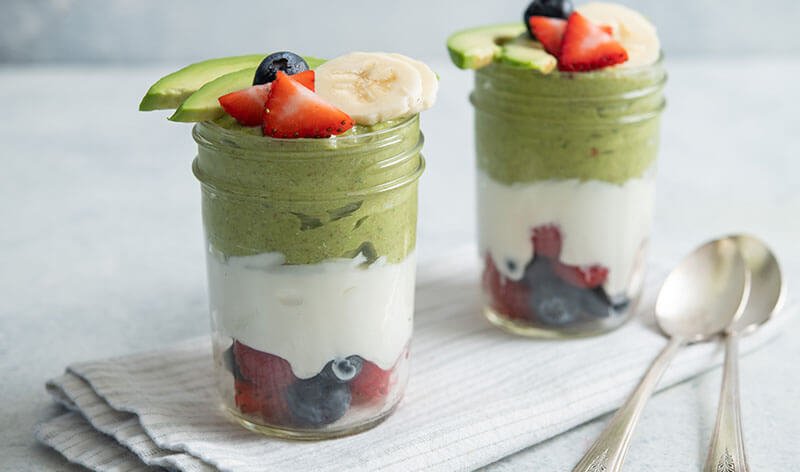
Avocado Smoothie Parfait

Avocado Smoothie Parfait →

With Greek yogurt, fresh berries, and a blended avocado smoothie, this layered treat tastes as good as it looks.

Tropical Avocado Mango Smoothie

Tropical Avocado Mango Smoothie →

Almond milk, tropical fruits, and avocado come together in this smoothie to make the perfect heart-healthy summer drink.

Avocado Berry Bliss Smoothie

Avocado Berry Bliss Smoothie →

Frozen berries, flax seeds, and orange juice make this quick beverage refreshing and delicious.

These recipes are great to make ahead and drink throughout the week.


Sandwiches, Wraps, and Lunches

Finding a quick, tasty, and healthy lunch to take to work can be challenging. These recipes make it easier.

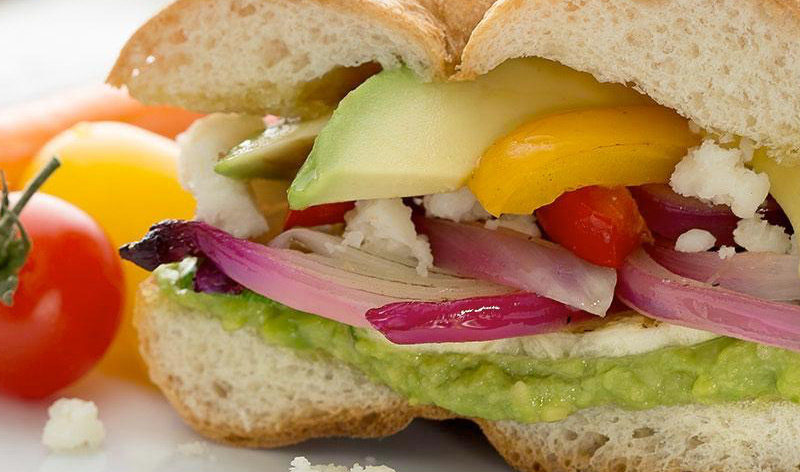
Avocado and Grilled Veggie Torta

Avocado and Grilled Veggie Torta →

Grilled veggies and crumbled cotija cheese make this light sandwich vibrant and intriguing.

Heart-Healthy Grilled Chicken Flatbread

Heart-Healthy Grilled Chicken Flatbread Tacos →

This flavorful lunch option has avocado yogurt, grilled chicken, and a vibrant chopped salad.

Turkey Avocado Lettuce Tacos

Turkey Avocado Lettuce “Tacos” →

With lettuce in place of traditional taco shells, this recipe looks good and is even better for your heart.

Avocado Cauliflower Pizza

Avocado Cauliflower Pizza →

Who says pizza can’t be good for you? The cauliflower crust, homemade pesto, and smattering of veggies will make this pizza your favorite weekend lunch recipe.

These lunches are essential, whether you eat at your desk or cook at home.


Heart-Healthy Meals Digestion

These meals are great for your heart. You can eat these meals without worrying about their low dietary cholesterol content.

Cumin Lime Shrimp over Creamy Cauliflower Risotto

Cumin Lime Shrimp over Creamy Cauliflower Risotto →

Want to impress your spouse with a new recipe? Try this one. Creamy risotto and zesty shrimp combine perfectly.

Oven-Roasted Salmon With Avocado Citrus Salsa

Oven-Roasted Salmon With Avocado Citrus Salsa →

A zesty avocado citrus salsa pairs perfectly with tender oven-roasted salmon for a light, heart-healthy dinner.

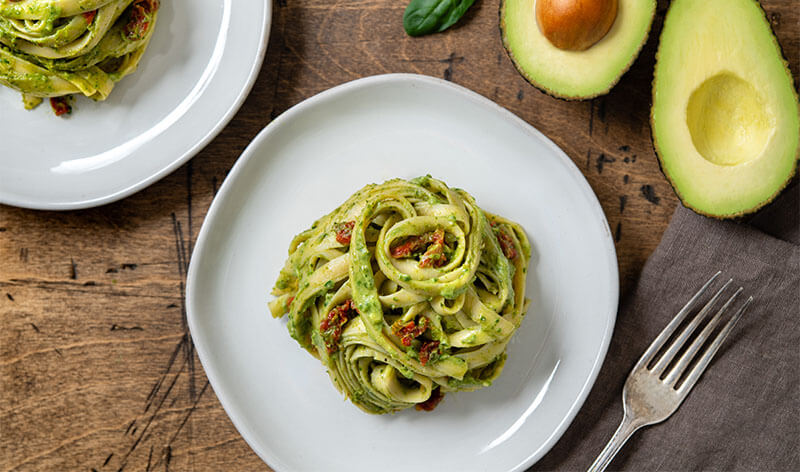
Fettuccini AvoFredo

Fettuccini AvoFredo →

A creamy avocado-based twist on classic Alfredo sauce makes this pasta dish both indulgent and nutritious.

Baked Potato with Salsa Fresca and Avocado

Baked Potato with Salsa Fresca and Avocado →

A simple baked potato gets a vibrant upgrade with fresh salsa and creamy avocado for a flavorful and wholesome side or snack.

Eating heart-healthy doesn’t have to be bland with our recipes.


Snacks and Sweet Treats

Sometimes, you just need a little treat. Here are some treats you can feel good about.

Berry Avocado Baked Oats

Berry Avocado Baked Oats Bowl →

This sweet naked treat is just as an after-dinner treat as it is an early morning pick-me-up. Perfect for new bakers or families, these bars are sweet and delicious.

Avocado Banana Ice Cream

Avocado Banana “Ice Cream” →

Finally, an ice cream that’s good for your heart! This recipe uses bananas and avocado to create a delicious, creamy frozen treat.

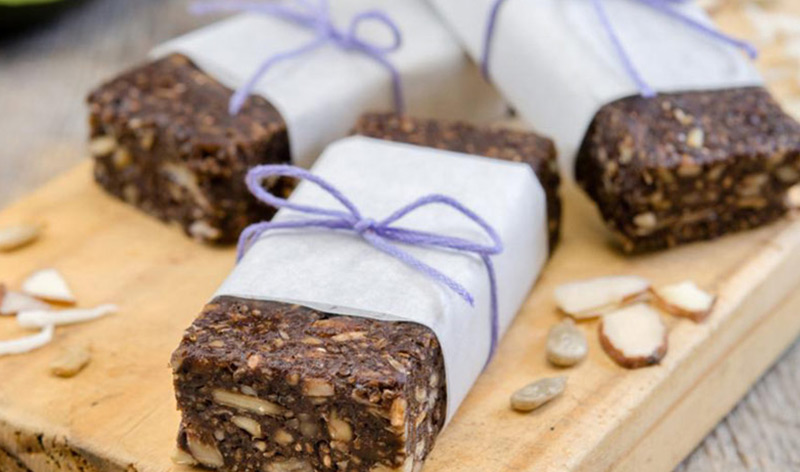
Chocolate Avocado Energy Bars

Chocolate Avocado Energy Bars →

With four grams of protein in each serving, these bars are perfect for an afternoon snack.

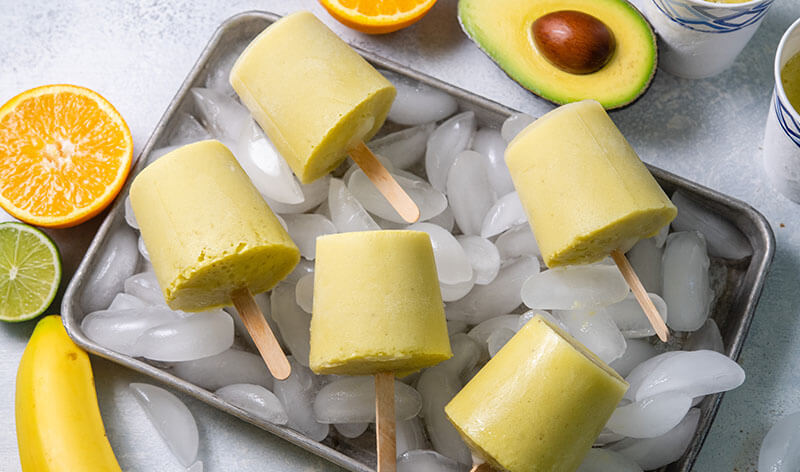
Frozen Avocado Banana Paleta

Frozen Avocado Banana Paleta →

Need to beat the heat while still protecting your heart? Try these paletas, delicious frozen blended popsicles that taste as good as they look.

Luckily, avocados let you snack without guilt.

Incorporating avocados into your diet is a delicious and easy way to support heart health and manage cholesterol naturally. With monounsaturated fats, fiber, and essential nutrients, avocados can elevate any meal.

Looking for more inspiration?
Visit Love One Today for various avocado recipes and expert nutrition tips. From breakfast to dinner — and everything in between — you’ll find simple, heart-healthy ways to enjoy the many benefits of avocados. Explore now and start making healthier choices today!

FAQs About Managing Cholesterol Naturally

Getting Smart on Low Carb: How Do Avocados Fit?

Do I need to eat carbohydrates? Can just lowering carbs help me lose weight? Can I still eat avocados if I'm trying to eat lower carb?

What Is Low Carb?

There’s an ongoing debate about whether eating low carb is essential for weight management. You probably see low carb advertised on many product labels in the grocery store. But did you know the Food and Drug Administration does not regulate this term, and there is no standard definition?

Although carbs get a bad rap, the lack of science-based guidelines for low-carb diets makes matters worse. What we do know is that even if you focus on carbohydrates, you can still eat too many calories. So, the most important thing to do is get smart on carbs.


What Do
Carbohydrates Do?

When you eat carbs, your digestive system changes carbohydrates into glucose (blood sugar). Your body uses the sugar for energy and stores the extra glucose in your liver and muscles for when you need it later. If your liver and muscle stores get full, then glucose is turned into body fat.

Fruits, vegetables, dairy, and grains all fuel your body with carbohydrates. Foods with added sugars and sweeteners like candy, soft drinks, and cookies also contain carbohydrates. For a healthy diet, you should limit added sugar and sweeteners, and instead choose carbohydrates from fruits, vegetables, dairy, and whole grains.

What’s Fiber?

Fiber is a type of carbohydrate that adds bulkiness to your meal and makes you feel full faster. It also helps with digestion and can prevent constipation. Diets rich in healthy foods containing fiber, such as avocados, may reduce the risk of heart disease, obesity, and type 2 diabetes.

It’s always better to get fiber from food than dietary supplements. To eat more fiber, include these plant-based foods in your diet:

  • Dry beans, peas, and lentils.
  • Nuts and seeds.
  • Fruits and vegetables, including avocados.
  • Whole-grain breads and cereals.

How Many Carbs and Fiber Are in a Serving of Avocado?

One-third of a medium avocado contains 3 grams of fiber with only 4 grams of carbohydrate.

Unlike most other fruits, a serving of avocado contains zero grams of naturally occurring sugar and does not affect the glycemic response. The carbohydrate found in avocado is 79% fiber. Fiber-containing foods like avocados, help provide a feeling of fullness but with fewer calories. For more questions regarding avocado nutrition facts or servings, view our Nutrition Facts and Label page.

Looking for a lower-carb power lunch? Load your salad with creamy avocado slices instead of croutons. For more lower-carb and fiber-rich avocado recipes, check out our avocado recipe library.

Remember to ask your health care provider before making extreme changes to your diet. A registered dietitian nutritionist can also work with you to support the best eating habits.

Avocado Serving and Portion Sizes

As with any food, avocado serving size is a standardized amount of food that represents the average amount of a food that was eaten during one meal/snack. The serving size is not a recommended amount of food to eat.

Portion size is the amount of food you choose to eat – which may be more or less than a serving.

While a serving of fresh avocados is 1/3 of an avocado (or 50 grams), your chosen portion size may vary based on individual dietary goals. Avocados are nutrient-dense, and you can use them in just about any diet — just adjust your portion size accordingly.

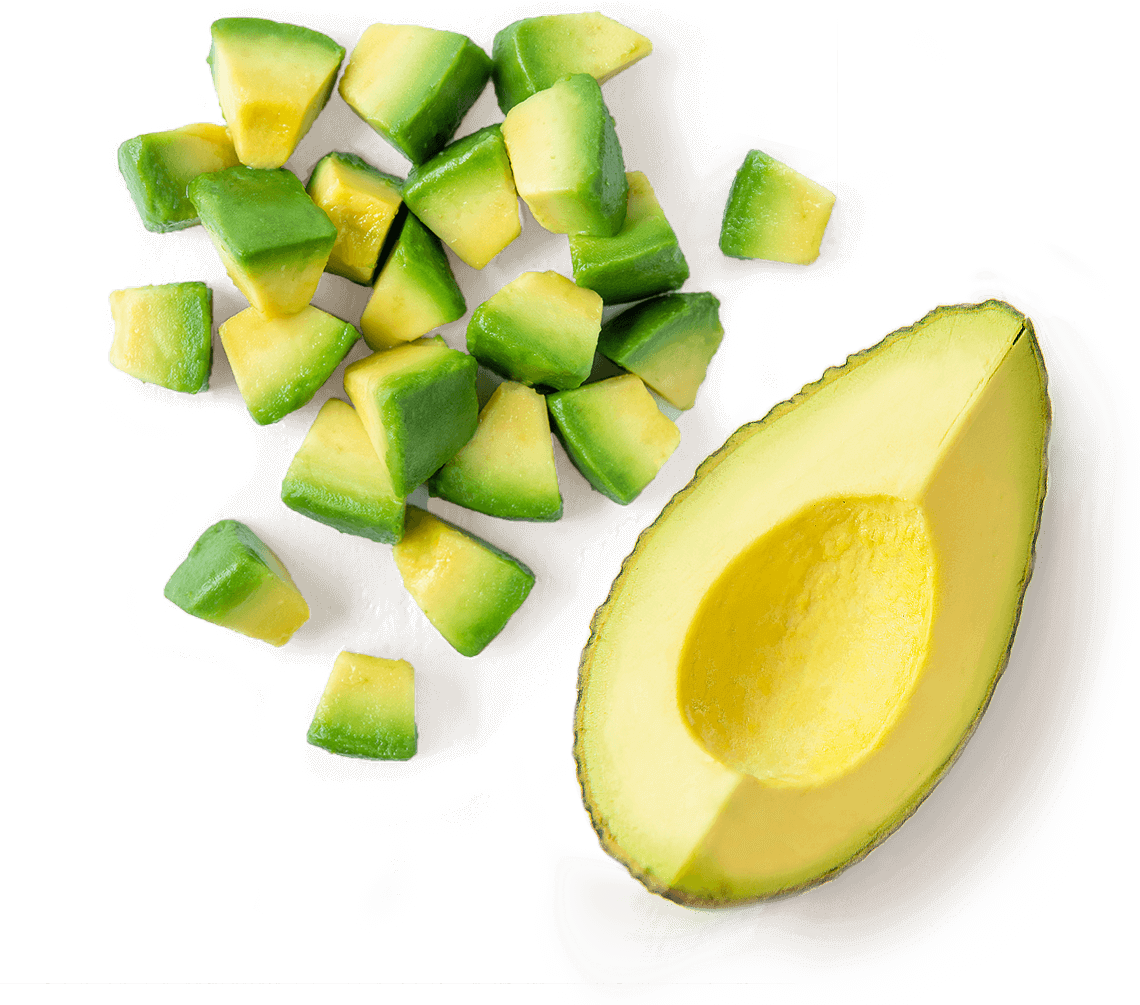
avocado slices

Avocado Serving and Portion Sizes

Like any other food, it’s essential to know about the standard serving and portion sizes of an avocado. Not only can you use this knowledge when making a recipe featuring avocados or in your general preparation of meals, but you can also use it to meet your nutritional goals and needs.

In this guide, we’ll discuss the serving and portion sizes of an avocado, why they matter, and how to use this knowledge to your advantage.

What’s the Difference Between Serving and Portion Sizes?

While people may use “serving size” and “portion size” interchangeably, the two terms are drastically different. For one, a serving size is a standardized amount of food. It represents the average amount of food that people typically eat. A portion size, on the other hand, is the amount you choose to eat in one sitting, which may be more or less than the official serving size.

Portion sizes are important to acknowledge when discussing the nutritional needs of an individual. Every person is different, which means that every person’s diet will be, and should be, different. For one, every individual has differing basal metabolic rates — the amount of energy or calories your body requires to maintain basic bodily functions like breathing, organ functioning, etc. This may vary depending on your genes, any healthy conditions you have, and your body composition. If you have a high basal metabolic rate, you may eat larger portions to meet your basic nutritional needs.

The amount of avocado you eat may also depend on your nutritional goals. For example, if you’re aiming to eat a more calorie-dense diet, your portion size may be bigger than someone who is aiming for a low-calorie diet.

One serving = 1/3 slice of Avocado

One serving = 1/3 slice of Avocado

Avocado Serving Size

The short answer is that a serving of fresh avocados is a third of an avocado, or 50 g, according to the USDA FoodData Central. A serving of avocado provides:

  • 80 calories
  • 3 g of fiber
  • 6 g of unsaturated fats
  • 0 g of added sugars, cholesterol, and sodium
  • 1 g of protein
One serving = 1/3 slice of Avocado

Avocado Portion Size

While a serving of fresh avocados is 1/3 of an avocado (or 50 grams), your chosen portion size may differ, depending on your personal preference, dietary goals, and health recommendations. It’s important to measure according to the correct portion size because a 1/4 of an avocado has 60 calories but the official serving size of 1/3 of an avocado has 80 calories. Here are some of the most common portion sizes and their nutritional information:

one third avocado nutrition facts

1 Serving

About 1/3 of an avocado

(50g / ~1.75oz)

Calories 80
Total Fat 8g
Saturated Fat 1g
Trans Fat 0
Polyunsaturated Fat 1g
Monounsaturated Fat 5g
Cholesterol 0
Sodium 0mg
Potassium 250mg
Total Carbohydrate 4g
Dietary Fiber 3g
Total Sugars 0
Added Sugars 0
Protein 1g
VITAMINS
Folate (mcg or μg) 45
Niacin 1mg
Pantothenic Acid 0.7mg
Riboflavin 0.1mg
Vitamin A (mcg or μg) 0
Vitamin B6 0.1mg
Vitamin C 4mg
Vitamin E 1mg
MINERALS
Calcium 10mg
Copper 0.1mg
Iron 0.3mg
Magnesium 15mg
Manganese 0.1mg
Phosphorus 30mg
Zinc 0.3mg

one fourth avocado nutrition facts

.75 Serving

About 1/4 of an avocado

(37.5g / 1.25oz)

Calories 60
Total Fat 6g
Saturated Fat 1g
Trans Fat 0
Polyunsaturated Fat 0.5g
Monounsaturated Fat 3.5g
Cholesterol 0
Sodium 0mg
Potassium 190mg
Total Carbohydrate 3g
Dietary Fiber 3g
Total Sugars 0
Added Sugars 0
Protein 1g
VITAMINS
Folate (mcg or μg) 35
Niacin 0.7mg
Pantothenic Acid 0.5mg
Riboflavin 0.1mg
Vitamin A (mcg or μg) 0
Vitamin B6 0.1mg
Vitamin C 3mg
Vitamin E 0.7mg
MINERALS
Calcium 10mg
Copper 0.1mg
Iron 0.2mg
Magnesium 10mg
Manganese 0.1mg
Phosphorus 20mg
Zinc 0.3mg

half avocado nutrition facts

1.5 servings

About 1/2 of an avocado

(75g / 2.5oz)

Calories 130
Total Fat 12g
Saturated Fat 1.5g
Trans Fat 0
Polyunsaturated Fat 1.5g
Monounsaturated Fat 7g
Cholesterol 0
Sodium 5mg
Potassium 380mg
Total Carbohydrate 6g
Dietary Fiber 5g
Total Sugars 0
Added Sugars 0
Protein 1g
VITAMINS
Folate (mcg or μg) 65
Niacin 1.4mg
Pantothenic Acid 1.1mg
Riboflavin 0.1mg
Vitamin A (mcg or μg) 10
Vitamin B6 0.2mg
Vitamin C 7mg
Vitamin E 1.5mg
MINERALS
Calcium 10mg
Copper 0.1mg
Iron 0.5mg
Magnesium 20mg
Manganese 0.1mg
Phosphorus 40mg
Zinc 0.5mg

whole avocado nutriton facts

3 Servings

About 1 whole avocado

(150g / 5oz)

Calories 250
Total Fat 23g
Saturated Fat 3g
Trans Fat 0
Polyunsaturated Fat 3g
Monounsaturated Fat 15g
Cholesterol 0
Sodium 10mg
Potassium 760mg
Total Carbohydrate 13g
Dietary Fiber 10g
Total Sugars 0
Added Sugars 0
Protein 3g
VITAMINS
Folate (mcg or μg) 135
Niacin 2.9mg
Pantothenic Acid 2.2mg
Riboflavin 0.2mg
Vitamin A (mcg or μg) 10
Vitamin B6 0.4mg
Vitamin C 13mg
Vitamin E 3mg
MINERALS
Calcium 20mg
Copper 0.3mg
Iron 0.9mg
Magnesium 45mg
Manganese 0.2mg
Phosphorus 80mg
Zinc 1mg

Since avocados are so versatile, you can incorporate them into practically every meal. As you follow recipes that ask for different amounts of avocado, consider the amount you’re eating in each portion to meet your nutritional needs.

Adjusting Portion Sizes Based on Dietary Goals

Your portion size of avocado may change depending on your dietary goals. Here are some tips to keep in mind based on your needs:

Weight Loss

If weight loss is your goal, avocados can be a great addition to your meals — no matter what diet you’re on. For one, avocados have fiber — 65% of which is insoluble. This not only aids your digestion but also helps you feel full for a longer time.

Similarly, the 5 g of monounsaturated fats in a standard serving of avocado can also help lower LDL cholesterol levels, which can help reduce your risk of developing stroke. Avocados contain unsaturated fats and can be used as a replacement for butter or higher-fat cheese in recipes.

Both of these factors are essential in weight loss goals.

Heart Health

Avocados are a heart-healthy powerhouse, all thanks to their nutritional makeup. For one, a 50 g serving of avocado is a good source of fiber. By eating dietary fiber from fruit, as part of a heart-healthy diet, it can help reduce your bad cholesterol levels and lower your risk of developing heart disease.

Similarly, the 5 g of monounsaturated fats in a standard serving of avocado can also help lower LDL cholesterol levels, which can help reduce your risk of developing stroke. Avocados contain unsaturated fats and can be used as a replacement for butter or higher-fat cheese in recipes.

To maximize heart-health benefits, try incorporating avocado in place of saturated fats. Even starting with a standard serving size of 50 g in each meal can enhance the nutritional quality of your diet, whether that means spreading it on toast instead of butter or adding it to a salad instead of relying on oil-based dressings.

High-Calorie Needs

For individuals with higher calorie requirements, such as athletes, growing teens, people recovering from illness, or those trying to gain weight, avocados can be a nutritious and efficient way to increase energy intake.

In these cases, a larger portion size, such as ½ to a whole avocado per meal, can help meet increased energy demands while providing essential vitamins, minerals, and heart-healthy fats. Avocados are also easy to blend into calorie-rich meals: think smoothies, grain bowls, sandwiches, or pasta dishes. Their creamy texture enhances both flavor and nutrient density without relying on added sugars or saturated fats.

Avocados are also easy to blend into calorie-rich meals: think smoothies, grain bowls, sandwiches, or pasta dishes. Their creamy texture enhances both flavor and nutrient density without relying on added sugars or saturated fats.

How To Be Mindful of Avocado Portion Sizes

Being mindful goes beyond your daily decisions about what foods you eat and how much you eat. Being mindful can help you be more connected with your body and help you understand your hunger and fullness cues. A growing body of research around mindful eating — the practice of being aware of what food you’re eating, and how you feel before, during, and after eating — indicates that people may be more inclined to stay away from processed foods and use healthy eating practices, such as eating healthier foods like avocados.

The entire philosophy behind mindful eating isn’t about restriction. Instead, it’s about making informed choices about your diet that align with your health goals. Here are a few tips to get you started:

1

Use smaller plates and bowls like a salad plate instead of a dinner plate. The bigger the plate or bowl, the more food you’ll likely serve yourself. Smaller plates and bowls can also make your portion size appear larger and leave you feeling more satisfied.

2

Measure your food. Use a food scale or measuring cups to accurately portion out what the serving size looks like and give yourself an idea of that amount of food.

3

Pay attention to serving sizes. Read the nutrition label to understand the calories and other nutrients in the recommended serving size and adjust your portions accordingly. It’s important to remember that the serving size – either from a box or at a restaurant – may not necessarily be the amount of food you need.

4

Eat from a plate. Serve yourself a portion on a plate or in a bowl instead of eating straight from the container. It’s easy to eat more than one serving when eating straight from the box or bag.

5

Chew your food slowly and savor each bite. This helps you focus on enjoying what you’re eating and may help you feel more satisfied.

6

Pause and assess. Take a break midway through your meal to see if you’re feeling full or if you need more food.

7

Avoid distractions. Turn off screens while eating to allow for more awareness of what you are eating.

8

Listen to your body. Stop eating when you feel satisfied, not necessarily when your plate is empty.

Understanding the difference between your avocado serving size and your avocado portion size can help you enjoy avocados in a way that aligns with your needs, whether you’re aiming to lose weight, support heart health, or increase your daily calorie intake. No matter your dietary path, there’s room for this creamy, versatile fruit when you know how to make it work for you.

For more avocado-based recipes, check out Love One Today! We have a catalogue of meals featuring this versatile fruit so that you can enjoy its health benefits at any portion size.