
The Best Avocado Recipes for Every Meal
The best avocado recipes can be enjoyed throughout the day, from quick breakfasts and satisfying lunches to family dinners, healthy snacks, and even desserts. Thanks to their creamy texture and mild flavor, avocados work well in everything from smoothies and salads to sauces, dips, sandwiches, grain bowls, and baked treats.
Beyond their versatility, avocados provide 5g of monounsaturated fats, 3g of fiber, and nearly 20 vitamins and minerals, making them a nutritious addition to many eating patterns. Whether you’re looking for heart-healthy meals, high-fiber recipes, gluten-free options, or new ways to use ripe avocados, you’ll find avocado recipes for every occasion and dietary preference.
Popular avocado recipe categories include:
- Avocado toast and breakfast recipes
- Smoothies and blended drinks
- Salads, wraps, and lunch recipes
- Sauces, dips, and spreads
- Dinner recipes featuring seafood, poultry, and plant-based ingredients
- Healthy snacks and appetizers
- Fiber-rich and heart-healthy recipes
- Gluten-free recipes
- Avocado desserts and sweet treats
Avocado Toast Recipes
Elevate your morning routine with both classic and updated avocado toast recipes:

Pico de Gallo Avocado Toast
This vibrant toast layers sliced avocado beneath pico de Gallo on a crispy slice of bread, offering a harmonious blend of refreshing tomato, onion, and cilantro flavors.

Bolillo with Avocado and Cottage Cheese
This unique recipe features a soft, freshly baked bolillo roll topped with smooth avocado slices and creamy cottage cheese. This pairing creates a delightful contrast of textures and a mild yet satisfying flavor profile.

Open-Faced Egg and Avocado Toast
This version elevates the classic avocado toast by adding scrambled egg whites and black beans. The slightly southwest flavor is sure to tantalize your taste buds.

Classic Avocado Toast with Egg
This is a timeless breakfast choice. It pairs the creaminess of sliced avocado on crunchy toast with a hard-boiled egg on top, offering a simple yet delicious blend of textures and flavors that never fails to please.

Avocado Bruschetta with Pomegranate and Feta
This recipe puts a twist on traditional bruschetta with the addition of mashed avocado, tangy feta cheese, and sweet pomegranate seeds atop toasted slices of bread. It’s a colorful and festive dish perfect for entertaining.
Avocado Breakfast Recipes
From smoothie bowls to nourishing egg dishes, we’ve designed these avocado-infused breakfast recipes to kickstart your morning:

Avocado Berry Blender Muffins
These muffins mix ripe avocado with sweet berries in a batter that’s easy to prepare in a blender and delightful to eat. Adding avocados to the batter results in moist, flavorful treats.

Avocado Pancake Roll-Ups
A playful twist on classic pancakes, these roll-ups incorporate avocado in the batter for a subtle, creamy texture. They’re sweetened with monk fruit and wrapped around your favorite fillings for a customizable and delicious breakfast.

Breakfast Street Tacos with Smoky Chipotle Guacamole
By infusing your morning with bold flavors, these tacos feature soft tortillas filled with eggs and topped with smoky chipotle guacamole, blending the creamy taste of avocado with a hint of spice for a vibrant start to the day.

Superfood Smoothie Bowl
This energizing bowl combines avocado with berries and fruits, creating a thick, creamy, nourishing, and indulgently satisfying base. You then top it with fresh fruit, almonds, and açai berries for added texture and flavor.

Avocado Ham & Egg Bites
These bite-sized delights blend the creamy texture of avocado with the savory notes of ham and the gentle warmth of baked eggs, resulting in a compact, flavorful breakfast option that’s perfect for on-the-go eating.
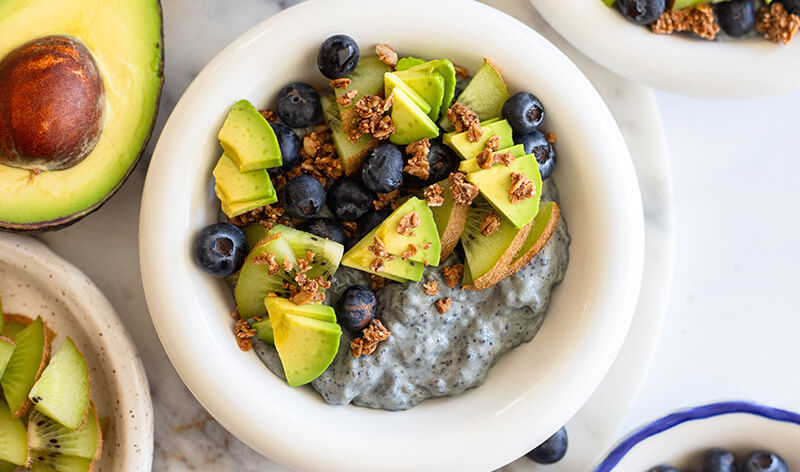
Avocado and Blueberry Chia Pudding
Add avocado to your next batch of chia pudding for an extra creamy and delicious texture. This avocado and blueberry chia pudding comes together in minutes for an easy meal-prep breakfast that can get your mornings started off right.
Avocado Smoothie Recipes
Dive into these creamy, delicious smoothie recipes:

Avocado and Mango Kick-Starter Smoothie
This invigorating smoothie combines the creaminess of avocado with the sweet, tropical flavor of mango, offering a refreshing and energizing drink.

Avocado and Blueberry Smoothie
This tart and creamy smoothie whips up in just a few minutes. With six grams of protein, it’s a great way to start your day.

Green Power Smoothie
Packed with leafy greens, creamy avocado, and a hint of lime for brightness, this smoothie offers a revitalizing boost that energizes and nourishes you with every sip.

Avocado, Banana, and Pineapple Smoothie
This smoothie is the perfect blend of creamy, sweet, and tropical. It mixes avocado, banana, and pineapple for a thick, velvety drink that captures the essence of a tropical getaway in a glass.

The Ultimate Avocado Smoothie
This rich and creamy concoction showcases the smooth, buttery texture of avocado paired with a carefully balanced blend of banana, yogurt, and greens. This smoothie is also sweetened with agave, a naturally occurring sweetener in place of processed sugars.
Avocado Lunch Recipes
Transform your midday meal with these vibrant avocado lunch recipes, ranging from refreshing salads to hearty sandwiches:
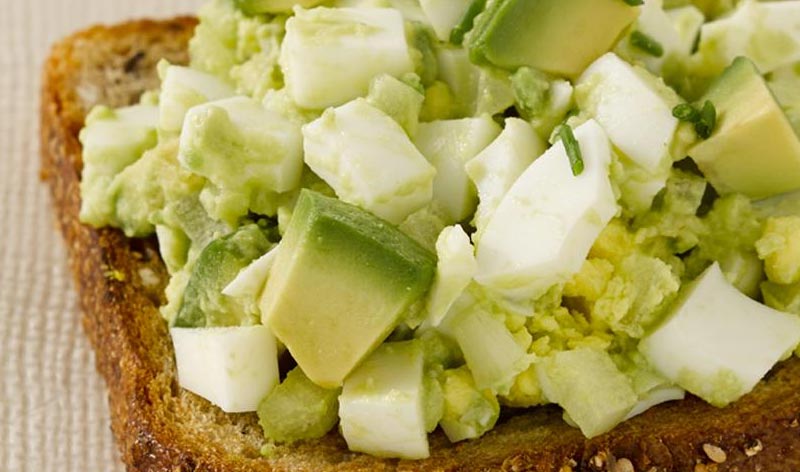
Avocado Egg Salad
Creamy avocado swaps in for mayo, adding naturally good fats and a fresh twist to classic egg salad. Combined with simple ingredients, this protein-rich dish works well for quick lunches, sandwiches, or light meals.

Air Fryer Avocado Black Bean Taquitos
Crispy on the outside and creamy on the inside, these taquitos are made effortlessly in the air fryer, providing a quick, flavorful, and satisfying lunch option. The avocados and black beans make these a healthy choice for a quick lunch.

Summer Squash Avocado Salad
This light, refreshing salad combines the creaminess of avocado with the mild, sweet flavor of summer squash. Dressed in a zesty vinaigrette, it is perfect for warm-weather lunches or picnics.

Avocado, Feta, and Apple Sandwich
This unique sandwich brings together the creaminess of avocado, the tangy bite of feta, and the crisp sweetness of apple, creating a delightful contrast of flavors and textures that are both nutritious and filling.

Quick & Easy Avocado Veggie Sandwich
Packed with fresh vegetables and creamy avocado spread on whole wheat pita, this sandwich is a fast, wholesome, and deliciously satisfying meal, perfect for a busy lunchtime.
Avocado Sauce and Dip Recipes
Discover the versatility of avocados with these easy-to-make sauces and dips:

Creamy Vegan Avocado Queso Verde
This dairy-free delight is perfect for dipping chips or drizzling on avocados. Cashews, oat milk, and avocado help recreate the texture of a classic queso, while nutritional yeast adds a cheesy flavor.

Avocado Spinach and Artichoke Spread
This spread combines the creaminess of avocado with the savory taste of spinach and artichokes, creating a versatile mix ideal for spreading on crackers or serving as a dip with vegetables.

Avocado Hummus
A smooth, creamy blend of avocados and chickpeas flavored with tahini, garlic, and lemon, this hummus variation adds a twist to the traditional recipe, offering a richer texture and a subtle avocado flavor.

Avocado Tahini Dipping Sauce
This dipping sauce artfully combines the creamy texture of avocado with the nutty tahini flavor and sharp notes of lemon and garlic. It offers a versatile and flavorful accompaniment to the meaty kebabs included in this recipe.

Spicy Avocado Aioli
A fiery take on the classic aioli, this version integrates ripe avocado for creaminess and adds a kick of spice. Served with roasted potatoes, this is a perfect appetizer for a potluck.

Avocado Basil Dipping Sauce
Fresh and herby, this sauce blends the smoothness of avocado with the aromatic freshness of basil. Accompanied by a hint of garlic and lemon, this light and creamy sauce is perfect for dipping or drizzling over fresh salads and grilled dishes.
Dinner Recipes with Avocado
Avocado takes center stage in these dinner recipes, offering a mix of light, refreshing dishes, and comforting, filling meals:

Pumpkin Enchiladas with Avocado Crema
This autumn-inspired dish wraps savory pumpkin filling in soft tortillas with a rich, spicy sauce and a smooth avocado crema. The sweetness of pumpkin blends with the creaminess of avocado for a comforting, flavorful meal.

Cheesy Avocado Flatbread with Mushrooms
A gourmet twist on flatbread, this recipe combines the earthy flavors of mushrooms with the richness of cheese and creamy avocado slices. Bake it to perfection for a crispy, melty, and satisfying dinner option.

Avocado Veggie Burgers
These hearty burgers mix ripe avocado, quinoa, and black beans into the patty for moisture and flavor. Mashed avocados top the burger and add a freshness to the sandwich. Serve with fries or potato chips.

Brazilian Seafood Stew with Avocado
This rich, aromatic stew combines tender seafood with a spicy, coconut milk-based broth. Fresh avocado slices top it to add a creamy texture and a cooling contrast to the dish’s warmth and spice.

Snapper with Avocado Guasacaca Salsa
This elegant dish features perfectly cooked snapper filets topped with a vibrant avocado guasacaca salsa, a Venezuelan twist that brings together avocado, bell peppers, and cilantro to complement the mild, sweet flavor of the fish.
Avocado Snack Recipes
Satisfy your cravings between meals with these innovative avocado snack recipes:

Avocado Mango Summer Rolls with Spicy Peanut Dipping Sauce
Light and refreshing, these summer rolls wrap creamy avocado and sweet mango in rice paper. The spicy peanut dipping sauce adds a rich, savory kick to the fresh flavors of the roll.

Deviled Eggs with Avocado
A creative twist on a classic appetizer, these eggs incorporate mashed avocado into the filling, offering a creamy, flavorful update to the traditional recipe.

Avocado Banana Granola Clusters
These clusters mix ripe avocado and banana for moisture, binding the oats and nuts into crispy, bite-sized snacks that are subtly sweetened. They are perfect for on-the-go energy or a quick, nutritious nibble.

Pesto BLT Stuffed Avocados
Combining the classic flavors of a BLT with creamy avocado and rich pesto, these stuffed avocados are a novel snack that’s both satisfying and flavorful.

Jicama Strips with Spicy Lime Guacamole
This crunchy, refreshing snack features crisp jicama strips and zesty, spicy lime guacamole. It offers a delightful contrast of textures and flavors, perfect for a light, healthy treat.
Avocado Dessert Recipes
Indulge in these satisfying dessert recipes that provide healthy fats and fiber from avocados:

Fruit-Sweetened Avocado Pumpkin Pie
This pie blends the creamy textures of avocado, pumpkin, and banana to create a guilt-free indulgence.

Soft Bakery-Style Avocado Chocolate Chip Cookies
These cookies use ripe avocado as a butter substitute, resulting in soft, chewy treats studded with decadent chocolate chips. This recipe is a healthier version of the beloved bakery-style cookie without compromising taste.

All-Fruit Ice Pops
A refreshing, natural treat made entirely from blended fruits, these ice pops are a colorful, guilt-free dessert or snack perfect for cooling down on hot days.

Avocado Vanilla Pudding with Mixed Berries and Peanut Butter Granola
Avocados and vanilla combine to form a nourishing but sweet treat in this recipe. Top it with your favorite berries and granola.

Dutch Avocado-Apple Crumble Pie
This is a novel take on the classic crumble pie. The filling includes creamy avocado, adding a smooth texture that complements the tartness of the apples. It’s all topped with a crispy, buttery crumble for a comforting dessert.

Tropical Horchata Frappe
Inspired by the traditional horchata, this tropical frappe version blends rice milk with cinnamon and tropical fruits, resulting in a refreshing, creamy beverage. Savor it on a warm day or as a sweet, exotic dessert.
Heart-Healthy Avocado Recipes
These recipes showcase avocados in dishes that are not only delicious but also packed with nutrients that are good for your heart:

Oven-Roasted Salmon With Avocado Citrus Salsa
This dish features succulent, oven-roasted salmon topped with vibrant avocado citrus salsa. With 16 grams of protein, this quick and easy recipe will help you feel your best.

Berry Avocado Baked Oats
A warm, comforting breakfast option, these baked oats mix ripe avocado and sweet berries into the batter, creating a sweet and healthy snack. These bars have seven grams of protein and are great for a healthy meal prep plan. Make a tray of bars at the beginning of the week, and eat them on the go.
Heart-Healthy Avocado Banana “Ice Cream”
A creamy, frozen dessert made by blending ripe avocados and bananas until smooth, this “ice cream” is a heart-healthy treat that satisfies sweet cravings without added sugars.

Cumin Lime Shrimp over Creamy Cauliflower Risotto
This recipe pairs spicy, cumin-lime marinated shrimp with a creamy cauliflower risotto. Substituting avocado for traditional fats makes for a lighter, heart-healthy version that doesn’t skimp on flavor or texture.

Creamy Avocado Garlic Mashed Potatoes
Rethinking the classic mashed potatoes, this version uses creamy avocado for richness and a hint of garlic for flavor. These creamy potatoes are both satisfying and good for your heart.

Chorizo-Spiced Lentil and Avocado Tacos
A heart-healthy twist on tacos, this recipe uses chorizo-spiced lentils and creamy avocado slices as the filling, wrapped in soft tortillas for a flavorful, plant-based meal that’s both satisfying and good for the heart.
Avocado Recipes with Fiber
Looking to increase your fiber intake? Enjoy these avocado recipes that provide a good source (10% DV) of fiber or more per serving:

Pumpkin Chocolate Avocado Bread
The classic pumpkin bread you know and love, made sweeter and richer with chocolate and avocados. Dates and avocado add fiber to the recipe, keeping it sweet and healthy.

Roasted Sweet Potatoes with Avocado, Almonds, and Herbs
This roasted side dish utilizes sweet potatoes and almonds to add vitamins and fiber to your meal. Herbs, olive oil, and lemon juice add fresh flavor.

Avocado and Watermelon “Poke”
By utilizing fresh vegetables and fruits as toppings, this rice bowl is 100% vegan. The poke provides vitamin C and four grams of fiber with each serving.

Crispy Avocado Bites
The crunchy outside and creamy center of these oven-baked avocado bites make for a satisfying snack. They’re an excellent source of fiber, offer protein and taste delicious dipped in your favorite sauce.

Avocado and Veggie Sushi Mini “Donuts”
A creative twist on sushi, these mini “donuts” are made with sushi rice and topped with avocado slices and vegetables. They offer a fun, bite-sized way to enjoy the flavors of sushi with an added touch of whimsy, making them an excellent snack for kids.
Gluten-Free Avocado Recipes
Whether you’re avoiding gluten for health reasons or personal preference, these gluten-free avocado recipes offer a variety of flavorful options:

Sweet Potato Avocado “Toast” With Egg
This dish swaps toast for a roasted sweet potato as a gluten-free alternative to traditional toast. It has creamy mashed avocado and a perfectly cooked egg for a wholesome, satisfying breakfast or brunch option.

Lightened-up Migas with Avocado Tomatillo Salsa
This dish offers a healthier take on traditional migas. Chorizo, lightly scrambled eggs, bell peppers, and black beans form a tasty breakfast with 15 grams of protein.

Avocado and Chicken Fajita Salad Bowl
A deconstructed version of classic fajitas, this salad bowl combines marinated chicken strips, sautéed peppers and onions, and sliced avocado on a bed of greens. Cilantro lime dressing adds tang.

Instant Pot® Avocado Chile Verde With Pork
By utilizing the convenience of an Instant Pot, this dish features tender pork in a vibrant Chile verde sauce, enriched with the creaminess of avocado for a hearty, flavorful stew.

Avocado Topped Tostones
Crispy, twice-fried plantain slices (tostones) serve as the base for this delicious snack or side dish. They can be made in the oven or Air Fryer and feature mashed avocado alongside fresh cherry tomatoes and black beans.
These Avocado recipes give you access to a true superfood — they can contribute fiber, healthy fats, and nearly 20 vitamins and minerals to your meals.
Thinking beyond the traditional avocado toast can help you discover new, flavorful recipes that inspire and delight.
But we know avocados are for more than just guacamole and open-faced sandwiches. These creamy fruits make a great addition to soups, smoothies, and baked goods. In this article, we’ve compiled all of our favorite avocado recipes — from breakfast tacos to apple pie. We’ll also give you all the tricks of the trade for cooking with avocados.

Why Should You Eat More Avocados?
Avocados are not just delicious and versatile; they are also nutrient-dense, which means they provide substantial amounts of nutrients with relatively fewer calories, and provide numerous health benefits, not just for general health and wellness, but for heart health and type 2 diabetes management. Incorporating avocados into your diet can be a tasty way to boost your health and enjoy a more nutritious array of meals — from savory to sweet.
Health Benefits of Avocados
The health benefits of avocados extend far beyond their ability to enhance the flavor of a dish.
Avocados contain 5 grams of monounsaturated fats per serving (50g or a third of a medium avocado), which are proven to support heart health. These “good fats” can lower harmful cholesterol levels and reduce the risk of heart disease and stroke, making avocados a heart-healthy choice for any meal. These “good fats” can lower harmful cholesterol levels (LDL), support HDL (“good”) cholesterol, and reduce the risk of heart disease and stroke, making avocados a heart-healthy choice for any meal. In fact, an Australian study involving 2,736 participants revealed that individuals who consumed avocados exhibited lower BMI, waist circumference, plasma glucose levels, HbA1c, and higher HDL cholesterol than non-consumers. On average, participants had a daily avocado intake of 25 grams. It’s important to note that the study, funded by the Avocado Nutrition Center, can establish associations but not causation. Nevertheless, these findings contribute to evidence suggesting that avocados are heart-healthy and may benefit a diabetes-friendly diet.
Moreover, avocados are a good source of fiber, contributing 3 grams per serving, which can aid digestion and help maintain a feeling of fullness. This is particularly beneficial for weight management and stabilizing blood sugar levels, offering a natural solution for those looking to eat more mindfully. In a clinical trial of 72 Hispanic American (97% Mexican) families consisting of at least three people, researchers assessed two avocado intake levels (3 avocados/family/week vs. 14 avocados/family/week) combined with MyPlate nutrition education. Despite the extra calories, families eating 3 (720 extra calories) or 14 (3,360 extra calories) avocados per week experienced no changes in body weight, BMI, or waist circumference. The Avocado Nutrition Center funded the study, and study limitations, including drawbacks of all validated food frequency questionnaires, prevent the generalization of the findings. The results support including fresh avocados in nutrition education to support weight management while reducing the overconsumption of saturated fat and sodium for Hispanic families.
Beyond good fats and fiber, a serving of avocados provides nearly 20 vitamins and minerals vital for overall health, including 10% DV of folate, 6% DV of potassium, 6% DV of vitamin E, and 4% DV of vitamin C, among others. Folate, for instance, is important for women during pregnancy as it helps with DNA and genetic material synthesis. Potassium is essential for proper nerve function and blood pressure regulation. Vitamin E can help protect the body from oxidative damage and support skin health. Vitamin C may contribute to healthy immune function and skin health.
Tips for Preparing Your Avocado Recipes
Before using avocados in a recipe, it’s essential to know how to prepare them. Here’s a quick guide to prepping and eating ripe avocados.
Tips for Preparing Avocados for Your Recipe
Store your avocados at room temperature until they ripen. To speed up the ripening process, place them in a paper bag with bananas or another ripening fruit like apples.
If your avocados are already ripe or close to it, store them in the refrigerator to slow down the process. Placing the fruit in the crisper can further preserve its freshness. Use plastic wrap to cover any cut avocado, as this can prevent browning and oxidation.
Can I Freeze Avocados?
Yes, you can freeze avocados. Frozen avocados make a great addition to smoothies and shakes. To preserve color and texture and to make your avocados easier to use, peel and dice them before freezing.
Note that defrosted avocados can often become mushy and lose their shape and flavor. These frozen slices are best for recipes where the avocado is mashed or blended.
Cutting, Slicing, and Dicing Your Avocados
When preparing avocados, proper technique can make all the difference. Place the avocado lengthwise on a secure surface. Hold the avocado securely with one hand and use a sharp knife to gently cut down the center lengthwise around the seed, starting at the narrower end, halving the fruit. Once you’ve cut all the way around, simply twist the halves apart to reveal the pit in one half.
Next, remove the pit. Some pit-removal methods can lead to accidental cuts, so be careful. One way to remove the pit is to gently push the pit out with your hand. Another way is to use a fork or spoon to scoop out the pit. You can also cut it in quarters and simply remove the pit with your hand.
You have a couple of options for slicing the avocado. Some like to peel the skin away from a quartered avocado and then slice the flesh as desired. Alternatively, you can carefully slice a halved avocado while in the skin, and then scoop out the slices with a spoon. This method is advantageous if you’re aiming for a clean presentation, as it keeps the slices uniform.
When dicing, make gentle crosswise cuts into the flesh while it’s still within the skin, then scoop out the diced pieces. This technique allows for uniform cubes of avocado, perfect for salads, toppings, or incorporating into various dishes.
Browse All Avocado Recipes
Developed by registered dietitians and tested for deliciousness and nutrition, find even more avocado recipes. Filter avocado recipes for any occasion and dietary need.


