Key Takeaway
Avocado can be part of a balanced diet for toddlers, offering 2 g of fiber, 10 mg of magnesium, 20 mg of folate, 5 mg of vitamins C and K, and 130 mg of potassium, with 6 g of naturally healthy fats and zero added sugar or sodium. A typical serving is about 25g, which is about a few tablespoons mashed or a handful of small slices. Soft, mild-tasting, and easy to prepare; it works well as a food you can introduce early to your toddler.
Best Ways to Serve
- Mashed on toast or crackers
- Blended into smoothies for creaminess
- Stirred into yogurt or oatmeal
- Cut into small, age-appropriate chunks
- Mixed into eggs, pasta, or soft tacos
- Swapped into baked goods in place of foods higher in saturated fats
- Combined into dips and spreads
Safety Tips
- Wash the outside before cutting
- Use a ripe avocado that yields to gentle pressure
- Scoop flesh out with a spoon rather than cutting near the skin
- Serve right after cutting; it browns quickly
- Store with the pit in, wrapped tightly, refrigerated
Finding snacks toddlers will actually eat can be a challenge.
Avocados are a simple option to keep on hand—they’re versatile, easy to prepare, and can be used in both sweet and savory snacks.
For parents looking to add variety, avocados can be mixed, mashed, or blended into everyday foods to help create nutrient-rich snacks that fit into a toddler’s routine.
As with any new food, consider checking with a physician or health care provider if you have questions before introducing avocado to your child.
Why Avocados for Toddlers?
Establishing healthy eating patterns that include plenty of fruits, vegetables, and unsaturated fats early in life can help promote health and prevent disease. Avocados can be a helpful addition to toddler meals and snacks because they provide a mix of nutrients that support overall growth and development.
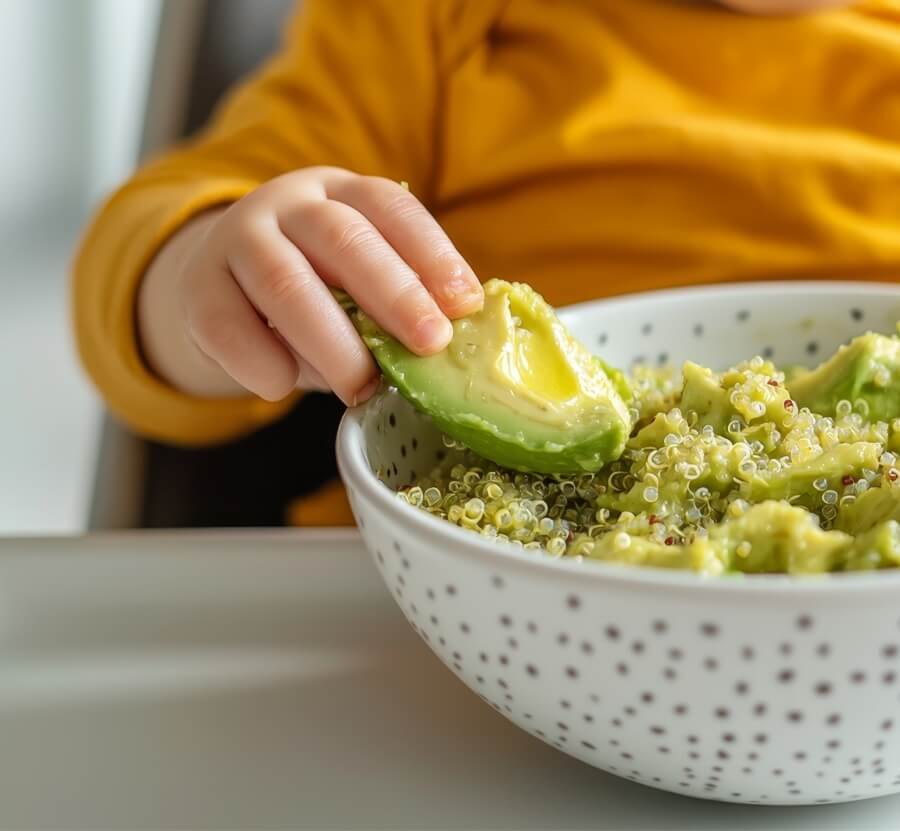
The serving size of an avocado for toddlers is 25g, and contains:
- Essential nutrients for toddlers: fiber (2g), magnesium (10mg), folate (20mg), vitamin C (5mg), and vitamin K (5mg).
- 130mg of potassium, more than what you get in a serving of apples (70g).
- 15% DV for toddlers of Vitamin C (2mg), an antioxidant that promotes healing and helps the body absorb iron.
- 0 added sugars and sodium.
They also contain naturally good fats which can help make meals more satisfying and add creaminess.
Helping Build Healthy Eating Habits Early
Dietary habits established in childhood often carry into adulthood, so teaching children how to eat healthy at a young age will help them develop healthy eating patterns throughout their lives. Introducing nutrient-dense avocados early in life can help small kids start healthy eating habits early on.
At the same time, young children eat small quantities of foods, so it’s important to make every bite count. Avocados are kid-friendly as they provide great taste, fun texture, and they contribute valuable nutrients.
How to Serve Avocados to Toddlers
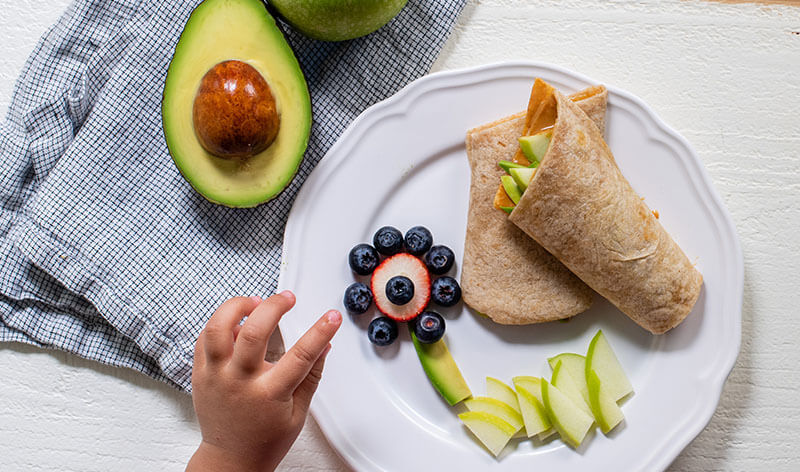
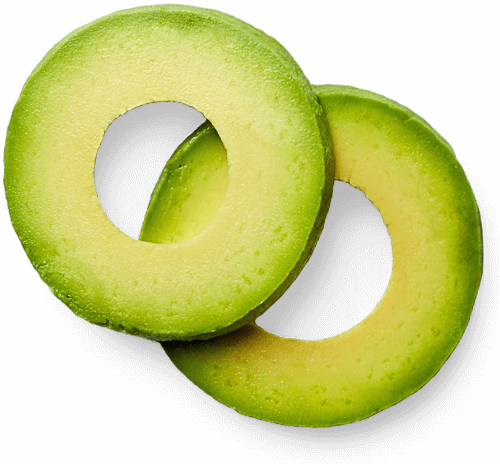
Avocados are easy to incorporate into a variety of toddler-friendly foods and make a healthy addition to meals and snacks. Simple preparation ideas include:
- Mash onto toast or crackers.
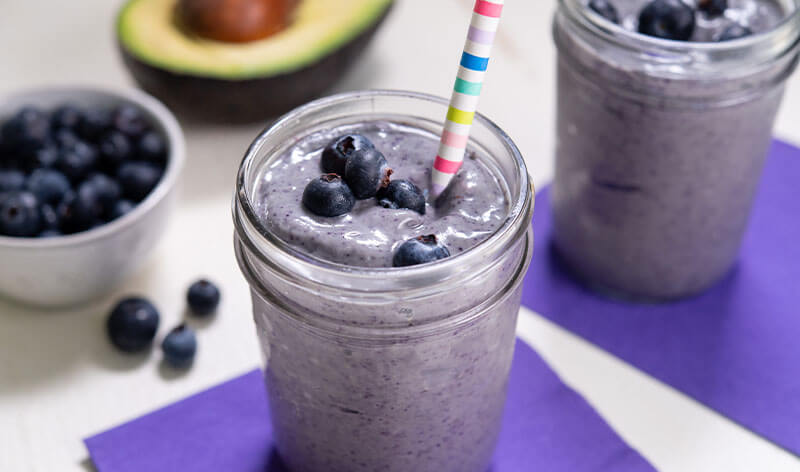
- Blend into smoothies for a creamy texture.
- Stir into yogurt or oatmeal.
- Cut into small age-appropriate bite-sized chunks.
- Add to eggs, pasta, or soft tacos.
- Combine with fruits or vegetables for dips and spreads.
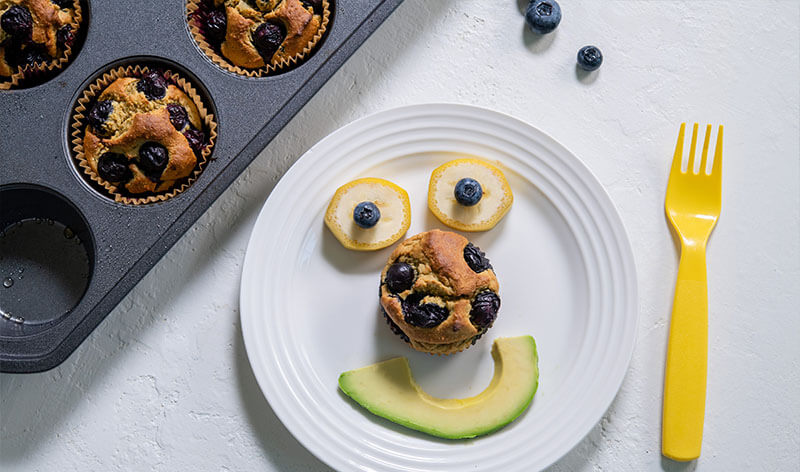
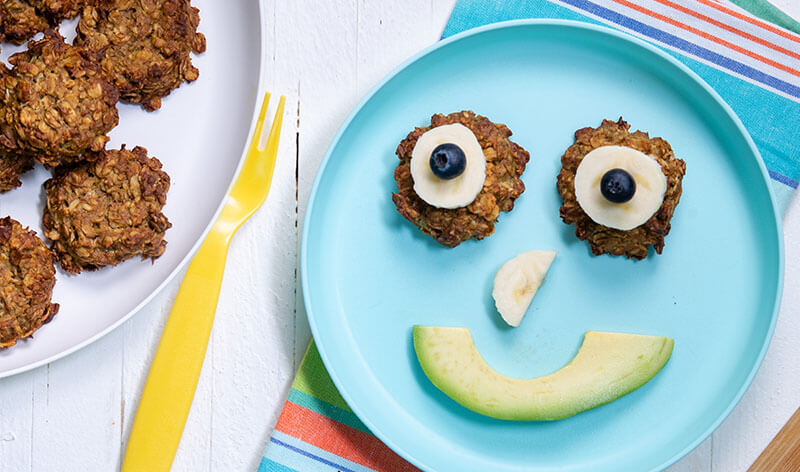
- Replace other fat sources higher in saturated fat in baked goods like muffins or cookies.
These options can help introduce new textures and flavors while keeping meals approachable.
Tips for Introducing Avocados
According to the American Academy of Pediatrics, it is crucial to provide your baby with soft, easy-to-swallow food textures to prevent choking and properly develop swallowing abilities. Ripe avocados have a smooth consistency and texture that can be easily mashed and served as an early food for infants and toddlers.
If your toddler is trying avocado for the first time, small adjustments can help:
- Start with small portions
- Mash or finely chop based on your child’s developmental stage
- Pair with familiar foods they already enjoy
- Offer several times, in different ways to build familiarity over time
Small, repeated exposure can help toddlers become more comfortable trying new foods.
How To Safely Prepare Avocados for Toddlers
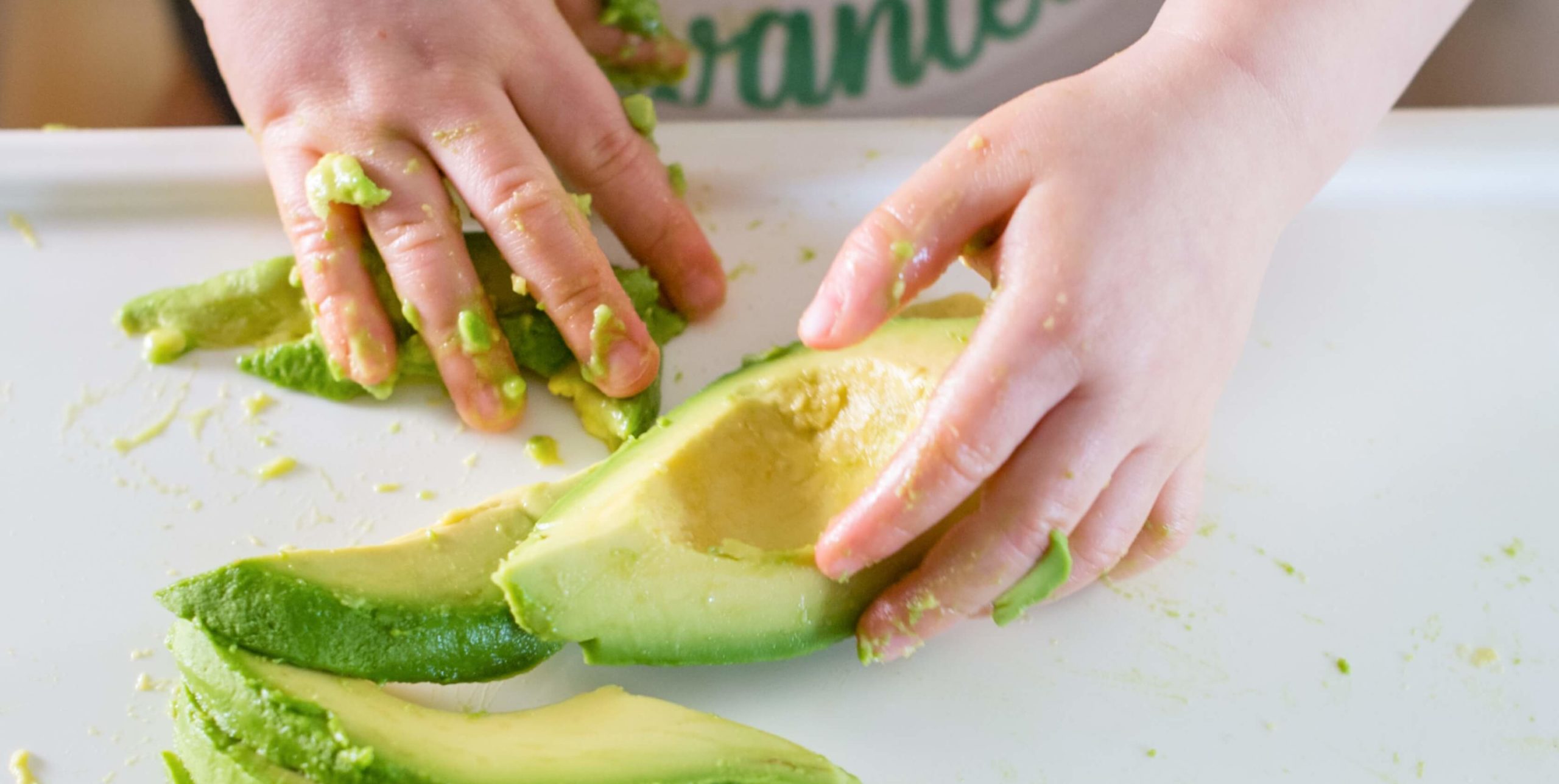
Safe preparation starts before you even cut into the avocado. A few simple steps can help reduce the risk of contamination and make avocado easier for toddlers to eat:
Always wash the outside of the avocado thoroughly before cutting it, even though you won’t eat the skin. This helps prevent bacteria from the surface from transferring to the flesh when you slice through it.
Make sure the avocado is perfectly ripe — it should yield to gentle pressure but not be mushy or stringy. Underripe avocado can be hard and difficult for toddlers to mash or chew, while overripe avocado may have an unpleasant texture.
Cut the avocado in half, remove the pit, and scoop out the flesh with a spoon rather than cutting near the skin with a knife.
Serve immediately after cutting, when possible, since avocado browns quickly once exposed to air. If you need to store leftovers, keep the pit in, cover tightly, and refrigerate.
Taking a few extra moments with these steps can go a long way toward making avocado a safe, mess-friendly food for your toddler to explore.
10 Tasty and Easy Avocado Recipes for Toddlers
IIf you’re looking for tasty and easy meals for your children, avocado can be used in a variety of ways to create toddler-friendly options.Grab some fresh avocados, and let’s get cooking!

Avocado Egg Salad Finger Sandwiches
Are you looking for easy snacks to make with avocado? Why not start with finger sandwiches – a delicious snack option for toddlers. They are packed with protein and healthy fats, making them an excellent choice for a midday snack or light lunch. Not only are these sandwiches easy to make, but they are also customizable to fit your child’s taste preferences. Add chopped veggies like celery, cucumber or bell peppers for extra crunch and nutrition.

Googly Eye Avocado Pudding Cups
Googly Eye Avocado Pudding Cups are a fun snack that toddlers will surely love. Made with ripe avocados, cocoa powder and fruit sweetener, this creamy avocado recipe for a toddler is an excellent source of nutrition for your little ones. To make it even more fun, top each cup with googly eyes made from banana slices and chocolate chips.

Monster Green Avocado, Ham & Egg Bites
For a savory meal option, try making Monster Green Avocado, Ham & Egg Bites. These mini muffin-sized bites are perfect for breakfast. Simply mix the ingredients and bake until golden brown. The result is a delicious and good source of protein muffin cup that is a sure hit with toddlers and kids of all ages.
Rainbow Avocado Pasta Salad
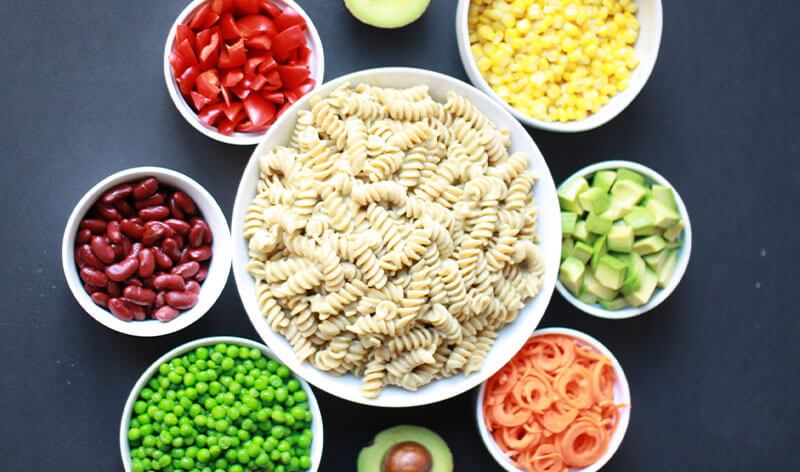
Rainbow Avocado Pasta Salad is a colorful and nutritious dish that satisfies the taste buds while fulfilling your family’s nutrition needs. This is one of the most straightforward avocado recipes for toddlers and kids of all ages, and can be customized to your child’s taste preferences. To make it more filling, you can add protein to the salad, like grilled chicken or shrimp.

Avocado and Bean Tostada
This bean tostada recipe is among the many things to make with avocado. This dish perfectly combines crunchy tostada shells, creamy avocado and protein-rich beans. This avocado recipe for a toddler is perfect for busy weeknights when you need something quick and easy to prepare.

Berry Spooky Avocado Snacks
This berry and avocado snack is the perfect blend of flavors. The creaminess of the avocado blends perfectly with the tanginess of the berries, providing an explosion of flavor toddlers and kids of all ages will enjoy. To make these, simply place diced avocados and berries in skewers. The colorful fruits will give the avocado a spooky and festive look, perfect for Halloween.

Kid-Approved Chicken and Turkey Bacon Avocado Wraps
Chicken, Turkey, Bacon and Avocado Wraps are among the easiest avocado recipes for toddlers that you can make. These are packed with protein and healthy fats from the avocado, making them ideal for growing bodies. To make the wraps, cook chicken and turkey bacon, slice up some avocado and wrap it in a whole wheat tortilla.
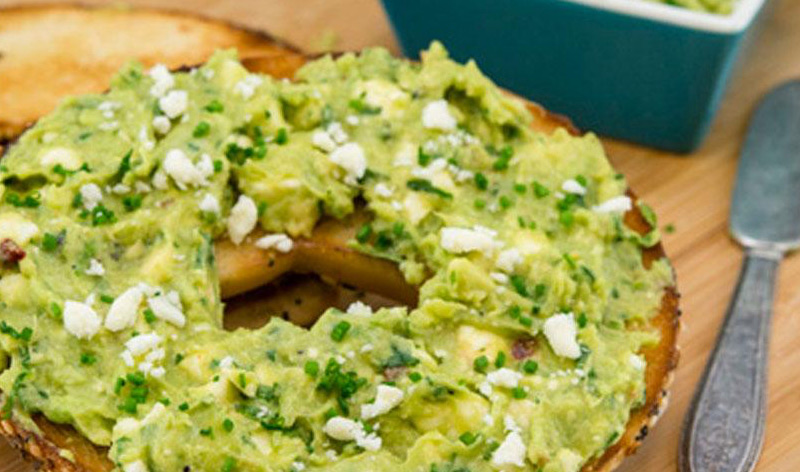
Avocado Bagel Spread
Another great way to incorporate avocado into a snack is by making an Avocado Bagel Spread. Mash up some avocado with a fork and spread it over a toasted whole wheat bagel. This recipe is perfect for busy mornings or as an after-school snack that will keep kids of all ages full and satisfied.

Egg “Donuts” with Avocado
Egg “donuts” are a fun snack idea for toddlers and kids of all ages. These donuts are made with a mixture of eggs and avocado baked in a non-stick donut pan. The result is a cute, delicious snack perfect for little hands. These are best served warm or at room temperature.

Heart-Healthy Avocado Banana “Ice Cream”
Who knew that ice cream is among the things to make with avocado? Made with just a few simple ingredients, this creamy and refreshing treat is the perfect way to satisfy your little one’s sweet tooth while providing them with a dose of healthy fats and nutrients. To make this recipe, blend ripe avocados, frozen bananas and a touch of vanilla for added flavor. The dish is creamy and indulgent that tastes just like ice cream but without any of the added sugar or artificial ingredients.
There are many ways to prepare avocado for toddlers, making it easy to add to meals and snacks throughout the day. These ideas can help introduce new flavors and textures while providing nutrients toddlers need as they grow. Offering a variety of foods over time can support developing eating habits.
Try the recipes above and see which ones your toddler enjoys most.