3 Ways to Nourish Your Future Self, Now

By Anna Rios, RDN

With the new year right around the corner, there are a lot of goals, dreams, and resolutions you have cooking up. To do them, you’re going to need the right energy to make them all come alive.

Nutrition and physical energy are essential to go after your goals and intentions every day for the short and long-term. Learn from our amiga and Registered Dietitian Nutritionist Anna Rios on 3 steps you can take now to nourish yourself in preparation for the big plans and projects you have coming up, jefa!

Do you ever feel like there is so much to do pero te sientes sin ganas o energía? It can be challenging to tackle projects and everyday life when energy is low, and we can’t focus. However, nothing can slow you down when you’ve got energy and mental clarity! Eating balanced, nourishing meals can help boost energy levels, focus, and strengthen the immune system.

So, let’s get to it, amiga! I know that changing eating habits can be intimidating because it’s hard to know where to begin. No te preocupes – today I’m going to break it down for you so you know exactly where to start!

A Desayunar

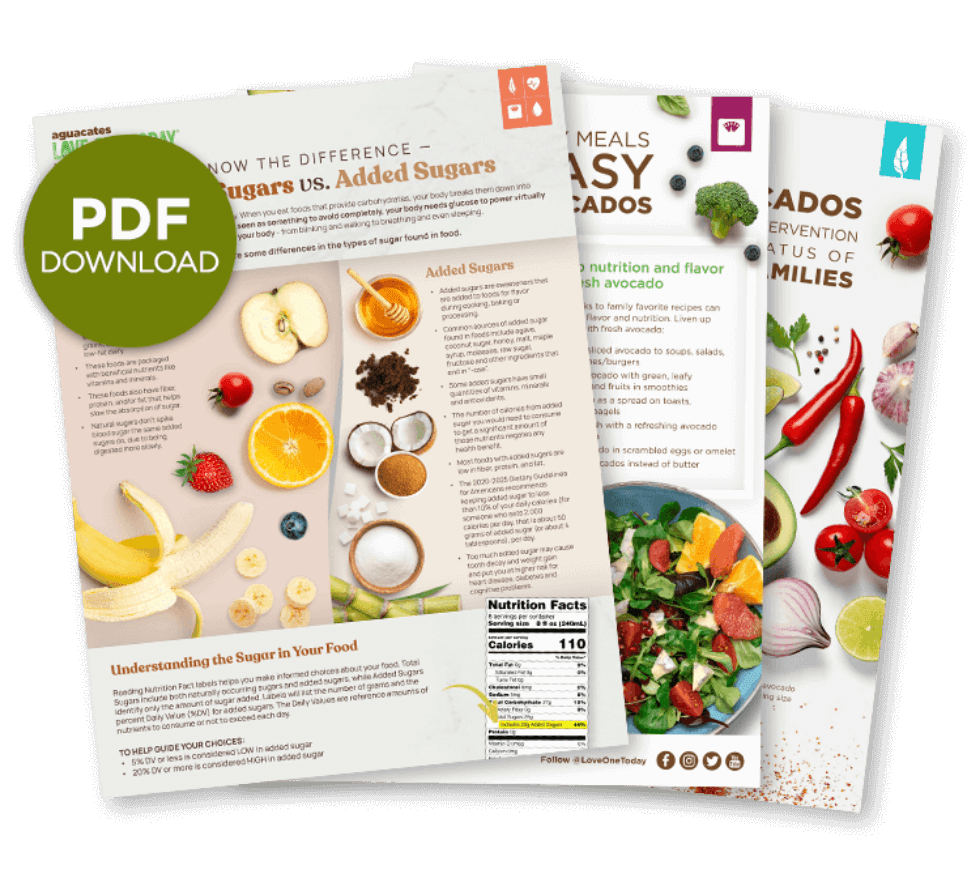
I know you’ve heard it before, but it needs to be said again: breakfast is the most important meal of the day. What you eat in the morning can set you up for success throughout the day. And while it’s easy to opt for the pan dulce with a cafecito on your way out, there are more options that contain less sugars and more nutrients to help fuel your body. It’s important to know the difference between natural sugars and added sugars in your meals, including your desayuno where they can easily sneak in. Check out this resource to learn more.

So, let’s talk about the secret formula for a balanced breakfast that will keep you energized throughout the day. This includes a combination of fiber, protein, and good fats. This combination will stabilize blood sugar levels, which helps optimize energy! Here are some examples of a balanced breakfast:

arrow

1
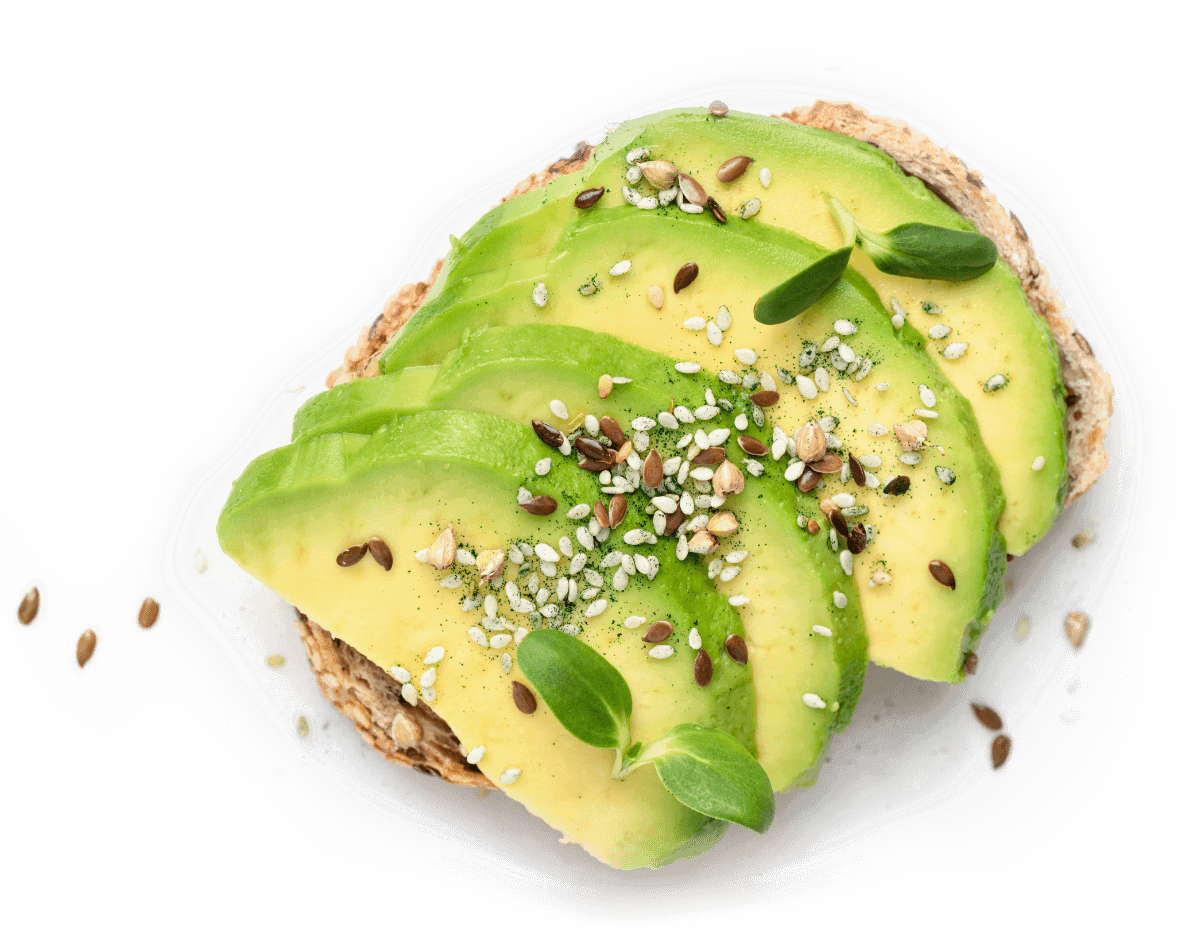
Avocado Toast

Avocado Toast
Whole grain bread (fiber), avocado (good fats and a good source of fiber), egg (protein)
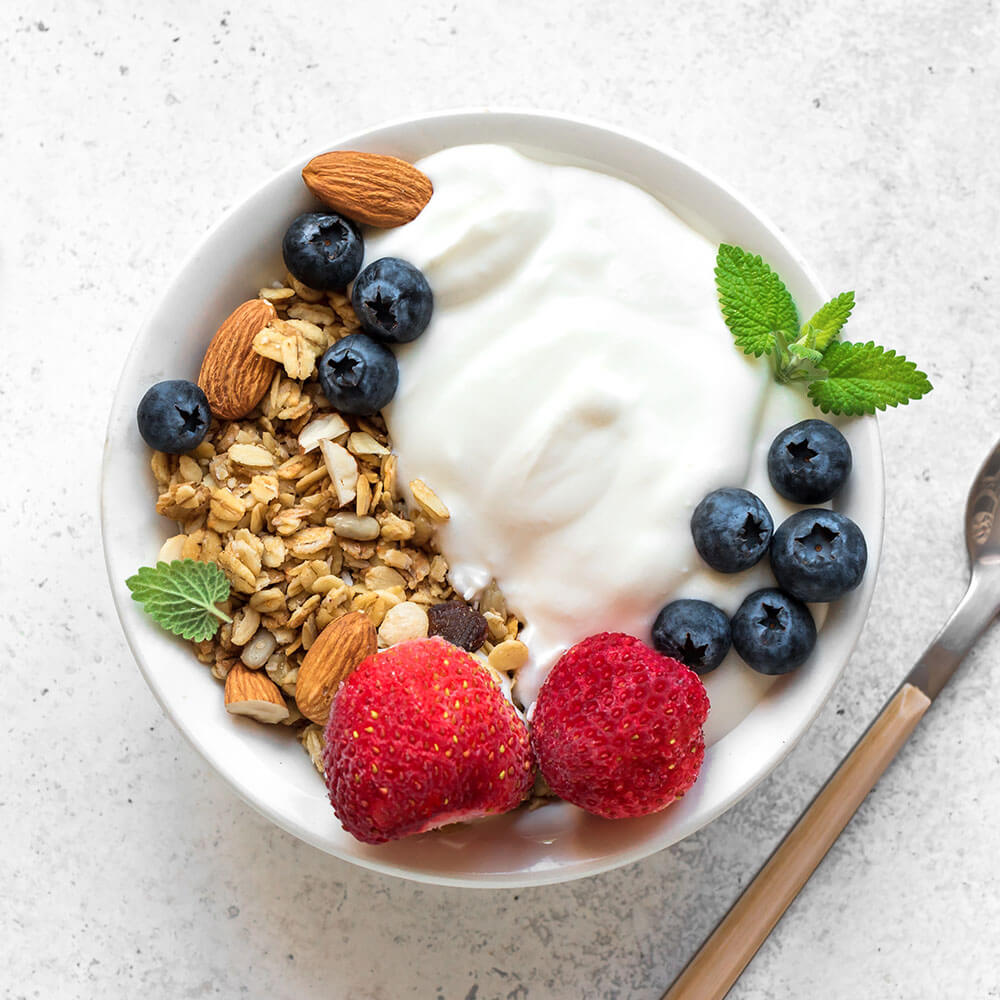
Yogurt

Yogurt
(protein), fruit (fiber), nuts and seeds (healthy fat and extra protein)

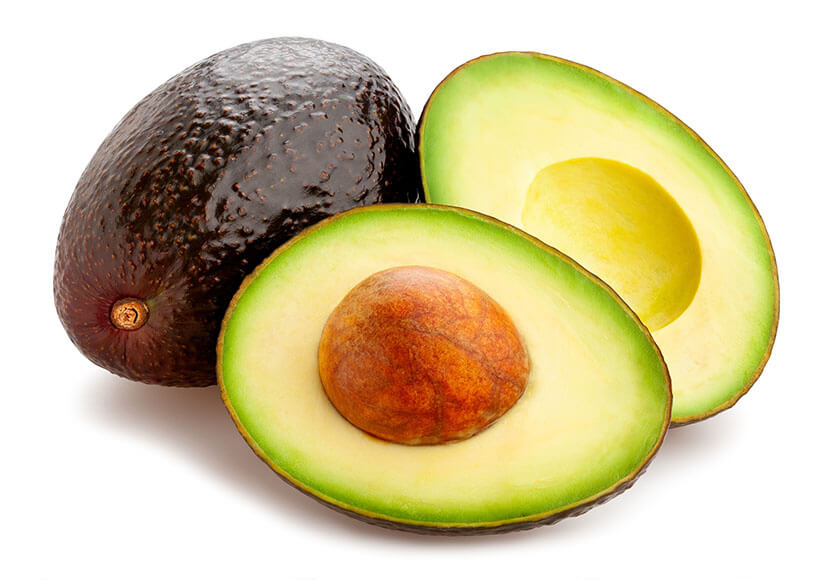
The morning is a great time to eat healthy fats like avocado as it will help improve your nutrition throughout the day. Avocados offer nutrient-dense calories that will keep you satiated and nourished until your next meal.

Choose Nourishing Foods

What we eat directly impacts our mood and energy levels. Focusing on nutrition can also help reduce the risk for developing chronic diseases such as heart disease and type II diabetes. Some of which impact the Latine community the most, y nos tenemos que cuidar.

Choosing mainly nutrient-dense foods while reducing ultra-processed foods is a great way to start. Nutrient-dense foods provide substantial amounts of vitamins, minerals, and other nutrients such as fruits, vegetables, grains, beans, nuts, seeds, eggs, and meats. The most important advice I can give you is to start small and make realistic changes. Let’s say you’re eating Sabritas and pan dulce daily, the best way to make changes is to do it gradually. Start with having Sabritas and pan dulce every other day, and keep reducing it until it is no more than once or twice a week.

The next step is to make delicious meals with nutrient-dense foods to keep your tastebuds happy.
2
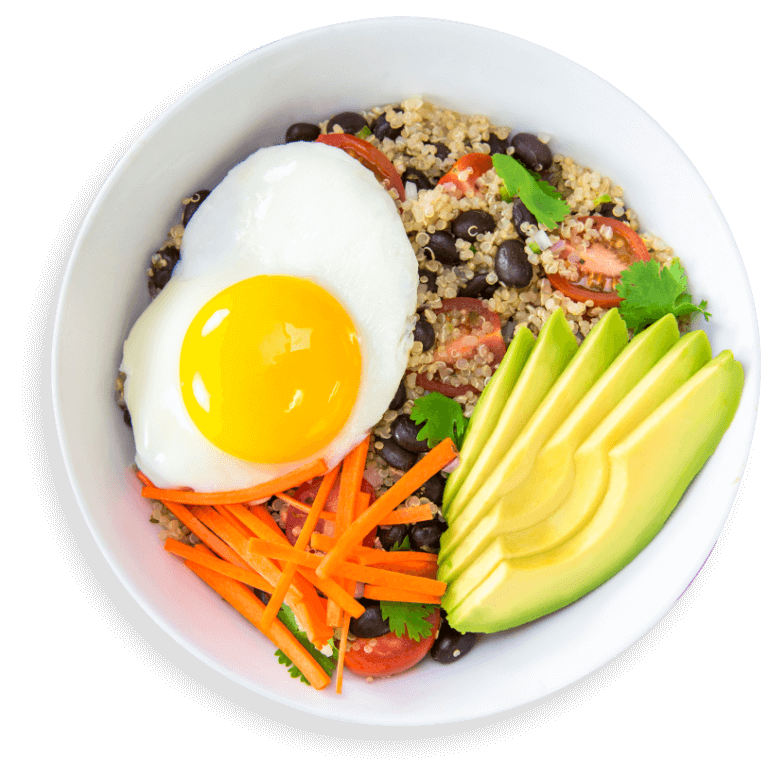
Avocado quinoa bowl

Ask yourself what your favorite meals are and begin incorporating your favorite flavors using wholesome ingredients. For example, if you like it picoso, explore dishes like aguachile, ceviche, salsas, and more.

Avocados have also been known to help stabilize blood sugar levels, which is important for those with diabetes, which disproportionally affects Hispanic and Latino adults.

arrow

The good news is that an analysis of 14,000 Hispanics revealed that consuming avocados is associated with better insulin responses in those with normal blood sugar. In people with type 2 diabetes, avocado consumption was linked to lower average blood sugar and better insulin-related measures. (Wood, 2023) The Avocado Nutrition Center funded the research, contributing to mounting evidence supporting avocados’ potential benefits for blood sugar and insulin management.

Avocado quinoa bowl

Avoid Skipping Meals

Some days can get really busy but eating consistently throughout the day is essential for staying healthy and energized! The best thing you can do is plan for those busy days. Let’s remember that food is our main source of energy, so getting a consistent influx of energy is key. Here are my best tips to avoid skipping meals during your busy days:

  • Pack your lunch ahead of time. Make a double batch for dinner and pack the leftovers.
  • Make something easy like a sandwich or a burrito using leftover ingredients.
  • Keep protein and fiber-rich snacks in your car and at your desk. I recommend having protein bars, nuts, fruit, dried fruit, and dark chocolate.
  • If you forget to eat, set reminders! Use technology to your advantage, amiga and set those alarms on your phone to help you stay nourished.
3

Do your best to choose healthy foods in the most realistic way for you!

Do your best to choose healthy foods in the most realistic way for you! Not all meals need to be glamorous. Remember that it is about progress, not perfection. Every week, make a few attainable goals that will help your energy, mood, and overall health. Whether it’s to drink more water, eat a serving of fruit every day, or to eat a balanced breakfast. After a few weeks, you’ll start feeling more energized and motivated to continue nourishing yourself. Take it a step at a time, and you’ll see how much your future self will thank you. Poco a poco amiga!
Science backed avocado nutrition

5 Steps to Mindful Eating Resources

Science backed avocado nutrition

Download this free pdf from Aguacates – Love One Today® with a few helpful resources including helpful ways to spot the difference between natural sugars and added sugars which can help you make more mindful health choices.

Download now →

5 Steps to Mindful Eating During Las Fiestas

By Anna Rios, RDN

During the holidays, we’ll be gathering with our loved ones over heaps of food. While the temptation to indulge in unsustainable ways is real, Registered Dietitian Nutritionist Anna Rios shares 5 ways to take a step back and make more mindful health choices this upcoming holiday season.

Las fiestas are a time to celebrate with family and food. Es la temporada de tamales, champurrado, pozole, pernil, and so much more. Food is nourishment for our bodies, but it’s also an integral part of our culture, family traditions, and core memories. It’s expected to indulge a little during the holiday season, but it doesn’t mean we can’t do it mindfully.

Mindful eating is being fully present and having a closer connection with food, how it makes you feel, and how it can affect your health. Eating mindfully means listening to your hunger and fullness cues, as well as eating slower and savoring each bite. As a Latina dietitian who focuses on mindful eating, I’m sharing a guide with 5 easy tips to help you find balance during las fiestas this year:

arrow

Avoid the “Scarcity Mindset”

The Scarcity Mindset is when you believe that certain foods are limited, which leads to binging or overeating. During the holidays, it is easy to tell ourselves “aprovecha ahora que hay” because some foods are typically only made during this time of year. However, it’s important to remind yourself that these foods can be eaten year-round if we choose to make them. This will help reduce the temptation to overeat these foods. Switching over to an abundance mindset — normalizing those foods — can eventually get you to a place where those foods don’t tempt you as much and will be able to eat them in moderation.

1

Use Your 5 Senses

Mindful eating means being present without distractions while enjoying a meal. Tasting, touching, smelling, seeing, and even listening to your food is an important part of the eating experience. It allows you to enjoy your food on a deeper level so that you end up feeling more satisfied with overall smaller portions. Eating mindfully will also help you eat slower to avoid overeating and feeling uncomfortable. This holiday season, apaga la televisión, eat at the dinner table and become fully present with your food.

2

Add Color to Your Plate

Fruits and vegetables are incredibly nutritious and leave us feeling good. Remember to add colorful fruits and vegetables to your plate to help you find that balance. If you know that your family doesn’t cook vegetables, make some yourself. Lots of holiday gatherings are potluck-style, so feel free to make a yummy dish that everyone will love! Some great options are ensalada de nopales, roasted calabacitas, or some veggie-loaded guacamole. Avocados are considered a fruit with good fats and fiber making guacamole a perfect way to balance a holiday meal! The fiber they contain also helps slow down food digestion, which prevents rapid rises in blood glucose following a meal. And there is a growing body of evidence to back this up! An analysis of 14,000 individuals found that consuming avocados improved insulin responses in those with normal blood sugar. In people with type 2 diabetes, avocado consumption was linked to lower average blood sugar and better insulin-related measures (Wood, 2023). The Avocado Nutrition Center funded the research, contributing to mounting evidence supporting avocados’ potential benefits for blood sugar and insulin control. Diabetes is a prominent chronic illness in the Latine community, so having healthy dishes available like guacamole or avocados on the side at family gatherings is a great option.

3

Incorporate Movement

Mindfulness is also being aware of how our body will feel before and after eating. On the days you know you’ll be attending a fiesta, try to get a nice walk in or make time for your favorite exercise. If you don’t have time to incorporate movement before the gathering, invite your tías or primas on a walk after dinner. Movement will help keep your body feeling good and your blood sugar stable.

4

Avoid Skipping Meals

Skipping meals can result in extreme hunger levels that can lead to overeating. We can sometimes be tempted to skip breakfast or eat nothing but salads on days like Thanksgiving and Christmas, but make sure you eat balanced meals instead. Having protein, carbohydrates, good fats, and vegetables at each meal is important to keep your blood glucose stable throughout the day and avoid overeating. If you don’t have time, a simple taco or sandwich will do. I recommend making a quick taco con frijoles, queso y aguacate or adding avocado slices to a sandwich for an easy but balanced snack/meal. Avocados contains zero grams of naturally occurring sugar per serving and does not affect the glycemic response. The beans will provide the protein, tortillas provide the carbohydrates, and avocados contribute 6 grams of unsaturated (good) fat per serving!

Or, you can even try Plant-Powered Avo-Taco Boats, which can be easily meal-prepped for those busy days. Deliciously packed with cauliflower florets, walnuts, sazón, salsa, and of course, avocados. Fiber-containing foods like avocados, help provide a feeling of fullness and keep you energized!

5

Remember to listen to your body and honor your hunger and your fullness. Reject the expectation of having to clean your plate to show respect to your tías. Remember that your body also needs respect. Allow yourself to enjoy your favorite holiday foods while eating mindfully and rejecting the scarcity mindset. Food can be many things at once; nutrients, salud, cultura, good times, and core memories.

– Remember that the key is #balance –

Felices fiestas, amigas!

Science backed avocado nutrition

5 Steps to Mindful Eating Resources

Science backed avocado nutrition

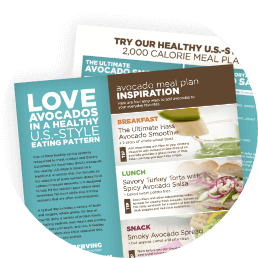
Download this free pdf from Aguacates – Love One Today® with a few helpful resources including helpful ways to spot the difference between natural sugars and added sugars which can help you make more mindful health choices.
Download now →

Avocados and Satiety: A Deep Dive into Fullness and Weight Management

Avocados and Satiety:

A Deep Dive into Fullness and Weight Management

In the quest for sustainable weight management and overall health, finding foods that not only nourish but also keep hunger at bay is key. Enter avocados. These creamy, versatile fruits aren’t just delicious—they’re also superstars when it comes to helping you feel satisfied and supporting your weight loss goals.

In short, avocados are a powerhouse when it comes to promoting satiety, making them an invaluable tool for those looking to manage their weight effectively. With 6 g of healthy fats and 3 g of fiber per serving, avocados can help regulate appetite and prolong feelings of fullness, ultimately reducing overall calorie intake and supporting sustainable weight loss efforts.

Plus, the unique combination of nutrients found in avocados, including essential vitamins, minerals, and antioxidants, offers numerous health benefits beyond just satiety, making them a versatile and nutritious addition to any diet focused on achieving and maintaining a healthy weight.


Join us on a journey to uncover the secrets behind avocados’ satiating powers, bust some myths along the way, and learn easy tips for adding this nutrient-dense gem to your everyday meals.

The Role of Avocados in a Weight Loss Diet

Avocados have earned their place as a cornerstone of any effective weight loss strategy, thanks to their exceptional nutritional profile and satiating properties.

Unlike many other fruits, avocados contribute 6 g of good (unsaturated) fats and are a good source of fiber per serving – a third of a medium size avocado or 50 g.

These two components play crucial roles in regulating appetite and promoting feelings of fullness. By incorporating avocados into your meals and snacks, you can help curb cravings, reduce overall calorie intake, and support sustainable weight loss.

The Nutritional Profile of Avocados

Avocados provide not just heart-healthy monounsaturated fats but also nearly 20 vitamins and minerals crucial for overall health and well-being.

One serving of avocado contains:

  • 80 calories and 5 g of monounsaturated fats. When used instead of other fats, avocados can be part of a calorie-reduced diet.

  • 3 g of fiber. Diets rich in healthy foods containing fiber may reduce the risk of heart disease, obesity, and type 2 diabetes.

  • 250 mg of potassium, an essential electrolyte that your body loses as you sweat and helps build muscle and break down and use carbohydrates.

  • 4% DV magnesium and 10% DV vitamin K for strong, healthy bones.

  • 6% DV of vitamin E to help keep the immune system strong.

Avocados and Satiety:

Why Do Avocados Make You Feel Full?

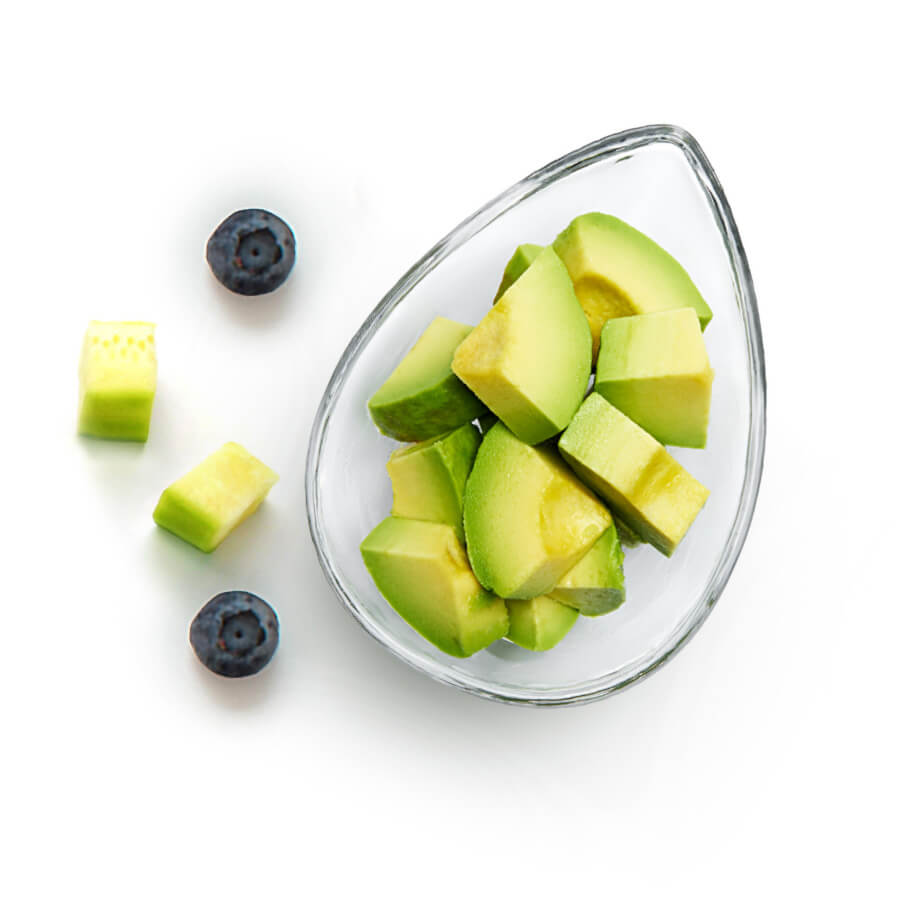
serving of avocado diced

One of the main reasons avocados are so effective at promoting satiety is their fiber content. Fiber is renowned for its ability to slow digestion, prolong feelings of fullness, and prevent spikes in blood sugar levels. Moreover, getting plenty of insoluble fiber in your diet is key to keeping your gut happy and ensuring regularity, which can leave you feeling more comfortable and energized. 65% of the fiber in avocado is insoluble.

Plus, the healthy fats found in avocados, particularly oleic acid, have been shown to stimulate the production of hormones that signal fullness to the brain. Together, these components work synergistically to help you stay satisfied and prevent overeating.

Scientific Insights:

What Research Says About Avocados and Weight Loss

Numerous studies have examined the effects of avocado consumption on weight management and metabolic health, consistently yielding promising results. Research suggests that including avocados in your diet may lead to greater feelings of fullness, reduced calorie intake, and even improvements in markers of metabolic health such as cholesterol levels and insulin sensitivity.

In a weight-loss study, researchers found that 24 overweight or obese adults experienced similar weight loss when advised to eat 500 calories less each day and to eat one avocado daily, compared to a control group following the same dietary guidance without avocado. The avocado-eating-weight-loss group reported little change in diet satisfaction over the 12-week study. More research is needed to confirm the findings, especially in a larger U.S. representative sample.

An observational study of over 29,000 adults, who, on average, consumed slightly more than half of a medium avocado per day, found that avocado consumers are 33% less likely to be overweight or obese and 32% less likely to have an elevated waist circumference compared to non-consumers. This analysis uses the 24-hour dietary recalls from a nationally representative sample (NHANES). The findings cannot be considered causal, and more studies are needed to confirm this data.

In a clinical trial of 31 relatively healthy overweight and obese adults, scientists found that eating a whole avocado as part of a breakfast meal, compared to a meal with no avocado suppressed hunger and improved meal satisfaction. A visual analog scale measured satiety up to six hours after the meal. More research is needed to generalize the results to all people.

A clinical trial of 105 overweight-obese adults studied whether eating a diet with one avocado a day for 12 weeks would alter body fat distribution. Daily avocado consumption was associated with a decrease in visceral fat among women. The Avocado Nutrition Center funded the study, and although more research is needed to generalize the results to all people, the study adds to a growing body of evidence studying the weight management effects of eating avocados.

A systematic review of 28 clinical trials found that eating high oleic acid (monounsaturated fat) meals is associated with reduced abdominal fat and central obesity. This study relies on published work and the findings cannot be generalized to all populations.

These findings underscore the potential of avocados as a valuable tool in the fight against obesity and related chronic diseases.

Do Avocados Make You Gain Weight? Addressing Common Myths About Avocados and Weight Gain

Despite their many nutritional benefits, avocados have sometimes been unfairly vilified as a potential contributor to weight gain. However, the truth is quite the opposite. When consumed as part of a balanced diet, avocados are healthy and can actually support weight loss efforts thanks to their satiating properties and nutrient density. By dispelling common myths and misconceptions, we can empower individuals to make informed choices about including avocados in their weight management plans.

Setting Realistic Goals with Avocados at the Core

When starting your weight loss journey, set achievable goals that match your needs and likes. To experience some of the benefits of fiber, aim for 25 grams of dietary fiber every day, based upon a 2,000-calorie diet, so your daily needs may differ depending on your calorie needs.

Gradually increase your fiber intake to avoid discomfort such as gas, bloating, or cramps and start with simple yet impactful changes.

  • Kick off your day with nourishing options like oatmeal or whole grain avocado toast.

  • Snack on whole fruits, nuts, or raw veggies for a fiber-filled boost.

  • Incorporate legumes into your meals or serve them as the main dish.

  • Add more whole grains to your meals, such as barley, brown rice, buckwheat, bulgur, millet, or quinoa.

  • Begin each meal with a refreshing salad.

  • Prioritize fruits and vegetables by filling half your plate with them.

  • End your meals with a satisfying fruit-based dessert.

Adding avocados to your meals can help you along the way, offering tasty benefits as you strive for your ideal weight.

Crafting Your Avocado-Infused Weight Management Plan

Now that we’ve established the role of avocados in promoting satiety and supporting weight loss, let’s explore how you can incorporate them into your daily diet to achieve your health goals. Whether you’re aiming to shed excess pounds or simply improve your overall well-being, crafting a personalized nutrition plan centered around the nutritional benefits of avocados can set you on the path to success.

Here are some resources to get you started

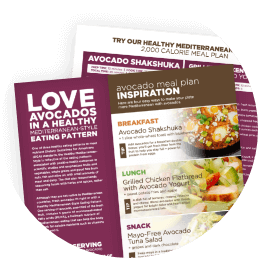
us eating plan

Healthy U.S. Style Meal Plan. Based on a traditional American diet, it emphasizes the selection of more nutrient-dense food options and proper portion sizes.

mediterranean eating plan

Mediterranean Style Meal Plan. The Mediterranean diet emphasizes eating foods with good fats–like avocados!

vegetarian eating plan

Vegetarian Style Meal Plan. The key to getting the most out of a vegetarian diet is variety. You can incorporate avocados into all types of dishes. From breakfast to dessert and everything in between!

Maintaining a food diary can be a valuable tool in your weight management journey. By recording the foods and beverages you consume, along with your feelings and eating environments, you gain valuable insights into your eating habits. For instance, you might discover that your portions are larger than you realized, or that you tend to eat out of boredom rather than hunger. Identifying these patterns can empower you to make positive changes and cultivate healthier habits.

To kickstart your food tracking habits, download our Weekly Food Journal and take the first step towards a more mindful and balanced approach to eating.

Monitoring Progress:
What to Expect

As you incorporate avocados into your weight management plan, it’s important to monitor your progress and adjust as needed. While avocados can be a valuable tool in supporting your goals, they should be consumed as part of a balanced diet that includes a variety of nutrient-dense foods. By keeping track of your dietary intake, physical activity levels, and overall well-being, you can ensure that you’re on the right track to achieving your desired outcomes.

Integrating Avocados into Your Daily Diet

Practical tips and ideas for incorporating avocados into meals and snacks are essential for making them a regular part of your diet. Whether you prefer them sliced on toast, mashed into guacamole, or blended into a smoothie, there are countless delicious ways to enjoy avocados throughout the day. By experimenting with different recipes and flavor combinations, you can discover new and exciting ways to reap the benefits of this versatile fruit.

Avocados vs. Other Snacks

When it comes to choosing snacks that support your weight loss goals, not all options are created equal. Compared to processed snacks high in sugar and unhealthy fats, avocados offer a wholesome alternative that can help you stay full and satisfied between meals thanks to their unbeatable combination of nutrient density, satiety, and flavor.

  • Short on time? Avocados are the ultimate grab-and-go snack, perfectly packaged and always ready to enjoy. Simply slice one open, grab a spoon, and indulge in the creamy goodness.
  • Craving a snack with a twist? Elevate your chip game with a flavorful twist by topping oven-baked tortillas with zesty chili-lime guacamole. Discover the Recipe
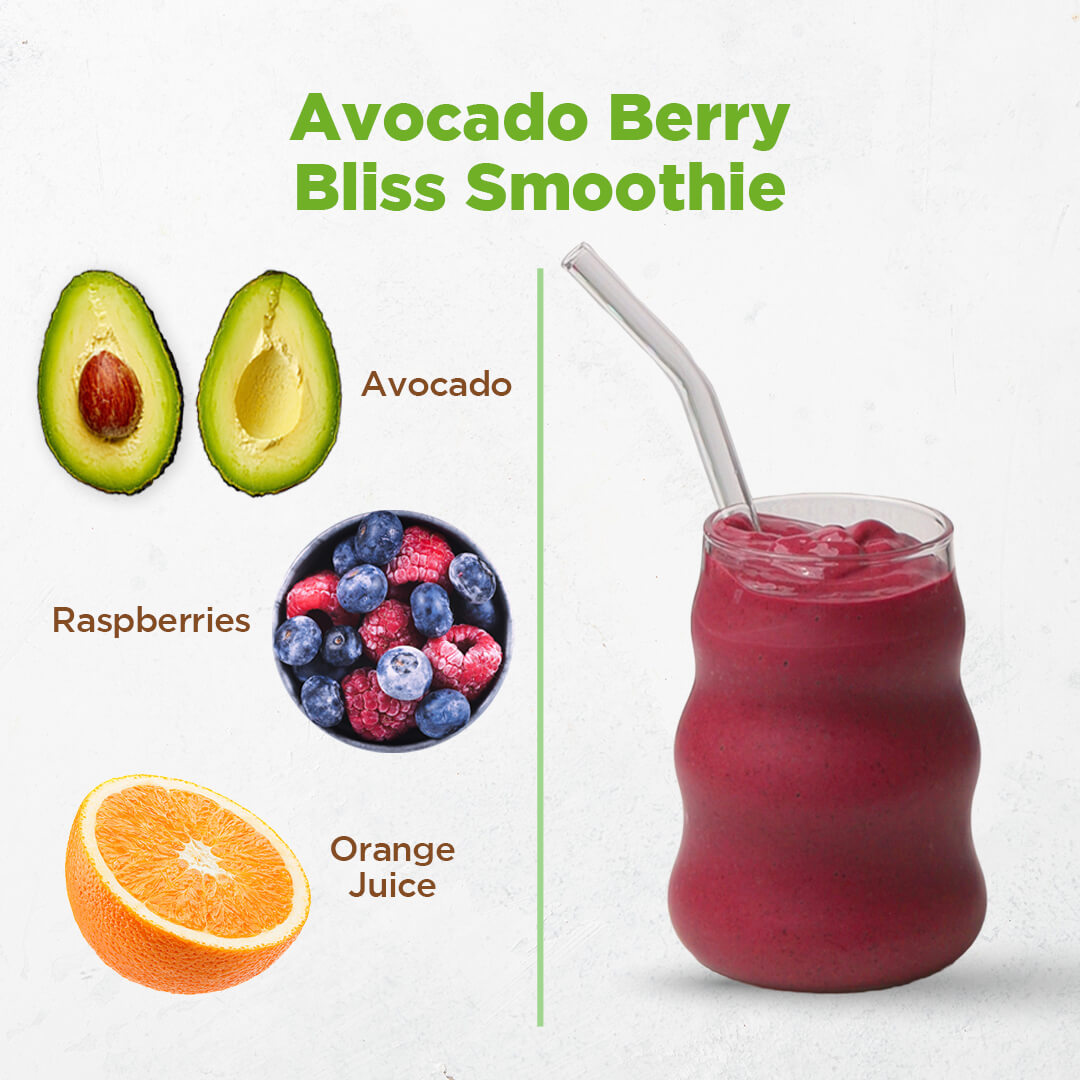
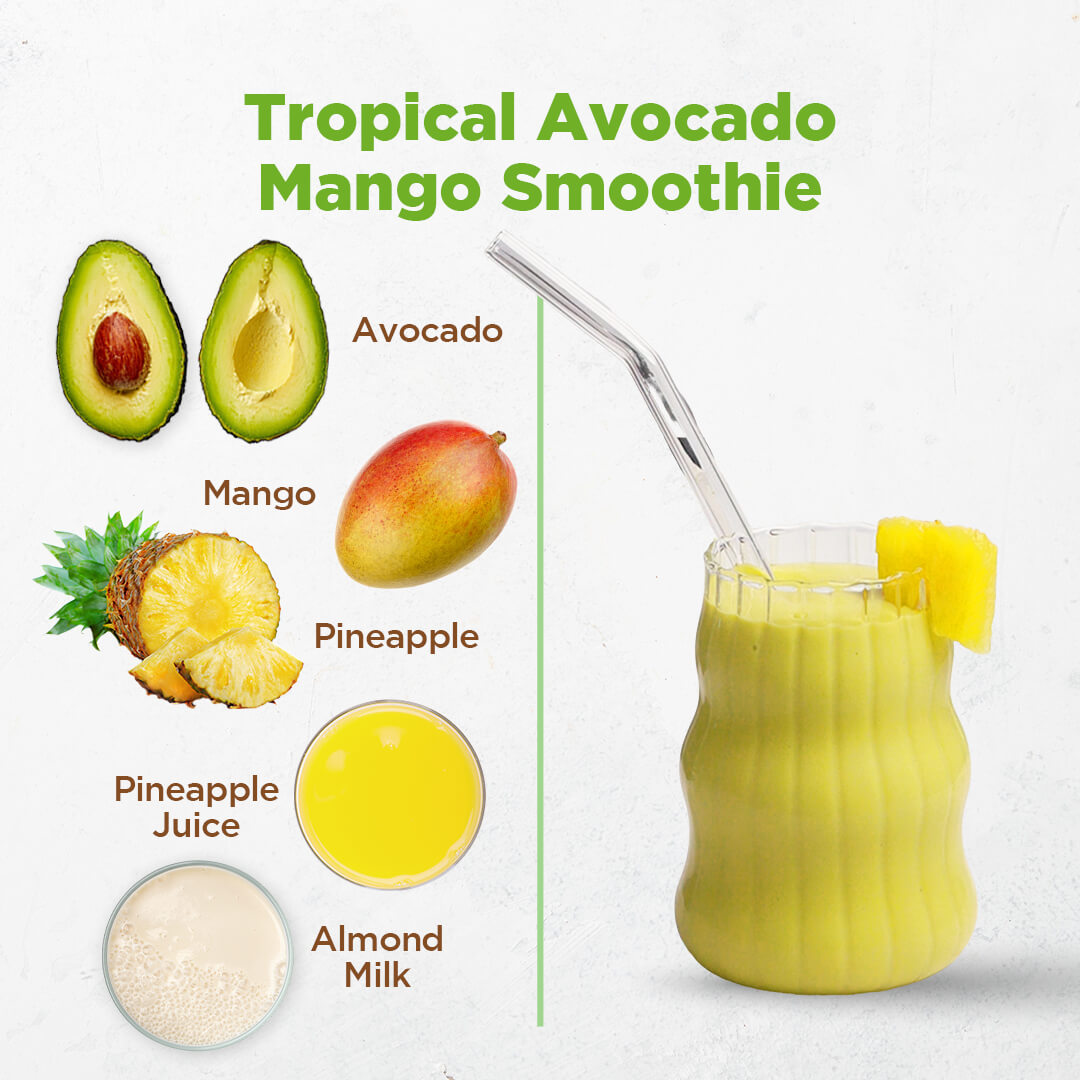
  • Looking to swap out your milkshake for a healthier alternative? Blend in some avocado for a creamy, dairy-free addition that provides good fats and fiber. Let’s Start Blending
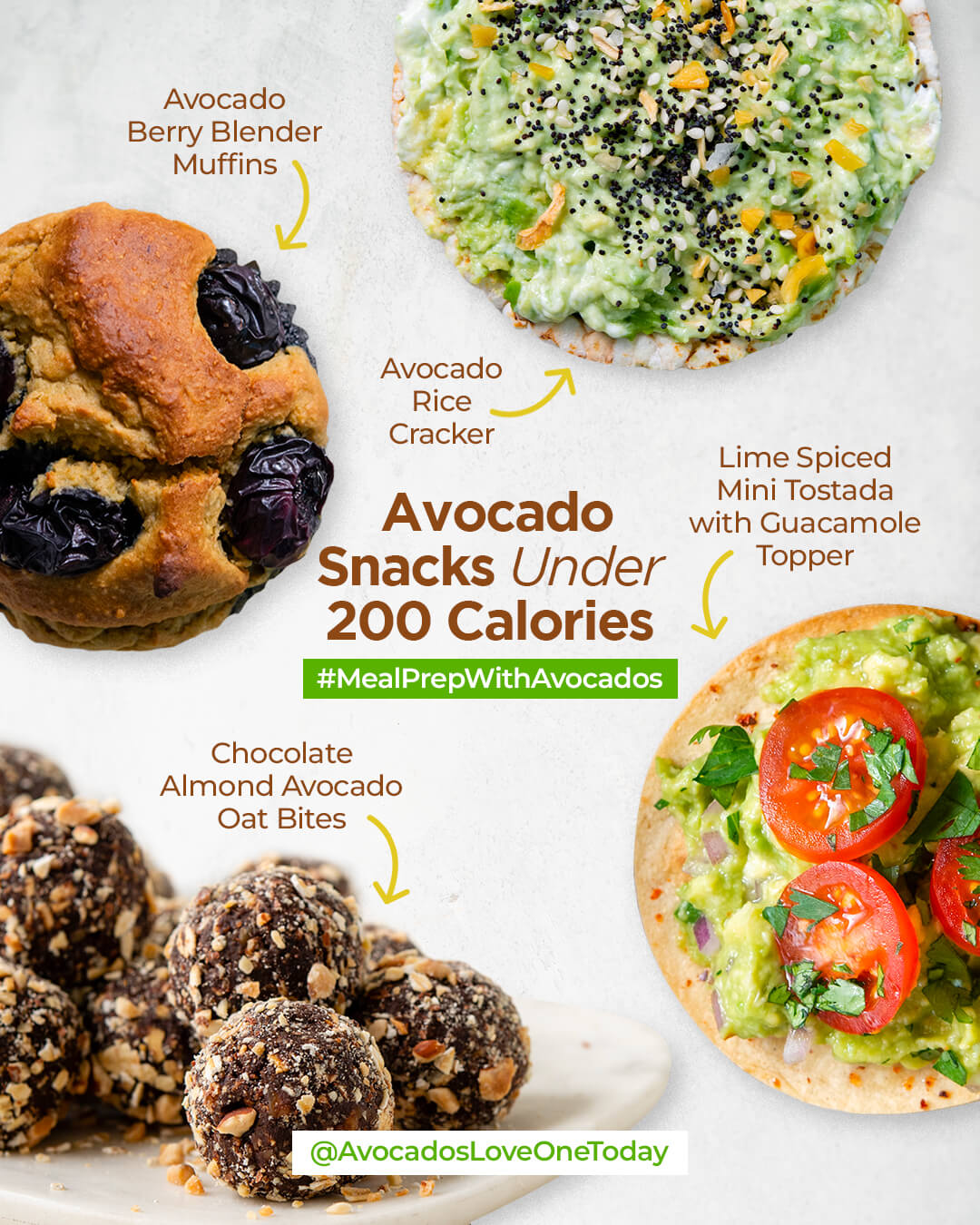
  • In the mood for something indulgent yet nutritious? Snack on a delightful combination of avocado, chocolate, whole grain oats, almonds, and dates all rolled into convenient, bite-sized balls. Chocolate, Anyone?
  • And for a snack that’s both easy and versatile, why not try avocado toast? Personalize it with your favorite toppings for a delicious treat that’s sure to satisfy. Let’s Make Avocado Toast

Avocado Recipes for Weight Management

Indulge in avocado-based recipes that are a good source of fiber, designed to delight your taste buds while helping you stay full for longer and meet your weight goals. From hearty salads and satisfying burgers to creamy dips and decadent desserts, there’s no shortage of delicious ways to incorporate avocados into your meal plan. By getting creative in the kitchen, you can discover new favorites that make healthy eating a pleasure rather than a chore.

Fiber-licious Avocado Recipes

FAQs About Avocados and Weight Management

As avocados continue to gain popularity, they’ve naturally raised questions about their impact on weight management. Let’s explore these common queries and misconceptions to offer clarity and guidance for anyone eager to embrace the benefits of avocados on their journey to wellness.

Quick and Easy Vegetarian Snacks

By: Sharon Lehman, RD

avocado toast

Snacks help you stay energized throughout the day and minimize hunger between meals. However, ultra-processed snacks, like potato chips and cookies, shouldn’t be your go-to.

Replacing high-calorie snacks with nutrient-dense foods, like avocados, is a nutritious way to eat healthier. The Dietary Guidelines for Americans recommends small shifts in food choices to move people toward healthier eating patterns.

The most satisfying snacks contain a mix of healthy fat, fiber, and protein. These nutrients move slowly through the digestive system, help regulate hunger hormones, and support balanced blood sugar levels, all of which contribute to an increased sense of fullness, less hunger, and fewer unhealthy food cravings.

Vegetarian Snack Ideas

If you’re a vegetarian or simply looking for more plant-based snacks, we’ve got you covered. Here are 7 ideas for quick and filling vegetarian snacks.

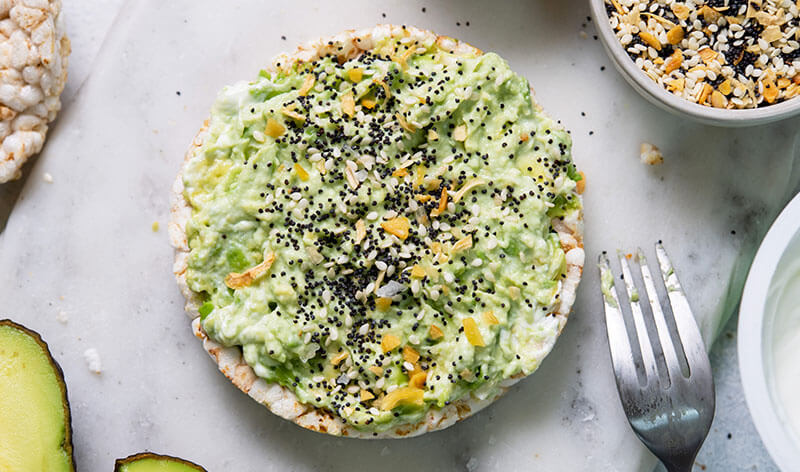
Avocado Rice Cracker

Avocado and rice crackers

Looking for a satisfying snack? Try an avocado. It’s a good source of fiber, which slows digestion and helps keep you full and satisfied. Avocado-topped rice crackers are a quick and easy snack. Simply spread Greek yogurt and mashed avocado on a brown rice cracker and top with your favorite seasonings.

01

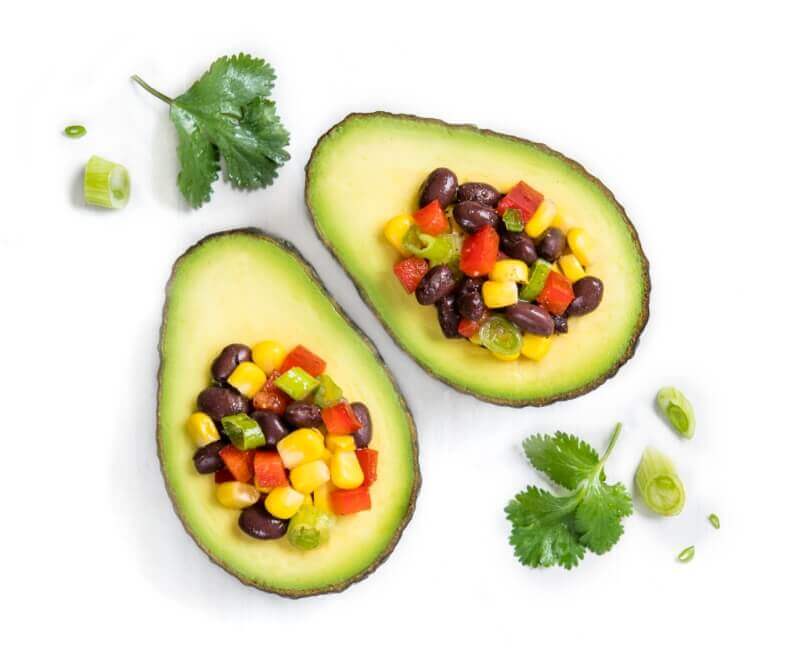
stuffed avocados

Stuffed avocados

Try stuffing halved avocados with veggies, beans, and cheese for an easy savory snack. Make a Caprese version by adding tomatoes, cubed mozzarella, and fresh basil drizzled with olive oil, salt, and pepper, or try a Southwest version, like avocado stuffed with black beans and corn salsa.

02

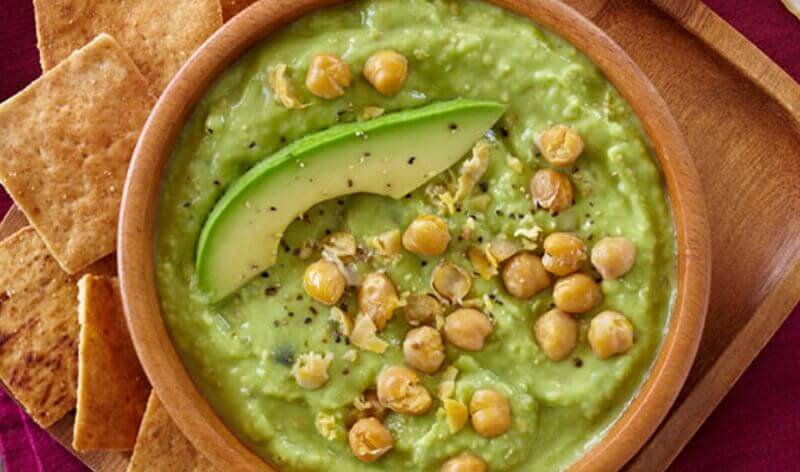
Avocado Hummus

Hummus and dippers

Traditional hummus made with chickpeas and olive oil contains fat, fiber, and protein. The addition of avocados can supercharge your hummus recipe with even more healthy fat and fiber. Dip veggies, like carrot and bell pepper sticks, or whole grain crackers in it for extra-filling nutrition.

03

Deviled Eggs with Avocado

Avocado deviled eggs

One large egg contains 6 grams of protein and 5 grams of fat, making it a great protein snack for vegetarians. In this recipe, hard-boiled eggs are halved and filled with a creamy mixture of mashed yolks, avocado, and Greek yogurt.

04

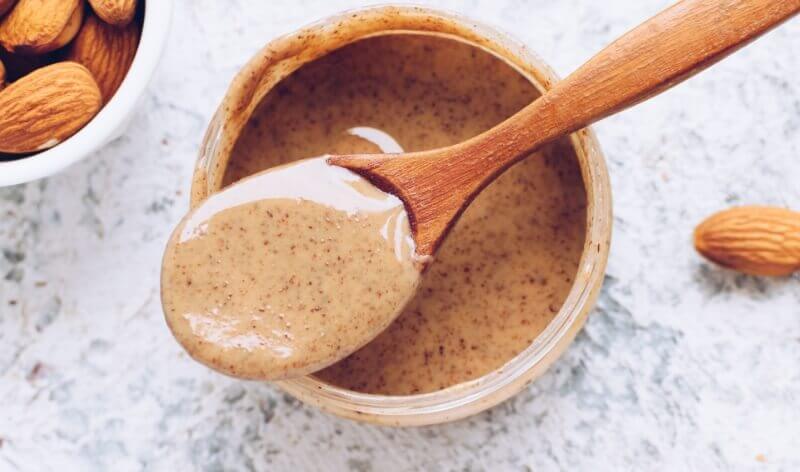
Almond Butter

Fruit and nut butter

Nut butter contains all three snack-worthy nutrients: fat, fiber, and protein. Smear a tablespoon or two of almond, peanut, or your favorite nut butter on sliced apple, pear, or banana for a quick snack.

05

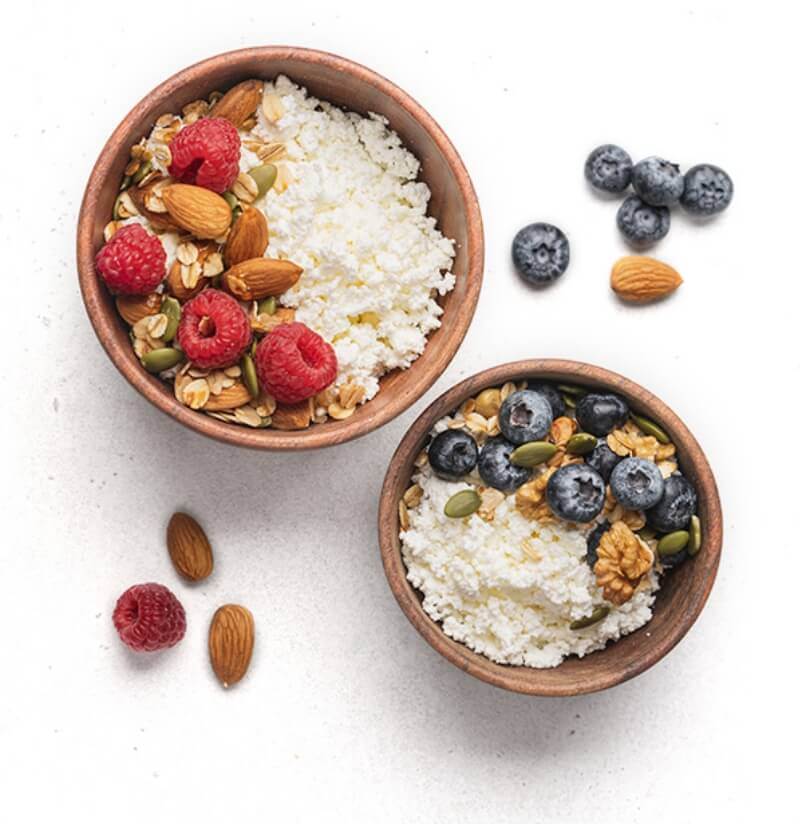
Cottage cheese and fruit

Cottage cheese with berries and nuts

Plain cottage cheese is a high-protein, vegetarian-friendly snack. Top a serving or individual snack cup of cottage cheese with fresh or frozen berries and nuts, like pistachios or walnuts, for fiber.

06

Energy bites

Energy bites

Curb a sweet snack craving with homemade energy bites. You can mix up a combination of oats, nuts and/or seeds, and dried fruit, or use this recipe for Chocolate Almond Avocado Oat Bites. They’re naturally sweetened with dates and contain unsweetened cocoa powder for a chocolatey flavor.

07

Well-balanced vegetarian snacks are an opportunity to incorporate more nutritious foods into your day.

Eating vegetables and fruits, like avocados, is associated with a reduced risk of many chronic diseases, including cardiovascular disease, and may be protective against certain types of cancers, according to the Dietary Guidelines for Americans.

The Ultimate Skin Food: How Avocado Smoothies Can Make Your Skin Glow

The Ultimate Skin Food: How Avocado Smoothies Can Make Your Skin Glow

June is a month of celebration for fruit and vegetable enthusiasts. With National Fresh Fruit and Veggies Month and National Smoothie Day (June 21st) approaching, it’s the perfect time to embrace the season by indulging in refreshing, nutrient-packed smoothies. Not only are smoothies refreshing and delicious, but they also can help provide benefits for radiant, glowing skin.

smoothie img

MyPlate portions

Beauty Begins Within: Nourish Your Skin from the Inside Out

Did you know a healthy, balanced diet rich in fruits and vegetables can supply essential nutrients to your skin? These nutrients, combined with hydration, help keep your complexion bright and beautiful.

But what exactly is a “healthy, balanced diet”?

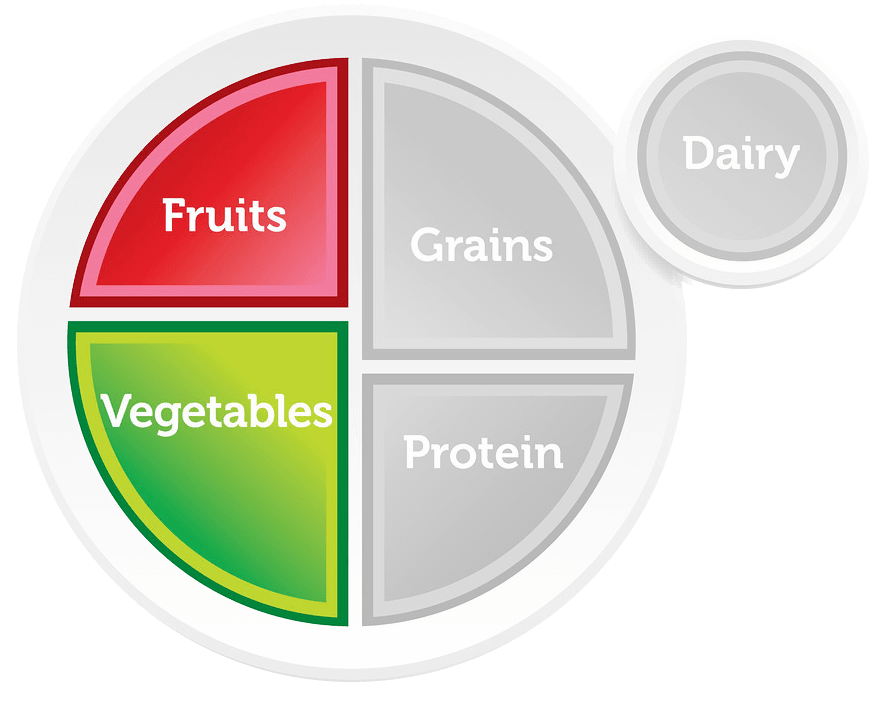
According to MyPlate, half of your plate should consist of fruits and vegetables. This approach provides several essential nutrients that many people lack, such as potassium, fiber, vitamin C, and folic acid. In fact, research shows that 9 out of 10 people do not meet their daily fruit and vegetable targets. Additionally, the US Dietary Guidelines recommend incorporating unsaturated fats into your diet for overall health and well-being.

MyPlate portions

Nutrients That Benefit Your Skin

Specific nutrients are recognized for their skin-enhancing properties, including vitamins C and E, and niacin. Avocados, a fruit that contains unsaturated fats, can contribute to these nutrients.

One-third of a medium avocado provides:

  • Vitamin C (4% of the Daily Value): An antioxidant that promotes healing and contributes to the health of the skin, bones, and connective tissue.
  • Niacin (6% of the Daily Value): A B vitamin that supports skin health, nerve function, and the digestive system.
  • Vitamin E (6% of the Daily Value): An antioxidant that protects the body’s cells and tissues from damage.
avocado slices

woman sipping smoothie

Unlock the Hydrating Power of Avocados for Radiant Skin Health

Proper hydration is essential for maintaining radiant skin. Dehydration can lead to dry skin, making fluid intake crucial. While drinks are important, food can also provide hydration. Avocados may not immediately come to mind as a hydrating food, but they contain a surprising amount of water and fiber.

avocado hydration

Nearly 79% of an avocado’s weight is attributed to water and fiber, making it a hydrating and satisfying addition to your diet.

woman sipping smoothie

Avocados in Smoothies: A Simple Secret to Boosting Nutrients and Enhancing Skin Health

Try incorporating avocado smoothies into your routine for an easy way to increase your fruit and vegetable intake while improving your skin’s health. Avocados offer endless possibilities, from classic fruit blends to creative vegetable combos. Plus, they add creaminess and serve as a fresh, non-dairy alternative. Just #AddAvocado to your favorite smoothie to boost your nutrient intake and unlock glowing skin.

Craving something fresh? Dive into our avo-licious smoothie recipes.

Let’s raise our glasses to radiant skin and remember that beauty begins from within. Every sip is a step closer to a more vibrant you.

Enjoy your smoothie journey, and happy blending!

Unlock the healthiest reasons to indulge in aguacates, a staple of Hispanic cuisine

There’s a good reason why avocados are so popular. These creamy green fruits are not just delicious but also offer a surplus of benefits. Including fresh avocados in your diet can have a positive impact on various aspects of your well-being, including your heart, weight, and even blood sugar regulation.

In this article, we explore the incredible power of avocados and how they can help support your health.

arrow

Aguacates
and Heart Health

When it comes to heart health, avocados are a true superstar. Avocados are essentially the only fruit with good fats. The Dietary Guidelines for Americans recommends replacing bad fats with good fats as good fats offer benefits to the body without raising LDL (bad) cholesterol levels.

Furthermore, one serving of avocado provides 6% of your daily potassium needs. A diet rich in potassium can help offset some of sodium’s harmful effects on blood pressure.

Boost your avocado intake and support heart health by substituting foods high in saturated fat:

  • Instead of adding butter to your bread or corn arepa or cheese bread, add sliced avocados
  • Instead of adding sour cream to your baked potatoes, add sliced avocados and salsa
  • Instead of pairing cheese with fried green plantains, pair them with guacamole

Heart Health Icon

Science backed avocado nutrition

Aguacates Can Be a Valuable Ally in Weight Management

In a study of over 55,000 adult men and women who follow the Seventh-Day-Adventist lifestyle, researchers found that regularly eating fresh avocados is linked to a lower risk of becoming overweight or obese. Healthy avocados are a good source of fiber. Dietary fiber adds bulk to the diet and can promote a feeling of fullness faster, which can increase satiety and help manage weight.

The Avocado Nutrition Center funded the study, and a food frequency questionnaire assessed avocado intake. Though the results do not demonstrate a cause-and-effect relationship, more research is needed — especially in younger populations, and study limitations prevent generalization to all people. The findings support the growing body of evidence connecting eating avocados and body weight.

Weight Managment Icon

Aguacates and
Type 2 Diabetes

Type 2 diabetes is a chronic condition that affects millions of people worldwide. More than 1 in 3 U.S. adults have prediabetes. Over the course of a lifetime, U.S. adults overall have a 40% chance of developing type 2 diabetes. For Hispanic and Latino adults, the odds are even higher at more than 50%.

Healthy eating patterns associated with improved type 2 diabetes outcomes include plenty of fruits and vegetables and unsaturated fats. Avocados are a fruit and contribute 6 grams of unsaturated fats.

Furthermore, avocados contain 4 grams of carbohydrates and don’t rapidly raise blood sugar. On the other hand, eating a diet that contains many ultra-processed and refined carbohydrate sources can affect your blood sugar levels.

Type 2 Diabetes Icon

Aguacates for Healthy
Living at Every Age

Avocados contain a variety of nutrients, such as vitamin K, folate, potassium, lutein, and magnesium, which are crucial for supporting proper growth, development, and maintenance of bodily functions.

For maternal and infant health, avocados are just the perfect food. Moms-to-be need folate to reduce birth defects such as spina bifida, and reduce the likelihood of having a low birth weight or preterm birth. Avocados are a good source of folate.

As kids get older, they eat fewer fruits and vegetables and young adults eat only half of their recommended amounts. Get more by including avocados as a dip, in smoothies, or as a topping on tacos, sandwiches, and soups.

Type 2 Diabetes Icon
avocados

For adults, healthy eating patterns that are associated with improved longevity include plenty of fruits, vegetables, and unsaturated fats. Avocados are a fruit and contribute 6 grams of unsaturated fats.

For older adults, avocados contain 136 micrograms of the carotenoid lutein per serving (one-third of a medium avocado). Lutein is a carotenoid that some research suggests may help maintain aging eye health.

So, no matter your age, make sure to include avocados in your diet for a healthier life.

Aguacates can fit in your daily menu

avocado calendar

Add avocados to your daily meals whether you enjoy them in your pozole, ajiaco, arepas, ceviche, cake, salad, or toast. This creamy green fruit is versatile, and delicious, and provides fiber and unsaturated fats.

So go ahead, give your heart some love, and start reaping the incredible benefits of avocados today!

Love One Today y todos los días.

Embrace Food as Medicine this National Nutrition Month

This March, let’s celebrate #FoodIsMedicine, a movement endorsed by the White House that is reshaping healthcare by focusing on nutrition and health for a disease-free life.

Your food choices play a pivotal role in defining your health journey. From reducing chronic disease risk to promoting overall well-being, what you eat matters.

Enter avocados
Here’s why they’re a must-have in your diet:

Avocados and Heart Health

Avocados & Heart Health
A healthy heart means choosing foods high in unsaturated fats and fiber while limiting saturated fat, cholesterol, and sodium. Avocados shine in this regard, being one of the few fruits loaded with unsaturated fats and fiber, low in saturated fat, and cholesterol and sodium-free.

Avocados and Heart Health
Avocados and type 2 diabetes

Avocados & Type 2 Diabetes
Managing blood sugar levels is crucial, and avocados can help with their fiber and good fats, slowing digestion and preventing rapid spikes in blood glucose after meals. Plus, avocados stand out as a fruit with zero grams of naturally occurring sugar, making them an excellent choice for managing diabetes.

Avocados & Weight Management & Satiety
Choosing foods with fiber, like avocados, can provide a feeling of fullness but with fewer calories and help manage weight. Overweight and obesity can increase the risk of chronic diseases. Fiber adds bulk to the diet and may help you eat less and stay satisfied longer.

Avocados and skin care

Avocado: The Nutrient Booster
Not only do avocados pack a nutritional punch on their own, but they also enhance the absorption of nutrients from other healthy foods, acting as a powerful ally in your quest for better health.

Avocados and skin care

But that’s not all!

avocados and immune systyem

Avocados can boost your immune system. Packed with key nutrients like vitamins E & C, avocados are your powerhouse of protection against harmful threats.

Here’s what avocados bring to the table:

6%

of the Daily Value for Vitamin E, an antioxidant that keeps immune systems strong against viruses and bacteria

4%

of the Daily Value for Vitamin C, an antioxidant essential for immune function and repairing body tissue

avocados and skin care

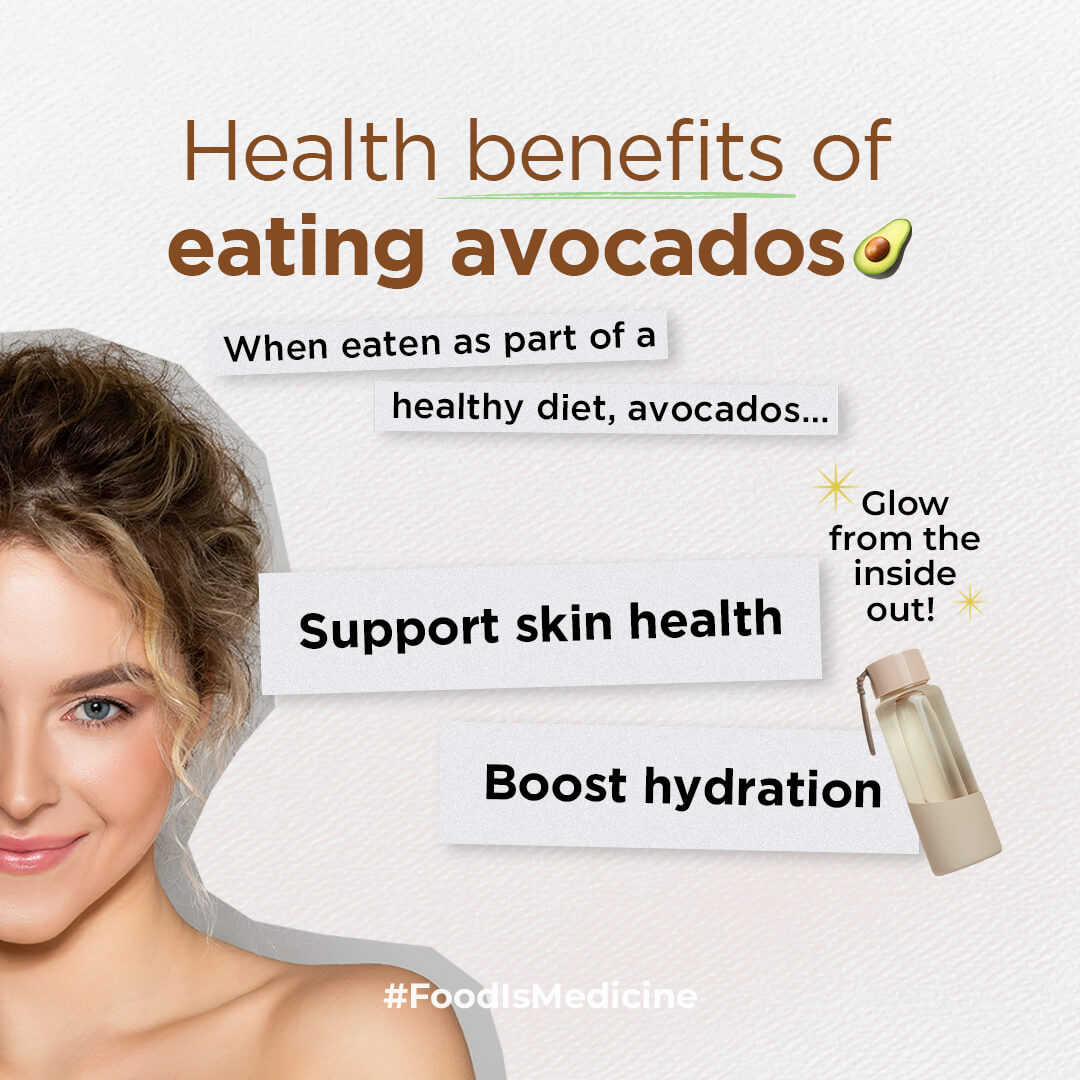
They support skin health, too! Glow from the inside out with avocados! Skincare isn’t just about what you put on your face—it starts with what you put on your plate.

avocados and skin care

Did you know? Avocados are packed with skin-loving nutrients:

4%

of the Daily Value of vitamin C, an antioxidant that promotes healing and aids in the health of skin, bones, and connective tissue 

6%

of the Daily Value for vitamin E, an antioxidant that protects against damage to the body’s cells and tissues 

6%

of the Daily Value of niacin, a B vitamin that supports the digestive system, skin, and nerve function


Remember, the choices you make today shape your skin tomorrow! Stay hydrated, protect your skin from the sun, and nourish yourself with fresh, wholesome foods. Your skin will thank you! 💚

Avocados and eye and cognition

Avocados may also support eye health and cognition. Research suggests a strong connection between certain foods and brain health. Avocados contain 136 mcg of lutein per serving.

Let’s eat our way to a brighter future!

avocados floating

Need more reasons to add avocados to your diet?

According to the American Institute for Cancer Research, non-starchy vegetables and fruits may protect against cancers of the mouth, pharynx, larynx, esophagus, colon, rectum, and stomach. Avocados are a non-starchy fruit.


Join the #FoodIsMedicine movement this National Nutrition Month and embrace the nourishing benefits of avocados on your journey to a life free of disease! 🥑

How to Practice Body Positivity, Starting with Yourself

- How to -

Practice Body Positivity, Starting with Yourself

Our social-media-obsessed world is filled with edited images implying what human beauty should look like. Understandably, this can make us feel pressured to develop unrealistic expectations for ourselves. Fortunately, there’s a movement called body positivity, which promotes respect for our bodies just as they are.

body positivity sketch

What is Body Positivity?

Body positivity, or body neutrality, encourages an appreciation for our self-worth and the wonderful things our bodies are capable of, rather than brooding over outward appearances. The campaign is important because it:

  • Challenges our culture to eliminate standards of what beauty should look like.
  • Promotes mental health and self-confidence, regardless of a person’s size, shape, race, sexuality, or disability.
  • Encourages using food and exercise as tools to achieve health, putting less importance on using them to change what the body looks like.
  • Helps people learn to accept themselves just as they are right now.

How to Get Started

If you struggle with body positivity, you’re not alone. Most people are insecure about their appearance in one way or another. The idea is to shift your thoughts away from perceived flaws and acknowledge your unique qualities instead.

One way to get started is to create body neutral or body positive affirmations and say them to yourself regularly. By repeating affirmations that are realistic and honest, you’ll challenge negative beliefs and potentially improve your well-being.

Examples of BODY-POSITIVE affirmations:

I will focus more
on taking care of
my body
and less
on how it looks.

I am valuable
because of who I am,

not because of what
I look like.

I can eat
nourishing foods

and I can exercise to
help keep my mind
and body healthy.

My body is
miraculous
simply
because it can
do things I enjoy
every day.

I accept and
respect my
body the way it
is right now.

You can also practice self-care by avoiding activities that smother your positivity. Consider taking a break from social media sites or influencers that cause you to have negative thoughts about yourself, and choose platforms that support your body positive affirmations.

Finally, you can promote the movement by encouraging others to join you in your positivity journey. If you hear loved ones making negative comments about their appearance, remind them how incredible their bodies truly are.

Honor Your Body with Nutritious Food

Considering what you eat is another way to practice body positivity. Providing yourself with adequate nutrition can be beneficial to the inside and outside of your body.

diced avocado serving

For example, some nutrient-dense foods can be good for your skin. When it comes to your skin health, specifically, several nutrients are considered powerhouses-including vitamins C and E, and niacin. Per 50-gram serving, avocados provide 4% of the Daily Value for vitamin C and 6% of the Daily Value for vitamin E and niacin.

Embracing body positivity can help us reduce the time we spend concerned over outer insecurities, and increase the time we spend appreciating who we are inside.

New Year, New Flavors

Dive into Meal Planning with the Power of Avocados

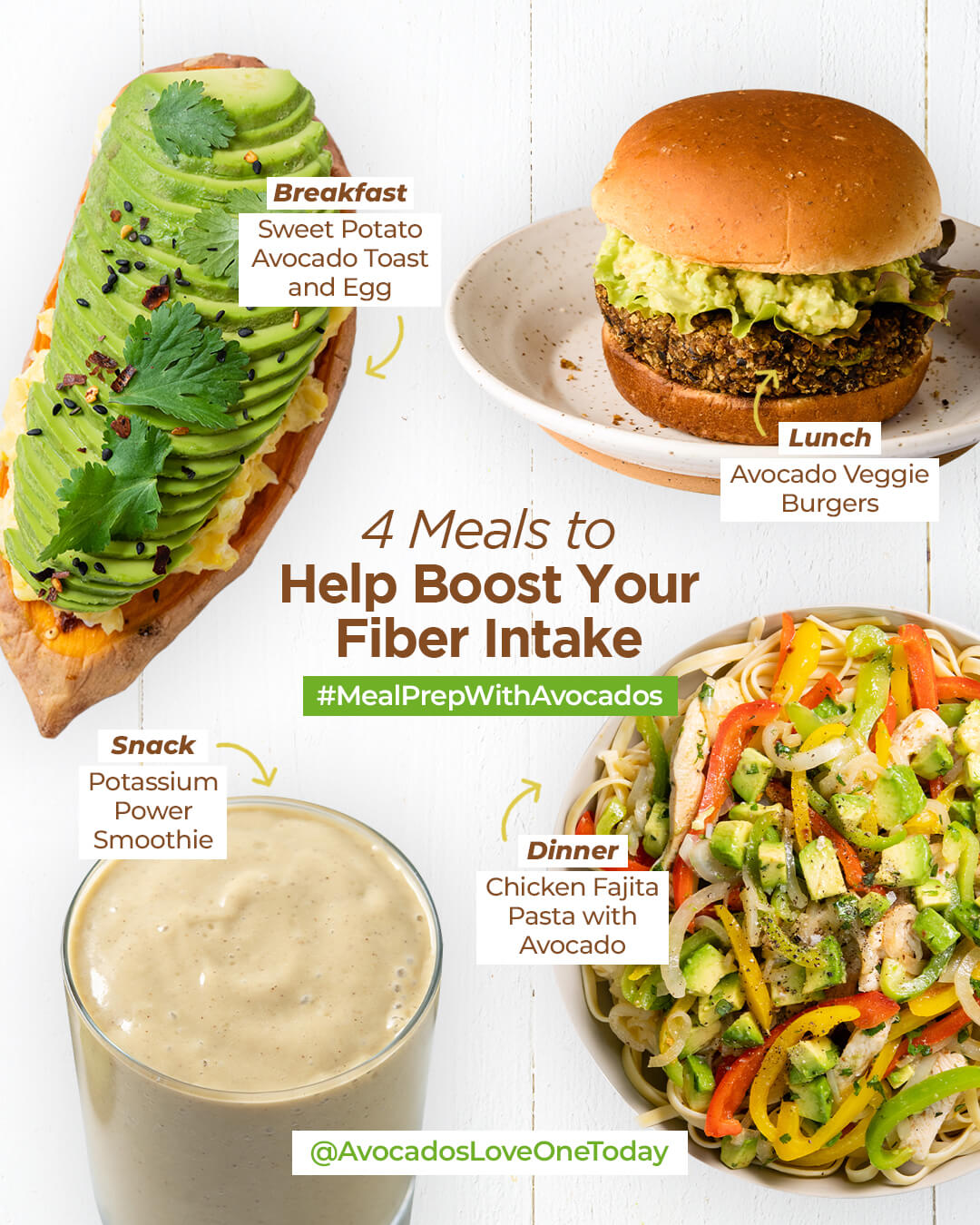
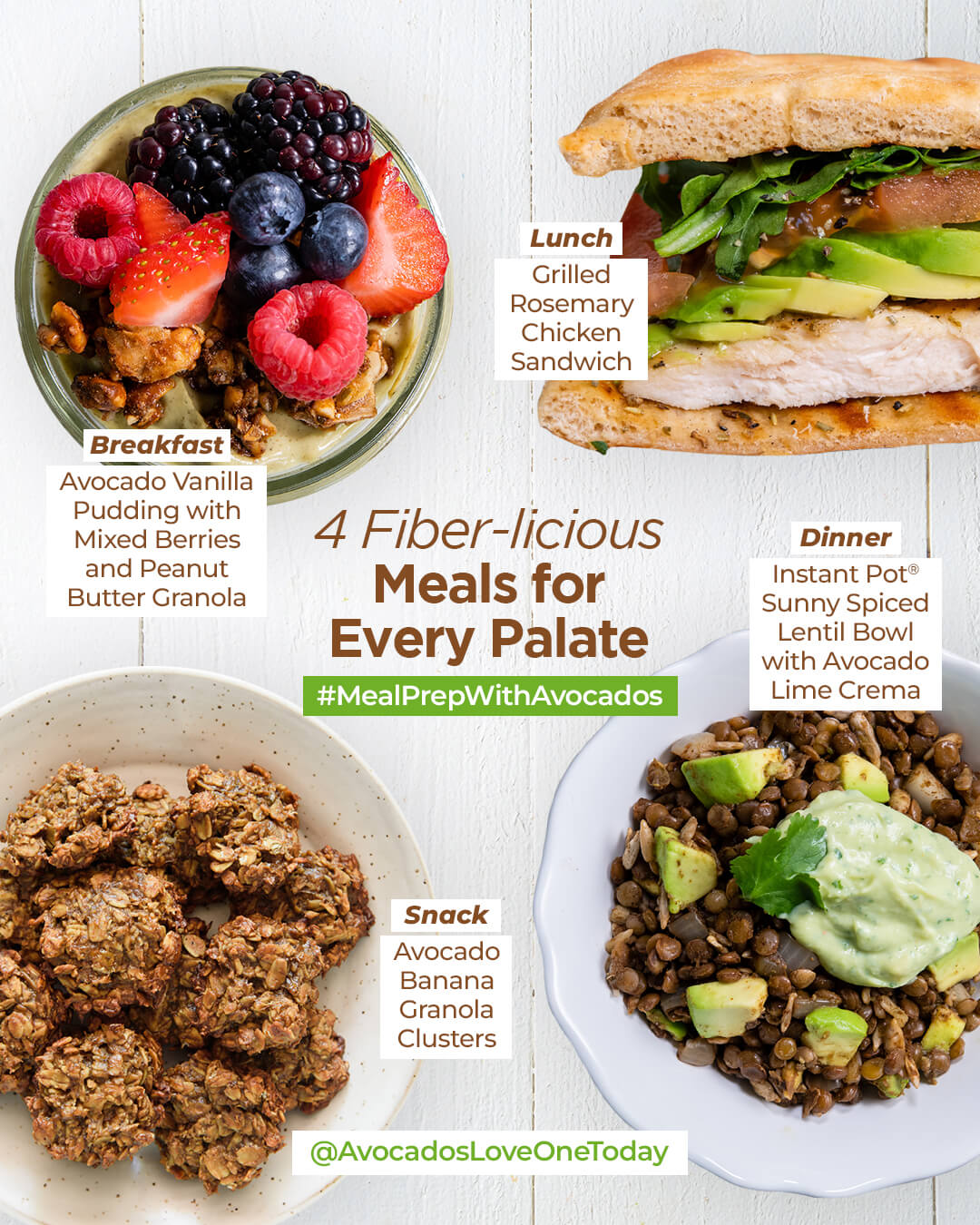
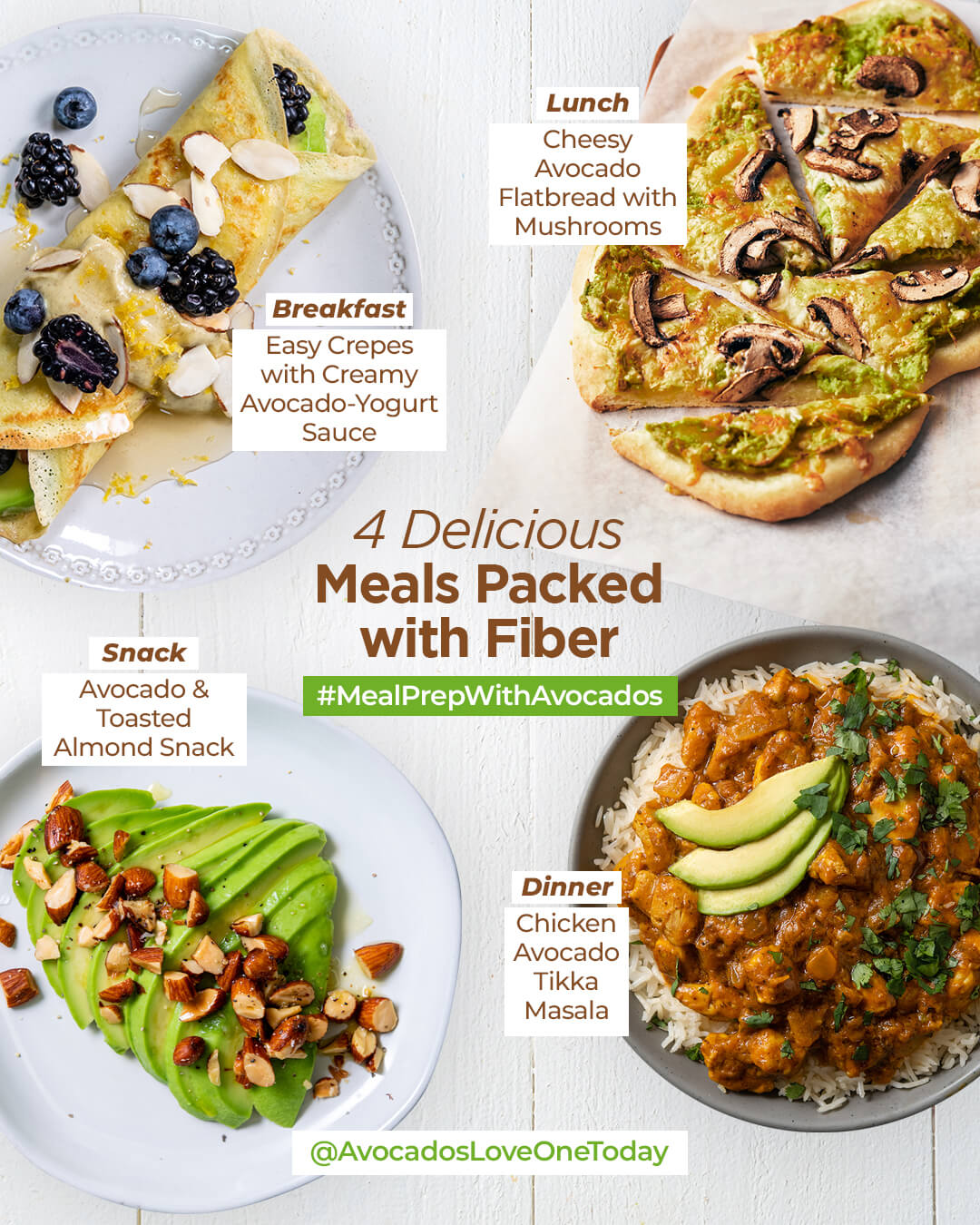
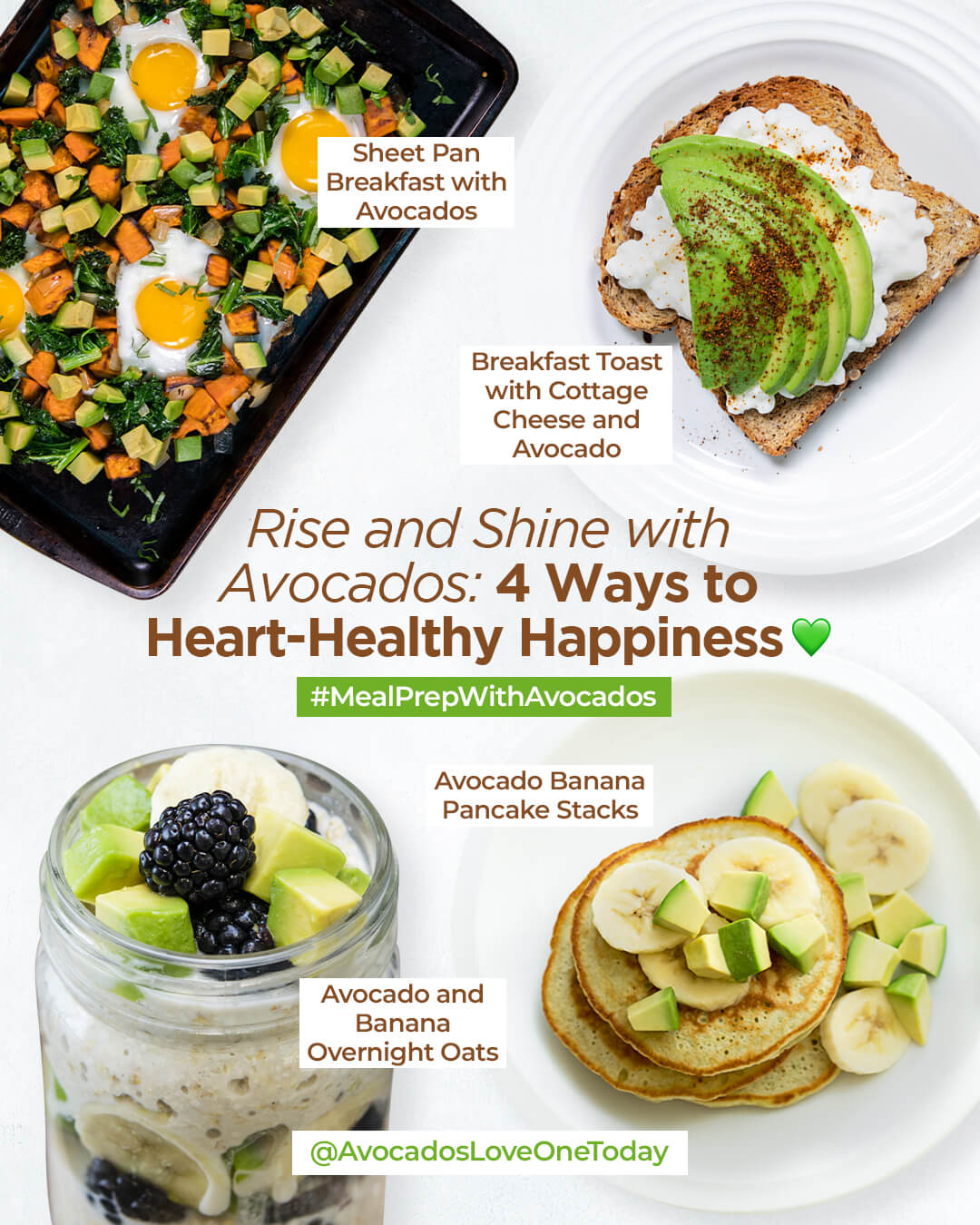
#MealPrepWithAvocados

Let’s kick off the New Year by nourishing our bodies and embracing a healthier lifestyle.

Your wellness journey starts right on your plate, and we’ve got a delicious ally: fresh avocados! 🥑

— Week 1 —

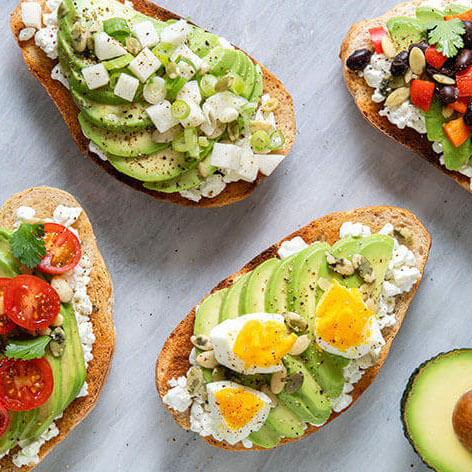
Nutrition Tip: fuel your day with nutritious goodness, starting with breakfast! Avocado is not just a tasty addition; it’s a key player in maintaining a healthy weight and helping reduce the risk of chronic diseases like diabetes and heart issues.

Get Breakfast Recipes 🥑

Nutrition Tip: cutting calories doesn’t mean cutting flavor! Opt for lower-calorie foods filled with water and fiber to keep you satisfied. Did you know? 79% of an avocado’s weight is fiber and water – nature’s perfect combination!

Get Meals Under 500 Calories 🥑

Ideal for lunch or dinner!

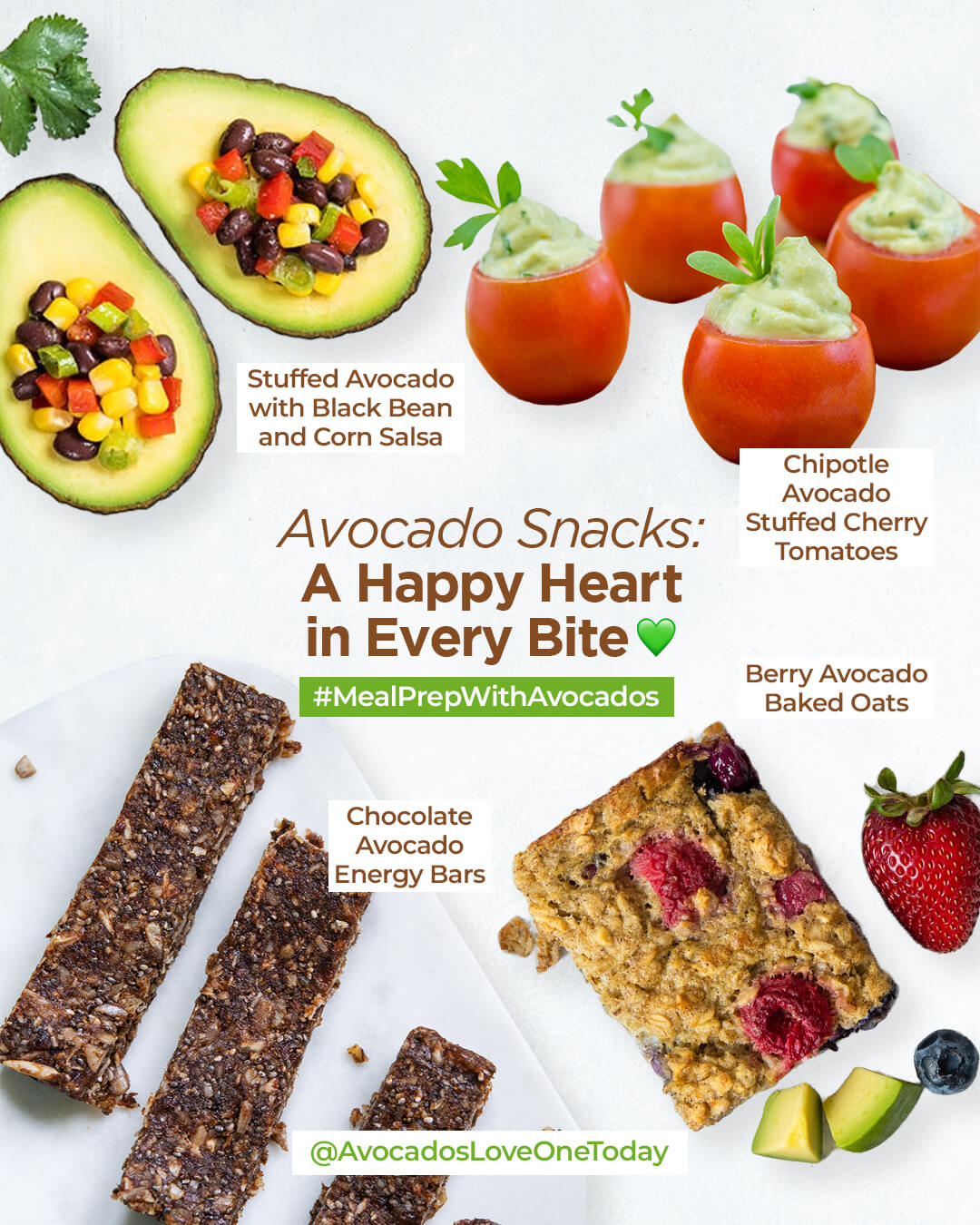
Nutrition Tip: don’t let snack time boycott your #weightgoals. Include avocados in your snack routine and say goodbye to tasteless snacks. These green wonders count towards your fruit and veggie intake, deliver essential nutrients, and are a source of naturally good fats.

Get Snacks Under 200 Calories 🥑

— Week 2 —

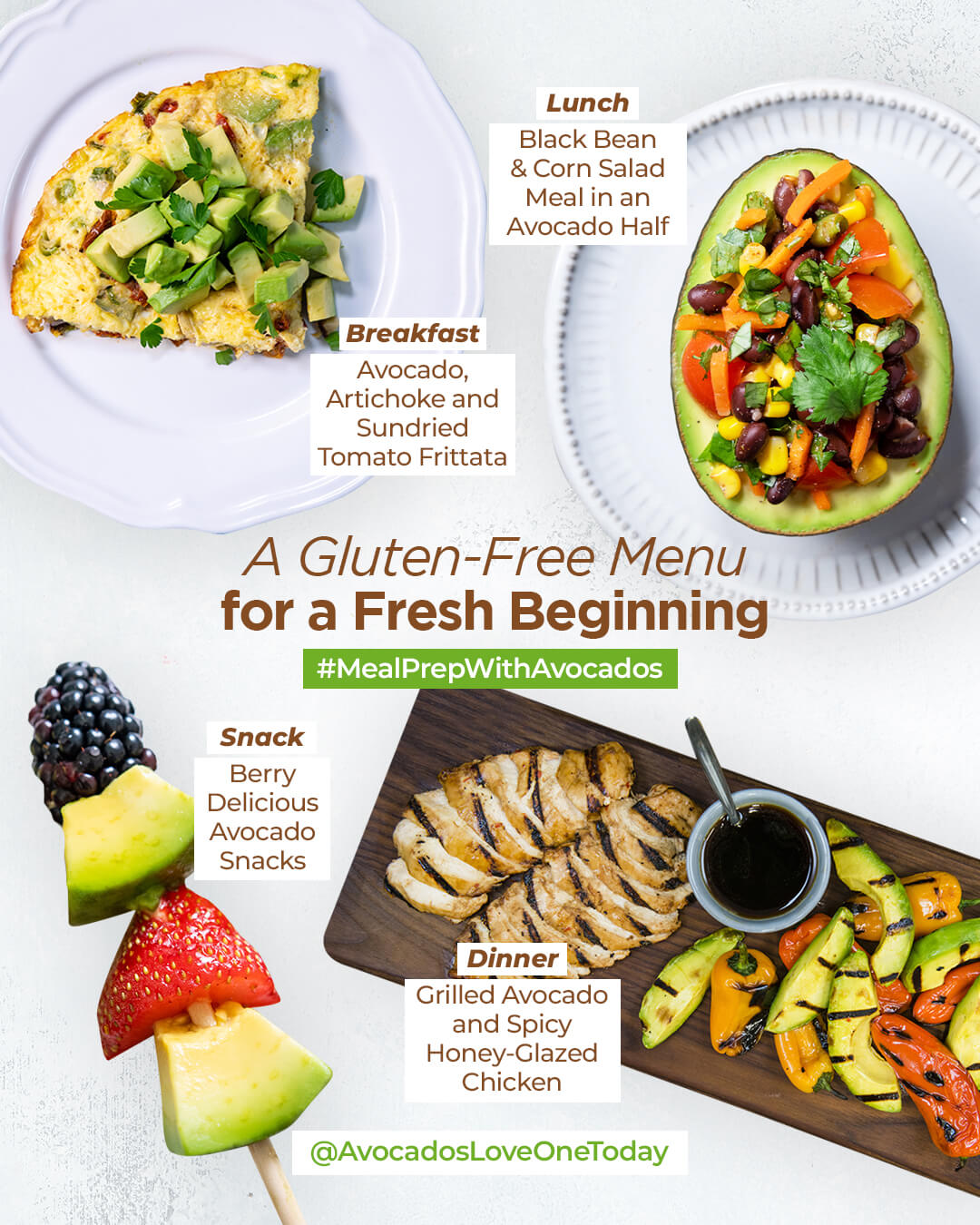
Fuel your New Year resolutions with gluten-free brilliance. Avocados, the gluten-free superheroes, not only add flavor to your recipes but also keep hunger at bay. Indulge in the goodness of gluten-free meals for a nourished and satisfied you!

— Week 3 —

Kickstart your new year with the incredible versatility of avocados. From breakfast to snacks and every meal in between, these green gems are both delicious and nutritious. Boost your weight goals with the fiber-packed goodness they offer!

Nutrition Fact: Avocados are a good source of fiber. Dietary fiber adds bulk to the diet and can help you feel fuller faster and help manage weight.

— Week 4 —

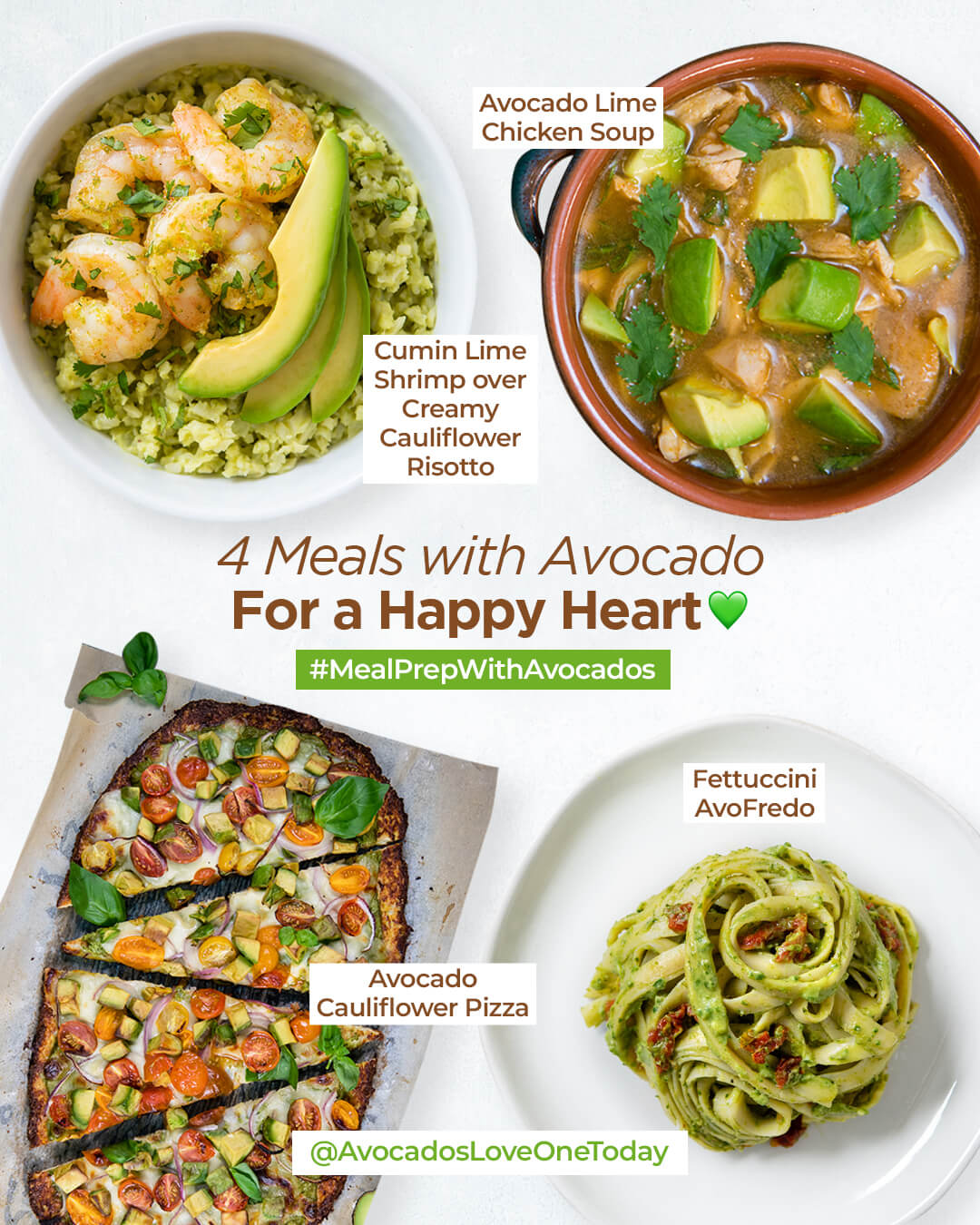
Nourish your heart with avocado goodness! As we gear up for American Heart Month, we’ve compiled some tasty avocado recipes, perfect from breakfast to dinner, that’ll make your heart happy.

Nutrition Fact: The American Heart Association recommends replacing saturated fats with unsaturated fats for heart health. Avocados are low in saturated fat and provide 6 grams of unsaturated fat per serving.

instagram logo

Follow us on Instagram @AvocadosLoveOneToday for more meal prep inspiration.

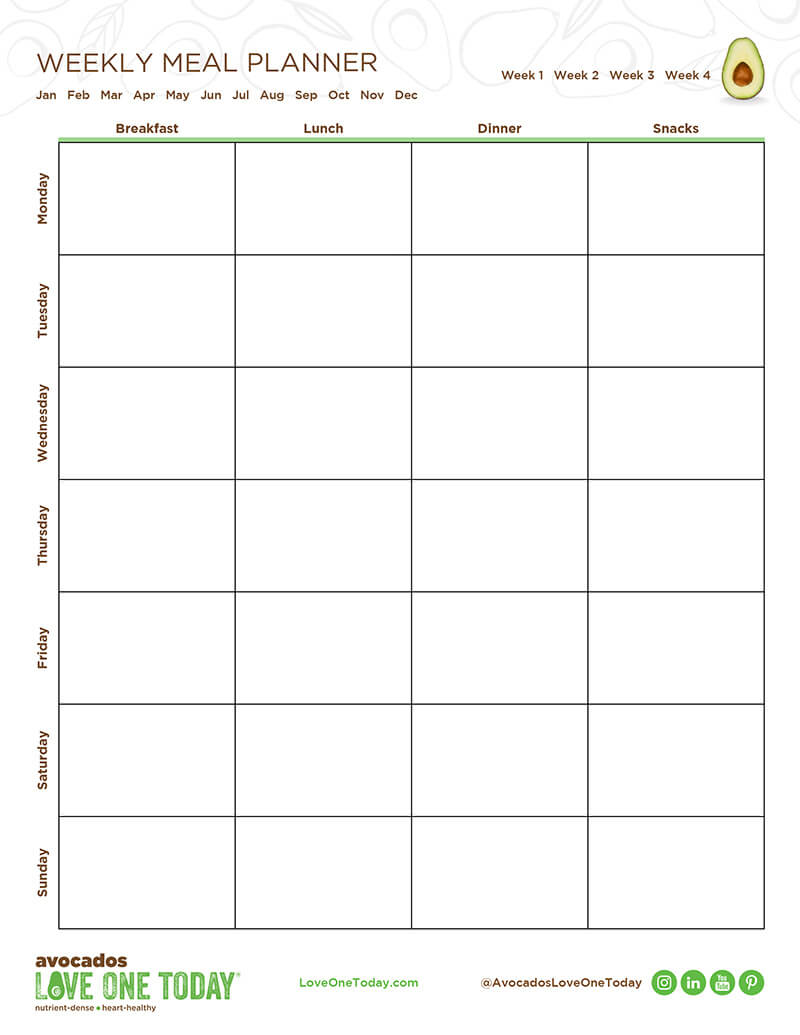
Avocados Love One Today Meal Planner

Print to Start Your #MealPrepWithAvocados

Download and Print Now