Supporting Your Gut Health in the New Year

By Sharon Lehman, RD

Many people resolve to eat better at the start of each new year. Instead of extreme or short-lived dietary changes, we encourage you to focus on healthy eating habits that support gut health.

Your intestines are home to your gut microbiome, a collection of beneficial bacteria with many important jobs that help keep you healthy. Besides breaking down the food you eat, your gut absorbs and produces nutrients and influences other parts of the body, including the immune system, brain, and heart.

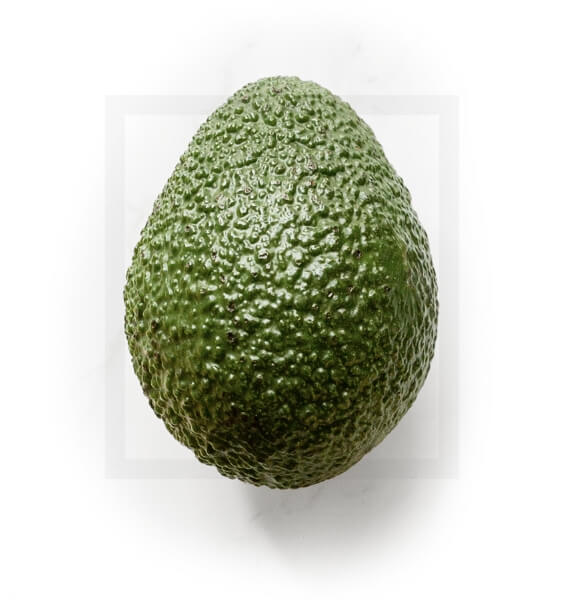
gut health avocado

A healthy body starts with a healthy gut. Gut health starts with the food on your plate.

Here are four simple
gut health hacks.

01

Eat more fruits and vegetables

The USDA recommends eating 1.5 to 2 cups of fruit and 2-3 cups of vegetables daily. The easiest way to boost fruit and veggie intake is to include a serving of either — or both! — at each meal and snack. Fruits and vegetables provide important nutrition, including vitamins, minerals, antioxidants, and fiber.

The Dietary Guidelines for Americans recommends most adults consume 25 to 35 grams of dietary fiber per day, depending on age and sex. Fiber promotes regular bowel movements and provides food for the bacteria in your gut. The microbiome is alive and requires fuel to function optimally.

Did you know that most Americans do not eat enough dietary fiber? Avocados to the rescue!

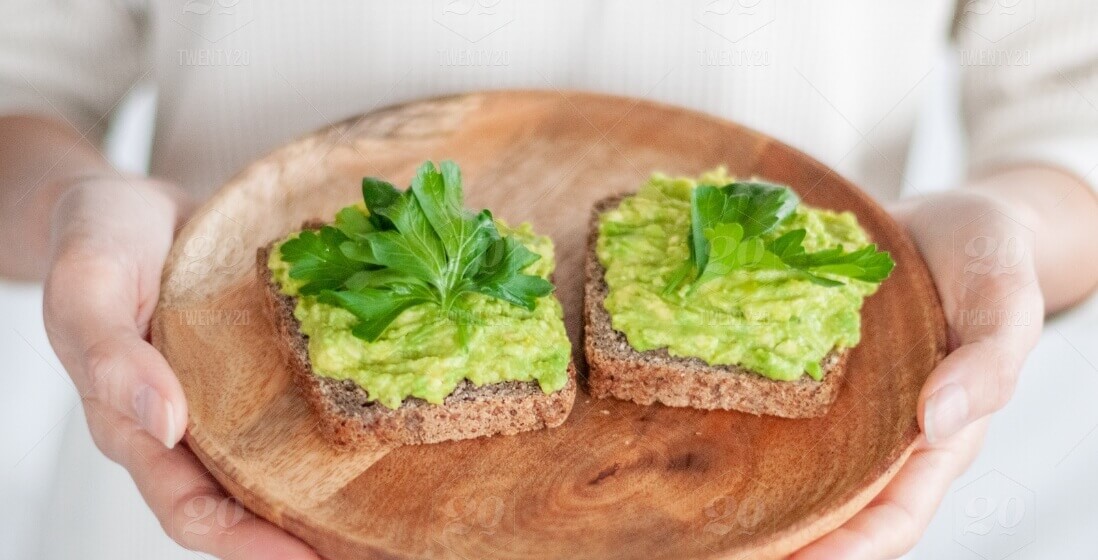
They add fiber to the diet and are delicious. Avocados can be spread on toast for breakfast, added to salads and sandwiches for lunch, and mashed into a dip for snacking.

02

Cook with legumes

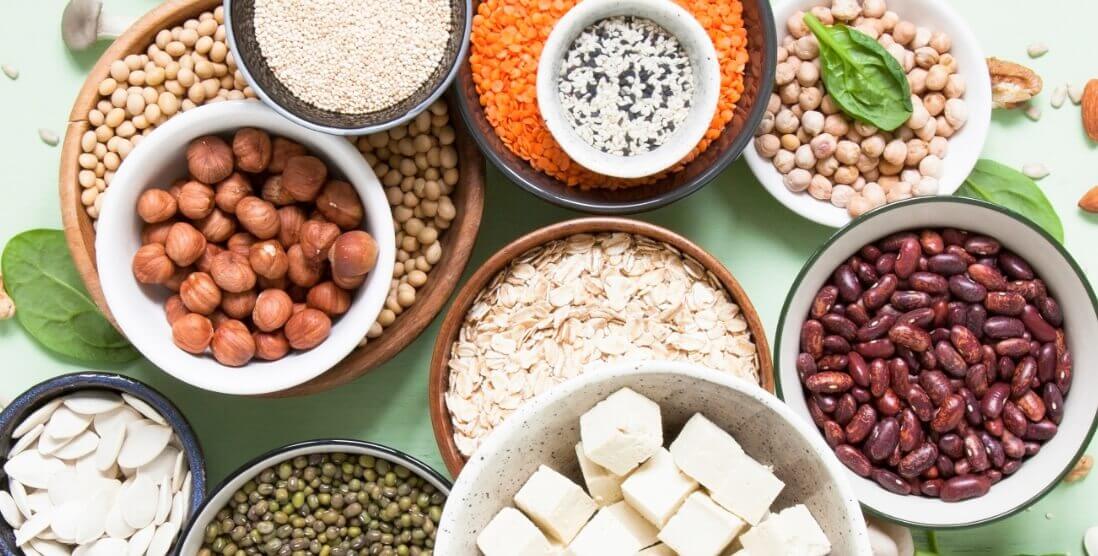
Legumes are another excellent choice for boosting dietary fiber intake. They’re also a good source of plant-based protein, vitamins, minerals, and antioxidants to support overall health. Legumes include beans, chickpeas, lentils, split peas, and soybeans.

Add legumes to your meal plan by keeping your pantry stocked with canned varieties. Add your favorites to soups, pasta sauces, taco fillings, and casseroles, or try blending a handful of canned beans into a smoothie.

03

Include fermented foods

Fermented foods, such as plain yogurt, kefir, sauerkraut, and kimchi, are natural sources of probiotics. Probiotics are live strains of beneficial bacteria.

Probiotic foods can support the number and types of bacteria in your gut microbiome. A balanced and diverse microbiome supports optimal digestive health, immune system function, and full body wellness. Aim for one serving of fermented foods per day to support gut health.

04

Stay hydrated

Good hydration supports better gut health. Water helps your gut digest food, absorb nutrients, and eliminate waste.

Drinking water with meals, carrying a water bottle throughout the day, and eating plenty of fruits and vegetables can help you get enough.


Gut health hacks to try this new year include increasing the intake of fiber and fermented foods. A well-balanced diet can support gut health and overall wellness all year long and for years to come.

Nutrition for Individuals with Cancer: A Comprehensive Resource Guide

Nutrition
for Individuals with Cancer

A Comprehensive Resource Guide

Undergoing cancer treatment upends every aspect of your life, not least of which is your diet. Eating right while living with cancer is vital to your recovery, but it is sometimes easier said than done. When your life is dedicated to treatment and checkups, it’s more important than ever to take in foods that will help replenish vital nutrients and help your body heal.

This article will guide people with cancer who want to maintain their healthy eating habits. We will provide actionable advice for your new diet and plenty of resources for further reading. Remember to discuss all dietary changes with your doctor and medical team before implementation.

How Cancer & Treatment Can Affect Appetite

Many different factors in your cancer treatment can affect your appetite. Your medications may cause nausea, which makes it challenging to eat. You may be prescribed a limited diet before and after a surgery, or the emotional toll of cancer could make it difficult to feel hungry. It’s essential to understand why your body is reacting the way it is before changing your eating habits to address this symptom.

Cancer and its treatments can disrupt your body’s ability to regulate appetite, leading to profound changes in hunger cues. Cancer can consume additional energy and alter appetite-regulating hormones, while treatments like chemotherapy and surgery can compound these issues. Nausea from chemotherapy, for instance, can make it difficult to keep down what you eat, and you may end up subconsciously ignoring hunger cues over time in anticipation of nausea.

Beyond the physical aspects, emotional responses like anxiety, depression, and stress to a cancer diagnosis can also impact your appetite, potentially causing overeating, undereating, or erratic meal patterns. To navigate these challenges effectively, it’s crucial to recognize how cancer affects your appetite and work closely with your healthcare team to develop a personalized nutrition plan. Open communication with medical professionals is vital to address any appetite-related issues during your cancer journey and support your recovery.

Cancer and its treatments bring about complex changes in taste and smell perception, creating significant challenges for your dietary experience. These alterations can manifest in various ways, causing once-beloved foods to taste different or even unpalatable.

Chemotherapy, in particular, is notable for its potential to disrupt taste and smell. It affects the cells lining the mouth and taste buds, leading to various taste disturbances, such as a metallic or bitter taste. This can result in aversions to previously enjoyed foods, affecting overall nutritional intake.

Furthermore, radiation therapy and certain medications or targeted therapies can influence taste and smell perception. Radiation therapy, especially when directed at the head and neck area, can cause dryness in the mouth and changes in taste perception. Some medications may affect your sense of smell, making it challenging to appreciate the flavors in foods fully. These treatment-related alterations further complicate dietary choices and can impact your ability to maintain a balanced diet.

Cancer treatment’s emotional and psychological aspects can significantly impact your appetite and eating habits. Your mental well-being and nutritional intake are interconnected during this challenging period, profoundly influencing your overall health.

A cancer diagnosis can trigger a whirlwind of emotions, including fear, anxiety, sadness, and anger. These feelings can directly affect your appetite. Some may resort to emotional eating, finding solace in food during stressful times, while others might experience a loss of interest in eating amidst emotional turmoil.

Stress and depression are also common feelings among those undergoing cancer treatment. These emotions can make it harder to recognize and act on hunger cues, causing disordered eating habits. Taking a holistic approach to your diet and nutrition while in treatment can allow you to process these emotions and help regulate your appetite healthily.

Nutritional & Dietary Side Effects of Cancer Treatments

Cancer and its various treatments can affect more than just whether you feel hungry; it can change how your body processes and digests food.

Here’s a guide to how cancer treatment can change your relationship with food and what to do about it.

tea cup

Nausea and vomiting are among the most prevalent side effects experienced by people undergoing cancer treatment. These symptoms can make it challenging to maintain a regular diet and meet your nutritional needs. However, there are effective coping strategies and specific foods that can help alleviate these distressing symptoms.

Ginger and peppermint are known for their anti-nausea properties and can be consumed as ginger tea, ginger candies, or peppermint tea. Additionally, starchy foods like crackers, rice, toast, and applesauce can help ease an upset stomach. If you have trouble keeping much food down, try to eat at least one nutrient-dense, easily digestible food each day, such as avocados.

Stay hydrated with clear liquids such as water, herbal teas, and broths throughout the day to manage nausea and vomiting effectively. Opting for smaller, more frequent meals rather than heavy ones can also reduce the likelihood of vomiting. Your healthcare team may prescribe anti-nausea medications, which, when taken as directed, can be highly effective in alleviating these symptoms during cancer treatment.

Most cancer treatments can damage the delicate tissues inside your mouth, developing painful sores and ulcers. These can make eating a regular diet difficult and increase the risk of infections. However, there are ways to manage this discomfort effectively.

One essential strategy is adopting a soft diet rich in foods that are easy to swallow and gentle on sensitive oral tissues. Consider incorporating mashed potatoes, yogurt, smoothies, scrambled eggs, and oatmeal into your meals. These options provide essential nutrients and reduce the risk of further irritation, ensuring that you receive the necessary nourishment even during this challenging phase.

Maintaining proper oral hygiene is also pivotal in addressing mouth sores and ulcers. Using a soft-bristle toothbrush and fluoride toothpaste, gently brush your teeth after each meal and before bedtime. Rinse your mouth with a saline solution or a prescribed mouthwash, following the guidance of your healthcare team.

Staying well-hydrated is paramount for your overall health and the well-being of your mouth. Regularly sipping on water throughout the day helps moisten your mouth, reducing the risk of dryness that can exacerbate mouth sores. These comprehensive strategies aim to enhance comfort, support healing, and maintain good oral health during cancer treatment.

Cancer can profoundly disrupt the way your body processes and absorbs nutrients. This can result in nausea, vomiting, diarrhea, and constipation, making it challenging to maintain a balanced diet and potentially causing weight loss and nutrient deficiencies.

Depending on your specific symptoms, your healthcare team may recommend dietary modifications. For instance, a low-fiber diet can help manage diarrhea, while increasing fiber intake can alleviate constipation. Hydration is essential; staying well-hydrated helps manage digestive issues and prevents dehydration from symptoms like diarrhea and vomiting.

If symptoms hinder your ability to eat, consult a registered dietitian for personalized dietary advice. Your healthcare team may sometimes recommend nutritional supplements like vitamins to address deficiencies or support digestive health.

Diarrhea is a common side effect of cancer treatment, often triggered by its impact on the gastrointestinal tract. One effective strategy for easing diarrhea is to reduce your fiber intake short-term. Consider a low-fiber diet to reduce the frequency and severity of diarrhea. This involves avoiding high-insoluble fiber foods like raw vegetables and bran, which can exacerbate digestive issues.

If you experience diarrhea, it’s crucial to up your water intake to make up for it. Diarrhea can leave you severely dehydrated, so stay ahead of the symptoms by drinking plenty of water and electrolyte drinks.

On the flip side, though, constipation is also common among people with cancer. Many medications list constipation as a side effect, and the decreased levels of physical activity also contribute to the problem. Eating fiber-rich foods like whole grains, fruits, vegetables, and legumes helps to alleviate it and encourage regular bowel movements.

Staying well-hydrated throughout the day with adequate water softens stools and facilitates bowel movements. Additionally, consider incorporating probiotic-rich foods like yogurt, kefir, and kimchi to regulate bowel movements by promoting beneficial gut bacteria. As approved by your healthcare team, light physical activity can also stimulate bowel function and alleviate constipation.

It follows that if your body is having trouble digesting and processing your nutrients, you may develop nutrient deficiencies. Combatting weight loss and malnutrition during cancer treatment necessitates a proactive approach that begins with recognizing the signs and implementing targeted strategies to prevent further decline.

The first step is to work with your healthcare team to determine which symptoms cause your weight loss: is it nausea, diarrhea, a digestive issue, or a mix of symptoms? Once you’ve identified these symptoms, your healthcare team can provide valuable guidance on dietary modifications tailored to your unique circumstances.

One way to be proactive about weight loss is to incorporate high-calorie foods into your diet purposefully. These calorie-dense options provide concentrated energy and essential nutrients, allowing you to make the most of your limited appetite. If you can only eat a few small snacks daily, ensure they’re full of protein, healthy fats, fiber, and vitamins. Some great high-calorie foods to keep during treatment include yogurt, oatmeal, nuts, and avocados.

Fluid retention and edema, the accumulation of excess fluid in the body, can be concerns during cancer treatment. Most cancer treatments heavily affect the lymphatic system, so your body cannot process fluid like it usually would.

Sodium, a component of table salt, can contribute to fluid retention when consumed in excess. Reducing sodium intake by limiting high-sodium processed foods and avoiding excessive salt use in cooking can help mitigate fluid retention. Additionally, your healthcare providers may recommend diuretics – medications that promote urine production – to alleviate edema and excess fluid buildup.

Tips for Healthy Nutrition

So, how do you synthesize all those symptom-specific diet tips into a diet plan that fits your lifestyle? Crafting a diet to help you feel better during cancer treatments is easier than it may seem. Here are some tips for creating a healthy diet that you want to eat.

Maintaining a balanced diet is of paramount importance for individuals undergoing cancer treatment. But a “balanced” diet is modeled after more than just the food pyramid you learned about in elementary school. As a matter of fact, the US. Department of Agriculture has shifted toward MyPlate, which places a greater emphasis on having fruits, veggies, and proteins with every meal.

When planning your meals, it’s most important to take into account your macro- and micronutrients.

Macronutrients, which include carbohydrates, proteins, and fats, form the foundation of your diet.

Carbohydrates are a primary energy source for combating fatigue often associated with cancer treatments. Incorporating complex carbohydrates like whole grains, vegetables, and fruits can provide sustained energy and help stabilize blood sugar levels.

Proteins are essential for tissue repair and immune function. Adequate protein intake aids in healing and helps maintain muscle mass, which is often at risk during cancer treatment. Lean protein sources like poultry, fish, beans, and tofu are excellent.

Fats are essential for absorbing fat-soluble vitamins (micronutrients) and provide a concentrated energy source. Opt for foods with healthy fats like avocados, nuts, seeds, and olive oil while minimizing saturated and trans fats.

Micronutrients, such as vitamins and minerals, are critical in various bodily functions. Vitamins like vitamins B, C, and D and minerals like calcium and iron are essential during cancer treatment. These nutrients support immune function, bone health, and overall well-being.

Creating a diverse and nutrient-rich diet is critical to obtaining the full spectrum of macronutrients and micronutrients. Moreover, consulting with a registered dietitian can provide personalized guidance to tailor your diet to your nutritional needs.

Portion control goes hand in hand with monitoring your macronutrients. By being informed about how much and when you eat, you can get ahead of some of your symptoms and maintain your energy throughout the day. Collaborating with a registered dietitian can guide you in determining portion sizes tailored to your unique needs.

Nausea and appetite changes can make consuming three large meals a day challenging. Opting for smaller, more frequent meals and snacks can help maintain essential nutrient intake without overwhelming your digestive system. You can eat five to six small meals daily rather than the traditional three.

Eating small, frequent meals ensures a continuous supply of nutrients and calories to support your energy needs. This approach helps prevent energy crashes resulting from consuming large meals, providing a more stable and sustained energy source throughout the day. If you’re experiencing fatigue as a side effect of treatment, this can make a significant difference in your daily life.

Eating smaller portions more frequently can help manage nausea by avoiding overloading the digestive system. Focusing on mild, bland, and easily digestible foods in snack-like quantities can be gentler on the stomach and may help alleviate queasiness.

Portion control also plays a pivotal role in weight management. It can be a valuable tool for preventing weight loss or promoting gradual weight gain after treatment. Proper portioning ensures a healthy balance of macronutrients and micronutrients, addressing your needs at each meal.

Monitoring fluid intake is crucial during cancer treatment, as most treatment methods can leave you feeling dehydrated or depleted. Proper hydration, though, is about more than just water.

Clear fluids like water, herbal teas, and broths can help maintain adequate hydration, but when you’re undergoing cancer treatments, you’re also losing a lot of micronutrients. Electrolyte-rich beverages, such as sports drinks, can be beneficial if you’re experiencing significant fluid loss. Maintaining proper electrolyte balance is crucial for various bodily functions, including nerve function, heart rhythm, and blood pressure regulation.

Finding ways to make hydration fun and flavorful can also encourage you to maintain optimal fluid intake. To add a natural flavor, consider infusing your water with slices of fresh fruits like lemon, lime, or berries. Herbal teas, both hot and iced, can offer a variety of flavors and are a refreshing alternative to plain water. You might also experiment with crafting your hydrating concoctions, like homemade fruit-infused sparkling water or flavored ice cubes.

Fiber plays an essential role in healthy digestion, but depending on your symptoms, you may need to increase your intake.

Fiber acts as a prebiotic, nourishing beneficial gut bacteria and contributing to a healthier gut microbiome. Soluble fiber, a key component of many gentle fiber sources, absorbs water, softening stools and aiding in their easy passage, which is essential for preventing or managing constipation. These gentle fiber sources can also help soothe and protect the gastrointestinal lining, potentially alleviating discomfort often associated with digestive symptoms.

Opt for sources of gentle fiber like oatmeal, brown rice, and fruits and vegetables. You’ll want to avoid prune juice and other intense sources of fiber, as these could further dysregulate your gastrointestinal system. However, avocados, whole grains, and applesauce can all be staples in your diet.

Nutrient-dense foods, often lauded as “superfoods,” provide essential vitamins, minerals, and other beneficial compounds without excessive calories. Incorporating these foods into your diet can help you maintain strength and vitality while managing the challenges of cancer treatment.

Fresh, frozen, or canned (without added sugars or salt) fruits and vegetables provide vitamins, minerals, antioxidants, and fiber. Aim to fill half your plate with these colorful options to boost your overall nutrient intake. Berries, leafy greens, sweet potatoes, and broccoli are excellent choices.

Whole grains such as brown rice, quinoa, whole wheat pasta, and oats are higher in fiber and nutrients than refined grains. They provide sustained energy and can help regulate digestion.

Include sources of healthy fats like avocados, nuts, seeds, and olive oil in your diet. These fats can support overall health. Foods with healthy fats are especially essential if you are striving to gain weight during treatment.

By eating foods packed with good nutrients, you can ensure that you’re getting the most out of your limited appetite.

Of course, if you have allergies, dietary restrictions, or gastrointestinal conditions like IBS or celiac disease, you must approach your nutrition with more care than most. Consider enlisting the help of an oncology dietitian or allergist to guide you through treatment, as your dietary needs require more planning.

Meal planning is crucial to accommodate dietary restrictions and ensure a well-rounded, safe diet. Home cooking offers greater control over ingredients, making avoiding allergens or sensitive foods easier. If home cooking presents a challenge for you, consider enlisting the help of friends and family or finding a meal delivery service to send pre-prepped ingredients directly to your home.

Communication with your healthcare team about allergies or sensitivities is vital to manage symptoms and potential medication interactions. Joining support groups or online communities with individuals sharing similar dietary restrictions can also provide valuable insights and emotional support.

Recipes
That Address Nutritional
Issues for
Cancer Patients

Trying to figure out what you can still eat now that you’re in treatment for cancer can be challenging. That’s why we’re here to help. We’ve curated this list of recipes to help with every aspect of your nutrition while seeking treatment.

avocado recipes

You don’t have to sacrifice flavor for function with these! These recipes all taste good without upsetting your stomach.

  • Avocado and Mango Smoothie: This tasty smoothie is a source of of vitamin C and healthy fats.
  • Blue Superhero Smoothie: If you love blueberries, this simple smoothie is for you.
  • Horchata-Style Banana Smoothie: Who doesn’t love horchata? This smoothie is a nutritious version of the delicious Mexican drink.
  • Papaya and Almond Smoothie: The American Cancer Society’s recipe for this sweet and nutty smoothie is easy to make and is great for summertime.
  • Spinach Bean Soup: This meatless soup recipe from the American Heart Association is quick to cook and makes for a great family dinner.
  • Avocado Taco Soup: This soup is high in protein and fiber and packs some heat. Perfect for chilly winter nights.
  • Mexicali Soup: Tomatoes and black beans take center stage in this delicious soup. Serve with chicken to make it an entree.
  • Mushroom Barley Soup: Barley is an excellent whole grain that provides fiber and vitamin B. This recipe is flavorful and comforting in equal measure.

When your appetite is low, and you need to pack as many nutrients as possible into your snack, choose one of these recipes.

  • Breakfast Quinoa Bowl: This breakfast bowl contains 440 calories and makes for a great day’s first meal.
  • Date Nut Granola Bars: These DIY granola bars from the American Heart Society feature popped sorghum for texture and toasted oats for flavor. Each bar packs approximately 173 calories.
  • Deviled Eggs with Avocado: The potluck staple, made nutritious. This recipe tops out at 130 calories per egg and offers 7 grams of protein per serving.
  • Egg Donuts with Avocado: These donuts are great to make with kids. They provide 80 calories per donut; you can season them to your tastes.
  • Nutty Whole Grain Banana Bread: The American Institute of Cancer Research published this warm, spiced recipe for banana bread. The nuts help provide protein and healthy fats, and each serving contains approximately 220 calories.
  • Lentil Bowl with Avocado Crema: At 420 calories per serving, this would make for an excellent and filling dinner.
  • Berry Avocado Baked Oat Bars: These fun oat bars are 150 calories per serving, but you know what they say – you can never have just one!
  • Mango Lassi Overnight Oats: This recipe is tangy, sweet, and hard to resist. One serving contains 420 calories that will taste great in every bite.

Sometimes, you just want comfort food. Here are our favorite recipes that’ll make you feel cozy in no time.

It seems counterintuitive, but sometimes, the cure to nausea is a good snack. Here are our recommendations.

  • Avocado Pickles: Sometimes, the best way to get rid of a nauseous spell is to eat some sodium. These avocado pickles provide a quick burst of nutrients in a small bite.
  • Golden Milk Popsicles: The turmeric and ginger in these popsicles can help settle your stomach, and the Greek yogurt adds some healthy fats to the recipe as well.
  • Slow Cooker Chicken Soup: This set-it-and-forget-it chicken soup recipe is full of electrolytes and healthy fats and will ease your stomach like canned chicken soup did when you were a kid.
  • Cantaloupe and Mint Granita: The mint in this recipe is great for helping ease your nausea. This frozen drink is sweet, smooth, and soothing.
  • Avocado Ginger & Honey Spread: The ginger in this recipe will help settle your stomach, while the honey will help stabilize your blood sugar.
  • Avocado Lemon Ginger Vichyssoise: If you’ve never had vichyssoise, a French style of soup that’s blended and served cold, this nausea-busting recipe is a great place to start.

Staying hydrated is fun when you make one of these drinks.

When it’s hard to chew and swallow without pain, you need soft food that tastes and feels good. Here are ulcer-friendly recipes we recommend.

  • Butternut Squash and Apple Soup: This recipe from Sloan Kettering is an easy way to get calories and nutrients, even if it’s difficult to chew and swallow that day.
  • Fruit Pops: These easy fruit pops are great for cooling down the pain you may experience from sores and ulcers.
  • Watermelon and Mint Gazpacho: This sweet gazpacho features tomatoes, mint, and cilantro alongside the watermelon, making this cold soup as flavorful as it is soothing.
  • Chilled Avocado Soup: Cold soups are excellent for times of pain. This one contains healthy fats to keep you fuller for longer.
  • Berry Avocado Immunity Bowl: Customize this smoothie bowl with fewer nuts and crunchy ingredients. The cool blended fruit will feel good on the inside of your mouth.
  • Creamy Sweet Potato Soup: Sweet potato provides vitamin A, which is needed for helping your body heal and recover.
  • Tortilla Espanola: This warm dish, made of onions and scalloped potatoes, is both soft and non-irritating.
  • Avocado Gazpacho: Another cold soup, this gazpacho is comforting and flavorful in equal measure.

Treatment can zap your energy entirely. These recipes have your back when your motivation is all but gone.

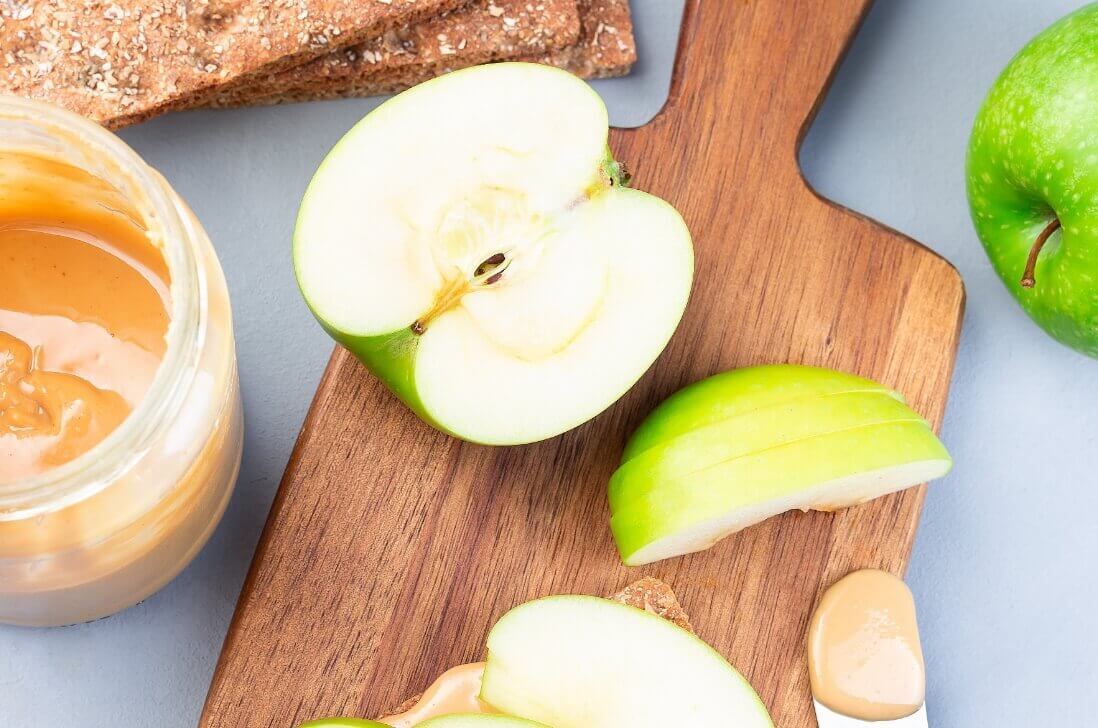
  • Avocado Apple Peanut Butter Wrap: This easy wrap makes for a quick breakfast or lunch.
  • Avocado Toast: This take on avocado toast features sweet potatoes and scrambled eggs, making it an excellent macronutrient source.
  • Tomato and Ricotta Toast: Sliced tomatoes and spiced ricotta make for a flavorful but simple snack.
  • Avocado Fruit Kebabs: Some days, you only have the energy to stab some fruit with a toothpick. This recipe is for those days.
  • Avocado Pesto Dip: This easy dip just requires that you mix all ingredients into a food processor. Use with your favorite vegetables or chips.
  • Avocado Banana Granola Clusters: These granola clusters pack a lot of punch. Make a few ahead of time and snack on them throughout the week.

Additional Nutrition Resources

eye glasses

Patient Resources from Cancer.gov: This link provides a comprehensive collection of resources and support for cancer patients, offering valuable insights and guidance on cancer-related topics.

MD Anderson Cancer Center’s Guide to Appetite Changes: This link addresses the emotional and physical effects of appetite changes in cancer patients, offering insights and strategies to help manage this common challenge during cancer diagnosis and treatment.

The CDC Guide to Cancer Diagnosis and Treatment: This link offers a wealth of resources and guidance for cancer survivors, addressing various aspects of survivorship and promoting overall well-being after cancer treatment.

USDA’s Guide to Diet, Food, and Cancer Prevention: This link focuses on diet, food, and cancer prevention, providing valuable insights and research-based guidance on how dietary choices can contribute to reducing the risk of cancer.

The ELLICSR Kitchen: The ELLICSR Kitchen is a program and resource designed to empower individuals affected by cancer with knowledge and skills related to nutrition and healthy eating, offering cooking demonstrations, workshops, and access to recipes that help cancer patients and survivors make informed dietary choices to support their well-being.

Stanford’s Guide to Coping with Cancer: This link from Stanford Medicine provides information and resources on coping with cancer, offering strategies and support to help individuals navigate the emotional and psychological aspects of their cancer journey.

UCSF Cancer Nutrition Counseling: This link from UCSF Health offers cancer nutrition counseling services, providing personalized guidance and support to help patients address their nutritional needs and challenges during cancer treatment.

Cancer.Org: The American Cancer Society’s website offers a wide range of resources for cancer patients, including information on cancer types, treatment options, support services, and valuable educational materials to aid individuals in their cancer journey.

CancerCare.Org: CancerCare’s website provides an array of resources for cancer patients, offering free professional counseling, support groups, educational publications, and financial assistance programs to help individuals cope with the challenges of cancer diagnosis and treatment.

SERO’s Guide to Oncology Dietitians: This guide dives into everything you need to know about oncology dietitians and their role in maintaining nutrition during treatment. Oncology dietitians can help craft personalized meal plans based on your specific needs.

CookForYourLife’s Top 5 Health Apps: This article lists five apps that could be helpful to cancer patients as they meal plan and track their health metrics.

Dana-Farber Cancer Institute’s Guide to Meal Planning: This program provides valuable meal planning resources to assist cancer patients in making informed dietary choices that can help optimize their nutrition during treatment and recovery.

USCF Osher Center’s Seven Day Meal Plan: UCSF Osher Center for Integrative Medicine offers a 7-day sample meal plan specifically tailored to cancer patients, providing practical dietary guidance and nutritious meal ideas to support their overall health and well-being during cancer treatment.

Easy Meals to Support Senior Wellness

By Sharon Lehman, RD

meal prep avocados

Change in appetite is one of the biggest roadblocks to eating well for older adults. It’s normal to experience changes in appetite as you age. Eating smaller, more frequent meals and snacks throughout the day can help older adults meet nutrient needs.

Choosing nutrient-dense meals and snacks also helps supply your body with what it needs to thrive. Nutrient-dense foods provide substantial amounts of vitamins, minerals, and other nutrients with relatively few calories.

serving of avocado

One-third of a medium avocado (50 grams) has 80 calories and contributes nearly 20 vitamins and minerals, making it a healthy, nutrient-dense food choice.

A 7-day meal plan for elderly nutrition
can help you make healthier food choices.

Here are some easy, nutrient-dense recipes to include in your meal plan.

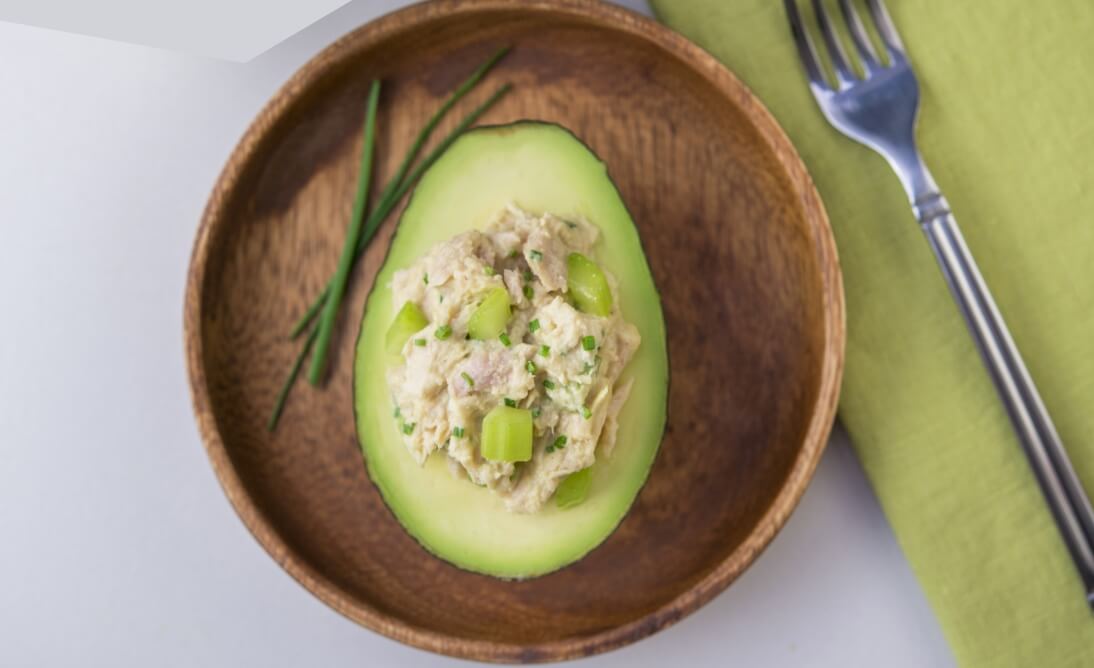
Tuna stuffed avocado

Tuna Stuffed
Avocados

Older adults (60+) should consume 2-3 1/2 cups of vegetables per day and 3 ½-5 ½ cups of “other vegetables”, like avocados, a week. One avocado counts as one cup. Stuffing an avocado with tuna salad is an easy way to increase vegetable and avocado intake.

To make it, cut an avocado in half and remove the pit. Mix a 5-ounce can of albacore tuna with one chopped celery stalk, 3 tablespoons of Greek yogurt, a squeeze of fresh lemon juice, and any fresh or dried herbs you like. Season to taste with salt and pepper. Spoon the tuna salad on top of each avocado half.

quinoa salad

Colorful
Quinoa Salad

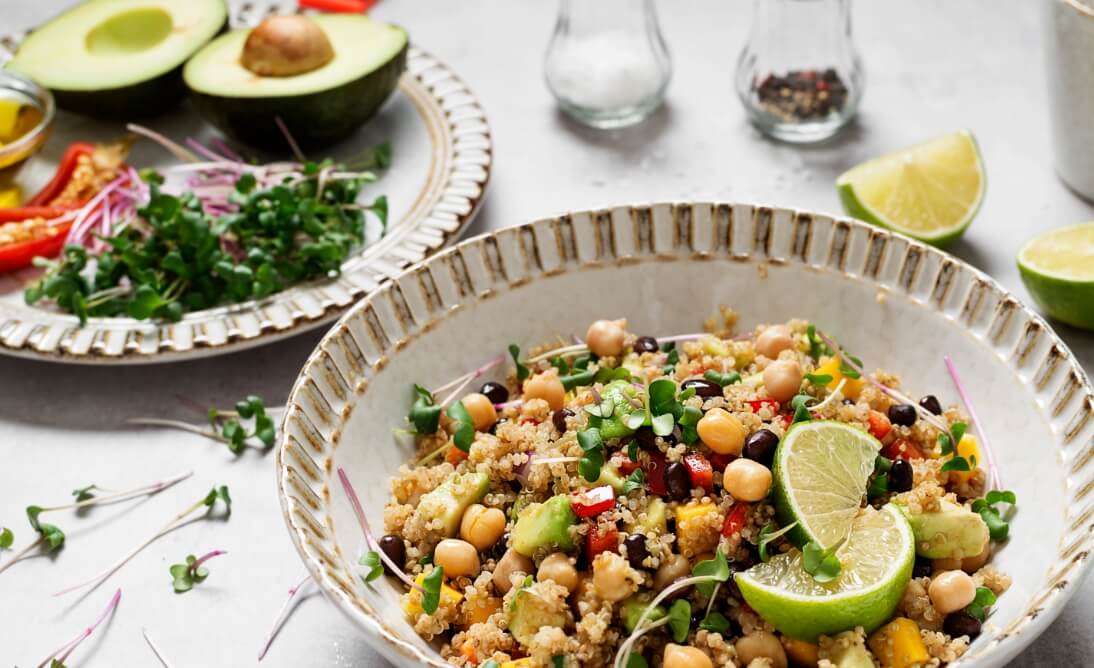
This eye-catching salad can be enjoyed on its own or paired with cooked protein, such as chicken, shrimp, fish, steak, or an over-easy egg. Start by cooking 1 cup of quinoa according to package directions or microwave frozen pre-cooked quinoa.

Let the quinoa cool slightly. Toss with ½ diced red onion, 1 seeded and chopped orange bell pepper, ½ cup halved cherry tomatoes, one 15-ounce can drained and rinsed black beans, and 1 diced avocado. Stir in a handful of fresh chopped cilantro, the juice of a lime, and 2 tablespoons olive oil. Season with ½ teaspoon ground cumin, plus salt and black pepper to taste. Serve warm or cold.

swiss avocado wedges

Turkey and Swiss
Avocado Wedges

Avocados are nature’s treat and an easy-to-grab snack. For a quick snack, peel and slice half of an avocado into wedges. Wrap a slice of turkey deli meat and a slice of Swiss cheese around each wedge. Serve with mustard or your favorite salad dressing for dipping.

sgreen elvis smoothie

Green Elvis
Smoothie

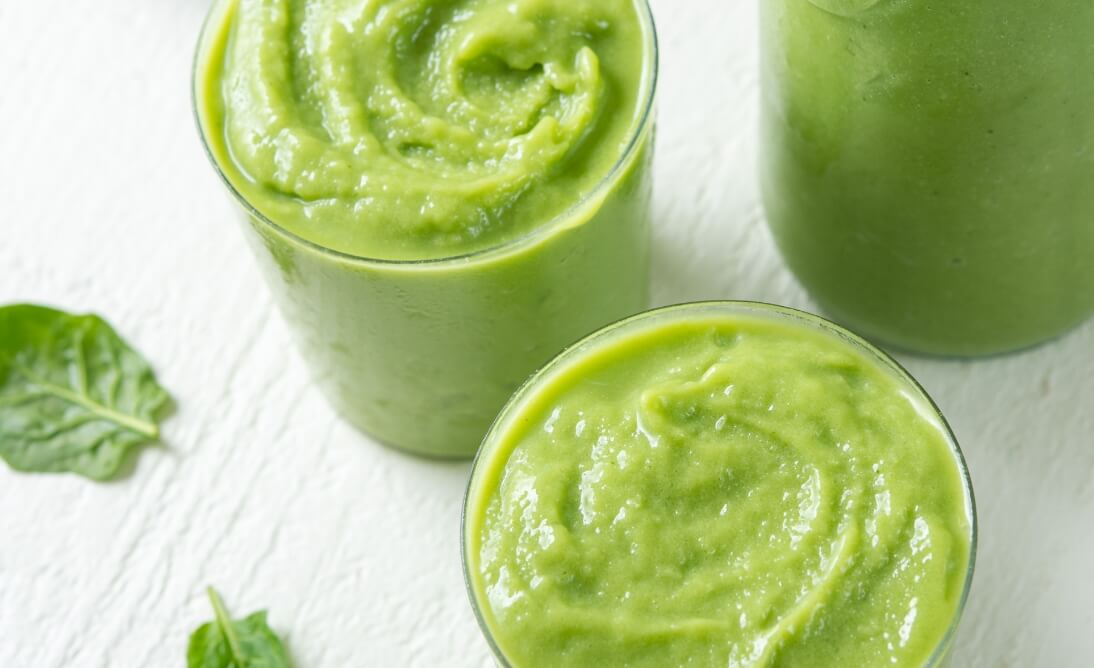
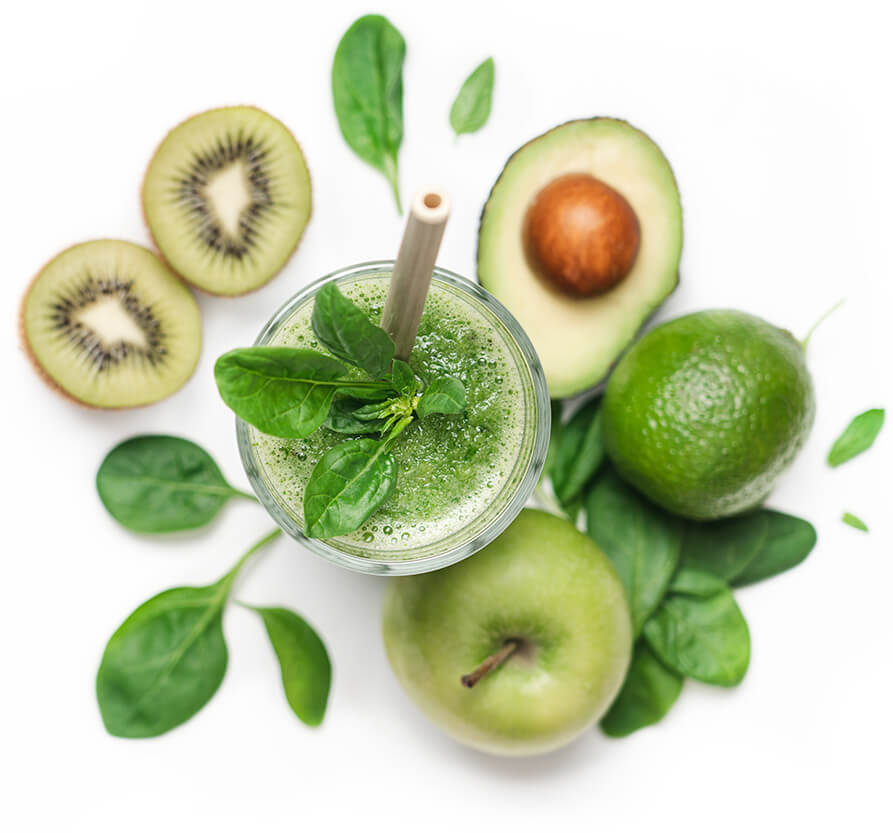
When you have leftover avocado, peel and cut the flesh, then freeze it to use later in a fruit smoothie. This recipe is a green version of a peanut butter banana smoothie. Blend 1 cup of your choice of milk with ⅓ of a frozen avocado, a medium banana, a handful of spinach, 2 tablespoons of peanut butter, 2 tablespoons of ground flax seeds, a sprinkle of cinnamon, and a handful of ice for a refreshing snack.


Eating a nutrient-dense diet helps support total body wellness throughout the lifespan. It’s never too early or too late to eat better. Recommendations to eat more fruits and vegetables (like avocados) are consistent across the lifespan, from childhood to older adulthood.

Easy School Lunch Ideas

As parents, we want to provide our children with snacks that will keep them energized, fueled, and focused throughout the school day.

However, with a busy schedule, coming up with creative and easy, but nutritious school lunch box ideas can be challenging. To help you, we have together a quick guide with budget-friendly tips and creative yet easy lunch ideas.

Grocery shopping tips for easy school lunches

1

Make a shopping list:

What meals are you planning to prepare? Brainstorm a few ideas, such as rice with chicken and an avocado salad or sancocho. Before heading to the store, make a list of the items you need. For the ideas above, you will need chicken, carrots, green beans, onions, cassava, corn on the cob, green and yellow plantains, etc. This will help you stay focused and avoid impulse purchases. Take advantage of coupons and store discounts.

2

Avoid pre-cut and pre-packaged items:

Convenience comes at a price. Whole fruits such as pineapple and papaya, vegetables, and meats are typically cheaper than their pre-cut and pre-packaged counterparts. Take the time to prepare and portion them at home.

3

Compare prices:

Be smart! Compare apples to apples. When shopping, make sure to compare unit price, price per pound, and price per pound when comparing products.

Creative lunchbox ideas

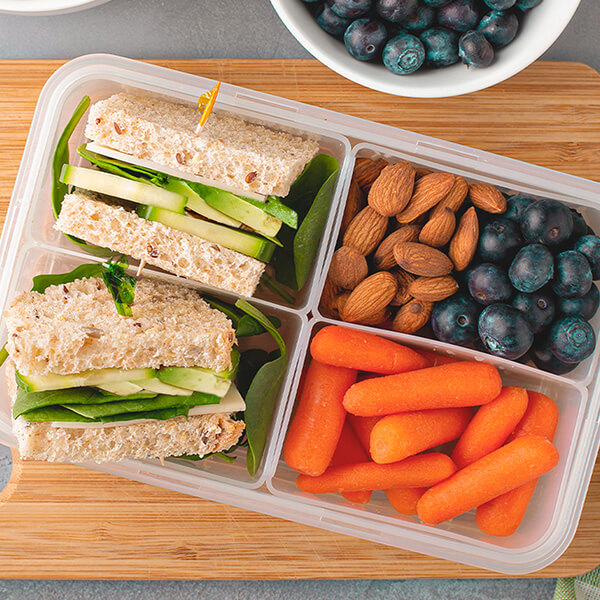
Fun shaped mini avocado sandwiches

Cookie-Cutter Sandwiches:

Use cookie cutters to create fun and bite-sized finger sandwiches. Your children will love eating unicorn-shaped, Mickey Mouse-shaped, or dinosaur-shaped sandwiches.

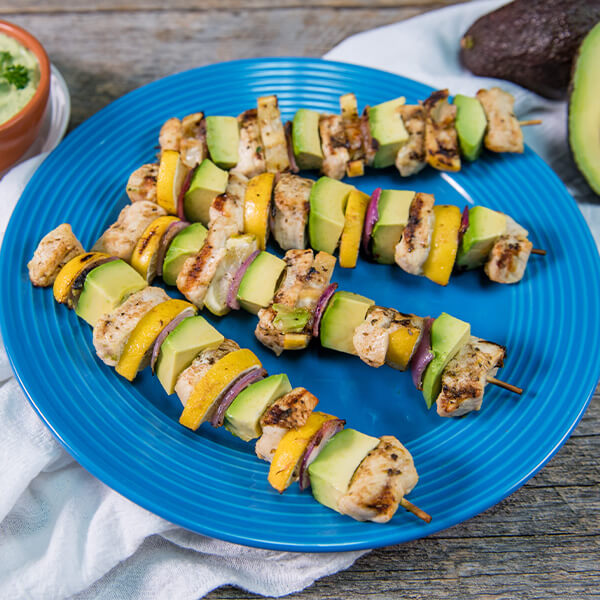
Middle Eastern Avocado Skewers with Avocado Tahini Dipping Sauce

Fun-to-make lunch:

Try this Middle Eastern Avocado Skewers with Avocado Tahini Dipping Sauce. On a skewer, add skinless chicken breasts with avocados, lemon slices, and onions. Add an avocado tahini sauce for fun dipping!

lunch box

Bento box style:

Bento boxes are a great way to make lunchtime more exciting. Make a chicken wrap and tie it with colorful wraps. Fill the other compartments with a variety of snacks like sliced fruits like mango, baby carrots, jicama, cheese cubes, and cherry tomatoes.

If you have a picky eater at home, you know how challenging it can be to find nutritious snacks that they will actually eat. Here are a few ideas:

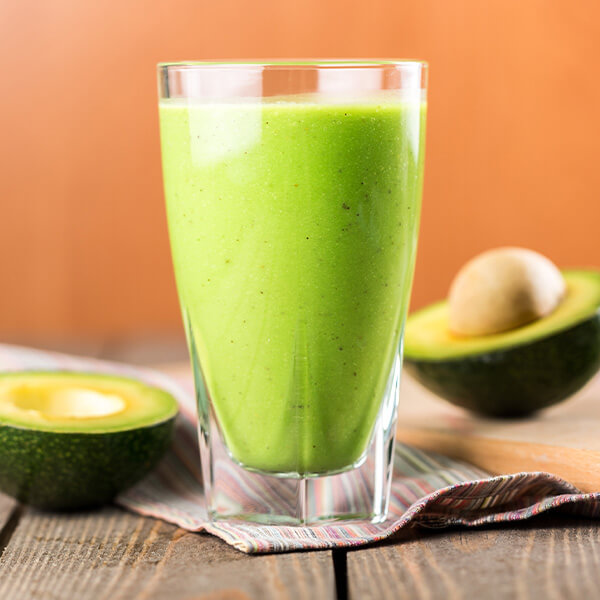
avocado smoothie

Cool smoothies:

Add fruits and vegetables by blending them into a delicious smoothie. Add a handful of spinach and a ripe banana to Greek yogurt for a protein-rich smoothie and mix in some avocado for added creaminess. Experiment with other fruits such as mamey.

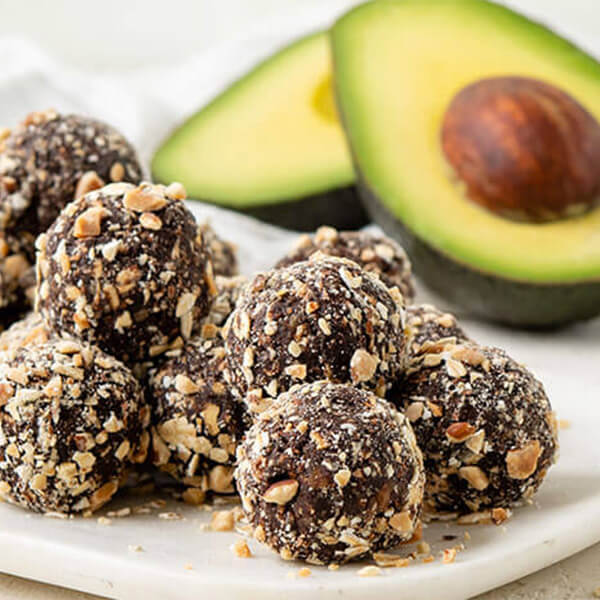
Chocolate almond avocado oat bites

Custom-Made Trail Mix:

Engage your child in the preparation of this trail mix. Start by offering various options and have your child choose their favorites. Tasty trail mix ideas include: dried fruits such as pineapples, mangoes, papaya, bananas, and cherries; nuts and seeds like walnuts, pecans, almonds, peanuts, pistachios, sunflower seeds, and hulled pumpkin seeds, and chocolate almond, avocado oat bites.

Chocolate almond avocado oat bites


Providing nutritious and exciting school lunches for your children doesn’t have to be a daunting task. By following budget-friendly grocery shopping tips and incorporating creative lunchbox ideas, you can ensure your kids stay energized and focused throughout the day.

Added Sugar vs Natural Sugars: What’s the Difference?

Added Sugar vs Natural Sugars:

What’s the Difference?

By Sharon Lehman, RD

Sugar consumption in America has been steadily rising for decades. Eating too much sugar can increase your risk of serious health problems. That’s why added sugars are included on Nutrition Facts labels and the USDA Dietary Guidelines suggest limiting it in your diet.

What about fruit? Is sugar from fruit bad for you and does it count toward your daily limit? In this article, we’ll dive deeper into the differences between added and natural sugars, how they impact you, and what foods can help you eat less sugar.

Differences Between
Added and Natural Sugars

Added sugars are sweeteners, including sugars and syrups, that are added to foods for flavor and texture. Added sugars increase the sugar and calorie content of foods. They’re found in candy, cookies, granola bars, cereal, flavored yogurt, soda, condiments, and many other packaged foods.

Natural sugars refer to those that naturally occur in single-ingredient foods, like fruit, vegetables, plain milk, and yogurt.

Here are the biggest differences
between added and natural sugars:

  • 1

    Nutrient density
    Natural sugars are packaged with more beneficial nutrients than foods with added sugars. For example, milk contains calcium and fruit has vitamins, minerals, and fiber.

  • 2

    Rate of digestion
    Foods with natural sugars tend to be digested more slowly due to the presence of fiber, protein, and/or fat. Most foods with added sugars are low in these nutrients. The more slowly food is digested, the longer it takes for sugar to be absorbed.

  • 3

    Effect on blood sugar
    All foods that contain sugar will raise blood sugar to some degree. This is known as the glycemic response. However, natural sugars don’t spike blood sugar the same way added sugars do, due to being digested more slowly.

Is Sugar from Fruit Bad?

If you’re cutting back on sugar, you may be wondering if you can still eat fruit because of its sugar content. Fruit contains natural sugar, as well as fiber, micronutrients, and antioxidants that support good health.

Fruit can help you reduce added sugar intake. The sugar content in fruit is typically much lower than many foods with added sugars, but the natural sweetness can still help satisfy a sweet tooth.

The fiber in fruit helps you feel full, supports digestive health, and prevents blood sugar spikes. Choose whole fruit, such as fresh, frozen, canned, or dried fruit, or 100% fruit juice. Whole fruits contain fiber and juices don’t.

PRO TIP: always check the facts label when considering fruit drinks to avoid added sugar.

avocado zero sugars

Avocados are a great fresh fruit option to help boost fiber intake.

Diets rich in healthy foods containing fiber, such as some vegetables and fruits, may reduce the risk of heart disease, obesity, and type 2 diabetes.

Fruit contains natural sugars, which can be used
in place of added sugar to sweeten recipes.

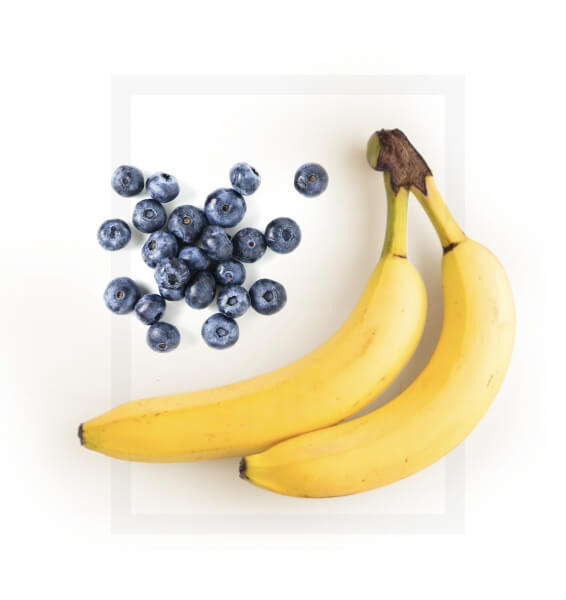
banana and berries

To add natural sweetness and delicious flavor to smoothies, try adding 1 cup of fresh or frozen berries or a medium banana.

PRO TIP: peeled and frozen bananas add a milkshake-like texture to smoothies.

Mashed bananas, canned fruit in juice, no sugar added applesauce, or dried fruit can also replace some or all of the sugar in many baked goods, including quick breads, muffins, cookies, and cakes.

For the best results and flavor for baking with fruit, try these tips:

  • You can typically replace ½ cup to 1 cup of granulated sugar in a recipe with an equal amount of fruit.
  • Puree or mash canned or very ripe fresh fruit before adding to recipes.
  • If using bananas, choose very ripe ones with brown spots on the skins and mash them before adding to a batter.
  • Soak figs, dates, or prunes in hot water for 5 to 10 minutes, then puree in a blender before adding to a batter.

Some fruits contain more natural sugar than others. If you need to limit sugar intake for blood sugar control, reach for avocados.

Unlike most other fruits, avocado contains zero grams of naturally occurring sugar per serving and does not affect the glycemic response.


The bottom line? Whole fruit is a nutritious part of a balanced diet. Reach for fruit to help satisfy sweet cravings.

Summer Snacks and Food Ideas for Kids

By Sharon Lehman, RD

If you’re planning activities and trips to keep your kids busy this summer break, don’t forget to consider what they’re going to eat.

As parents, we have a responsibility to teach our kids about healthy eating, and they often learn when we lead by example. Planning ahead for nutritious meals and summer snacks helps make healthy options accessible to the whole family.

Here are a few summer snacks and food ideas to keep your hungry kiddos happy and energized. Bonus: these recipe ideas are easy enough for kids to help with, so they double as a hands-on activity. Win, win!

Avocado Popsicles

We can’t think of summer snacks kids love more than frozen treats. Store-bought ice cream and popsicles can be high in added sugar and contain controversial ingredients, like artificial coloring and flavorings, that you may want to avoid feeding your kids. Luckily, it’s easy and fun to make your own popsicles.

Blend avocado flesh with milk or yogurt, cocoa powder, and vanilla extract, and sweeten to taste with maple syrup or honey. Transfer to a popsicle mold and freeze. If your kids enjoy smoothies, you can skip the popsicle mold and serve them with a straw for a breakfast smoothie or snack.

Rainbow Grilled Cheese

Grilled cheese is a kid favorite, but you can increase nutrition by adding colorful fruit and veggies. Fruits and vegetables are full of vitamins and minerals that help you feel energized. For example, avocados are a nutrient-dense fruit.

Butter the outside of whole grain bread and then layer sliced cheese, avocado, tomato, and any other veggies your kids like. Sliced cucumber or shredded carrots are good options for crunch. Pan-fry the sandwich until the bread is toasted and the cheese is melted.

Creamy Green Pasta Sauce

You can make a simple, no-cook pasta sauce the whole family can enjoy from just a few fresh ingredients, including avocado. The natural green color of avocados makes it easy to sneak in extra greens, like spinach or basil, for pickier eaters.

Cook a big pot of your kids’ favorite pasta and save some of the pasta water to add to your green sauce. Blend avocado flesh with a few handfuls of whatever greens you have on hand (think: spinach, kale, arugula, or herbs), lemon or lime juice, olive oil, parmesan, garlic, salt, and the reserved pasta water, then toss with the pasta.


Recommendations to eat more fruits and vegetables (like avocados) are consistent across the lifespan, from childhood to older adulthood. Getting kids involved in the kitchen is a great way to teach them about healthy food choices and to inspire them to try a new ingredient or recipe.

Health and Nutrition Tips to Support Immunity

Patricia Bannan, MS, RDN: Heart Health and Healthy Living Expert

An ongoing focus on family health can help support immune systems to keep everyone healthy. Use these tips as a guide to focus on the right tactics.

Cold and flu season can be a difficult time to think about nutrition, especially during busy schedules. Luckily, there are so many opportunities to be proactive to keep your children and family healthy that don’t have to add stress to your plate.

I’m delighted to partner with Avocados – Love One Today® to provide key health tips, including my top foods and nutrients, as well as lifestyle strategies to keep you and your family healthy during the winter months. Discover what the avocado nutrition facts are below.

What is Immunity
and How Does it Work?

The immune system is the body’s way of protecting itself from infection and disease, including viruses. It is complex and influenced by many factors.

While immunity is often a focus during the winter months, immune health isn’t seasonal. Healthy routines over time are what strengthen the immune system as well as overall health. This includes healthy eating patterns, moving often, and getting enough sleep.

Top Nutrients
to Help Support Immunity

Some key nutrients that help with immunity are vitamins A, C, D, and E, protein, iron, copper, magnesium, and zinc. Many of these nutrients (vitamins A, C, and E) act as antioxidants, which can help fight off infection.

Plus, vitamins A, D, and E are all fat-soluble vitamins, so eating good fats (like those found in fresh avocados) is important to maximize nutrient absorption.

Nutrition Benefits of Fresh Avocados
and How They Help Support Immunity

Fresh avocados have nutrients that can help support immune health so the body can stay strong against viruses and bacteria.

One serving, 1/3 of a medium avocado, provides:

10%

of your daily
value of copper

6%

of your daily value of
vitamin E and vitamin B6

4%

of your daily value of both
vitamin C and magnesium

a serving of avocado

Fiber and
Immune Health

A 2014 systematic review, that included five randomized controlled trials with 140 to 830 infants and toddlers in each study, reported a significant decrease in the number of infections requiring antibiotic therapy in children consuming prebiotic fibers. The systematic review relies on published work of others, presenting unique limitations and risk of bias, and the findings cannot be generalized to all populations.

Prebiotic fiber is a type of “fermentable fiber,” which means that the bacteria in our large intestine feed on it and this results in changes in gut microbe populations.

A majority of fermentable fibers are soluble fiber. Avocados contain 3 grams of fiber per serving, or 1/3 of a medium avocado, and 30% of this fiber is soluble.Researchers have been exploring the connection between eating avocados and gut health.

5 Nutrition and Lifestyle Strategies
for You and Your Family

Integrate avocado nutrition facts with these key health tips in your routine to optimize your health.

1 Create healthy routines over time to strengthen your immune system.

This includes:

  • Prioritizing sleep
  • Staying physically active
  • Focusing on good nutrition
  • Washing your hands year-round

2Incorporate nutrient-dense foods. Recent studies have shown us that nutrient-dense foods like fresh avocados, paired with nutrition education, can be a pathway to better eating patterns. Nutrient-dense foods provide substantial amounts of vitamins, minerals, and other nutrients with relatively few calories.

For example, one-third of a medium avocado (50 grams) has 80 calories and contributes nearly 20 vitamins and minerals, making it a healthy, nutrient-dense food choice.

3Know when to say “no” or when to delegate when you’re stretched too thin. While it might seem uncomfortable to say or do at first, the reality is saying “no” is a powerful form of self-care which can help support your health.

Plus, it allows you to show up for the things you do say “yes” to with more energy, focus, and presence, such as taking care of yourself and your family during a busy time of the year. Because after all, one person sick in the household can quickly turn into everyone being sick.

4Have certain zero-to-little-effort, nutritious meals and snacks on repeat. These quick & easy nutrient-dense meals and snacks are recipes you can be sure the whole family will enjoy:

5Find a balance that works for you. Opportunities to indulge are everywhere, find a balance with enjoying some of your favorites while still encouraging healthy eating practices.

Final Takeaways for
Immune Health

It’s important to start healthy eating patterns early in life to build a strong immune system. Try stocking up on nutrient-dense foods and promoting interest and exploration of healthy foods to get the whole family on board with healthy routines. You’ll discover the benefits and facts of avocado nutrition.

Love One Today is a fantastic resource for even more information on the health benefits of fresh avocados.

Light and Fun Spring Picnic Eats

- Light and Fun -

Spring Picnic Ideas

Sharon Lehman, RD

As spring approaches, many people start packing portable meals and dining outdoors. Whether you’re packing a picnic-style weekday lunch for one or a family-sized spread for a park outing, picnic food can be both fun and nutritious.

Here are some light and fun picnic food ideas
to help you plan your next outdoor meal.

Rainbow Fruit Kebabs

Fruits and vegetables are a naturally light and delightful picnic food. They contain antioxidants, which help support cellular health, and there is good evidence that a healthy diet includes eating plenty of fruits and vegetables. Avocados are a fresh fruit choice.

Fruit kebabs are an easy, handheld way to enjoy a variety of fruits during a picnic. Choose several different colored fruits, such as avocado, kiwi, pineapple, and strawberries, blackberries, or grapes. Prep the ingredients by peeling and cutting larger fruits into bite-sized pieces. Arrange the fruit on wooden skewers by color or alternate ingredients to make a pattern.

picnic recipe badge

Avocado Deviled Eggs

Deviled eggs are a warm weather staple. They’re traditionally made with mayonnaise, but avocado can be used instead for a source of good fat, fiber, vitamins, and minerals.

Eggs contain vitamin D. The unsaturated fat in avocados can act as an immune system nutrient booster by helping increase the absorption of fat-soluble vitamins A, D, K and E. Avocados naturally contain 6 grams of this good fat per serving, making them a unique fruit.

To make them, hard-boil as many eggs as you’d like, then peel the eggs, slice in half, and remove the yolks. Plan on using one avocado for every three to four eggs. Make the deviled filling by mashing the egg yolks with fresh avocado and a splash of white vinegar, lemon juice, or lime juice. Season with your favorite herbs and spices, such as minced chives, cilantro, dill, or garlic powder, and spoon it back into the hollowed egg whites.

picnic recipe badge

Chicken and Avocado Tortilla Roll-Ups

This picnic food idea is a twist on chicken salad that replaces mayonnaise with avocado. MyPlate recommends making food choices that are lower in saturated fat, sodium, and added sugars. Avocados are naturally low in saturated fat and do not contain any sodium or added sugars. You can substitute avocado for mayonnaise in creamy salad recipes, including chicken, tuna, and pasta salads.

To make roll-ups, mash avocado and then stir in shredded or chopped cooked white meat chicken. This is a great use for leftover grilled or roasted chicken or you can use a store-bought rotisserie chicken.

Season the chicken and avocado mixture with salt and pepper and/or add fresh herbs. You can even stir in finely chopped vegetables for added texture. Cucumber, bell pepper, celery, and red onion are good choices. To assemble, spread your creation on whole-grain tortillas, roll tightly, and slice into pinwheels.

picnic recipe badge

Picnic food can be portable, fun to eat, and nutritious. Use these light and fun picnic food ideas to fill your basket this spring.

Year-Round Lessons We Can Take From National Nutrition Month

Year-Round Lessons We Can Take From

National Nutrition Month

Lauren Panoff, MPH, RD

Even though National Nutrition Month is recognized every March, making good nutrition a foundational part of your life is a worthwhile habit all year.

Lifestyle habits can
be hard to change.

If you’re looking to improve your nutrition, here are a few small steps to help make it easier.

01

Eat Your Fruits
and Veggies

tip one: eat your fruits and veggies

You’ve probably been told to eat more fruits and vegetables since you were a kid, and this advice is still relevant today. Fruit and vegetable intake is among the most important things you can do for your health. The USDA MyPlate recommends at least 2 cups of fruit and 2 ½ cups of vegetables daily.

Try to include a fruit and vegetable at every meal and snack. For example, enjoy an afternoon sliced apple with peanut butter or a small mixed green salad with your dinner. Add sliced tomatoes and onions to your sandwiches, toss banana slices on your oatmeal, or pack the greens and berries into your smoothies.

Although there is no specific fruit or vegetable responsible for reducing cancer risk, in one large and long-term study, people who regularly consume five servings of fruits and vegetables have one-third of the risk of developing cancer as those who eat only one or two servings of fruits and vegetables per day. Avocados are a healthy, nutrient-dense fruit.

02

Vary Your
Protein Sources

tip two: vary your protein sources

Protein is found in nearly every food, but some contain more per serving than others. For the most nutritional bang for your buck, get your protein from a variety of foods that also offer vitamins and minerals.

While animal-derived products like meat, fish, and eggs are well-known sources of protein, so are plant foods like nuts, seeds, and legumes. Beans and lentils can be substituted for ground beef in tacos and stews, while crumbled tofu works well as an alternative to eggs in a breakfast scramble.

Protein needs are approximately 0.8-1 gram per kilogram of body weight for the average person. This means a 130-pound adult woman requires 47-60 grams per day. For reference, a ½-cup of cooked chickpeas contains 7 grams of protein.

03

Choose
Fats Wisely

tip three: choose fats wisely

Fat is an essential nutrient, but the most health benefits come from choosing primarily unsaturated fats from plant foods. Examples include nuts, seeds, olives, and avocados.

Want to reduce your intake of calories, saturated fat, cholesterol, and sodium? Try substituting fresh, healthy avocado in sandwiches, on toast, or as a spread in place of many other popular foods.

04

Stay Hydrated

tip four: stay hydrated

Your body is mostly water, but you’re regularly losing fluids that need replenishment. To prevent dehydration, keep a full water bottle with you to sip throughout the day. General daily hydration goals are 15.5 cups for men and 11.5 cups for women.

Regular tap water is best for hydration, but you can naturally flavor it with herbs or berries or try plain seltzer water for some variety. Avocados are made up of mostly water and fiber and are considered to be low-energy, dense fruits.

05

Fuel Your
Body Regularly

tip 5: fuel your body regularly

It’s tough to get through the day without enough fuel. Feeding your body and brain every few hours can help stabilize your blood sugar levels and keep you focused and energized.

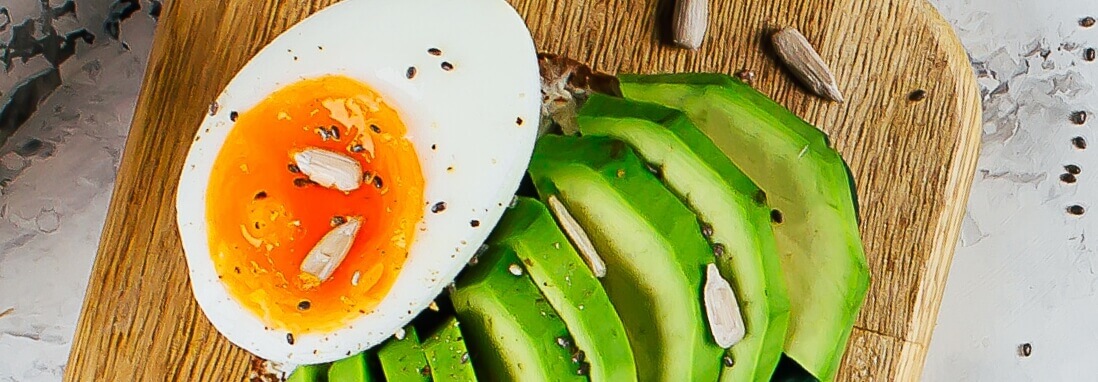
Start your day with a balanced breakfast like avocado toast and a hard-boiled egg, and then eat every few hours with small meals and snacks that you enjoy.

Remember, small habits add up to big changes over time. Practicing these tips consistently can help you maintain good nutrition as a top priority.