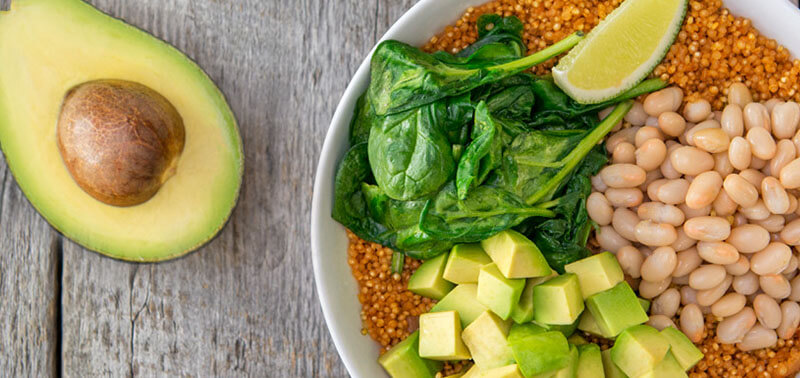
Is Avocado Good for Weight Loss?

Yes, avocados can support weight loss when eaten with a balanced diet. They contain fiber and heart-healthy monounsaturated fats that promote satiety, helping you stay full longer and reducing the likelihood of overeating. A standard serving of avocado (about ⅓ of a medium avocado or 50 g) provides 80 calories, 3 g of fiber, and 6 g of healthy fats, making it a food that can benefit any diet. Results from the National Health and Nutrition Examination Survey, which took place over seven years, found a correlation between those who ate avocados and those who reported low BMIs.

Why avocados can help with weight loss:

  • Promote fullness:The combination of fiber and healthy fats slows digestion, helping you feel satisfied after meals.
  • Support balanced nutrition:A 50 g serving of avocado provides 3 g of fiber and 250 mg of potassium. It also provides 4% daily value (DV) of magnesium, 4% DV of vitamin C, and 6% DV of vitamin E.
  • Helps maintain blood sugar targets:Fiber doesn’t break down like other carbohydrates, which may reduce blood sugar spikes energy crashes, and cravings.
  • Replace less healthy fats:Using avocado instead of saturated fats can help improve diet quality.

You can eat avocados as part of a balanced diet with lean protein, vegetables, and whole grains.

Thanks to their versatility, delicious flavor, and impressive nutritional profile, avocados have earned their place as a staple in healthy eating plans. But when it comes to weight loss, many people wonder if this fruit is a friend or foe. Most Americans already know avocados contain healthy fats but may not know the role healthy fats —and other nutrients in avocados, play in a weight-loss diet.

In this article, we’ll explore how avocados fit into a weight-loss plan, bust common myths, and provide tips for incorporating this healthy and delicious fruit into your everyday meals.
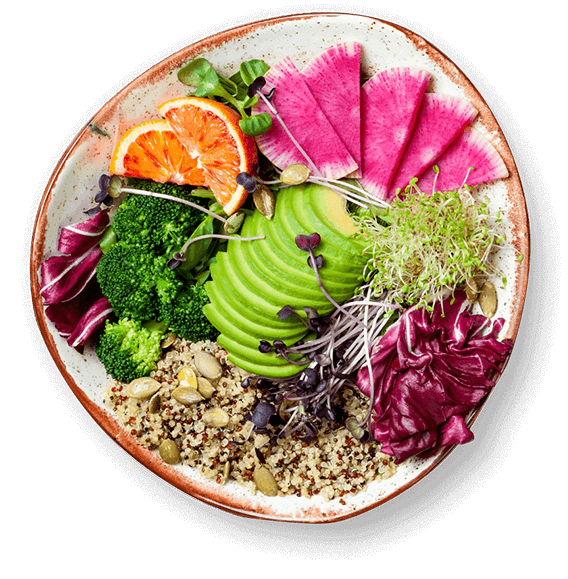
Avocados are loaded with nutrients

The Nutritional Makeup of Avocados

avocado with nutrient icon

Avocados are a valuable addition to a weight-management diet. They are mainly known for their healthy monounsaturated fats, which help provide sustained energy and support heart health. Monounsaturated fats can help reduce bad cholesterol (LDL) levels while maintaining good cholesterol (HDL) levels. Additionally, these healthy fats can help you feel fuller for longer, reducing the likelihood of overeating and supporting weight loss efforts.

Another standout nutrition attribute of avocados is their fiber content. With 3 g of fiber per 50 g serving, avocados can promote feelings of fullness, which can help curb overeating. Fiber is also essential for gut health, as it aids digestion and reduces constipation, which is integral to an effective weight-loss plan. Our bodies do not break down most fibers. This means that foods with fiber in it are less likely to increase your blood sugar levels than food with simple carbohydrates and little fiber.

Avocados are also low in carbohydrates, unlike most fruits. With just 4 g of carbohydrates per 50 g serving, they’re an excellent option for those following low-carb or keto diets. With this unique combination of healthy fats, fiber, and low carb content, avocados offer a well-rounded nutritional profile that aligns with weight-loss goals.

How Avocados Help with Weight Loss

Beyond helping curb hunger, avocados contain essential nutrients that can promote balanced health. For instance, avocados contain 250 g of potassium per serving, which helps regulate fluid balance by working with sodium to regulate water distribution in and out of cells, and muscle function by helping transmit nerve signals that trigger muscle movement, including heart muscle activity, which can be particularly beneficial during increased physical activity.

Avocados also contribute:

Researchers have also found a potential correlation between avocados and body weight. According to an analysis of the National Health and Nutrition Examination Survey, avocado consumers weighed 7.5 pounds less, had a mean body mass index (BMI) of 1 unit less, and 1.2 inches smaller waist circumference on average compared to non-consumers. The same consumers were also 33% less likely to be overweight or obese and 32% less likely to have an elevated waist circumference compared to non-consumers. Overall, this survey suggests that avocados can play a role in assisting Americans to meet their daily fruit and vegetable recommendations, which can have implications for their overall health.

Avocados can be included in most meal plans, from high-protein and fat to low-carb diets and everything in between. No matter your nutritional needs, there’s a way to prepare avocados that will fit perfectly into your diet plan.


It’s time to debunk the myth: avocados are not inherently fattening.

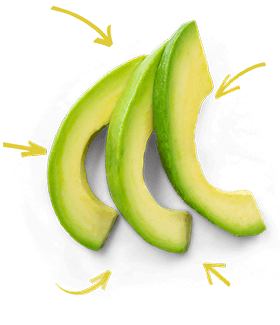
avocado slices

Is Avocado Fattening?

Even though you may do a double-take at the 8 g of fat per 50 g serving, the fats in avocados are primarily heart-healthy monounsaturated fats, with 5 g per serving. The misconception arises from mistaking healthy fats with the harmful saturated fats found in processed foods.

When it comes to weight loss and avocados, —like with all foods, portion control is key; eating too much can exceed your daily caloric needs. A serving of avocado is about one-third of a medium avocado, and provides 80 calories.

Incorporating this amount into meals or snacks is a great way to keep track of your overall calorie intake and enjoy the many health benefits without overdoing it.

Avocados and Different Diet Plans

Avocados are a versatile ingredient that can complement a variety of diet plans. Whether you’re following a low-carb regimen or a plant-based lifestyle, avocados can provide essential nutrients and make your meals more satisfying and flavorful.

Keto Diet

If you’re following a ketogenic diet, avocados are a must-have. Their 5 g of monounsaturated fat, plus 1 g of polyunsaturated fat content perfectly fits the keto focus on low-carb, high-fat foods. With a total of 6 g of healthy fats, and just 4 g of carbs per serving, avocados make an excellent base for keto-friendly dishes like guacamole or nutritious smoothies.

Plus, they contain 250 mg of potassium per serving, which can help you combat keto flu symptoms like fatigue and muscle cramps.

Low-Calorie Diets

If you’re on a low-calorie diet, avocados can still fit into your plan. Though they are not a low-calorie food, the fiber and healthy fats in avocados can help you feel fuller. A single serving — about one-third of a medium avocado — provides 80 calories alongside 6 g of healthy fats, 3 g of fiber, 15 mg of magnesium, 4 mg of Vitamin C, and 10% of your daily folate.

Adding avocado to your salad, soup, or toast can help you stay full and energized without exceeding your calorie goals.

Plant-Based or Vegan Diets

When you’re on a plant-based or vegan diet, it’s essential to prioritize eating foods with high nutritional value to compensate for any lack of nutrients from animal fats. Luckily, avocados are a creamy, versatile alternative to animal-based fats, ideal for anyone following a plant-based diet.

You can also eat them in any meal, so you won’t have to skip out on essential nutrients when eating avocados in a plant-based or vegan diet.


Incorporating Avocados into Your Weight Loss Plan

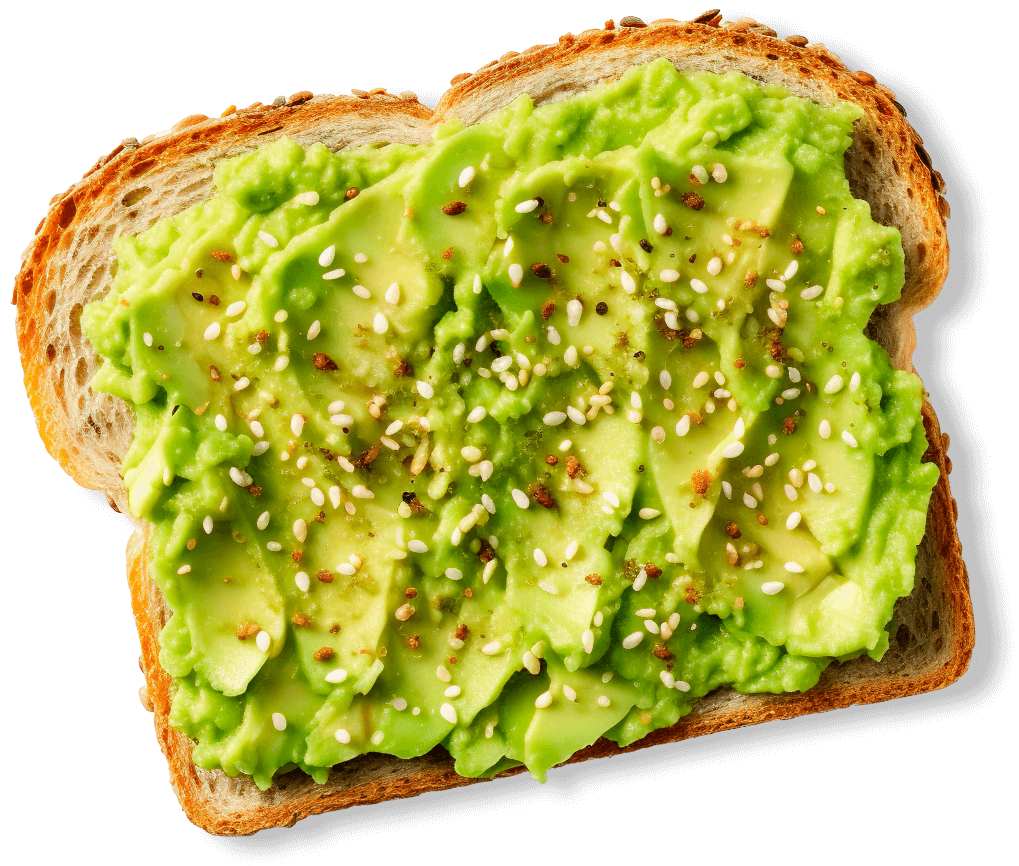
Incorporating avocados into your daily meals is easy. Start your morning with a slice of whole-grain toast topped with mashed avocado, cottage cheese, and a sprinkle of chili flakes for a nutritious breakfast. Add avocado slices to your salad or sandwich at lunch to boost satiety. For dinner, try blending avocado into soups or using it as a topping for lean protein dishes like grilled chicken or salmon.

To keep your meals balanced, pair avocados with foods high in protein and fiber. For example:

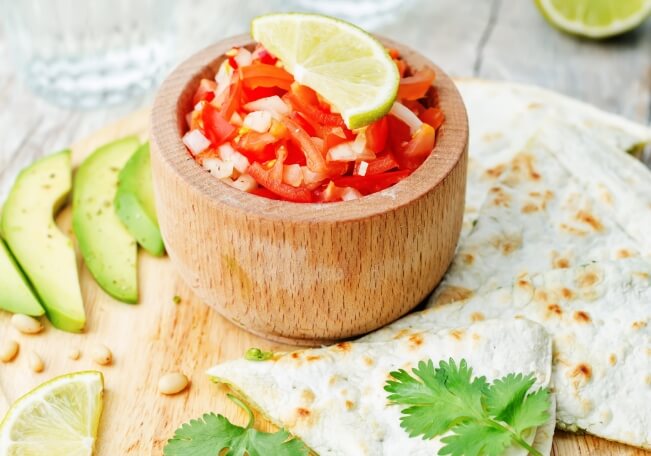
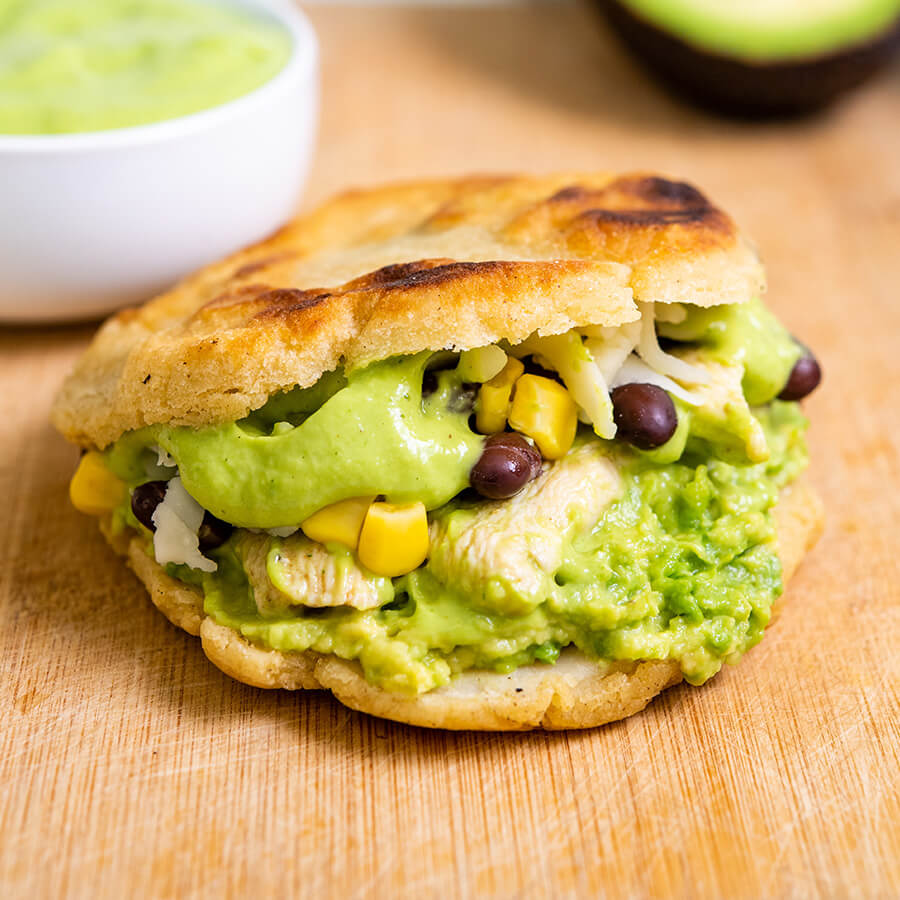
  • Combine diced avocado with black beans, tomatoes, and lime for a flavorful salad or taco topping.
  • Use avocado in place of mayonnaise for a creamy, lower-calorie sandwich spread that can help you reduce your intake of saturated fats.
  • Make a simple avocado-based dressing to drizzle over greens and roasted vegetables.
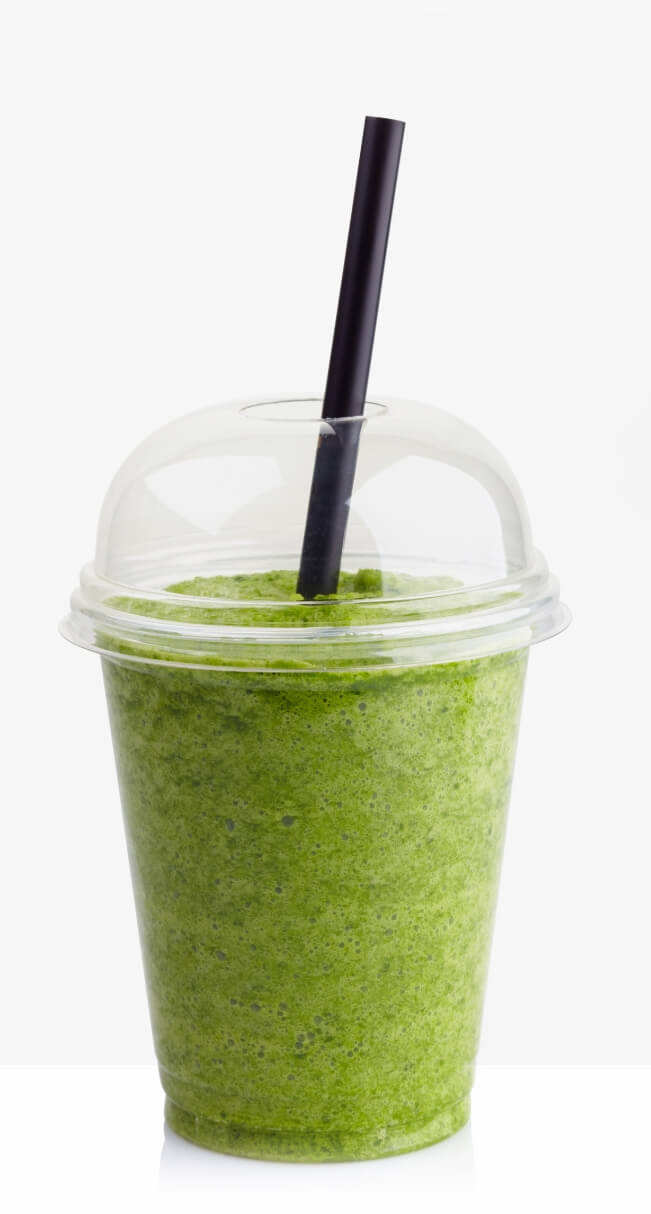
  • For a filling snack, blend avocado into a smoothie with spinach, unsweetened almond milk, a banana, strawberries, and a scoop of protein powder.

Pairing avocados with other healthy ingredients will create meals that taste good and align with your weight-loss plan.

 

Avocado Recipes for Weight Loss

If you need further inspiration, these avocado recipes may fit into your weight loss meal plans:

Recipes With Less Than 300 Calories

Pesto BLT Stuffed Avocados

Pesto BLT Stuffed Avocados →

This creative twist on a classic BLT combines crispy bacon, juicy tomatoes, and flavorful pesto in an avocado half. Clocking in at 160 calories per serving, these are perfect for a quick lunch or light dinner.

Avocado and Watermelon Poke

Avocado and Watermelon “Poke” →

Enjoy the refreshing combination of diced avocado and watermelon in this vibrant “poke” bowl. A light soy-based dressing ties the flavors together for a guilt-free, summer-inspired dish. At only 200 calories per serving, this is a meal you can feel good about.

Open-Faced Egg and Avocado Toast

Cheesy Avocado Flatbread with Mushrooms →

Melted cheese, savory mushrooms, and creamy avocado come together on a thin flatbread for a recipe that feels indulgent but fits into your calorie-conscious plan. The 270 calories in each serving will leave you feeling full without exceeding your daily limit.
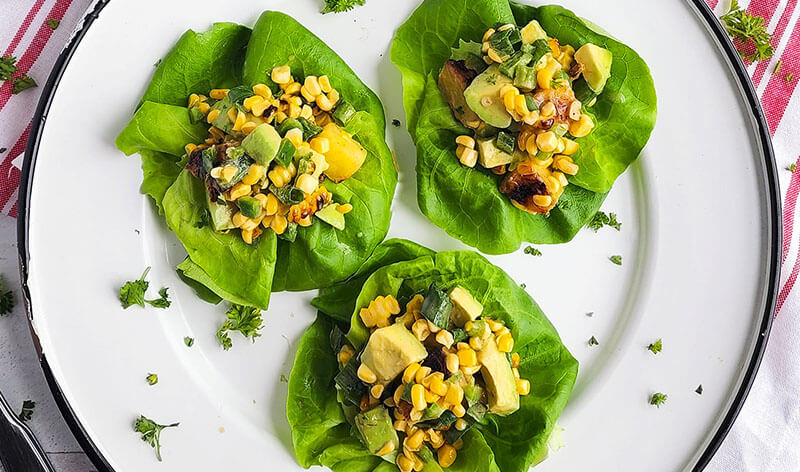
Grilled Pineapple, Avocado, and Corn Salad Lettuce Cups

Grilled Pineapple, Avocado, and Corn Salad Lettuce Cups →

These lettuce cups feature grilled pineapple, avocado, and corn for a sweet-and-savory flavor explosion. At only 200 calories per serving, they’re a refreshing option for a snack or appetizer.

Avocado and Veggie Sushi Mini Donuts

Avocado and Veggie Sushi Mini “Donuts” →

These bite-sized sushi donuts are made with avocado, fresh veggies, and sushi rice, creating a fun and nutritious alternative to traditional rolls. The 150 calories per serving ensures that you can snack without worry.


Keto-Friendly Avocado Recipes
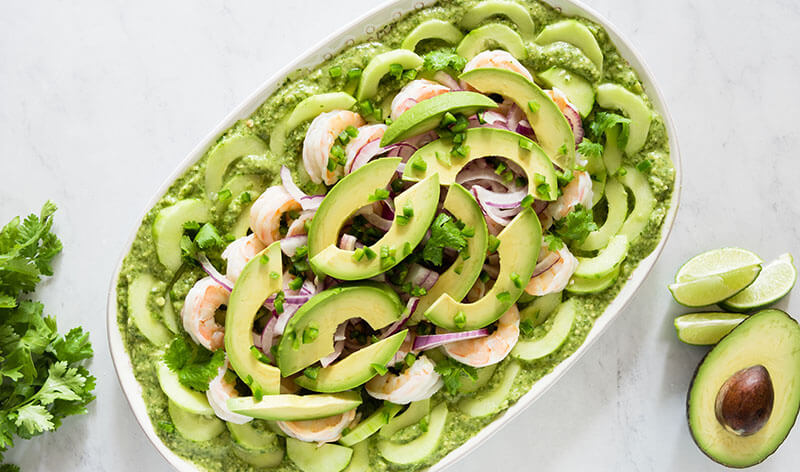
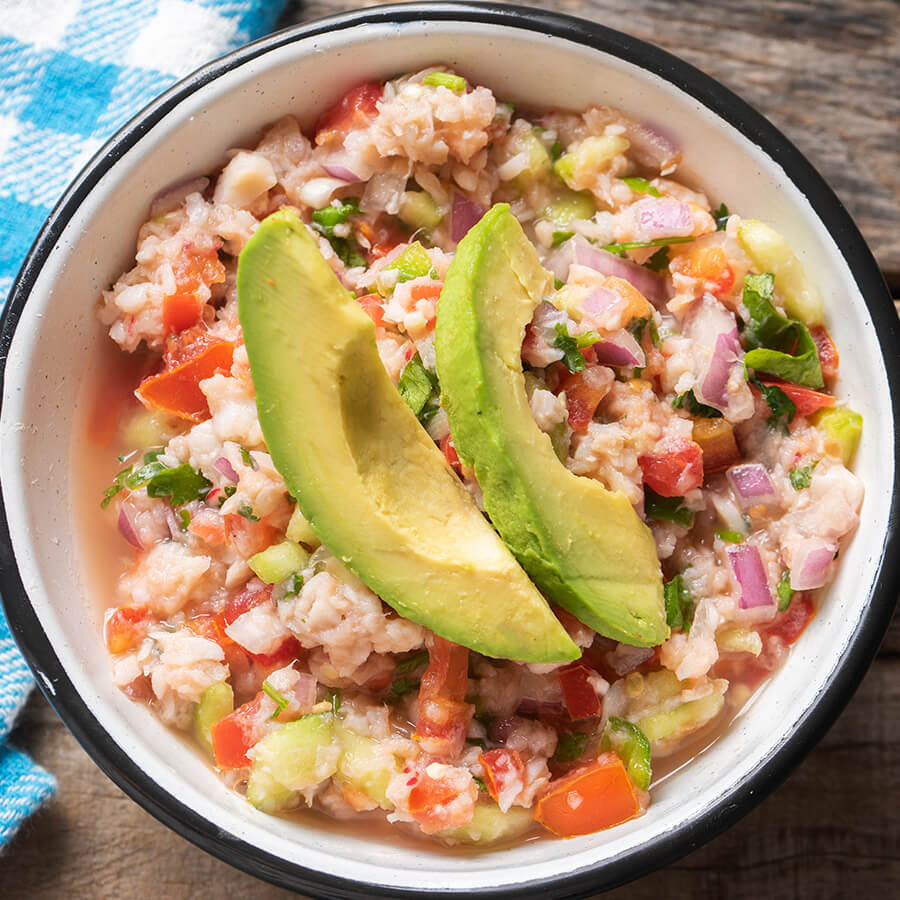
Fresh Lime and Avocado Aguachiles

Fresh Lime and Avocado Aguachiles →

A light, zesty recipe featuring avocado and fresh lime juice, this seafood dish is perfect for those following a keto diet while craving bold, refreshing flavors.
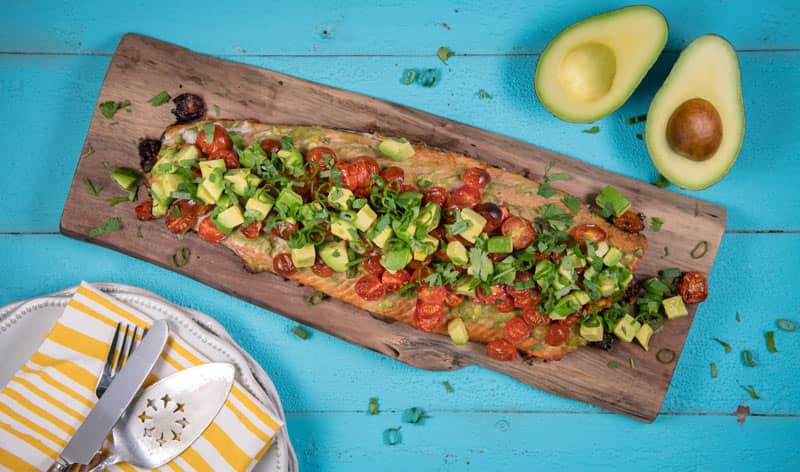
Cuban-style Grilled Salmon with Avocado, Baby Tomato, and Herb Salsa

Cuban-style Grilled Salmon with Avocado, Baby Tomato, and Herb Salsa →

Grilled salmon topped with a vibrant avocado, tomato, and herb salsa is a flavorful meal that perfectly fits into keto macros.

Brazilian Seafood Stew with Avocado

Brazilian Seafood Stew with Avocado →

This rich and creamy keto stew combines fish, shrimp, coconut milk, and avocado for a tropical dish loaded with healthy fats.


Vegan and Plant-Based Avocado Recipes

Spiced Vegetarian Tamale Pie with Avocado

Spiced Vegetarian Tamale Pie with Avocado →

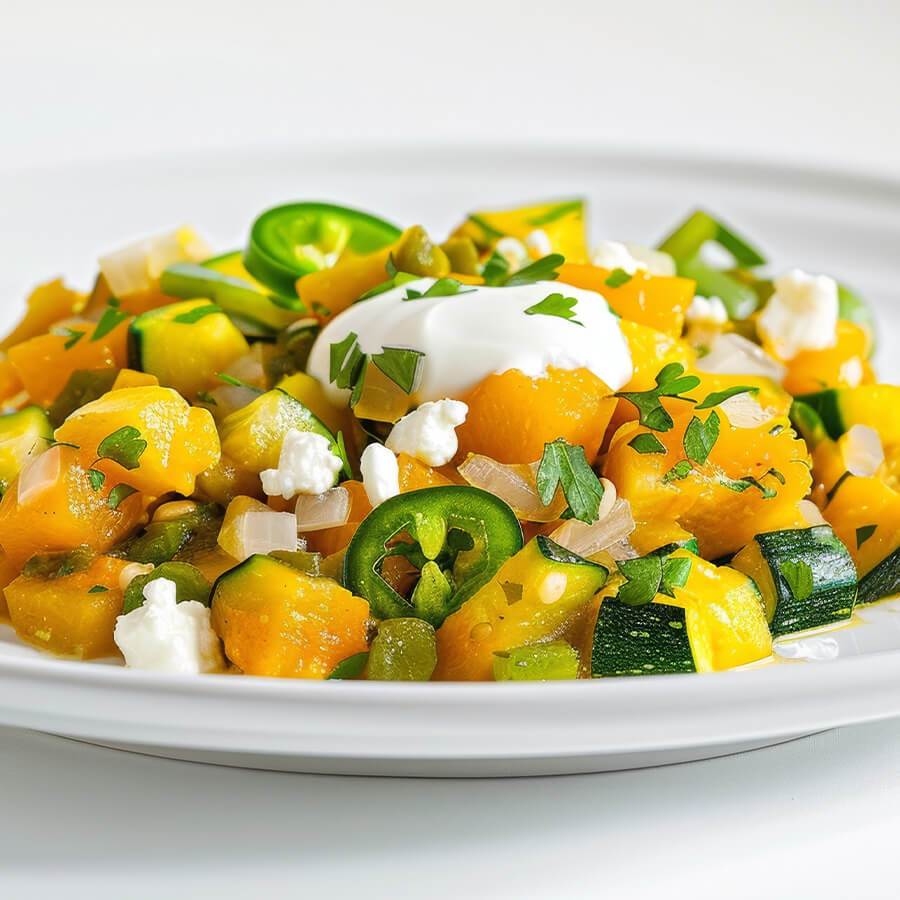
This plant-based tamale pie features a spiced squash and pinto bean-based filling topped with creamy avocado slices. It makes a perfect hearty dinner for the fall and winter!
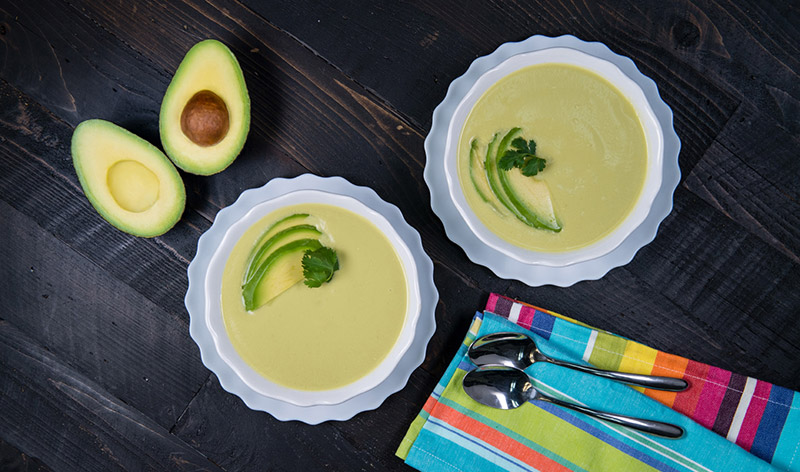
Creamy Colombian Avocado Soup

Creamy Colombian Avocado Soup →

This silky avocado soup is a comforting and nourishing dish perfect for any vegan menu. It is also an excellent meal prep option, making it easy to make and reheat.

Avocado Mango Summer Rolls with Spicy Peanut Dipping Sauce

Avocado Mango Summer Rolls with Spicy Peanut Dipping Sauce →

For a vibrant vegan appetizer, refreshing avocado, and mango are wrapped in rice paper and paired with a bold peanut dipping sauce.
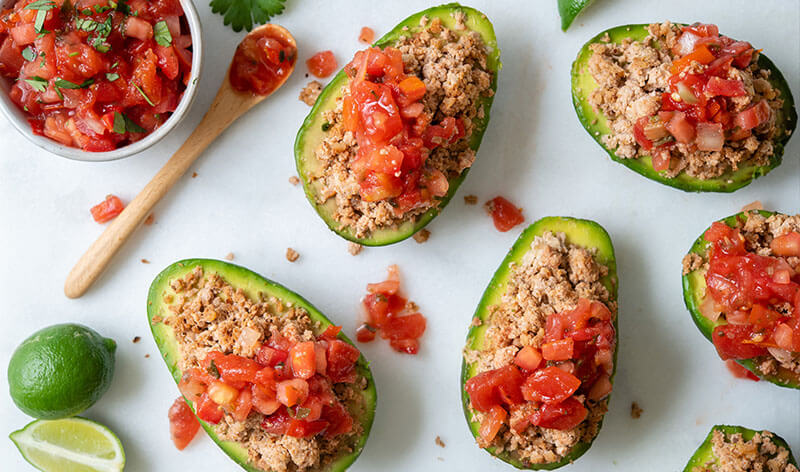
Plant-Powered AvoTaco Boats

Plant-Powered AvoTaco Boats →

These lettuce taco boats are filled with seasoned cauliflower, fresh avocado, and salsa, creating a fun, vegan-friendly twist on tacos.


Avocado Recipes For a Protein Boost

Open-Faced Egg and Avocado Toast

Open-Faced Egg and Avocado Toast →

This breakfast features a fried egg, black beans, queso fresco, and sliced avocado on telera bread. It offers 13 g of protein and is a great way to start your day.

Egg “Donuts” with Avocado

Egg “Donuts” with Avocado →

These fun, keto-friendly egg donuts are paired with avocado slices for a creative snack or breakfast. Each donut contains 6 g of protein, giving you a boost on the go.

Heart-Healthy Chorizo-Spiced Lentil and Avocado Tacos

Heart-Healthy Chorizo-Spiced Lentil and Avocado Tacos →

Lentils spiced with chorizo-inspired seasoning are paired with avocado for a tasty vegetarian taco filling. Each serving delivers an impressive 16 g of protein, making these a perfect lunch or dinner.

Avocado and Bean Tostada

Avocado and Bean Tostada →

Crispy tostadas are topped with refried beans, avocado slices, olives, and Cotija cheese for a satisfying meal. Each serving delivers 7 g of protein.

Deviled Eggs with Avocado

Deviled Eggs with Avocado →

A twist on the classic side dish, these eggs feature mashed avocado instead of mayonnaise, adding a creamy texture and extra nutrients. The 7 g of protein in each serving make these a potluck dish everyone can feel good about.

Avocados are the perfect food for those following a keto diet, enjoying plant-based meals, or looking to stay satisfied with a low-calorie plan. From their 6 g of heart-healthy fats to their 3 g of fiber per serving, they make a delicious and functional addition to your daily routine.

/wp-content/uploads/avocado-chef-circle-icon.png

Find other creative, and easy-to-make avocado recipes, in our recipe catalog, where you can find inspiration for every occasion or dietary need.
Eating the Rainbow this Holiday Season

By Brandi Givens, RD, IBCLC

The holidays often mean festive celebrations with family and friends. While these get-togethers traditionally include high-calorie or sugary foods, you can show that you truly care by helping guests eat the rainbow, and serving plant-based foods that are loaded with nutrients.

Color Clues

The colors in plants signal the vitamins and phytonutrients packaged inside. The deeper the color, the more potent the nutrients.

For example, the dark green area of the avocado, next to the peel, contains the highest amount of phytonutrients, including carotenoids. Although not considered an essential nutrient, phytonutrients have been shown through research to help promote human health.

Each color hints at different nutrients.

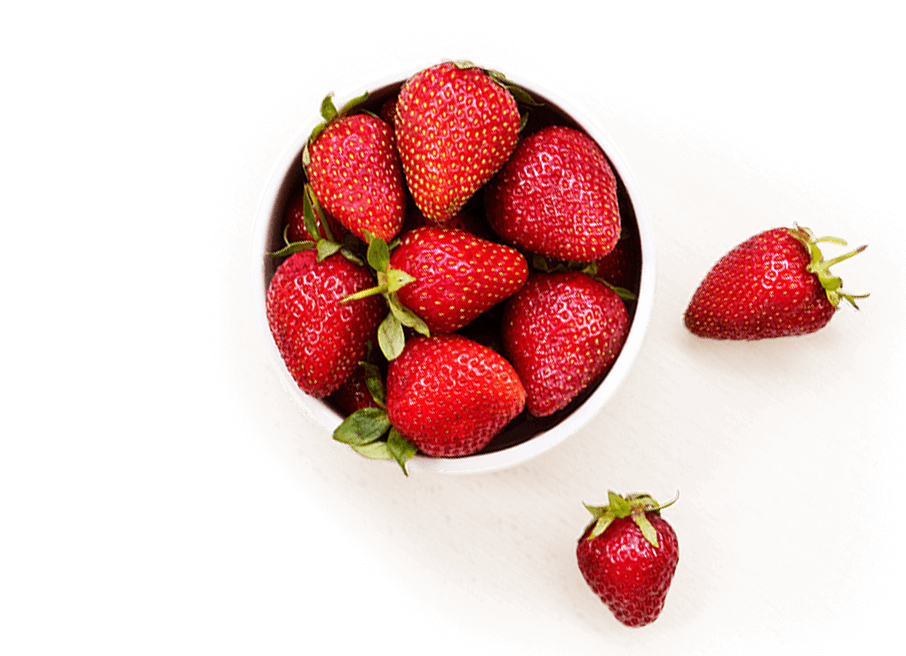
Red plants often contain lycopene including apples, cranberries, raspberries, red peppers, strawberries, tomatoes, and watermelon.

strawberries

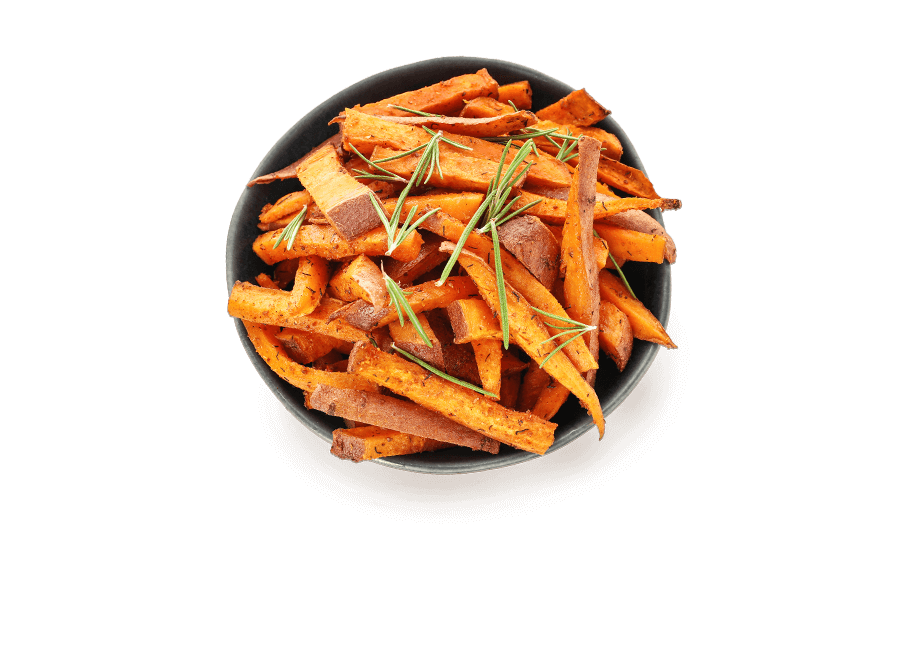
Orange and yellow hues signal beta-carotene. Apricots, cantaloupe, carrots, persimmons, pumpkin, squash, sweet potatoes, and yellow peppers all contain this phytonutrient.

sweet potatoes

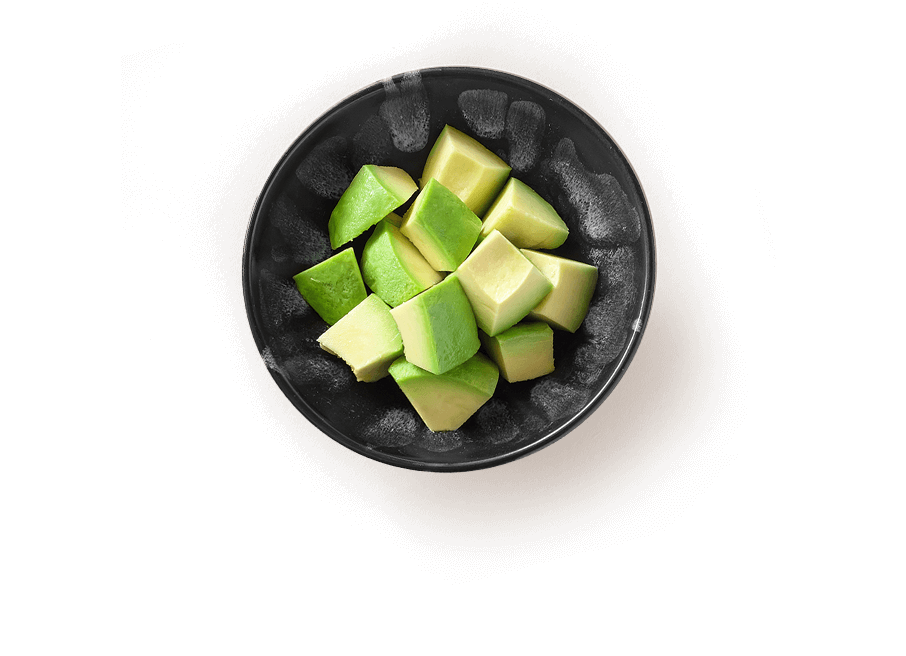
Green represents indoles, carotenoids, and isothiocyanates. Consider offering asparagus, avocados, broccoli, Brussels sprouts, cabbage, and dark leafy greens.

avocado

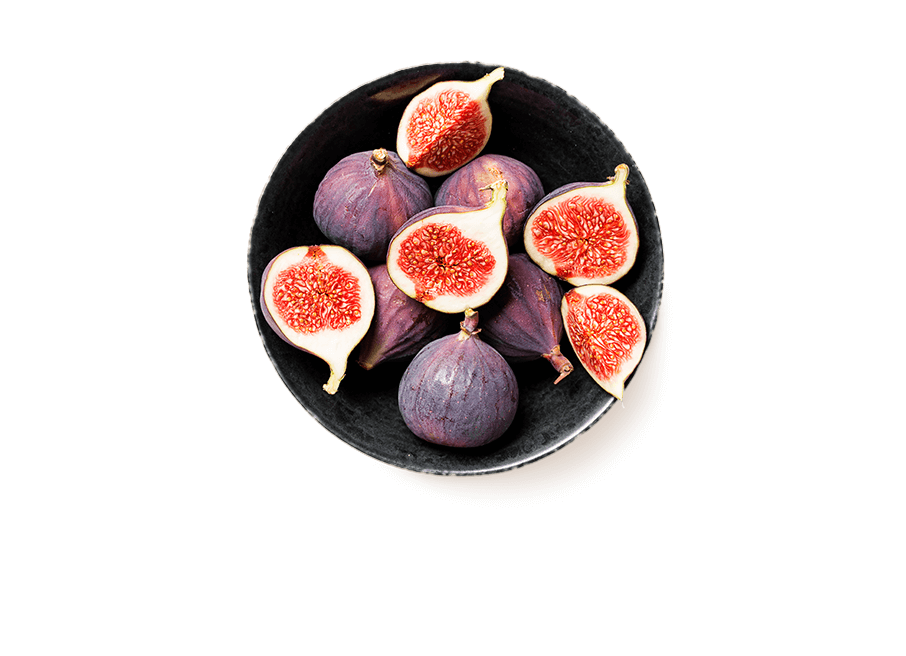
Blue and purple colors indicate antioxidants called anthocyanins. Try blueberries, eggplant, figs, plums, purple cabbage, and purple grapes.

figs

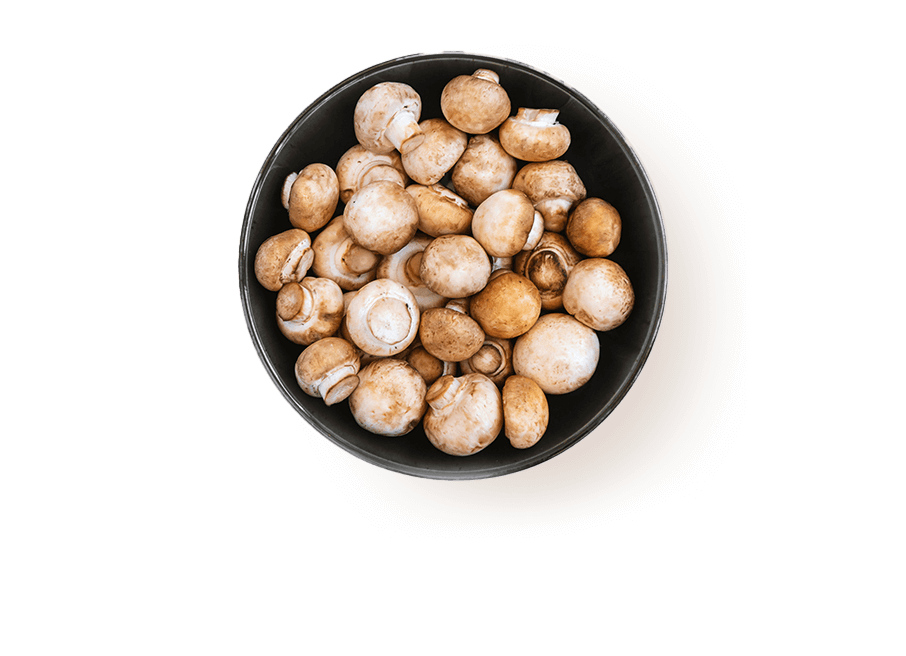
White and brown plants often contain allicin and quercetin. Cauliflower, garlic, leeks, mushrooms, and onions are great choices.

mushrooms

Don’t forget whole grains, seeds, nuts and legumes! Foods like beans, lentils, walnuts, and oats offer an abundance of vitamins and protein.

seeds and nuts

Serving up Color

Here are some ideas to help your loved ones eat the rainbow of plant foods, providing a dynamic variety of nourishment.

Ideas for creating a rainbow of plant foods.

Start with a Holiday Centerpiece

Create a fruit and veggie centerpiece for any holiday to attract your hungry guests.

  • Consider:
  • A Christmas tree topiary made with broccoli and cherry tomatoes.
  • Nestle a large decorative turkey into a platter of autumn-colored produce like carrots, cauliflower, grapes, persimmons, peppers, seeds, and nuts.
  • Center your menorah on a tray piled with blue-hued grapes, blueberries, and plums.

Select Seasonal Produce

Using cool weather produce from the USDA seasonal guide can mean higher quality food at a lower cost.

  • Try these seasonal ideas:
  • Pile pear, pomegranate arils, and orange slices onto a leafy vinaigrette salad.
  • Roasted Brussels sprouts with walnuts and cranberries.
  • Serve butternut squash or pumpkin soup.
  • Garnish your dishes with baked apples, pears, or cranberry sauce.

Offer Appetizers

Appetizers can be both delicious and nutrient-dense.

  • Here are a few ideas:
  • Mushroom caps stuffed with onions, garlic, and brown rice.
  • Raw mini pepper halves filled with guacamole or hummus.
  • Cowboy caviar with black beans, corn, and finely diced red onion, peppers, tomatoes, and avocados.

Boost your Breakfasts

Overnight holiday guests will need a wholesome breakfast.

  • Brighten their morning with these ideas:
  • Veggie-packed omelets that include peppers, kale, mushrooms, and onions.
  • Heat berries, pears, or cooked apples instead of syrup to top your whole-grain pancakes.
  • Build rainbow smoothies by layering blended berries, bananas, mangoes, and spinach.


By eating the rainbow of plant foods, you’ll diversify the nutrients your body gets and help keep your systems running merrily this holiday season.

Trying to Lose Weight? Take a Look at Your Snacks.

If you’re trying to lose weight, eating snacks with key nutrients such as fiber, protein and healthy fats can lead to higher satiety, meaning you’ll feel fuller in between meals and will be less likely to overeat at your next meal, which can help you lose weight.

According to the Academy of Nutrition and Dietetics, snacks for people who are less active should range from 200 calories or less per serving.

Paying attention to snack portion size, limiting foods and drinks that contain added sugar, and pairing a protein with a complex carbohydrate, such as fiber or starch, will help satisfy and decrease hunger between meals.

In addition, high-protein snacks can help increase your metabolism slightly because digesting protein requires more energy, which may help your body burn calories more efficiently.

It’s also best to avoid low-quality, late-night snacks if you’re not actually hungry and have already met your calorie goal for the day, as doing so can be associated with poor health markers like higher blood glucose levels.

If you want to lose weight, you might consider cutting snacks during the day to reduce your caloric intake. But this can be detrimental if you’re cutting out nutritionally dense snacks. With them, you can reach your protein, fiber, and micronutrient goals and get that boost of energy you need between mealtimes.

Avocados, especially, are a great snack to help meet your nutrition goals.

However, choosing healthy snacks while trying to lose weight can be challenging without proper planning. To help you make the most of your snacks, we’ve put together this guide on the best types of snacks for weight loss, why they’re beneficial, and how to prepare them.

Can Snacking Prevent Weight Loss?

The key to healthy snacking is choosing the right ones and eating them at the right time. Snacks that lack nutritional density and are high in simple carbohydrates and saturated fats can work against your weight loss goals. These snacks may leave you feeling hungry sooner, leading to cravings that can feel uncomfortable and may hinder your weight loss journey. In contrast, nutrient-dense snacks containing plenty of protein and complex carbohydrates, such as fiber and starch, can help you feel fuller for longer, reducing the likelihood of overeating between meals.

How the Body Breaks Down Nutrients

Understanding how your body digests different nutrients can help you make better snack choices to support your energy and health goals. The rate at which your body breaks down snacks largely depends on their nutrient composition.

When you eat a snack, digestion starts in the mouth as saliva breaks down carbohydrates, which are then absorbed into the bloodstream, raising blood sugar levels. Simple carbohydrates—found in foods like white bread, certain pastas, and sugary snacks—digest quickly and may cause rapid spikes and drops in blood sugar, resulting in increased hunger and cravings, feeling tired, sluggish or even irritable. On the other hand, complex carbohydrates that contain fiber digest more slowly, which helps keep blood sugar stable and promotes satiety. Fiber also passes through the digestive system undigested, supporting regular bowel movements.

Proteins are broken down into amino acids, which your body uses for muscle growth, organ maintenance, and other essential functions. And fats are converted into fatty acids and monoglycerides, which help the body absorb fat-soluble vitamins.

By knowing how your body processes different nutrients, you can choose snacks that provide steady energy, support digestion, and nourish your muscles and organs. For example, selecting snacks high in fiber, protein, and healthy fats can help you feel fuller for longer, maintain stable energy levels, and ensure you’re getting vital nutrients for overall wellness.

Can Snacks Help Burn Fat?

While no food will magically melt away fat, certain snacks can promote bodily functions important in fat loss. For example, protein-rich snacks, such as Greek yogurt, nuts, or lean meats, require more energy for your body to digest, which can temporarily increase your metabolic rate—a phenomenon known as the thermic effect of food. The higher your metabolism is, the easier it will be for your body to burn calories even while you’re not exercising. This means your body won’t be able to convert extra calories into fat, helping you maintain and lose weight.

Additionally, snacks that include healthy fats, such as avocados or nuts, can help regulate cholesterol levels.

Does the Time of Day for Snacking Impact Weight?

While eating more healthy snacks can support nutrition, it won’t necessarily lead to weight loss—and it may even lead to weight gain if you’re not mindful of quantity and timing. The time of day you snack can impact how your body processes food and uses it for energy.

For example, eating a snack right before bed may raise your blood glucose levels, depending on the snack’s composition. In a 2023 study, UK researchers found that participants who primarily ate snacks after 9 p.m. were associated with higher blood glucose and lipid levels compared to those who snacked earlier in the evening.

Moreover, the study showed that people who ate low-quality snacks with little to no nutritional value had higher glucose and lipid levels than those who ate nutrient-dense snacks at the same time. These factors suggest that both the timing and quality of your snacks can significantly impact your health. Researchers also noted that late-night snacking reduces the overnight fasting interval, which is associated with positive health markers.

That said, it’s okay to have a late-night snack if you’re genuinely hungry. Feeling hungry late at night may indicate that you haven’t had enough essential nutrients or calories for the day. When you do snack, try to choose nutrient-dense options for the best health outcomes, and check in to ensure you’re not just eating out of boredom.

open-faced avocado sandwich

Calories and Your Snacks

Not all snacks are created equal or will help you manage your weight. According to the Academy of Nutrition and Dietetics, snacks that are around 200 calories are usually a good goal for most people. Various snack options are simultaneously low-calorie and can keep you satiated between meals. Limiting your intake of added sugar and pairing protein, complex carbohydrates, and healthy fats in between meals can help you meet this goal.

For example, avocados are only 80 calories per serving, and they contain 4 grams of carbohydrates, 5 grams of monounsaturated fat, and 3 grams of fiber — all of which can make you feel full when paired with a protein of your choice.

open-faced avocado sandwich

What Snacks Are Weight-Loss Friendly Options?

Now that we’ve discussed the benefits of smart snacking, let’s explore some weight-loss-friendly options. Ultimately, it comes down to finding snacks that are not only low-calorie but are nutrient-dense with fiber, protein, and healthy fats to help you feel full and energized until your next meal.

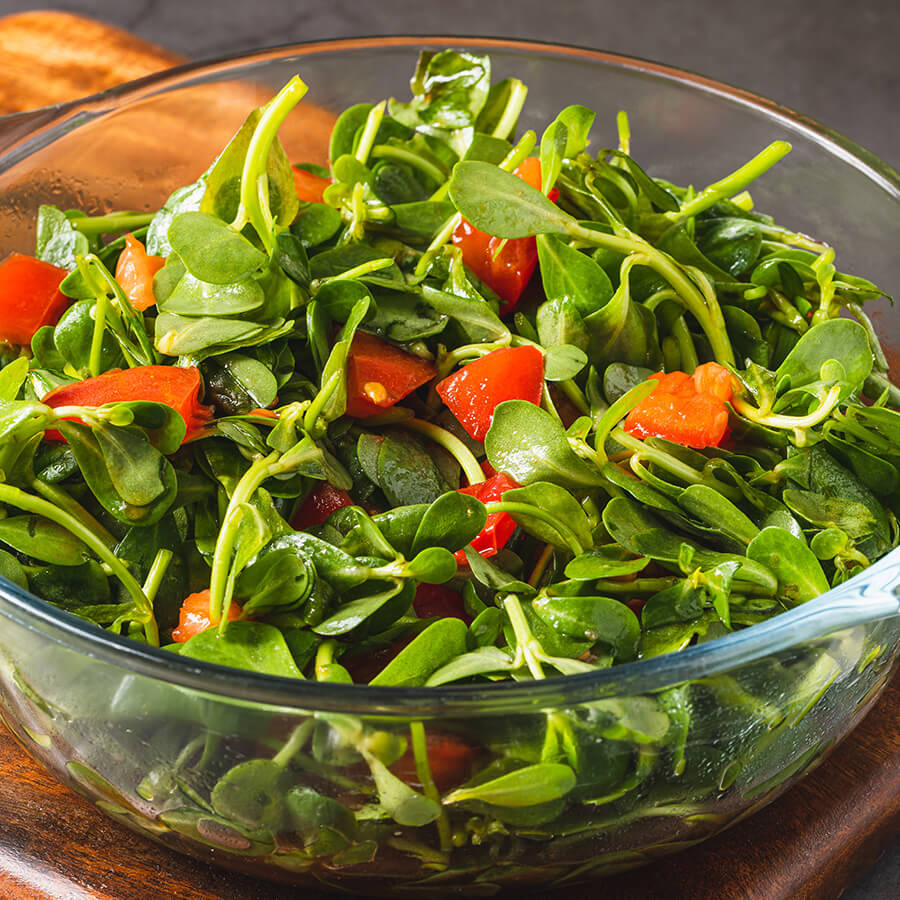
Non-starchy vegetables, like leafy greens, bell peppers, and cucumbers, are generally low in calories and packed with vitamins, minerals, antioxidants, and fiber, making them ideal snack choices.

Some fruits and starchy vegetables, while not necessarily low-calorie, can still be valuable for nutrition and energy. Pairing these with whole grains or low-fat dairy products adds fiber and protein, helping you stay fuller longer.

For more variety, try our recipes featuring nutrient-dense options like avocado, a heart-healthy addition to your snack lineup.

Snacks Under 150 Calories

Aiming for snacks under 200 calories is essential if you’re trying to stay in a caloric deficit during the day to lose weight. Here are a few recipes to help you meet that goal:

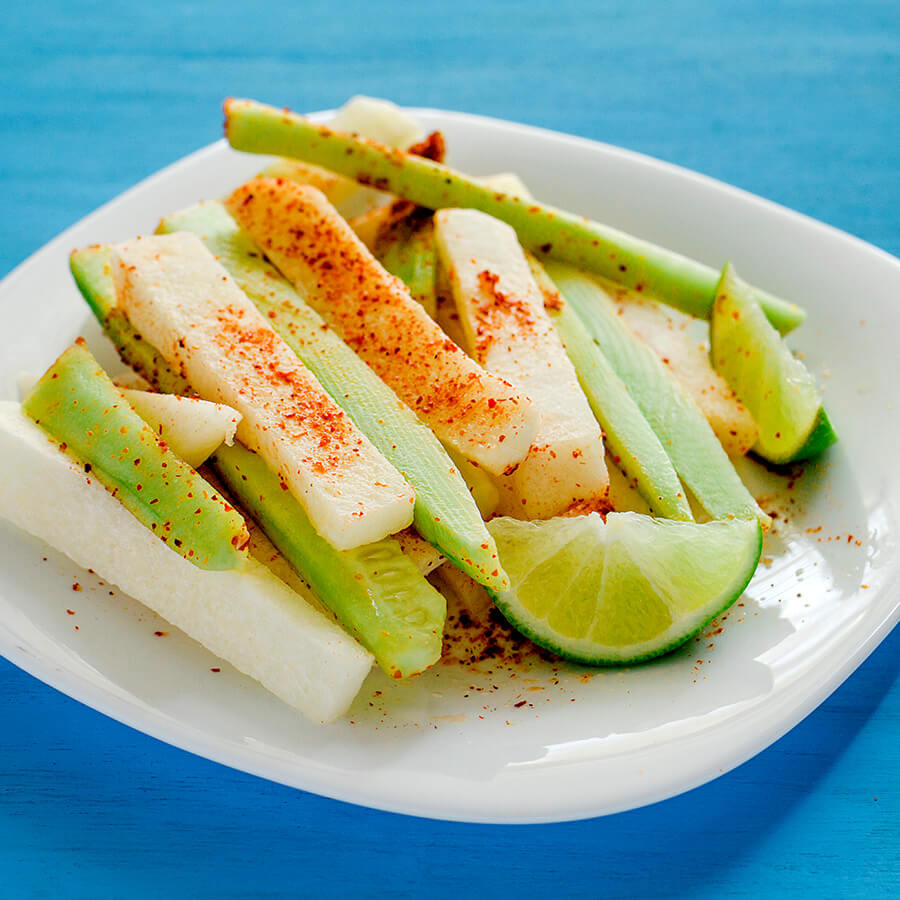
Jicama Strips with Spicy Lime Guacamole →

This recipe only has 80 calories for half a cup of deliciously crunchy jicama and a couple of tablespoons of guacamole.

Egg Donuts with Avocado →

If you’re craving a bagel or a donut, this egg donut may be for you. It’s only 80 calories per donut.

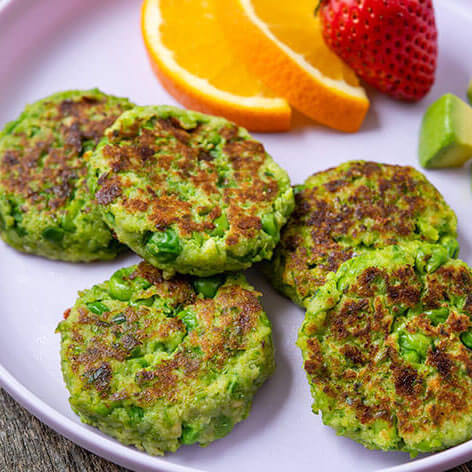
Green Pea and Avocado Nuggets →

Want a healthier version of chicken nuggets? This may be a good alternative, as it includes green peas and avocados, and each serving is only 110 calories.

Chipotle Avocado-Stuffed Cherry Tomatoes →

If you want something light with a little kick, we recommend these cherry tomatoes, which are filled with a spicy avocado spread and have only 60 calories per serving.

Nutrient-Dense Snacks

If you’re feeling ravenous in the middle of the day, it’s best not to starve yourself until the next meal; instead, look to some of these recipes that can make you feel full in the meantime:

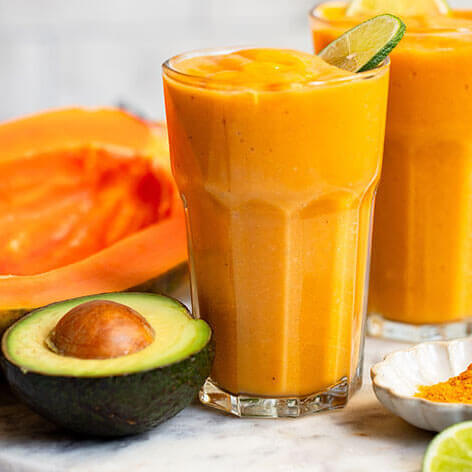
Hydrating Papaya Smoothie Guacamole →

This recipe has 5 grams of fiber, 400 mg of potassium, 330 mcg of vitamin A, and 50 mg of calcium per serving — all with no added sugar. You can enjoy the natural sweetness of the papaya and enjoy all the vitamins and minerals included in this smoothie.

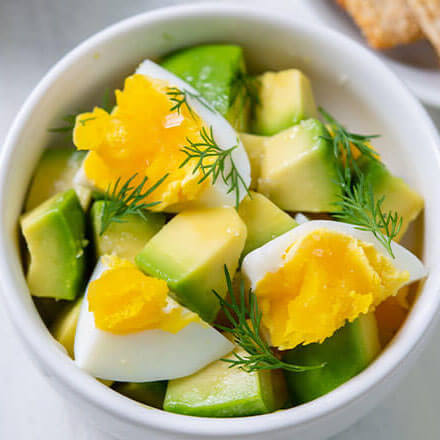
Deconstructed Avocado Egg Salad →

This recipe includes 3 grams of fiber and 7 grams of protein per serving, which can give you an energy boost before your next meal.

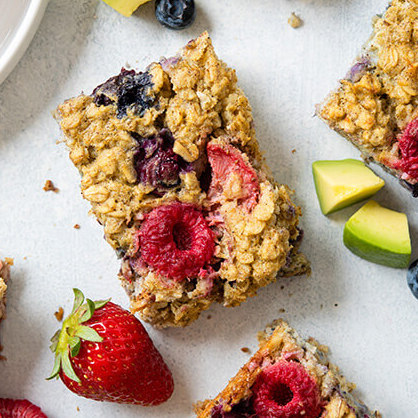
Berry Avocado Baked Oats →

This recipe has no added sugars and has 5 grams of fiber, 3 grams of unsaturated fat, and 7 grams of protein per serving.

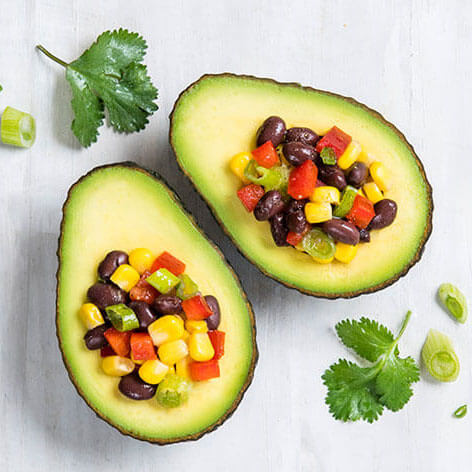
Stuffed Avocado with Black Bean and Corn Salsa →

Avocados can be a powerhouse of nutrients, and this recipe is no different. It contains 7 grams of fiber, 3 grams of protein, and 10 grams of healthy fats per serving.

Of course, these are just a few snack ideas. If you’re looking for more, don’t be afraid to be creative or check out more recipes on Love One Today for the best snacks with avocado.

A Non-Candy Approach to Halloween

By Sharon Lehman, RD

Candy and sweet treats take center stage at Halloween and remain in the spotlight through the winter and spring holidays. This season, we encourage you to disrupt this domino effect and share more nutritious — and still festive — goodies for kid-friendly Halloween trick-or-treating.

TheUSDA Dietary Guidelines for Americansshow that children consume an excess ofadded sugars. They recommend limiting foods with added sugars, like candy, and focusing on nutrient-dense foods and beverages that are naturally low in added sugars.

5non-candy
Halloween Treats

To help make this a reality, here are five ideas for non-candy Halloween treats this spooky season.

non-candy halloween chips and guacamole

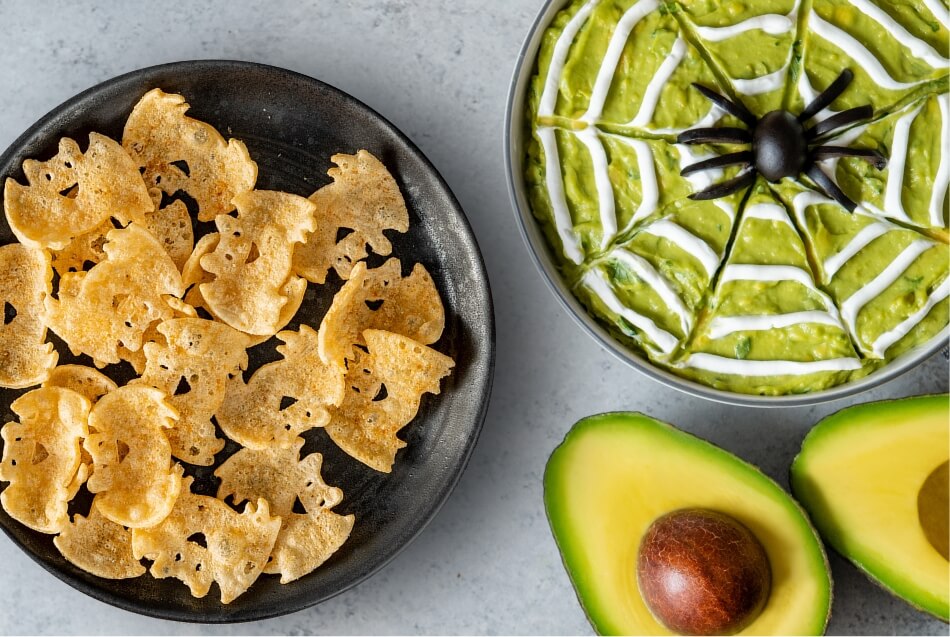
Halloween Chips & Guacamole

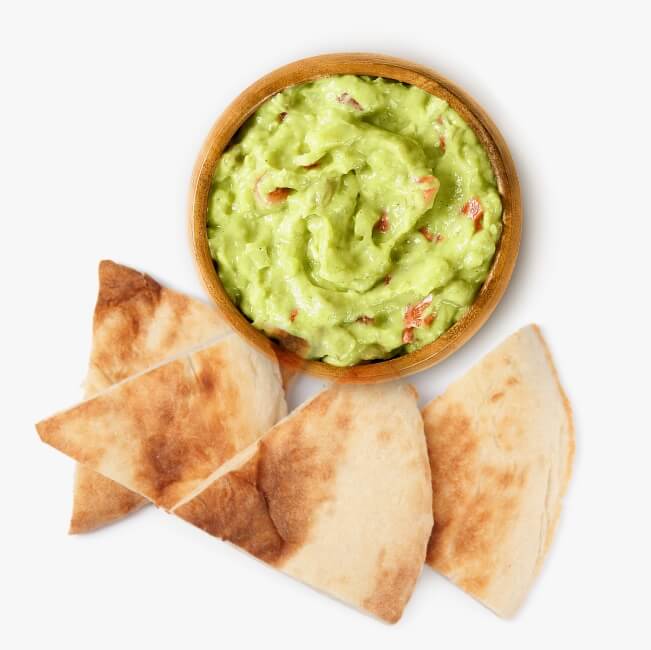
Guacamoleis an excellent non-candy snack since it contains fruit and vegetables. As kids get older they eat fewer fruits and vegetables and young adults only get half of their recommended amounts. Get more by including avocados as a dip, in smoothies, or as a topping on tacos, sandwiches, and soups.

Give a platter of chips and guacamole a spooky makeover. Save the avocado peels after you scoop out the fruit and use a small knife to “carve” circle eyes, an upside-down triangle nose, and a rectangular mouth to create a skull face. Place the peel on top of the serving dish of guacamole.

Use Halloween-shaped cookie cutters to punch shapes out of flour or corn tortillas. Arrange the tortilla chips on a baking sheet, mist lightly with avocado oil, and season with a pinch of salt, garlic powder, and/or chili powder. Bake in a 350-degree oven for 5 to 10 minutes until crispy.

non-candy halloween ghost bananas

Good-for-You Ghosts

Transform nutritious everyday snacks, like bananas and string cheese, into friendly ghosts. All you need is a black permanent marker and/or chocolate chips. Draw eyes and a mouth onto bananas with peels or individually wrapped cheese sticks. You can also slice peeled bananas in half and press chocolate chips into the banana to create a ghost.

non-candy halloween monster applesauce

Monster Applesauce

Turn individually packaged applesauce pouches into mummies or zombies with crepe paper and tape. Wrap white or green crepe paper around the pouches and draw on eyes or attach googly eyes. You can also decorate individual 100% fruit juice boxes this way.

non-candy halloween jack-o-lantern oranges

Jack-O-Lantern Fruit

What’s more festive than pumpkins at Halloween? It’s easy to decorate orange fruits like carved pumpkins. Use a black permanent marker (or white acrylic paint) to draw jack-o-lantern faces on the peels of navel oranges, clementines, or sealed containers of orange fruit, like mandarins and diced peaches packed in 100% fruit juice. Stack the fruit on trays to create impressive pumpkin towers.

non-candy halloween vampire apple bites

Vampire Apple Bites

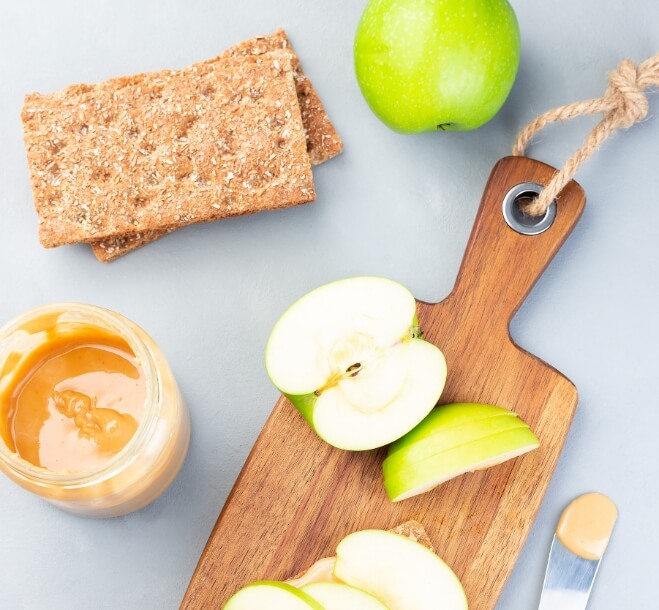
Quarter red or green apples, trim away the core, and cut a v-shape into the skin side of each. Lightly brush the apples with lemon juice to prevent browning. Fill the v-shape with nut or sunflower butter and attach slivered almonds, pumpkin seeds, mini marshmallows, or broken mini pretzel rods to create fangs.

And of course, you can always count on avocados. For children, the standard serving size of avocado is 25 grams, which provides important nutrients without adding sugar or sodium, including 2 grams of fiber (14% of the daily value fortoddlers), 130 mg of potassium (4% of the daily value); it is also a good source of vitamin C, a great source of vitamins K and B6, and contributes 2.5 grams of monounsaturated fats. These nutrients contribute to healthy growth, digestion, and heart function​.

This Halloween, avocados can be a fun, nutritious addition to festive treats that kids will love. One idea is to serveguacamole jack-o’-lanterns, where carved bell peppers are filled with mashed avocado dip, offering fiber and healthy fats to keep kids full longer. Another option is avocado monster toast, made by spreading mashed avocado on whole-grain bread and decorating it with veggie slices for spooky eyes and mouths. You can also tryavocado chocolate mousse, a naturally sweet treat with no added sugars, where avocado provides a creamy base, making it a healthier alternative to traditional Halloween desserts​​.

All these non-candy ideas are fun, festive, and kid-friendly for Halloween trick-or-treating, seasonal parties, and classroom celebrations. Happy Halloween!

Avocado Nutrition Facts and Health Benefits

Avocado Nutrition Facts and Health Benefits

More than Great Taste

1/3 of a medium avocado contains…

(50g serving)

yellow arrow

Avocados have lower calories per serving than fruits like banana and vegetables like potatoes. Reduce total calories in a recipe by substituting avocado for a higher-calorie ingredient like spreads.

Your risk for heart disease increases if you have too much cholesterol in your blood. Avocados, like all plants, are cholesterol-free.

Avocados are sugar-fee per serving, and do not affect the glycemic response.

For those with diabetes, infants, toddlers and children, it’s important to limit foods high in sodium. Avocados are sodium free.

serving-title of an avocado

Avocados are a good source of fiber, which slows digestion and helps keep you full and satisfied.

The body needs some dietary fat to help with the absorption of nutrients. Good fats do not raise LDL (bad) cholesterol levels.

Avocados are a good source of folate. Folate is an essential vitamin required to make DNA and other genetic material; this is especially important for women considering pregnancy.

Potassium is responsible for proper nerve, heart, and kidney function. Potassium may blunt salt’s effect on blood pressure as well as reduce the risk of developing kidney stones and possibly bone loss as we get older.

Facts Label

yellow arrow
Nutrition Facts

3 servings per recipe
Serving Size 1/3 medium (50g)

Amount Per Serving
Calories 80
% Daily Value*
Total Fat 8g 10%
Saturated Fat 1g 5%
Trans Fat -
Polyunsaturated Fat 1g -
Monounsaturated Fat 5g -
Cholesterol 0mg 0%
Sodium 0mg 0%
Total Carbohydrate 4g 1%
Dietary Fiber 3g 11%
Total Sugars 0g -
Includes 0g Added Sugars -
Protein 1g -
Vitamin D 0mcg 0%
Calcium 10mg 0%
Iron 0.3mg 2%
Potassium 250mg 6%
Vitamin A 0mcg 0%
Vitamin C 4mg 4%
Vitamin E 1mg 6%
Vitamin K 11mcg 10%
Thiamin 0.04mg 4%
Riboflavin 0.1mg 8%
Niacin 1mg 6%
Vitamin B6 0.1mg 6%
Folate
(0mcg folic acid)
45mcg DFE
10%
Pantothenic Acid 0.7mg 15%
Phosphorus 30mg 2%
Magnesium 15mg 4%
Zinc 0.3mg 2%
Copper 0.1mg 10%
Manganese 0.1mg 4%

The % Daily Value (DV) tells you how much a nutrient in a serving of food contributes to a daily diet. 2,000 calories a day is used for general nutrition advice.

*The % Daily Value tells you how much a nutrient in a serving of food contributes to a daily diet. 2,000 calories a day is used for general nutrition advice.

Nutrition Facts

3 servings per recipe
Serving Size 1/3 medium (50g)

Amount Per Serving
Calories 80
% Daily Value*
Total Fat 8g 10%
Saturated Fat 1g 5%
Trans Fat -
Polyunsaturated Fat 1g -
Monounsaturated Fat 5g -
Cholesterol 0mg 0%
Sodium 0mg 0%
Total Carbohydrate 4g 1%
Dietary Fiber 3g 11%
Total Sugars 0g -
Includes 0g Added Sugars -
Protein 1g -
Vitamin D 0mcg 0%
Calcium 10mg 0%
Iron 0.3mg 2%
Potassium 250mg 6%
Vitamin A 0mcg 0%
Vitamin C 4mg 4%
Vitamin E 1mg 6%
Vitamin K 11mcg 10%
Thiamin 0.04mg 4%
Riboflavin 0.1mg 8%
Niacin 1mg 6%
Vitamin B6 0.1mg 6%
Folate
(0mcg folic acid)
45mcg DFE
10%
Pantothenic Acid 0.7mg 15%
Phosphorus 30mg 2%
Magnesium 15mg 4%
Zinc 0.3mg 2%
Copper 0.1mg 10%
Manganese 0.1mg 4%

The % Daily Value (DV) tells you how much a nutrient in a serving of food contributes to a daily diet. 2,000 calories a day is used for general nutrition advice.

*The % Daily Value tells you how much a nutrient in a serving of food contributes to a daily diet. 2,000 calories a day is used for general nutrition advice.

Download the Facts Label

The avocado nutrition facts label is designed to be compliant with the FDA Guidelines for Nutrition Labeling.

Avocados are

Nutrient-dense

Nutrient-dense foods provide substantial amounts of vitamins, minerals, and other nutrients with relatively few calories.

Avocados contribute nearly 20 vitamins and minerals that can enhance the nutrient quality of the diet. Learn more

avocado diced

Avocados are a

Nutrient-booster

Healthy avocados can act as a “nutrient booster” by helping increase the absorption of fat-soluble nutrients like vitamin A.

Try this: Mango Guacamole

recipe spotlight badge
recipe spotlight image

Avocados are

Heart-Healthy

The American Heart Association recommends eating a variety of nutritious foods, which may help you control your weight, cholesterol, and blood pressure.1

aha badge

Fresh avocados are Heart-Check certified and can help you meet the diet recommendations of the American Heart Association.

Avocados contain

Phytosterols

Phytosterols are naturally occurring substances found in avocados and other plant foods that help to block the absorption of cholesterol in the body when consumed twice daily as part of a diet that is low in saturated fat and cholesterol.

Avocado

Serving Size
vs Portion Size

You might think that serving size and portion size are the same, but there is a key difference. Learn the difference

Avocado

Nutrition Facts Chart Download

See just how fresh avocados deliver a nutrient package that satisfies in this downloadable PDF.

Nutrition Facts Download

Avocado

Nutrition Advice

The Dietary Guidelines for Americans emphasize making small changes towards achieving an overall healthy eating pattern, such as replacing foods higher in saturated fats with foods containing good fats, like avocados.

Eating a variety of fruits and vegetables, like avocados, is associated with a reduced risk of many chronic diseases, including heart disease, and may protect against certain types of cancers.2

Start Simple with MyPlate.

Let’s explore the key nutritional components that make avocados a true powerhouse fruit.

How Are Avocados Nutritious?

Vitamins and Minerals in Avocado:

Avocados are a nutrient-dense food made up of mostly water and fiber and are considered low-energy dense fruit. Nutrient density refers to the amount of nutrients a food contains per calorie, and energy density refers to the number of calories per gram of food.

In other words, avocados are loaded with nutrients and are calorie-smart!

Avocados are loaded with nutrients

They boast an impressive array of vitamins and minerals per 50 g serving, or one-third of a medium avocado, including:

250 milligrams of potassium: Potassium is a key electrolyte essential for muscle function and fluid balance. It helps counteract the effects of salt on blood pressure, reduces the risk of kidney stones, and supports bone health as we age. Low potassium intake may increase the risk of various health issues, including hypertension, stroke, kidney stones, bone problems, and challenges in blood glucose control, potentially leading to type 2 diabetes.

4% of the Daily Value (DV) of vitamin C: Vitamin C is an antioxidant that may contribute to healthy immune function and is essential for the growth and repair of tissue throughout the body, and is important for skin health.

10% DV of vitamin K: Vitamin K is vital for blood clotting, healthy bones, and other functions in the body.

6% DV of vitamin E: Vitamin E helps keep the immune system strong against viruses and bacteria.

10% DV of folate:

Folate is especially important for women planning pregnancy as it’s essential for DNA and genetic material synthesis. During pregnancy, it plays a crucial role in reducing the risk of developmental issues like spina bifida. Insufficient folate levels may increase the chances of premature birth or having a baby with low birth weight.

Interestingly, dietary folate found naturally in food shows promise in lowering the risk of certain cancers, though more research is needed to understand its impact fully. Moreover, individuals with low blood folate levels might be more susceptible to depression and may not respond as well to antidepressant treatment compared to those with normal folate levels. However, further research is required to grasp the connection between folate and depression fully.

15% DV of pantothenic acid: Pantothenic acid fuels your body by helping turn food into energy.

4% DV of magnesium: Magnesium helps maintain normal nerve and muscle function, supports a healthy immune system, keeps the heartbeat steady, and helps bones remain strong. It also helps regulate blood glucose levels and aids in the production of energy and protein.

10% DV of copper: Copper acts as a nutrient booster that supports a healthy immune system and helps the body absorb iron.

Certain B vitamins such as:

  • 8% DV of riboflavin: Riboflavin is important for body growth and red blood cell production.
  • 6% DV of niacin: Niacin helps the digestive system, skin, and nerves function. It is also vital for converting food to energy in the body.
  • 6% DV of vitamin B6: Vitamin B6 helps the body make antibodies, maintain normal nerve function and produce red blood cells.

Healthy Fats/Cholesterol in Avocado

Avocados stand out in their heart-friendly monounsaturated fats (MUFA) content. Surprisingly, they’re essentially the only fruit packed with these good fats!

Just one-third of a medium avocado provides a satisfying 5 grams of MUFA.

These healthy fats have been associated with better heart health, as they help lower bad cholesterol levels and decrease the risk of heart disease. Even better, avocados are cholesterol-free and contain minimal saturated fats, making them a top pick for a heart-healthy diet.

Sodium

Avocados are naturally sodium-free, making them an excellent choice for those aiming to maintain healthy blood pressure and heart health. Opting for sodium-free foods that also contain potassium, like avocados, can help promote overall heart health and lower the risk of hypertension.

Protein

In addition to being a source of healthy fats and fiber, avocados also contain a modest amount of protein (1g per serving). While they may not be as protein-rich as other foods, such as meat or legumes, avocados still contribute to your daily protein intake.

Including avocados in your diet can help provide a well-rounded nutrient profile, supporting muscle repair and overall health.
Carbohydrates

Avocados are a great choice for those on low-carb or ketogenic diets, as they’re naturally low in carbohydrates.

Most of the carbohydrates found in avocados come from fiber, which supports digestive health and helps with weight management.

So, whether you’re watching your carb intake or simply aiming for a balanced diet, avocados are a fantastic addition to your meals.

Fiber in Avocado

Avocados are a good source of dietary fiber, with one-third of a medium avocado containing approximately 3 grams of fiber. Fiber is essential for promoting regular bowel movements, supporting gut health, and reducing the risk of chronic diseases such as heart disease and diabetes.

Phytosterols in Avocado

Avocados contribute approximately 38 milligrams of beta-sitosterol per 50g serving. Phytosterols are naturally occurring substances found in avocados and other plant foods. Consuming phytosterols twice daily, as part of a diet low in saturated fat and cholesterol, may help maintain healthy cholesterol levels by blocking the absorption of cholesterol in the body.

So, including avocados in your daily meals can be a delicious and beneficial way to support your heart health.

Avocados vs Other Fruits and Vegetables

Nutrient content comparison of avocado to 5 top fruits sold in US[1] (RACC)


Fresh Avocado

Apple raw with skin

Raw Banana

Fresh Orange, peeled
Fresh Grapes

Fresh Strawberries

Serving Size

50 g

242 g

126 g

154 g

126 g

147 g

Household serving

1/3 cups

2 cups, chopped
1 med/large

slightly more than 1 fruit

26 grapes

12 medium berries

Calories

80

207

112

132

87

47

Fiber (g)

3

6

3

3

1

3

Potassium (mg)

250

259

451

256

241

225

Vitamin K

11

5

0.6

0

18

3

Folate

45

7

25

52

3

35

Vitamin E

1

0.4

0.1

0.2

0.2

0

Sugar

0.2

25

19

13

20

7

  • Despite a smaller serving size, avocados have as much fiber as bananas, oranges, and strawberries; have a comparable amount of potassium as apples, oranges, and grapes; and have more vitamin E than apples, bananas, oranges, grapes, and strawberries.
  • Per serving, avocados also have fewer calories than apples, bananas, oranges, and grapes.

Nutrient content comparison of avocado to 5 top vegetables sold in US[1] (RACC)


Fresh Avocado

Potato

Onion

Tomato

Carrot

Bell Pepper

Serving Size

50 g

148 g

148 g

148 g

85 g

148 g

Household serving

1/3 cup

approx 1 small

approx 1/2 onion

approx 1.5 small

8 baby carrots

1 cup, chopped

Calories

80

138

47

27

30

39

Fiber (g)

3

3

1

2

2.5

3

Potassium (mg)

250

792

176

351

201

314

Vitamin K

11

3

0.4

12

8

7

Folate

45

41

34

22

23

69

Vitamin E

1

0.1

0.3

0.8

0

2

Sugar

0.2

2

7

4

4

6

  • Per serving, avocados have fewer calories than potatoes.
  • Despite their smaller serving size, avocados pack in just as much fiber as potatoes, carrots, and bell peppers, three times the fiber content of onions, and boast more potassium than onions or carrots. Additionally, avocados offer more vitamin K than potatoes, onions, carrots, and bell peppers, as well as more folate than potatoes, onions, tomatoes, and carrots.

References: 1. National Nutrient Database for Standard Reference Legacy Release. April 2019 Avocados, raw, California; apples, raw, with skin (Includes foods for USDA’s Distribution); bananas, raw; oranges, raw, navels (Includes foods for USDA’s Food Distribution Program); grapes, red or green (European type, such as Thompson seedless), raw; strawberries, raw Top 20 fruits and vegetables sold in the US. https://www.pma.com/content/articles/2017/05/top-20-fruits-and-vegetables-sold-in-the-us. Accessed 2/27/2019 2. National Nutrient Database for Standard Reference Legacy Release. April 2019. Avocados, raw, California; potatoes, baked, flesh and skin, without salt; onions, sweet, raw; tomatoes, red, ripe, raw, year-round average; carrots, baby, raw; peppers, sweet, red, raw

What Health Benefits Do Avocados Offer?

In addition to their impressive nutritional profile, avocados offer a wide range of health benefits. Here are just a few.

Nutrients and Fat-Soluble Vitamins

The fat-soluble vitamins found in avocados, such as vitamin E, contribute to healthy skin, hair, and nails, while supporting immune function and inflammation regulation.

But here’s where avocados truly shine as nutrient boosters!

Their unsaturated fats allows them to enhance the absorption of fat-soluble nutrients such as vitamins A, D, K, and E from other foods in your diet. The best part? Enjoying avocados doesn’t raise LDL (bad) cholesterol levels when consumed as part of a healthy eating plan.

So, by adding avocados to your meals, you’re not just treating your taste buds but also helping your body make the most out of the nutrients it consumes.

Heart Health

Fresh avocados are a cornerstone of a heart-healthy diet. They are low in saturated fats and cholesterol—and sodium-free, which makes them an optimal choice for supporting heart health. By incorporating avocados into your daily meals, you not only enhance your intake of fruits and vegetables but also introduce a natural source of beneficial fats. Versatile and flavorful, avocados can seamlessly replace butter or oil in baked goods or higher-fat cheeses in savory dishes like tacos and burritos.

The good, monounsaturated fats found in avocados play a pivotal role in promoting heart health; they can lower LDL (bad) cholesterol levels and elevate HDL (good) cholesterol levels, contributing to a healthier cardiovascular profile. Making avocados a regular part of your heart-healthy eating plan may significantly reduce the risk of heart disease and stroke, ensuring both taste and nutrition go hand in hand in your daily meals.

Cholesterol Absorption

Avocados are not only cholesterol-free but also contain compounds that inhibit the absorption of cholesterol in the body, enhancing their heart-protective benefits. By reducing cholesterol absorption, avocados play a crucial role in maintaining healthy cholesterol levels and supporting overall cardiovascular health.

In a significant clinical study involving 1008 adults with elevated waist circumference, researchers explored the effects of consuming one avocado daily for six months on various health measures. While the primary outcome regarding visceral fat remained unchanged, secondary outcomes showed promising results. Daily avocado consumption was associated with reductions in total and LDL cholesterol levels and improvements in overall diet quality compared to the control group. Although findings from a single study cannot be generalized to broader populations, this research, supported by the Avocado Nutrition Center, adds to a growing body of evidence suggesting that incorporating heart-healthy avocados into your diet may lead to better overall diet quality.

Blood Pressure

The potassium in avocados is essential for maintaining healthy blood pressure levels. By counteracting the effects of sodium in the body, potassium promotes optimal blood pressure and helps reduce the risk of hypertension. When incorporated into the diet as a replacement for other fats, avocados align perfectly with the DASH eating plan, which is renowned for its ability to lower blood pressure and support overall heart health.

Antioxidants

Vegetables and fruits are abundant sources of antioxidants, essential for maintaining overall health. Avocados are packed with antioxidants like vitamins C and E and beneficial phytochemicals such as lutein and zeaxanthin. These powerful antioxidants play a crucial role in neutralizing free radicals within the body, safeguarding cells from harm, and lowering the risk of chronic ailments like cancer and age-related macular degeneration.

Incorporating avocados into your diet is a delicious way to enhance your antioxidant intake and promote long-term well-being.

Diabetes

Avocados offer a sugar-free alternative that won’t cause significant blood glucose spikes when consumed alone, exempting them from glycemic index or weight values. Additionally, their fiber content serves as a valuable asset in regulating blood glucose levels by slowing down digestion and preventing rapid increases in blood glucose after meals.

Monitoring sodium intake is crucial for individuals managing diabetes. Thankfully, avocados are completely free of sodium, making them an excellent choice for maintaining a balanced diet that supports stable blood glucose levels and overall health.

Do Avocados Have a Negative Impact on Health?

Avocados offer numerous health benefits. However, excessive calorie intake may contribute to weight gain. Remember, there are many factors that play into individual nutrition needs; size, age, and activity level are some of the many determinants that dictate your requirements.

When enjoyed as part of a balanced diet, avocados can be valuable to overall health and well-being.

Avocados

What is the Average Serving Size of Avocado?

Serving Sizes vs. Portion Sizes

Did you know that serving size and portion size aren’t the same thing? A serving size refers to a standardized amount of food that represents the average quantity consumed during a meal or snack, while portion size is the specific amount of food you choose to eat.

It’s important to note that a serving size doesn’t dictate the recommended amount of food to eat; rather, it represents the typical amount consumed. You have the flexibility to consume more or less than the suggested serving size based on your preferences and dietary needs.

For instance, the typical serving size of avocado is 50g or about one-third of a medium avocado. However, opting for more can provide you with even greater nutritional benefits! A whole avocado offers an impressive 18g of MUFA, 10g of dietary fiber, 760mg of potassium, 3g of protein, and remains free of cholesterol and sugar. So, feel free to indulge in the wholesome goodness of avocados and reap the nutritional rewards!

Dietitian/Nutrition Advice

Dietitians commonly advocate for including one serving of avocado in meals as part of a well-rounded diet. This portion size enables individuals to enjoy the nutritional advantages of avocados while effectively managing their overall calorie and fat intake.

Avocados seamlessly fit into various dietary plans, including heart-healthy eating regimens, diabetes-friendly diets, Mediterranean and DASH meal plans, as well as Keto, Paleo, and weight management plans, among others.

Packed with essential vitamins, minerals, healthy fats, and fiber, avocados serve as a nutritional powerhouse. Avocados offer many health benefits, from fostering heart health to facilitating nutrient absorption and supporting healthy blood pressure levels. By incorporating them into your meals in moderation and as part of a balanced diet, you can fully harness their potential, enjoying a delicious and nutritious way to enhance your overall health and well-being. Bon appétit!

FAQs About Avocado Nutrition