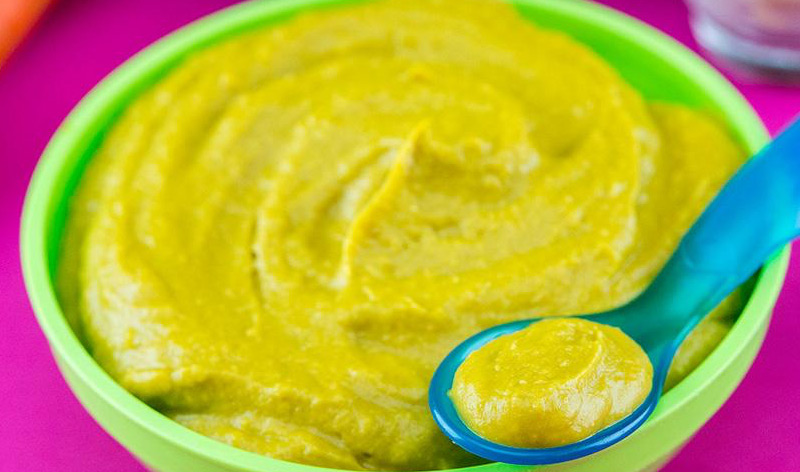
Folic Acid Benefits for Every Stage of Life

Folic Acid Benefits for Every Stage of Life

Foods with folic acid are usually recommended for women who are pregnant or breastfeeding. However, folic acid benefits include being one of the best vitamins for every stage of life.

What is folic acid?

Folic acid or folate is a B vitamin your body needs to make new cells. Your skin, hair, nails, blood, and other body parts need folic acid to make new cells.

Foods with folic acid occur naturally, and folic acid is the synthetic form used in supplements or added to fortified foods such as bread and pasta. Whether you opt for the natural or synthetic form, it’s essential to ensure you get enough folic acid in your day-to-day life.
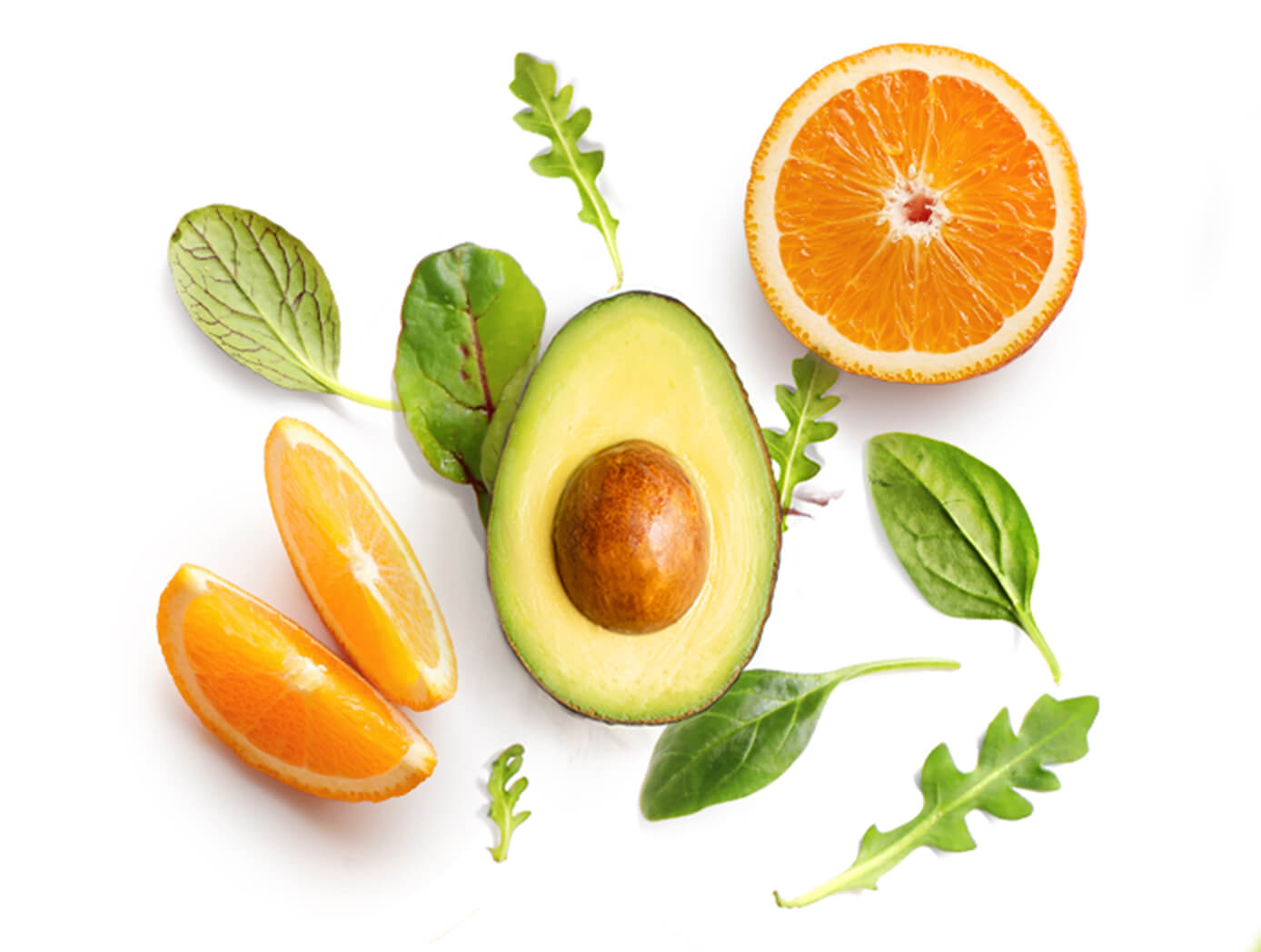
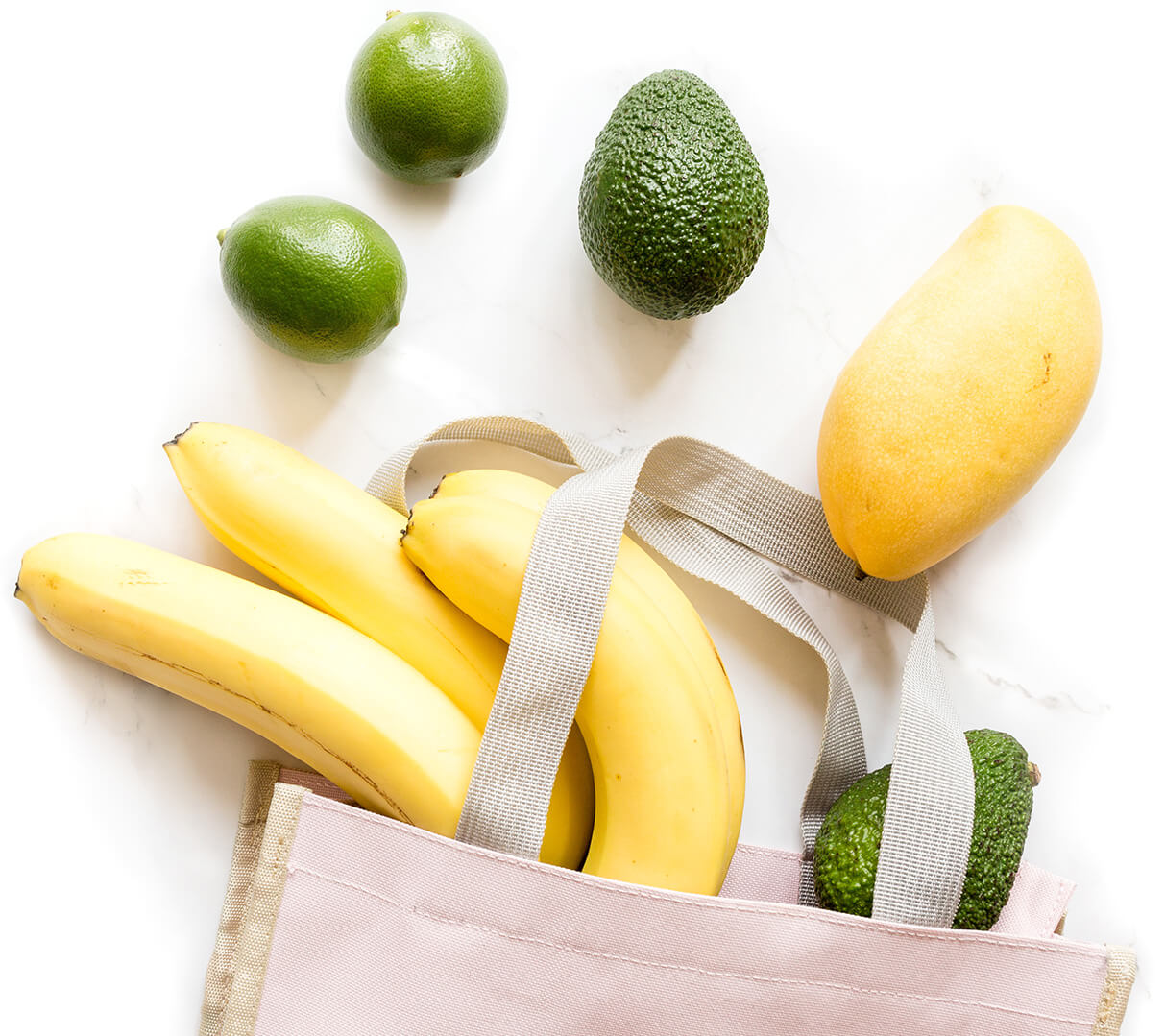
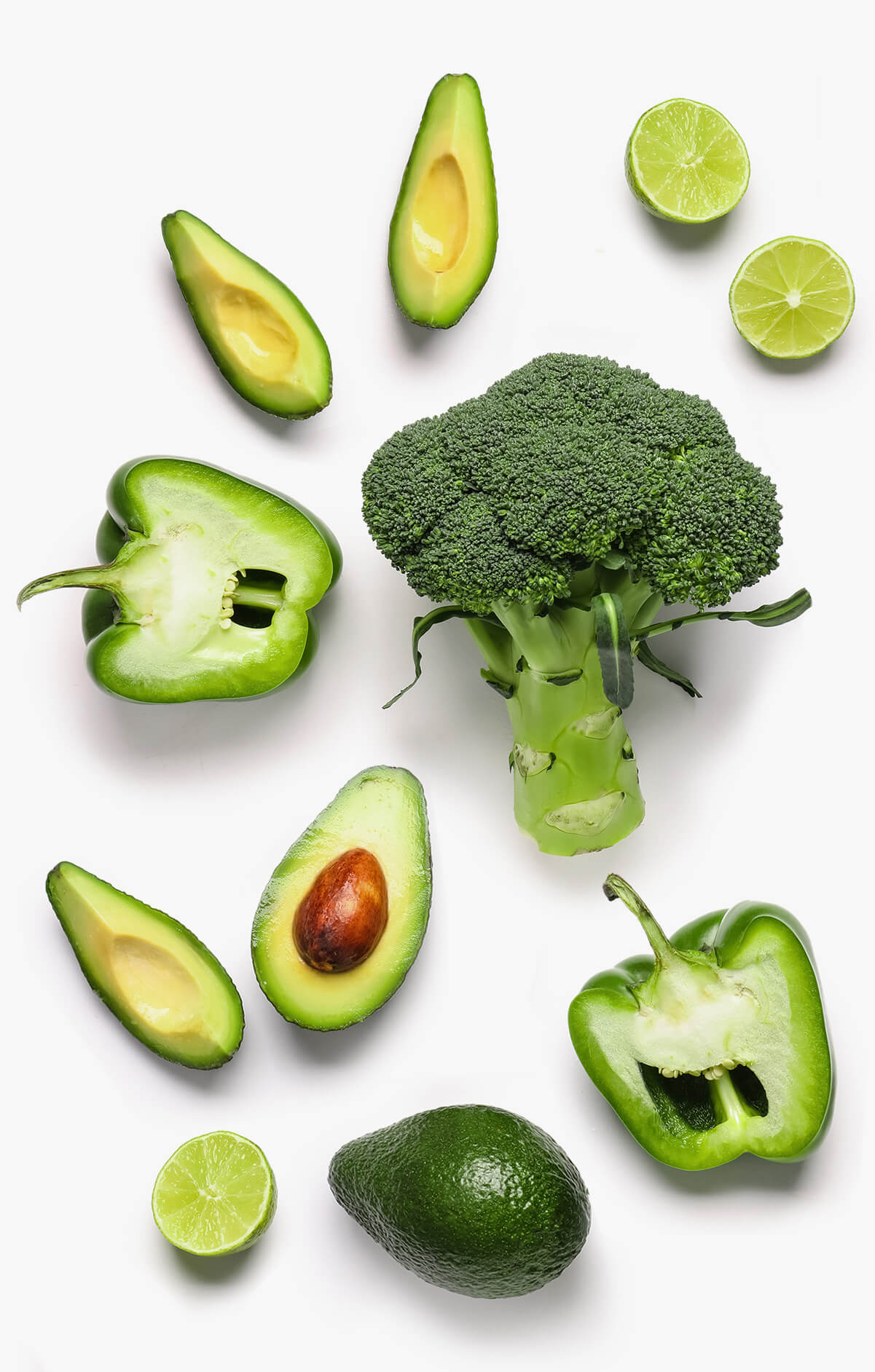
folic acis fruits and vegetables
arrow

What happens when you don’t get enough folic acid and who’s at risk?

Falling short on folic acid or folate in your diet could lead to an increased risk of anemia, where the body can’t produce enough red blood cells. Before and during pregnancy, getting enough of this vitamin is essential to prevent major birth defects in the baby’s brain or spine.

Alcoholism, eating a poor diet without enough fruits and vegetables, being on a weight loss diet, or having celiac or inflammatory bowel disease also increase the risk for folic acid deficiency. Make sure to discuss your risk with your health provider.

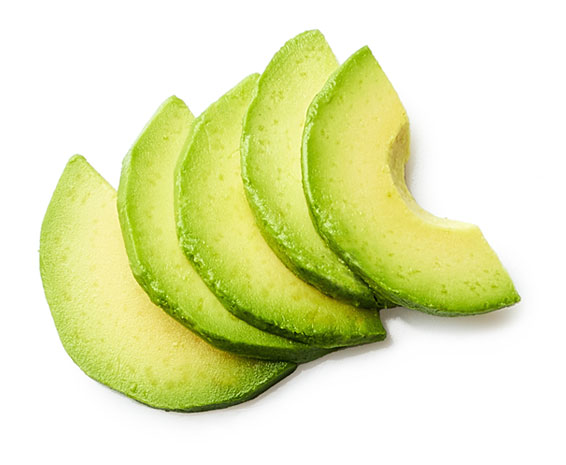
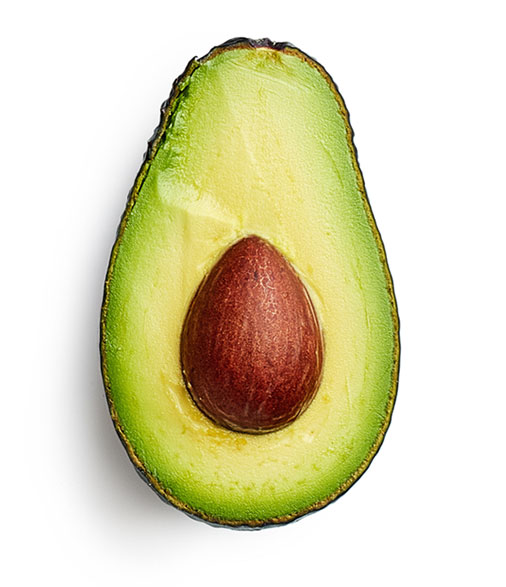
Pregnant women need folate to reduce developmental defects, such as spina bifida. Avocados are a good source of folate.

Folate deficiency increases the likelihood of having a premature or low-birth-weight baby. Avocados are a good source of folate.

What foods with folic acid are the best?

Folate is naturally present in foods such as:

  • Beef liver
  • Vegetables such as asparagus, brussels sprouts, and dark-green leafy vegetables
  • Fruits such as avocados and oranges
  • Nuts, beans, and peas

Folic acid is found in some supplements and added to the following foods:

  • Enriched bread, flour, cornmeal, pasta, and rice
  • Fortified breakfast cereals
  • Fortified corn masa flour
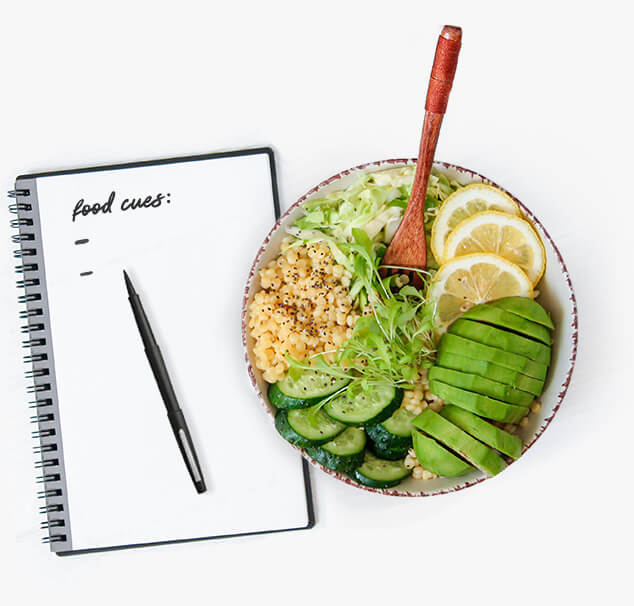
folic acid fruits and vegetables
arrow

Should I try and get folic acid from food or supplements?

The 2020–2025 Dietary Guidelines for Americans recommends eating food to meet our nutritional needs but if we can’t meet these needs with food, then fortified foods and dietary supplements are recommended (e.g., during specific life stages such as pregnancy).

Plan a menu with these good-for-you recipes containing a good folate source.
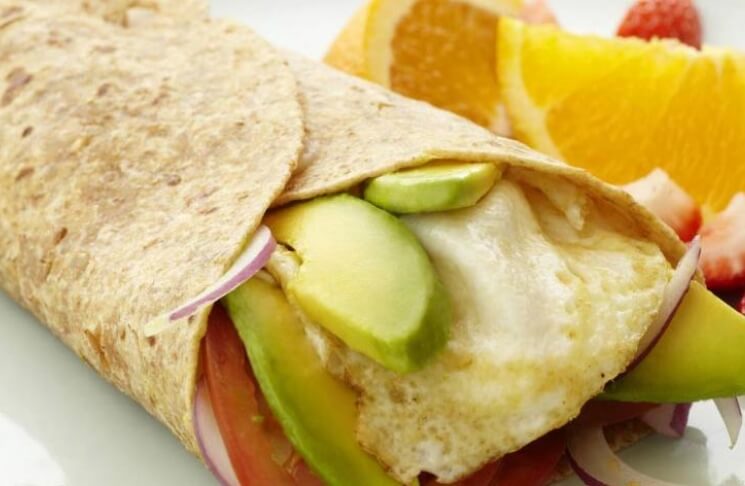
Avocado Egg White Breakfast Wrap

Start your day with this simple Avocado Egg White Breakfast Wrap. One serving of this meal provides 25% of your daily need or daily value (DV) for folate.
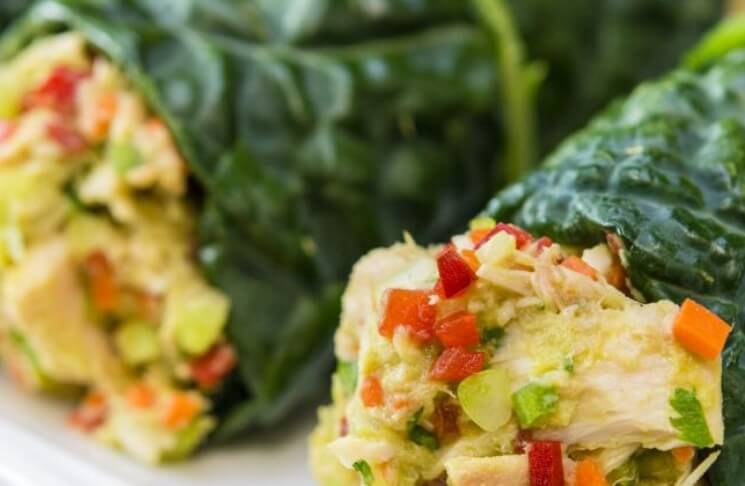
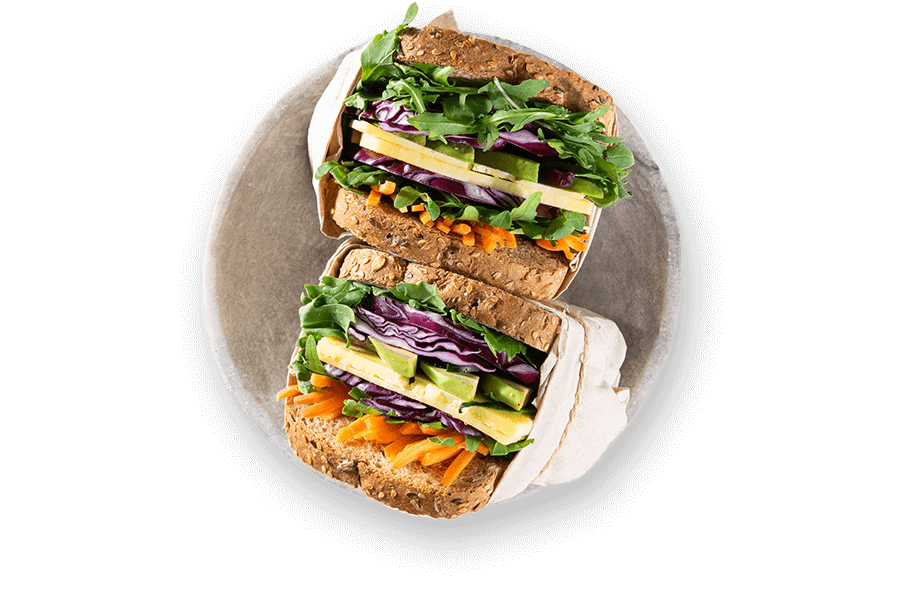
 Kale Wrap with Avocado, Tuna, and Carrots

Pack this easy Kale Wrap with Avocado, Tuna, and Carrots for lunch. One serving of these foods with folic acid provides 40% of your DV for folate.
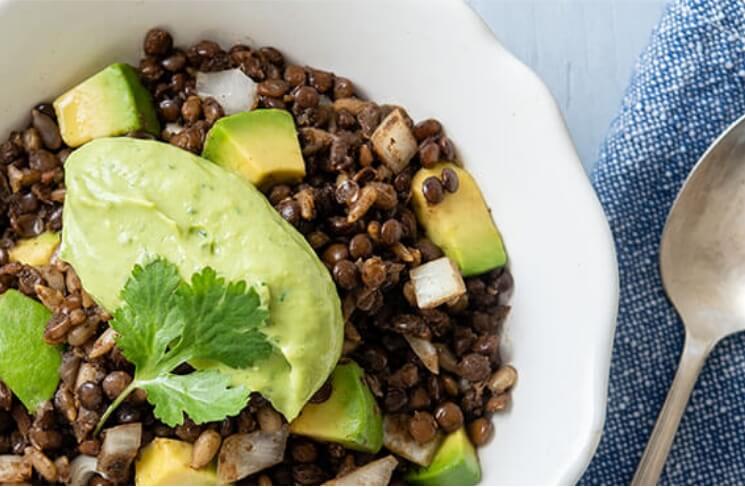
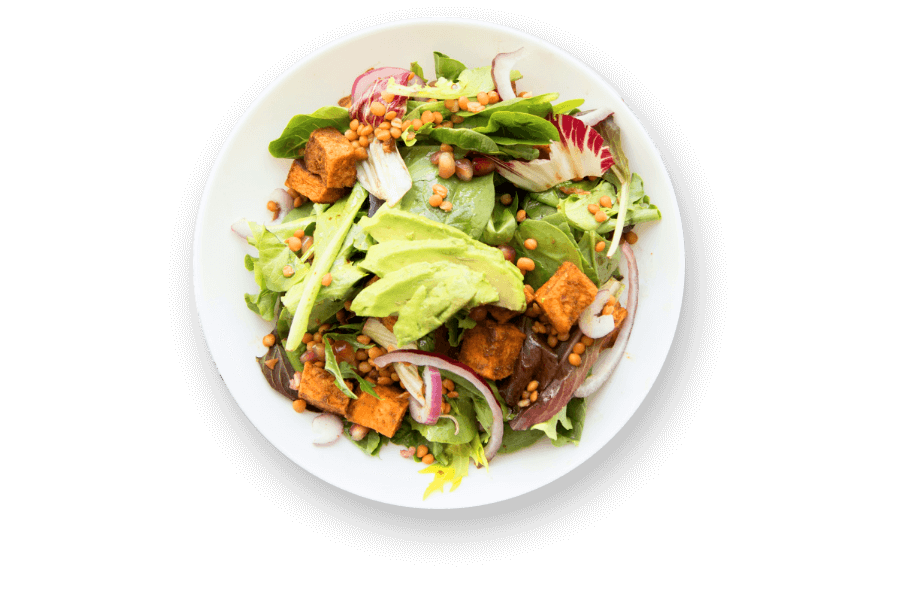
Spiced Lentil Bowl with Avocado

Your whole family will love this Spiced Lentil Bowl with Avocado. Use leftovers in burritos or enchiladas. One serving provides a whopping 80% of your DV for folic acid benefits.

For more delicious avocado meal ideas for any meal or occasion, check out more recipes here..

Stay Focused on Your Diet for Eye Health


Your eyesight is an essential part of your health.
Getting older, being overweight, and having complications from diabetes may increase your risk of some eye diseases and cause vision loss.

According to the American Academy of Ophthalmology, eating a nutrient-rich diet for eye health that contains foods rich in vitamins C and E, zinc, lutein, zeaxanthin, and omega-3 fatty acids may play a role in decreasing the risk of two common causes of vision problems: cataracts (cloudiness in the lens) and age-related macular degeneration (blindness).

Eat foods that support eye health with a healthy, nutrient-rich diet.

Yes, carrots are good for your eyes.
However, that’s not all.

Eating a diet for eye health rich in lots of fruits and vegetables—particularly dark leafy greens, such as spinach, kale, or collard greens may also keep your eyes healthy.

Research has also shown there are eye health benefits from eating diets that include fish high in omega-3 fatty acids, such as salmon, tuna, and halibut too.

Dark leafy greens contain rich sources of vitamins A, C, and E and the fat-soluble nutrients lutein and zeaxanthin. Lutein and zeaxanthin have been shown to help keep the tissues in the eye healthy. These nutrients are naturally found in the back of the human eye, may protect the eye tissue from sunlight damage, and help maintain optimal vision.

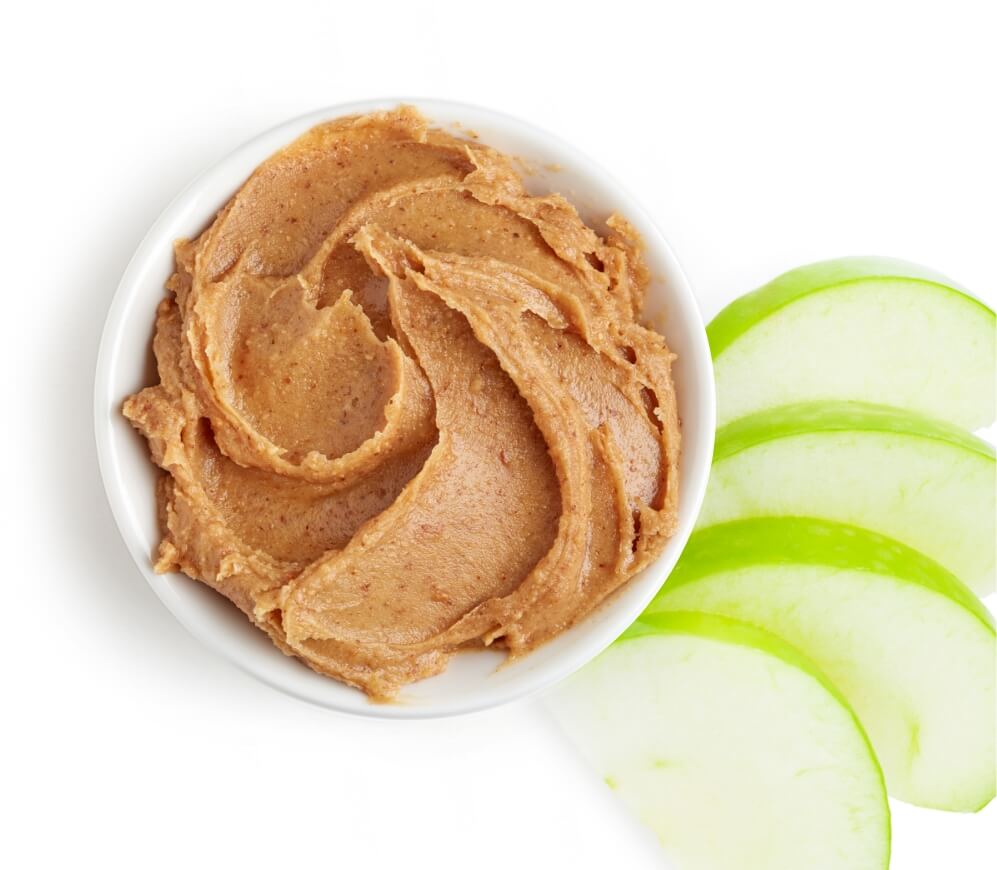
To increase the absorption of these fat-soluble nutrients from foods that support eye health, add a bit of monounsaturated or polyunsaturated fat to the meal, like those found in avocado, olive oil, or peanut butter.

Here’s an Example

  • 1

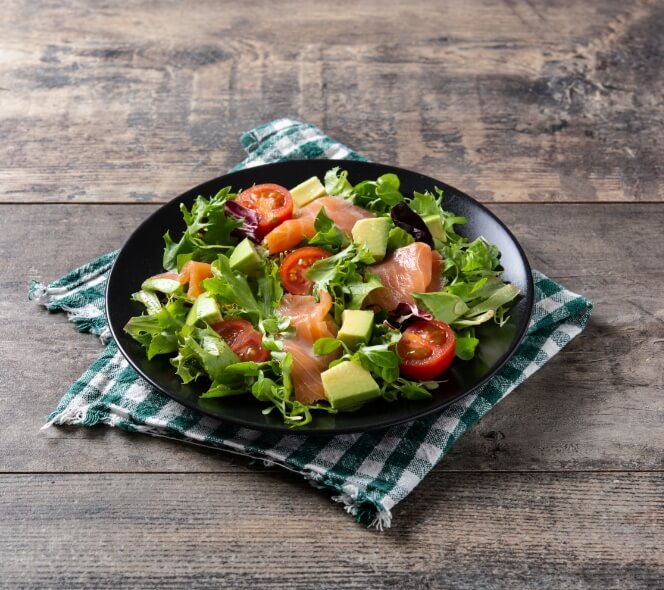
    Serve a leafy-green salad with sliced avocado and grilled tuna tossed with a light olive oil dressing.

  • 2

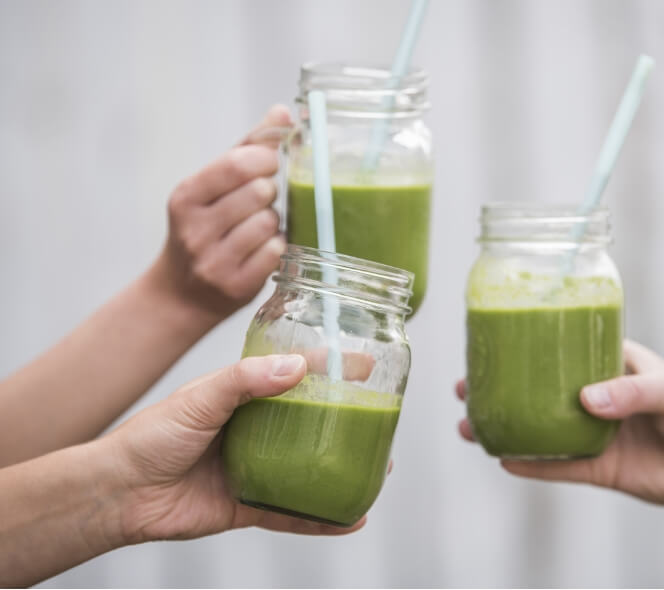
    Blend a creamy plant-powered smoothie made with avocado, spinach, and apples.

  • 3

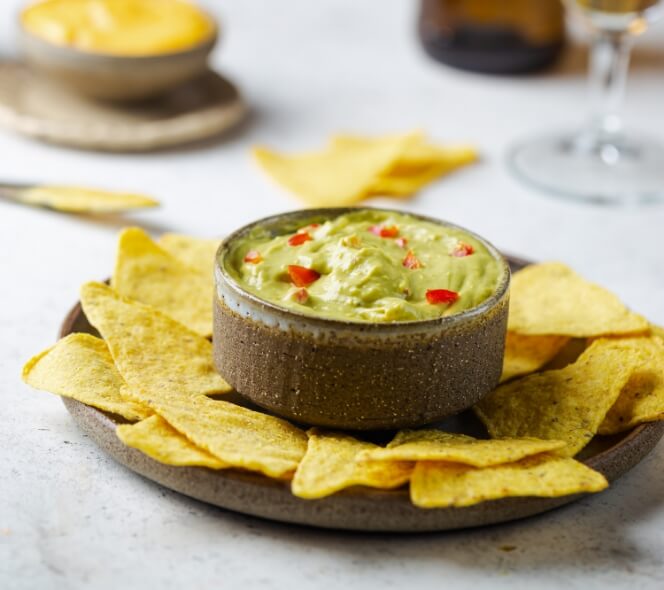
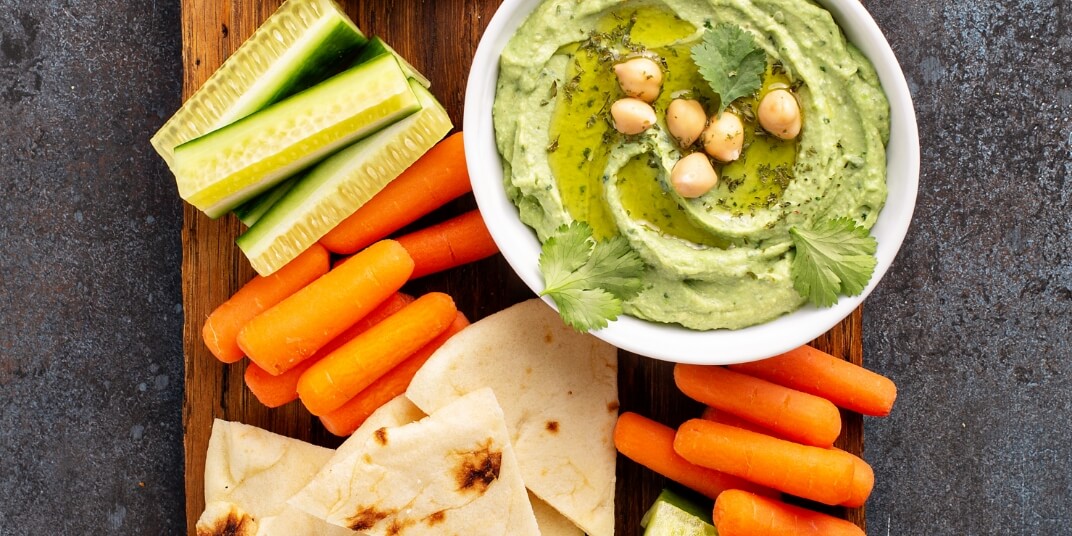
    Create a veggie snack dip with avocado hummus.

  • 4

    Make this easy-baked egg breakfast that includes tomatoes, spinach, and slices of fresh avocado.

  • 5

    Grill up some salmon and serve these refreshing tacos with avocado cabbage slaw.

nutrient boosting avocado
nutrient-dense icon

Did you know that when eaten alongside other foods that support eye health, avocados act as a nutrient booster and help the body absorb the fat-soluble nutrients found in those foods?

arrow

Will supplements help if you can’t get enough of these whole foods?

According to the American Academy of Nutrition and Dietetics, the best source of these nutrients comes from a diet for eye health featuring whole foods, not supplements. These nutrients naturally come packaged within the food to provide the most benefits.

For more avocado-inspired recipes, please visit our recipe section.