Avocados & Carbohydrates

What are Carbohydrates?

Carbohydrates, also known as carbs, are one of three main nutrients that provide us energy from our food.

Carbs can be classified as simple or complex.

  • Simple carbs give you quick bursts of energy and can be found in foods like maple syrup, honey and table sugar.
  • Complex carbs give you a slower, steadier supply of energy and can be found in foods like whole grains, nuts and seeds and a variety of fruits and vegetables.

Carbohydrates, or Carbs, in Avocado - Did You Know?

Carbs provide the body with energy.

1 serving of avocado contains
4g of carbs.

1 serving =
1/3 of a medium avocado (50 grams)

Fiber is a type of carb.


Carbohydrates: Meeting Daily Needs of Carbs

According to the Dietary Guidelines for Americans, most people should aim for between 45-65% of total calories from carbohydrates. In other words, if you eat 2000 calories per day, you should eat 225 – 325 grams of carbohydrates (900 – 1,300 calories). Also, choose a variety of nutrient-dense foods like fruits, vegetables, whole grains, nuts, legumes and seeds and limit intake of simple carbs which often contribute calories, but very little nutrition.1

Read More about Dietary Guidelines & MyPlate


Carbohydrates in Avocado - Avocado Fiber Content

What is Fiber?

Dietary fiber is a type of carb that is not easily digested and can be classified into two types: soluble and insoluble.

Soluble fiber slows digestion while insoluble fiber helps to speed the passage of foods through the stomach and intestines.2

Dietary fiber adds bulk to the diet and may help you feel fuller longer and help manage weight.

Most Americans do not eat enough dietary fiber. The average adult needs 28 -34 grams of dietary fiber each day.

Choose fiber-containing foods like:

  • Beans and legumes
  • Fruits and vegetables, including fresh avocados
  • Whole grain breads and cereals
  • Nuts and seeds

Avocado Fiber Content - Did You Know? 79% of an avocado’s weight is fiber and water. So, fiber-containing foods like avocados, help provide a feeling of fullness with fewer calories.

Avocados, Cholesterol & Plant Sterols

Avocados are a cholesterol-free & sugar-free food.

Cholesterol is a waxy, fat-like substance that’s found in all cells of the body and can be found in the foods you eat. Cholesterol travels through your bloodstream in small packages called lipoproteins. There are two kinds of lipoproteins that carry cholesterol throughout your body: low-density lipoproteins (LDL) and high-density lipoproteins (HDL). Having healthy levels of both types of lipoproteins is important. LDL cholesterol sometimes is called “bad” cholesterol as high levels of this type of cholesterol can cause a buildup of cholesterol in your arteries, which is a risk factor for coronary heart disease.

Plant sterols or phytosterols are a group of compounds or phytochemicals found in plants.

Did you know

Scientific evidence has documented the cholesterol-lowering effects of plant sterols.

Avocados are a fruit source of phytosterols and contain 38 milligrams of beta-sitosterol per 50g serving.


Avocados not only are a great tasting anytime snack, they also contain monounsaturated “good” fats and phytosterols.

They can also help Americans meet the dietary goals of the American Heart Association. According to the Dietary Guidelines for Americans, when monounsaturated fats are eaten in moderation and used in place of saturated or trans fats they can have a beneficial effect by helping to reduce bad cholesterol levels in your blood.


Love One Today Cholesterol free avocados


How Plant Sterols Affect The Body

Hass Avocado Board Director of Nutrition Nikki A. Ford, provides insight into the topic


What are plant sterols?

What are plant sterols?

Plant sterols or phytosterols, are a group of compounds or phytochemicals found in plants. In the 1950’s, phytosterols were found to have cholesterol-lowering properties. Plant sterols have a molecular structure similar to cholesterol. This allows them, to compete with dietary cholesterol for absorption in the intestines. The three most commonly occurring phytosterols are sitosterol, campesterol and stigmasterol.


Plant sterols and lifestyle

Plant sterols and lifestyle

Scientific evidence has documented the cholesterol-lowering effects of plant sterols. The National Cholesterol Education Program’s (NCEP) ATP III report recommends adopting lifestyle habits to reduce coronary heart disease risk, including a diet low in saturated fat and cholesterol, weight control and increased physical activity. As another component of the therapeutic lifestyle changes (TLC), the NCEP report recommends including 2 grams of plant sterols/day.1


Avocados and plant sterols

Avocados and plant sterols

In addition to food products fortified with plant sterols, certain whole foods contain naturally-occurring plant sterols, specifically vegetables, whole grains, oils, legumes, fruits and nuts. Avocados are a fruit source of phytosterols. Avocados contain 38 milligrams of beta-sitosterol per 50g serving. Beta-sitosterol is one of the three predominant phytosterols found in plants. These compounds can compete with dietary cholesterol during absorption by the intestines, thereby reducing cholesterol absorption.2


1 National Cholesterol Education Program. Third report of the expert panel on detection, evaluation, and treatment of high blood cholesterol in adults. NIH Pub.No. 02-5215. Bethesda, MD: National Heart, Lung, and Blood Institute, 2002.

2 Duester KC. Avocado fruit is a rich source of beta-sitosterol. J Am Diet Assoc. 2001;101:404-405.


Heart Health Month & Simple Ways to Add Avocados

FEBRUARY

February is National Heart Health Month!


Heart Disease prevention is important

  • Heart disease is the leading cause of death in the United States.i
  • About 600,000 people die of heart disease in the United States every year–that’s 1 in every 4 deaths.i
  • According to the Dietary Guidelines for Americans, 81.1 million Americans—37 percent of the population—have cardiovascular disease. Major risk factors include high levels of blood cholesterol and other lipids, type 2 diabetes, hypertension (high blood pressure), metabolic syndrome, overweight and obesity, physical inactivity, and tobacco use.


What You Can Do

  • According to the CDC regular exercise, maintaining a healthy weight, not smoking, limiting alcohol use and eating a healthy diet can help.
  • Choosing healthful meal and snack options can help you avoid heart disease and its complications. Be sure to eat plenty of fresh fruits and vegetables.
  • Eating foods low in saturated fat and cholesterol and high in fiber can help prevent high blood cholesterol. Limiting salt or sodium in your diet can also lower your blood pressure.

Really, Dietary Fiber

  • Diets rich in foods containing fiber, such as some vegetables and fruits, may reduce the risk of heart disease, obesity, and type 2 diabetes. In fact, dietary fiber from fruits, as part of an overall healthy diet, helps reduce blood cholesterol levels and may lower risk of heart disease
  • For more information on healthy diet and nutrition, see CDC’s Nutrition and Physical Activity Program WebsiteThe Dietary Guidelines for Americans agrees with the replacement of fats. According to the Dietary Guidelines, replacing saturated fats or trans fats with unsaturated fats can reduce bad cholesterol levels in your blood.

How Avocados Can Help

  • As a replacement for saturated or trans fats
    Avocados contain naturally good fats and are cholesterol free. Over 75% of the fat in an avocado is unsaturated, making it a great substitute for foods high in saturated fats
  • As a cholesterol-free fresh fruit with dietary fiber
    Avocados are a fresh fruit that provides good source of fiber, they contain 11% of your daily recommended value of fiber per 50g serving


Simple Ways to Add Avocados

You should always consult your physician or dietitian before starting a new diet but here are some simple ways to add avocados as part of your diet for any time of day.

SNACK

Avocado + Fruit or Veggies

Love One Today Avocado Shrimp Salad

Try fresh fruit with sliced avocado or mashed avocado and carrot sticks.


References:
1. Murphy SL, Xu JQ, Kochanek KD. Deaths: Final data for 2010. Natl Vital Stat Rep. 2013;61(4).

Avocados for Early Stages
From Pregnancy to School-Aged Kids

From pregnancy to first food, teach your little one avocado goodness from the very beginning.

Along with a baby’s first steps and first words, a child’s first solid foods are essential in early development. Like adults, most children can benefit from incorporating fruits and vegetables into their diet. Serving foods that are both nutritious and have a low-to-moderate sweet and salty flavor profile, such as avocados, can help children make healthy food choices later in life.


Avocados and pregnancy
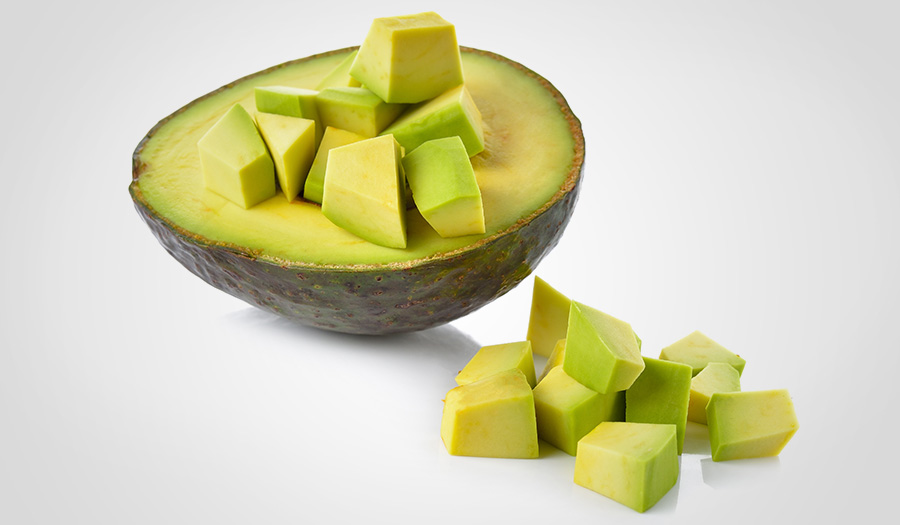
Diced avocado


Pregnancy

Nourish for health before baby arrives.

Maternal nutrition plays a crucial role in influencing fetal growth and birth outcomes and can also affect breast milk composition of certain nutrients. Avocados contain critical nutrients for fetal and infant health and development, such as:

  • Folate. Folate is important for the normal growth and development of your baby’s brain and spinal cord development. It helps produce and maintain new cells and it may reduce the risk for premature births and congenital disabilities. Avocados are a good source of folate per 50 g serving (one-third of a medium avocado)
  • Good Fats. Unsaturated fats are known to be essential for normal growth and development of the brain and central nervous system.
    Avocados have 6 g of unsaturated fat per 50 g serving.
  • Fiber. Low fiber intake is associated with an increased risk for gestational diabetes, which may hurt a developing baby. Avocados are a good source of fiber – 3 g of fiber per 50 g serving.
  • Potassium. An imbalance between sodium and potassium intake is associated with hypertension, which can result in the development of preeclampsia. Avocados have more potassium by weight than most other fruits and vegetables; they contain roughly 250 milligrams of potassium per 50 g serving and are sodium-free, which can help pregnant women meet the recommendations of the Dietary Guidelines for Americans.
  • Lutein. It represents roughly 25% of the carotenoids (plant compounds that promote human health) found in breast milk during the first few days of breastfeeding, and lutein levels continue to increase to nearly 50% by the end of the first month. Lutein is the most abundant carotenoid in avocados at 136 micrograms; plus, avocados help with lutein absorption more than other food with low or no fat content.


Avocados and pregnancy


Babies & Infants

Start with fresh avocados.

Complementing breast milk or infant formula with solid food is a big milestone. When the time comes to begin the transition, consult your pediatrician on ways to celebrate this first step with nutritious, fresh avocado.

  • The healthy avocado — soft, neutrally flavored, and nutrient-dense — appears to be one of the most ideal complementary and transitional foods available, a great gateway food to more nutritional eating patterns across the lifespan.
  • Avocados can be introduced in the early feeding stages as a sugar-free fruit option, potentially preventing an early preference for sweet foods.

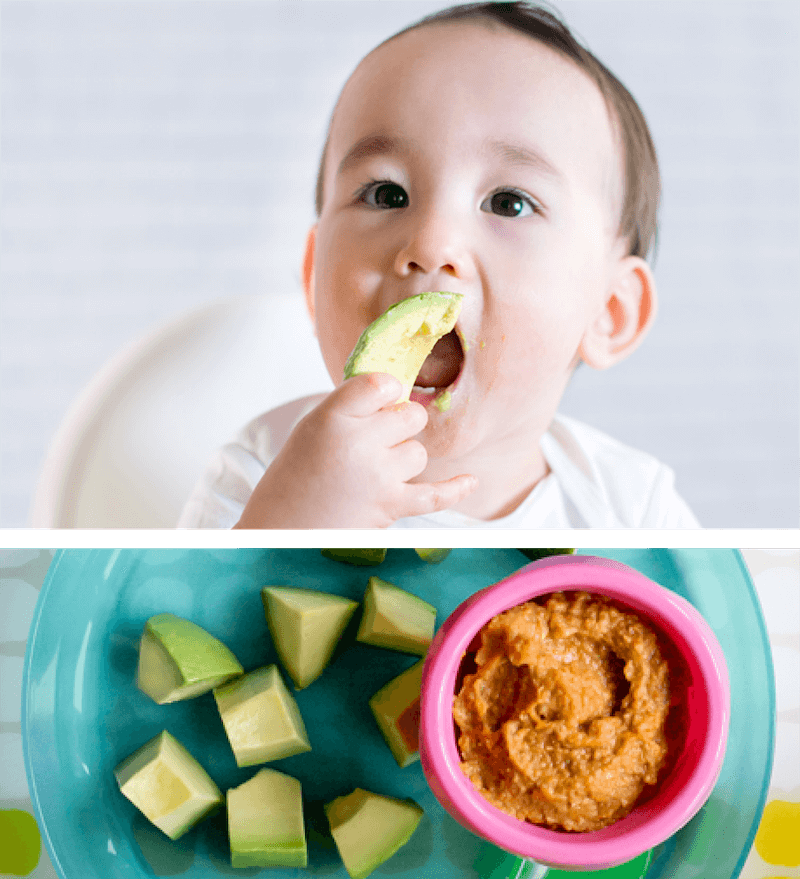
The smooth, creamy consistency makes it an easy first choice. Try out these simple recipes that baby will love:

Baby Food Avocado Chicken Puree

Avocado Pear Baby Purée

Sweet Potato and Avocado Baby Food Mash-Up


Avocados and infants

Sweet Potato and Avocado Baby Food Mash-Up


Avocado and Toddlers

Green Power Smoothie


Toddlers

Kickstart healthy eating.

  • Dietary habits started in childhood often carry on for years to come. Teaching children how to enjoy nutritious foods at a young age can help set them up for success. Avocados are a nutrient-dense, kid-friendly fruit with flavor and texture they’ll love. Avocados contain five essential nutrients for toddlers (ages 1-3) — fiber (2 grams), vitamin C (2 milligrams), magnesium (10 milligrams), folate (20 micrograms), and vitamin K (5 micrograms) per 25-gram serving.
  • The CDC recommends offering children a variety of fruits, vegetables, whole grains, meats, and yogurt or cheeses. Include avocado to make a rainbow of different colored foods on your child’s plate.
  • According to the Academy of Pediatrics, choosing nutritious foods and having a low-to-moderate sweet and salty flavor profile may help children make healthy food choices as they grow. Start with simple snacks like small slices of avocado on toast or fresh guacamole with sliced carrots and whole-grain crackers.

Avocado Spinach and Artichoke Spread

Open-faced Traditional Bolillo with Avocado and Cottage Cheese


Avocado and Toddlers

Green Power Smoothie


Pre-School & School-Age Kids

Learn and grow together.

As a parent, you set the examples of healthy eating habits for your children, now and for the future. One easy way to develop healthy food habits, especially for picky eaters, is to make food fun and engaging. Healthy avocados can add both color and creamy texture to meals, not only for you but also for children. Recipes that present foods in a fun manner are a great start to adding creativity to your child’s diet.

  • Fruits and vegetables are full of vitamins and minerals that help kids feel healthy and energized. One-third of a medium avocado (50 grams) has 80 calories and contributes nearly 20 vitamins and minerals, making it a healthy, nutrient-dense choice.
  • When eaten with other foods, avocados act as a nutrient booster and help the body absorb the fat-soluble nutrients found in those foods. Teach kids simple recipes that combine avocados with other favorite ingredients
  • Avocados deliver essential nutrients for growing kids and are easy to peel, cut, and prepare for breakfast smoothies, lunch boxes, after-school snacks, and more.

Avocado Berry After-School Snacks

Tortilla Crepe-Avocado with Apple and Peanut Butter


Avocados and kids

Tortilla Crepe-Avocado with Apple and Peanut Butter


Before starting or introducing new foods, parents/caregivers should consult a physician or health-care provider.


Free Guide

Mix, Mash and Love One Today

What’s Inside: Simple avocado mashipes. What Makes for an Appropriate First Food? Consistency, Nutrient Density, and Freshness.

Avocados & Belly Fat


Fight Belly Fat with a Healthy Diet

Mayo Clinic (Mayo Foundation for Medical Education and Research) suggests eating a healthy diet as a way to help fight belly fat, including emphasizing plant-based foods and replacing saturated fats with unsaturated fats while keeping portion sizes in check. Avocados are a nutrient-dense fruit and a source of naturally good fats—both monounsaturated and polyunsaturated fats. One-third of a medium avocado (50g) has 80 calories and nearly 20 vitamins and minerals.


Avocados & Sugar

Different Types of Sugar in Food

There are different types of sugar in food. Common ones include:

Fruit Sugar
fructose

Milk Sugar
lactose

Table Sugar
sucrose

Like other whole foods, fruit sugar levels vary widely. But, foods naturally containing sugars usually provide essential vitamins, minerals, and fiber, making them nutrient-dense.

Added sugars, which include syrups, honey, and concentrated fruit juices, are found in processed foods. Americans get most of their added sugars in sugar-sweetened beverages, baked goods, desserts, and sweets. These foods add calories without nutrients, so they’re considered empty calories.

The American Heart Association recommends you limit your intake of added sugars.

Men should limit their added sugar intake to 9 teaspoons (36 grams) a day.

Women should eat no more than six teaspoons (25 grams) of added sugar a day.

There is currently no recommended limit for eating naturally occurring sugars but eating too much of any sugar can have negative effects on your health.

Unlike most varieties of fruit, the avocado sugar content is 0 – natural or added.


Avocado Sugar Content: Avocados are sugar-free.

Unlike most varieties of fruit, healthy avocados do not contain sugar, making them a great way to help meet your daily recommended intake of fruits and vegetables – without adding a lot of sugar. Avocados are a single-seeded berry in fact despite often being confused as a vegetable.


sugar in avocados salad

Easy ways that avocados can be incorporated for their creaminess in place of other foods with lots of sugar:

  • As Part of Vegetable Salad or Fruit Salad – Increase fruit intake without adding a lot of sugar, they go great with greens or fresh fruits and add a savory flavor. Try one of these avocado salad recipes
  • Avocado Snack – Enjoy slices of avocado plain or with cottage cheese, hummus, or greek yogurt


Sugar Content in Fruits & Avocados:

A High to Low Comparison Chart of Sugar Content.

IMAGES DO NOT REPRESENT ACTUAL SERVING SIZE
*total grams of sugar per RACC


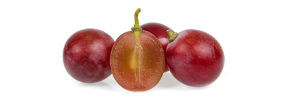
Love One Today Sugar Comparison Avocado and Grapes
Grapes (140g) =
Sugar Content: 22.75g*


Love One Today Sugar Comparison Avocado and Sweet Cherries
Sweet Cherries (140g) =
Sugar Content: 17.95g*


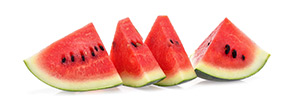
Love One Today Sugar Comparison Avocado and Watermelon
Watermelon (280g) =
Sugar Content: 17.36g*


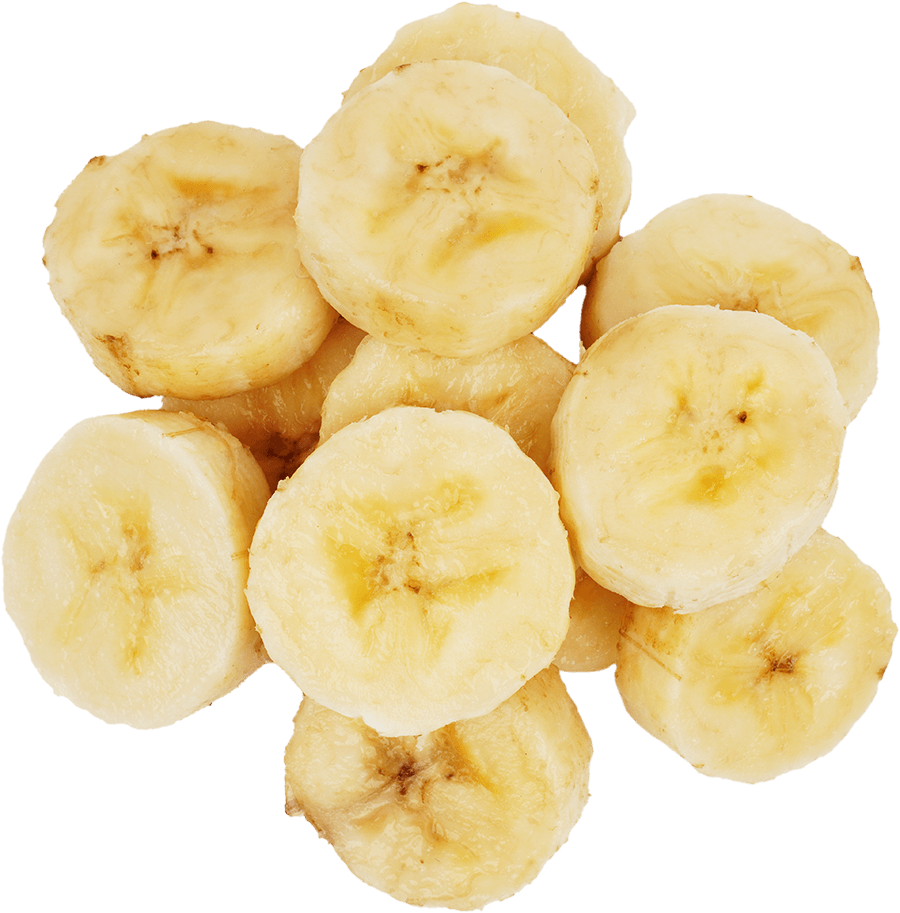
Love One Today Sugar Comparison Avocado and Banana
Banana (140g) =
Sugar Content: 17.12g*


Love One Today Sugar Comparison Avocado and Tangerine
Tangerine (140g) =
Sugar Content: 14.81g*


Love One Today Sugar Comparison Avocado and Apples
Apple (140g) =
Sugar Content: 14.55g*


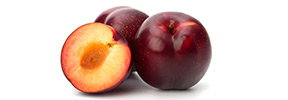
Love One Today Sugar Comparison Avocado and Plums
Plums (140g) =
Sugar Content: 13.89g*


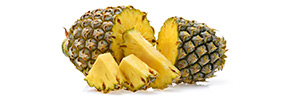
Love One Today Sugar Comparison Avocado and Pineapple
Pineapple (140g) =
Sugar Content: 13.79g*


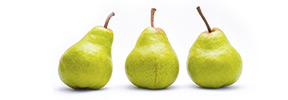
Love One Today Sugar Comparison Avocado and Pear
Pear (140g) =
Sugar Content: 13.65g*


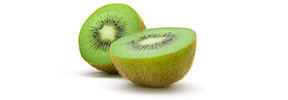
Love One Today Sugar Comparison Avocado and Kiwifruit
Kiwifruit (140g) =
Sugar Content: 12.59g*


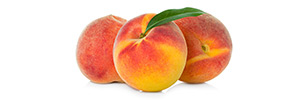
Love One Today Sugar Comparison Avocado and Peach
Peach (140g) =
Sugar Content: 11.75g*


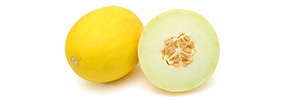
Love One Today Sugar Comparison Avocado and Honeydew Melon
Honeydew Melon (140g) =
Sugar Content: 11.37g*


Love One Today Sugar Comparison Avocado and Nectarine
Nectarine (140g) =
Sugar Content: 11.05g*


Love One Today Sugar Comparison Avocado and Cantaloupe
Cantaloupe (140g) =
Sugar Content: 11.00g*


Love One Today Sugar Comparison Avocado and CantaloupeGrapefruit
Grapefruit (140g) =
Sugar Content: 9.77g*


Love One Today Sugar Comparison Avocado and Orange
Orange (140g) =
Sugar Content: 9.35g*


Love One Today Sugar Comparison Avocado and Strawberries
Strawberries (140g) =
Sugar Content: 6.85g*


Love One Today Sugar Comparison Avocado and Lemon
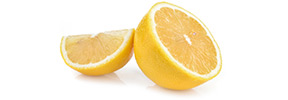
Lemon (50g) =
Sugar Content: 1.25g*


Love One Today Sugar Comparison Avocado and Lime
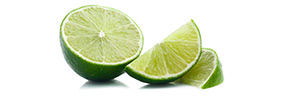
Lime (50g) =
Sugar Content: 0.84g*


Love One Today Sugar Comparison Avocado and Avocado
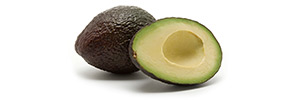
Avocado (50g) =
Sugar Content: 0g*


More information on sugar content of all fruits is available at: USDA Nutrient Database


Avocado & Fat-Soluble Vitamins

Fat-soluble vitamins require dietary fat for optimal absorption in the body. These vitamins support immune function, vision, bone health, and blood clotting, but without sufficient fat in your diet, your body may not absorb them properly. This article reviews avocados and fat-soluable vitamins.

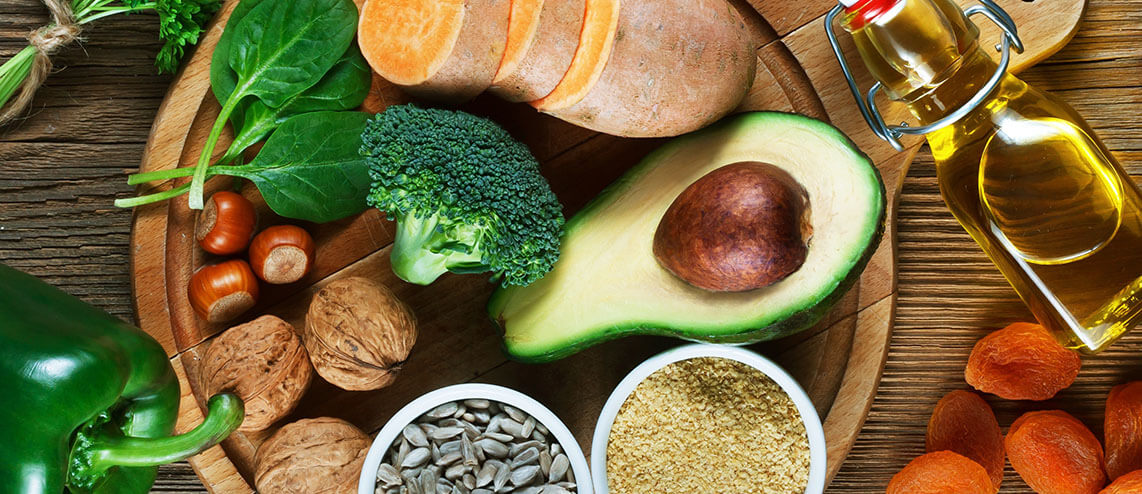
Fat-soluble vitamins include:

  • Vitamin A:
    You can find this vitamin in carrots, kale, and sweet potatoes
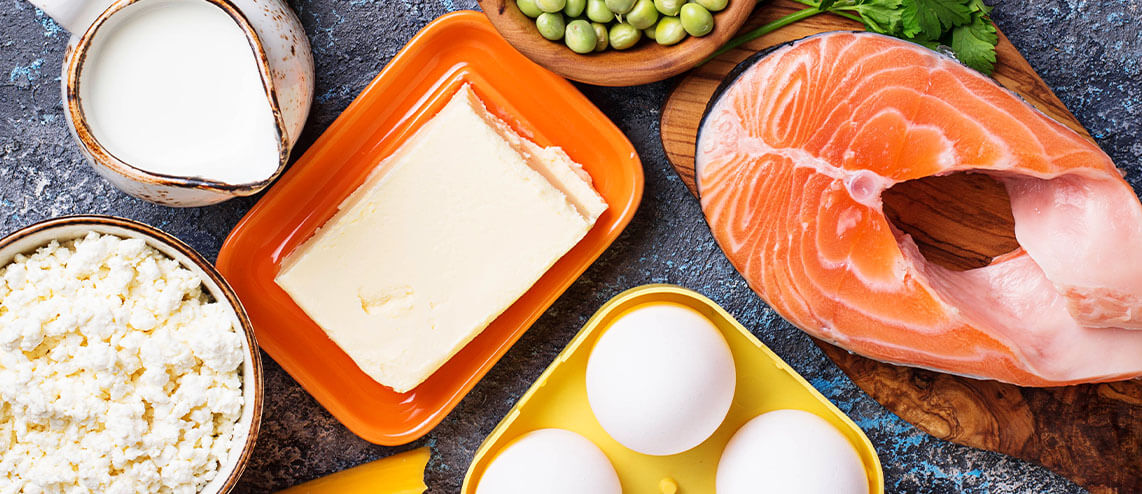
  • Vitamin D:
    Vitamin D is found in fatty fish and fortified dairy.
  • Vitamin E:
    This vitamin is in nuts, greens, and fruits like papaya.
  • Vitamin K:
    This vitamin is in broccoli, spinach, and eggs.

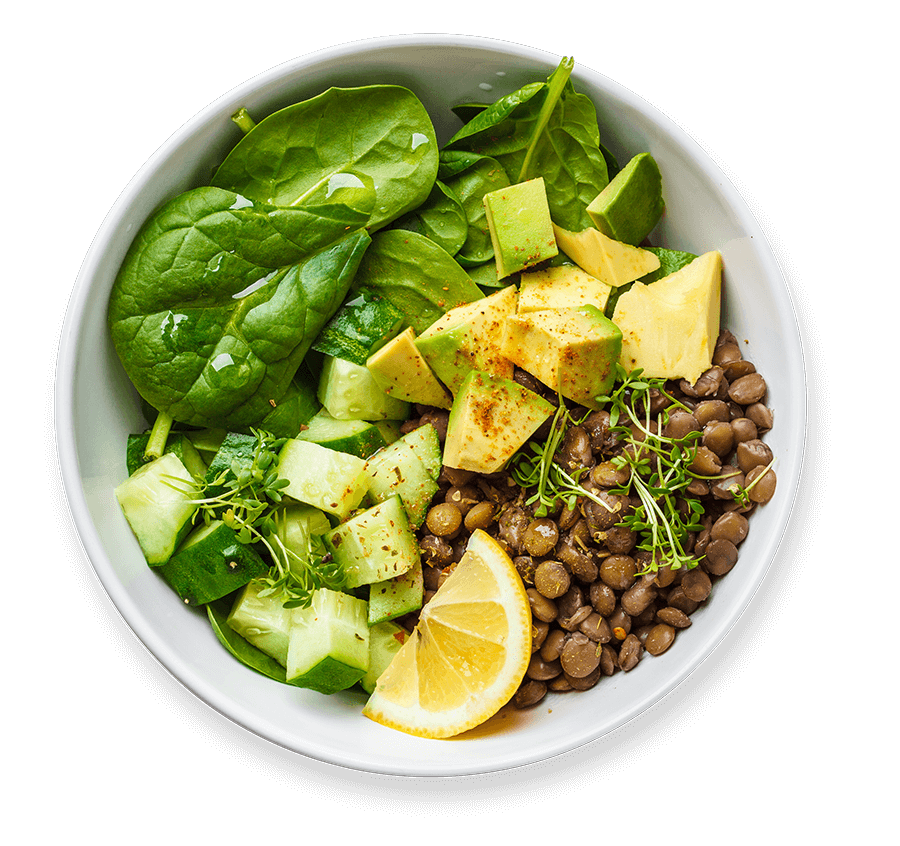
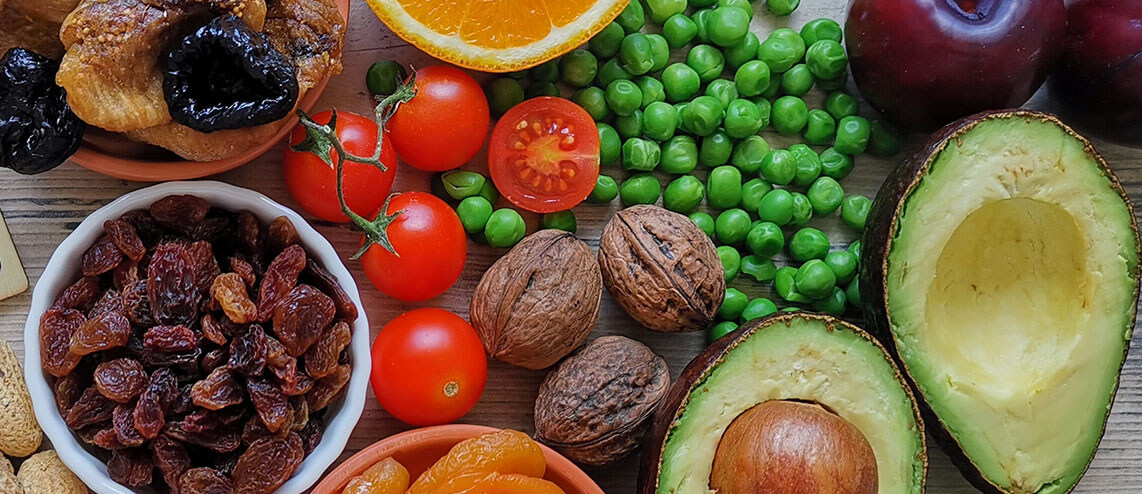
avocado spinach and beans bowl

Since avocados provide 5 g of monounsaturated fats per 50 g serving, they can help your digestive system absorb these essential nutrients more efficiently. Whether added to salads, blended into smoothies, or featured in dishes like avocado pumpkin pie or avocado mashed potatoes, avocados help turn nutrient-rich meals into nutrient-absorbing powerhouses. In addition to promoting nutrient absorption, the unsaturated fats in avocados may also help lower blood cholesterol levels and support heart health.
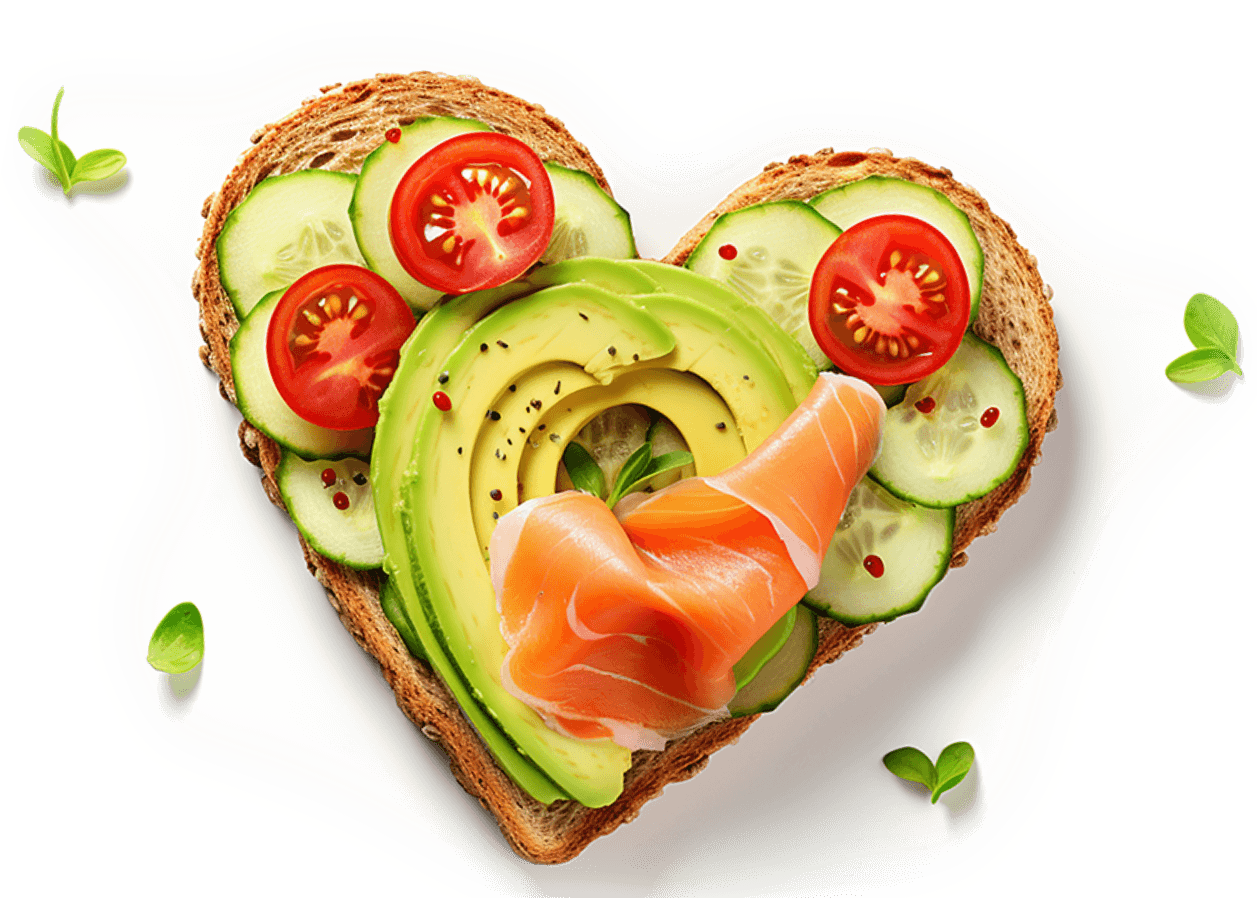
heart avocado toast

Fat-Soluble Vitamins and Avocados

Not all fats are created equal, and the unsaturated fats in foods like avocados play a key role in helping your body absorb and utilize essential nutrients. These healthy fats are crucial for absorbing fat-soluble vitamins such as A, D, E, and K, ensuring that your body can effectively use them for vital functions like immune support, bone health, and cell growth. In addition to promoting nutrient absorption, the unsaturated fats in avocados may also help lower blood cholesterol levels and support heart health.


heart avocado toast

What Are Fat-Soluble Vitamins?

Fat-soluble vitamins are a group of vitamins that dissolve in fat and are stored in your body’s liver and fatty tissues for later use. Unlike water-soluble vitamins, which need to be replenished regularly because they are excreted through urine, fat-soluble vitamins can be stored for longer periods. These vitamins—A, D, E, and K—play vital roles in supporting essential functions like immune health, vision, bone strength, and blood clotting. Since they require dietary fats for absorption, consuming foods that contain healthy fats, such as avocados, helps ensure your body can effectively absorb and use these vitamins.

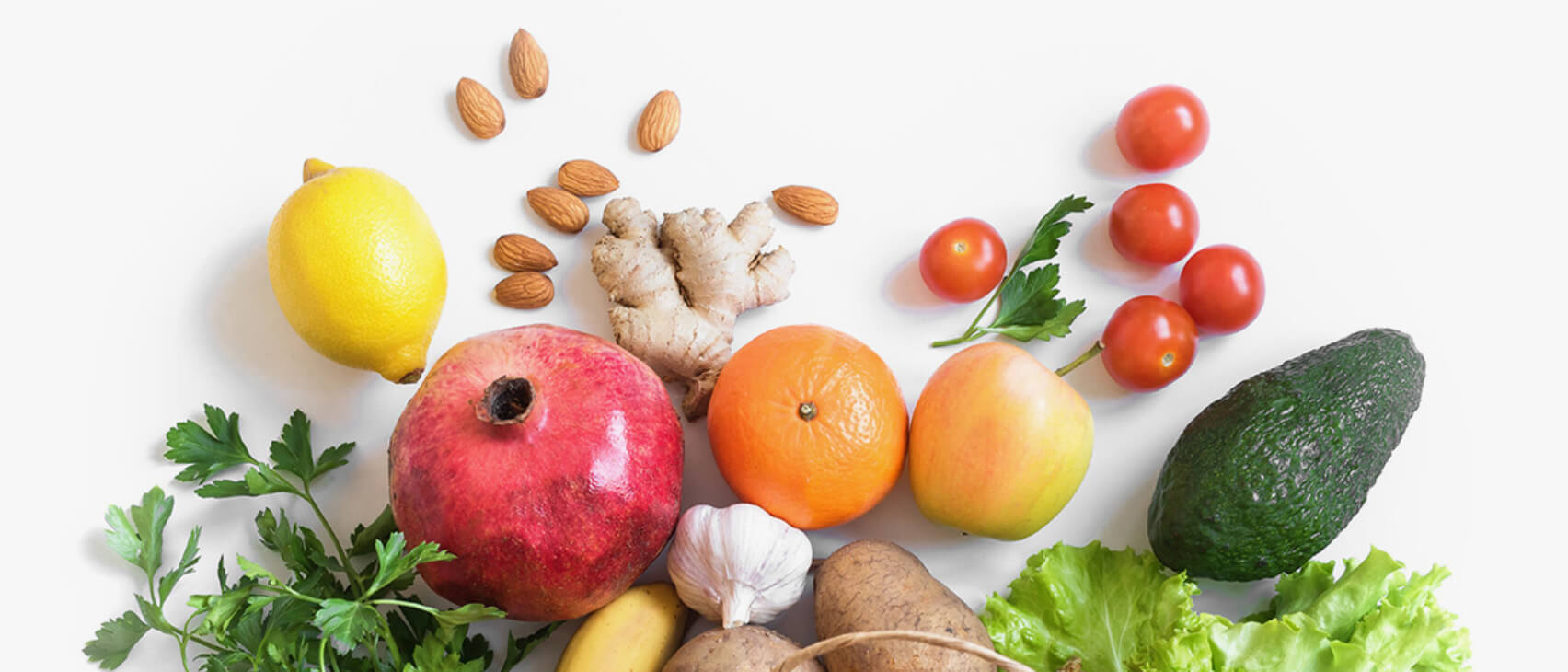
fruits and veggies spread

Fat-soluble Vitamins A, K, E, and D

Each fat-soluble vitamin is unique and serves a different purpose in aiding the body. Let’s look at each vitamin and how it helps the body function.

VITAMIN A

Vitamin A, also known as retinol, is a fat-soluble vitamin that plays an essential role in supporting your immune system and promoting overall health. Vitamin A helps by supporting the growth of white blood cells, which help fight infections.

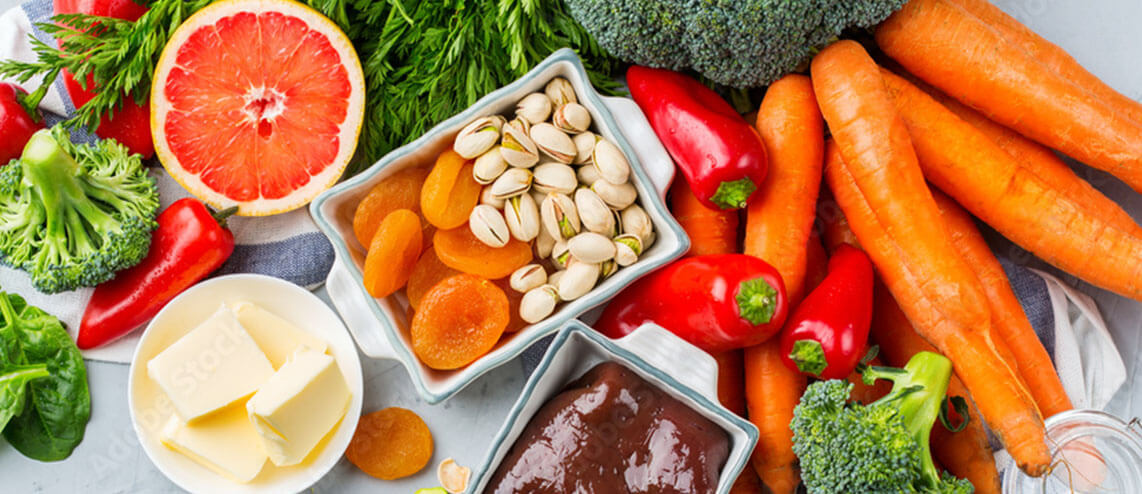
Although you can take a vitamin A supplement, it’s best to prioritize eating foods that naturally contain vitamin A, such as:

  • Liver, beef, and fish
  • Dairy products
  • Squash
  • Kale
  • Sweet Potato
  • Apricots
  • Tomato
  • Carrots
  • Egg Yolks
  • Mangos
  • Spinach
  • Cantaloupe

Some of these foods, like squash, kale, egg yolks, mangos, and spinach, also have other fat-soluble vitamins, making them excellent additions to a nutrient-dense diet.

VITAMIN K

As a fat-soluble vitamin, vitamin K’s primary purpose is to clot blood and maintain the integrity of your bones. Vitamin K does this by producing proteins that are essential in the blood clotting process.

To prevent extensive blood clotting, it’s best to prioritize eating foods high in vitamin K, such as:

  • Broccoli
  • Dark green vegetables (including Brussels sprouts)
  • Cauliflower
  • Asparagus
  • Cabbage
  • Cereals
  • Dark leafy vegetables
  • Fish, liver, beef, and eggs
  • Avocados

Broccoli and asparagus also feature vitamin E, another fat-soluble vitamin you need in your diet.

VITAMIN E

Like vitamins A and K, vitamin E is crucial for supporting your immune system. Known as tocopherol, vitamin E primarily aids in the formation of red blood cells and acts as a powerful antioxidant. It helps protect cells from damage caused by free radicals, which are linked to cancer, heart disease, and other age-related conditions.

Vitamin E naturally occurs in plenty of food sources, including:

  • Avocado
  • Seeds and nuts
  • Dark green vegetables
  • Oils
  • Papaya
  • Wheat germ

Avocados are an excellent choice because one serving not only provides 7% of vitamin E but also provides 6 grams of healthy fats, which help your body absorb this and other fat-soluble vitamins more effectively.

VITAMIN D

Vitamin D, or calciferol, plays a crucial role in many essential bodily functions. It aids in the absorption of calcium, which is important for maintaining healthy teeth and bones. Additionally, it supports cell growth, helps regulate glucose levels, and strengthens the immune system.

Unlike other vitamins, vitamin D can be produced by your body when exposed to sunlight. UV rays from the sun trigger vitamin D synthesis in your skin. You can also get vitamin D from natural food sources such as:

  • Fortified milk and dairy products like cheese and yogurt
  • Fatty fish, like salmon

While increasing your daily exposure to sunlight can boost vitamin D levels, it’s important to balance sun exposure with skin protection. Using sunscreen reduces the risk of UV-related skin damage, and short periods of sun exposure can still help maintain vitamin D levels without increasing your skin cancer risk.

How Good Fats Help You Absorb More Vitamins

Fat-soluble vitamins (A, D, E, and K) require dietary fat to be effectively absorbed by the body. These vitamins dissolve in fat during digestion, allowing them to enter the bloodstream and perform critical functions like supporting immune health, vision, and bone strength. Without enough fat in your diet, even if you consume sufficient amounts of these vitamins, your body may not fully absorb them, potentially leading to deficiencies over time.

heart avocado toast

The Good Fats In Avocados

Avocados provide 5 grams of monounsaturated fats per serving, which not only promote heart health by lowering LDL (“bad”) cholesterol and raising HDL (“good”) cholesterol, but also play a crucial role in enhancing the absorption of fat-soluble vitamins. Unlike foods high in saturated fats, which can increase the risk of heart disease, the healthy fats in avocados support better nutrient uptake.

Adding avocados to your diet may ensure that your body fully absorbs and utilizes essential vitamins like A, D, E, and K. Whether eaten with salads, in smoothies, or as part of a balanced meal, avocados can act as a nutrient booster, improving the bioavailability (easy and quick absorption) of these important vitamins. This makes avocados an excellent addition to meals that are rich in these vitamins, helping you maximize their health benefits for immune support, bone health, and cell growth.

heart avocado toast