Avocado Nutrient-Dense & Nutrient Booster

AVOCADO VITAMINS, MINERALS, & PHYTONUTRIENTS

Fresh avocados are a nutrient-dense fruit

What does nutrient-dense mean?

Nutrient-dense foods provide vitamins, minerals, and other substances that may have positive health effects, with relatively few calories. Nutrient-dense foods also minimize or exclude added salt or other compounds high in sodium.

Why is nutrient density important?

According to the Dietary Guidelines for Americans, nutrient-dense foods are those foods that provide vitamins, minerals, and other substances that may have positive health effects, with relatively few calories. They are lean or low in solid fats, and minimize or exclude added solid fats, added sugars, and added refined starches, as these add calories but few essential nutrients or dietary fiber. Ideally, they are in forms that retain naturally occurring components such as dietary fiber.1
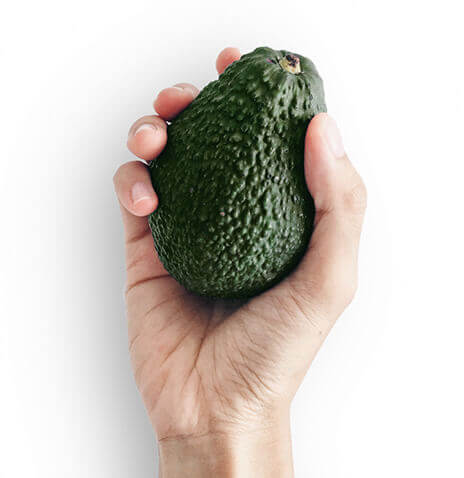
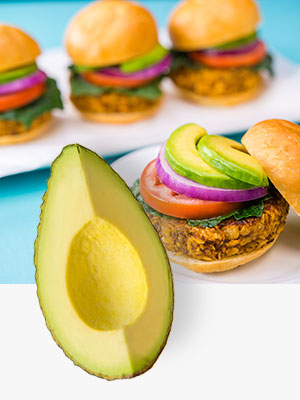
hand holding avocado

What Minerals, Phytonutrients, & Vitamins are in Avocados?
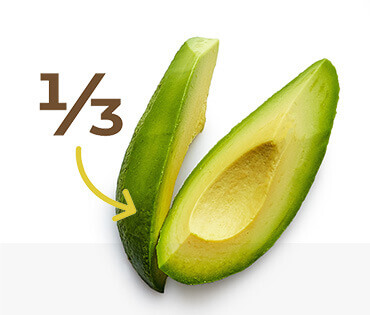
serving of avocado

Avocados contribute nearly 20 vitamins, minerals and phytonutrients per 50g serving (1/3 of a medium avocado)

Iron

Amount per serving:
(50g) 1/3 medium avocado

0.3mg (2% DV)

MINERAL

Health Benefits: Iron, as part of hemoglobin or myoglobin, carries oxygen throughout your body so cells can produce energy. When levels of iron are low, fatigue, weakness and poor tolerance to temperature extremes often result.

Magnesium

Amount per serving:
(50g) 1/3 medium avocado

15mg (4% DV)

MINERAL

Health Benefits: Magnesium in the body serves several important functions: contraction and relaxation of muscles, function of certain enzymes in the body, production and transport of energy, production of protein.

Potassium

Amount per serving:
(50g) 1/3 medium avocado

250mg (6% DV)

MINERAL

Health Benefits: Dietary potassium maintains healthy blood pressure by blunting the adverse effects of sodium on blood pressure. Other possible benefits of an eating pattern rich in potassium include a reduced risk of developing kidney stones and decreased bone loss.

Dietary Fiber

Amount per serving:
(50g) 1/3 medium avocado

3g (11% DV)

PHYTONUTRIENTS

Health Benefits: Dietary fiber is the non-digestible form of carbohydrates and lignin. Dietary fiber naturally occurs in plants, helps provide a feeling of fullness, and is important in promoting healthy laxation. Dietary fiber that occurs naturally in foods may help reduce the risk of cardiovascular disease, obesity, and type 2 diabetes. Children and adults should consume foods naturally high in dietary fiber in order to increase nutrient density, promote healthy lipid profiles and glucose tolerance, and ensure normal gastrointestinal function.1,2

Folate/Folic Acid

Amount per serving:
(50g) 1/3 medium avocado

45mcg (10% DV)

PHYTONUTRIENTS

Health Benefits: Folate helps produce and maintain new cells. This is especially important during periods of rapid cell division and growth such as infancy and pregnancy. Folate is needed to make DNA and RNA, the building blocks of cells. Both adults and children need folate to make normal red blood cells and prevent anemia. Folate is also essential for the metabolism of homocysteine, and helps maintain normal levels of this amino acid.3

Riboflavin (Vitamin B2)

Amount per serving:
(50g) 1/3 medium avocado

0.1mg (8% DV)

VITAMIN

Health Benefits: Riboflavin (vitamin B2) works with the other B vitamins. It is important for body growth and red blood cell production and helps in releasing energy from carbohydrates.

Pantothenic Acid (Vitamin B5)

Amount per serving:
(50g) 1/3 medium avocado

0.7mg (15% DV)

VITAMIN

Health Benefits: Pantothenic acid, is a B-vitamin and is essential for growth. Along with biotin, it helps the body break down and use food. Pantothenic acid also plays a role in the production of hormones and cholesterol.4

Pyridoxine (Vitamin B6)

Amount per serving:
(50g) 1/3 medium avocado

0.1mg (6% DV)

VITAMIN

Health Benefits: Pyridoxine (vitamin B6), also a B-vitamin, helps the body to: make antibodies (antibodies are needed to fight many diseases), maintain normal nerve function, make hemoglobin (hemoglobin carries oxygen in the red blood cells to the tissues), break down proteins and keep blood sugar (glucose) in normal ranges.

Thiamin (Vitamin B1)

Amount per serving:
(50g) 1/3 medium avocado

0.04mg (4% DV)

VITAMIN

Health Benefits: Thiamin (vitamin B1), also one of the B-vitamins, helps the body’s cells convert carbohydrates into energy. It is also essential for the functioning of the heart, muscles, and nervous system.

Vitamin E

Amount per serving:
(50g) 1/3 medium avocado

1mg (6% DV)

VITAMIN

Health Benefits: The body also needs vitamin E to boost its immune system so that it can fight off invading bacteria and viruses. It helps to widen blood vessels and keep blood from clotting within them. In addition, cells use vitamin E to interact with each other and to carry out many important functions.5

Vitamin C (Ascorbic Acid)

Amount per serving:
(50g) 1/3 medium avocado

4mg (4% DV)

VITAMIN

Health Benefits: Vitamin C is important for your skin, bones, and connective tissue. It promotes healing and helps the body absorb iron.1

Vitamin K

Amount per serving:
(50g) 1/3 medium avocado

11mcg (10% DV)

VITAMIN

Health Benefits: Vitamin K helps your body by making proteins for healthy bones and tissues. It also makes proteins for blood clotting. If you don’t have enough vitamin K, you may bleed too much.1

Niacin (Vitamin B3)

Amount per serving:
(50g) 1/3 medium avocado

1mg (6% DV)

VITAMIN

Health Benefits: Niacin, a B-vitamin, helps the digestive system, skin and nerves to function. It is also important for converting food to energy.

Vitamins in Avocados

Avocados – the Nutrient Booster

Healthy avocados can act as a “nutrient booster” by helping increase the absorption of fat-soluble nutrients like vitamin A.

Why increasing absorption of these nutrients matters: Alpha- and beta-carotene can form Vitamin A in the body, which is important for proper growth and reproduction as well as good eyesight. Vitamin A is involved in immune functions, vision and cellular function. Vitamin A also supports cellular growth and differentiation, playing a critical role in the normal formation and maintenance of the heart, lungs, kidneys, and other organs.

Some food sources of vitamin A include:

Nutrition for Healthy Living and Healthy Aging with Avocados

Healthy Living Starts from Within

Positive health begins with a healthy diet or meal plan. Choosing quality nutrient-dense foods can have health benefits as we age. In fact, the Dietary Guidelines for Americans recommends choosing more nutrient-dense foods to meet your nutrient needs while balancing calories.

Nutrient-Dense

With nearly 20 vitamins, minerals and phytonutrients per 50g serving, avocados are a good nutrient choice.

Nutrient-Booster

Avocados can act as a booster by helping the body better absorb fat-soluble nutrients from foods that are eaten with them.


Avocado Benefits for Healthy Living


Nutrition for Healthy Living

As a nutrient-dense food, avocados can be a part of a healthy lifestyle and contribute to the nutrient quality of your diet.

  • Naturally good fats
  • Fresh avocados are a nutrient-dense fruit
  • One ounce serving contains 136 micrograms of lutein per 50g serving. Lutein is a plant pigment found in the macula of the eye, and some research suggest that it may help maintain healthy eyesight as we age

Benefits of A Plant-Based Diet

Eating more fruits and vegetables, as well as other plant-based foods, may be one of the best things you can do for your health

In fact, according to the Dietary Guidelines for Americans, eating a variety of fruits and vegetables, like avocados, is associated with a reduced risk of many chronic diseases, including heart disease, and may be protective against certain types of cancers. The Dietary Guidelines has outlined three healthy eating patterns to help promote overall health and prevent chronic disease.

The Healthy US-Style is based on a traditional American diet, but focuses on the selection of more nutrient-dense food options in proper amounts.


The Healthy Mediterranean-Style emphasizes fruits and vegetables, whole grains, and good fats from nuts, fish, and olive oil with small amounts of meat and dairy.


The Healthy Vegetarian-Style is typically higher in fiber and incorporates more plant-based proteins and whole grains, while eliminating meat, poultry, and seafood.


Fresh avocados can fit within all three of the healthy eating patterns outlined in the 2015 Dietary Guidelines for Americans.


It’s easy to make great-tasting plant-based meals while adhering to the Dietary Guidelines.

Here are some quick tips to get you started:

  • Make plants the star of your plate with two or more meatless meals each week. Start off the week with “Meatless Monday”.
  • Snack on fresh fruit or vegetables between meals. Try a smoothie with fresh avocado.
  • Add nuts and seeds to salads to add protein and crunch.
  • Use sliced avocado for a creamy texture in salads or on sandwiches.
  • Add beans, pasta, or grains to soups or power bowls and top with sliced avocado.


The 2,000 Calorie Plant-Based Eating Plan

A 50g serving of fresh avocados counts as a fruit serving!


The Healthy Mediterranean-Style eating pattern includes the following servings of each of the food groups for a 2,000-calorie diet:

  • Grains* = 6 oz. (1 ounce-equivalent = 1 slice of bread, 1/2 cup cooked pasta, 1 cup cereal)
  • Vegetables = 2.5 cups
  • Fruits = 2.5 cups
  • Dairy = 2 cups
  • Protein** = 6.5 oz. (1 ounce-equivalent = 1 oz. lean meat, poultry, or seafood; 1 egg; 1/4 cup cooked beans or tofu; 1 Tbsp peanut butter; 1/2 ounce nuts or seeds)
  • Oils = 27 grams (approximately 2 Tbsp olive oil)

*Whole grains are recommended for most grain servings as a good source of fiber.
**Choose plant-based proteins and/or seafood: 15 oz. seafood and 5 oz. of nuts/seeds/tofu are recommended each week as part of the Healthy mediterranean Diet.

Avocado How-To's

HOW DO YOU PICK AND BUY FRESH AVOCADOS?

Learn how to pick the perfect avocado and when a fresh avocado is ripe.

Dietary Guidelines, MyPlate Food Guide & Where Avocados Fit In

Start Simple with MyPlate!

Based on the Dietary Guidelines for Americans, MyPlate is designed to remind Americans to make better food choices and eat healthfully. It illustrates five food groups-fruits, vegetables, grains, protein, and dairy-to encourage choosing nutrient-dense foods each day when building a healthier diet.


Did you know fresh avocados can be part of the MyPlate food guide?

MyPlate Food Guides & Where Avocados Fit in

  • Make half your plate fruits and vegetables.

    Avocados are a nutrient-dense fruit with naturally good fats and are easily incorporated into various meals and snacks. One serving (50g or one-third of a medium avocado) has only 80 calories and contributes nearly 20 vitamins, minerals, and phytonutrients along with dietary fiber.

  • Choose an eating style low in saturated fat, sodium, and added sugars.

    Over 75% of the fat in fresh avocados is the good unsaturated variety. Plus, avocados are naturally sugar- and sodium-free.

  • Make small changes work for you

    Simply adding fresh avocado to your favorite foods or swapping it in place of unhealthy spreads, dips, or other fats can add up.

  • It’s never too early or too late to eat healthier

    Advice to eat more vegetables and fruits (like avocados) is consistent across the lifespan. The Dietary Guidelines for Americans recommend exposing young children to various nutrient-dense foods while building their taste preferences. Avocados are kid-friendly as they provide great taste, fun texture, and valuable nutrients.

  • Mom’s diet matters

    Avocados can be part of a healthy diet for both pregnant and nursing moms. They are a good source of folate for healthy brain and spinal cord development and contribute 6 grams of unsaturated fats per serving. Unsaturated fats are essential for the normal growth and development of the brain and central nervous system.


How Avocados Fit Into MyPlate Food Guide

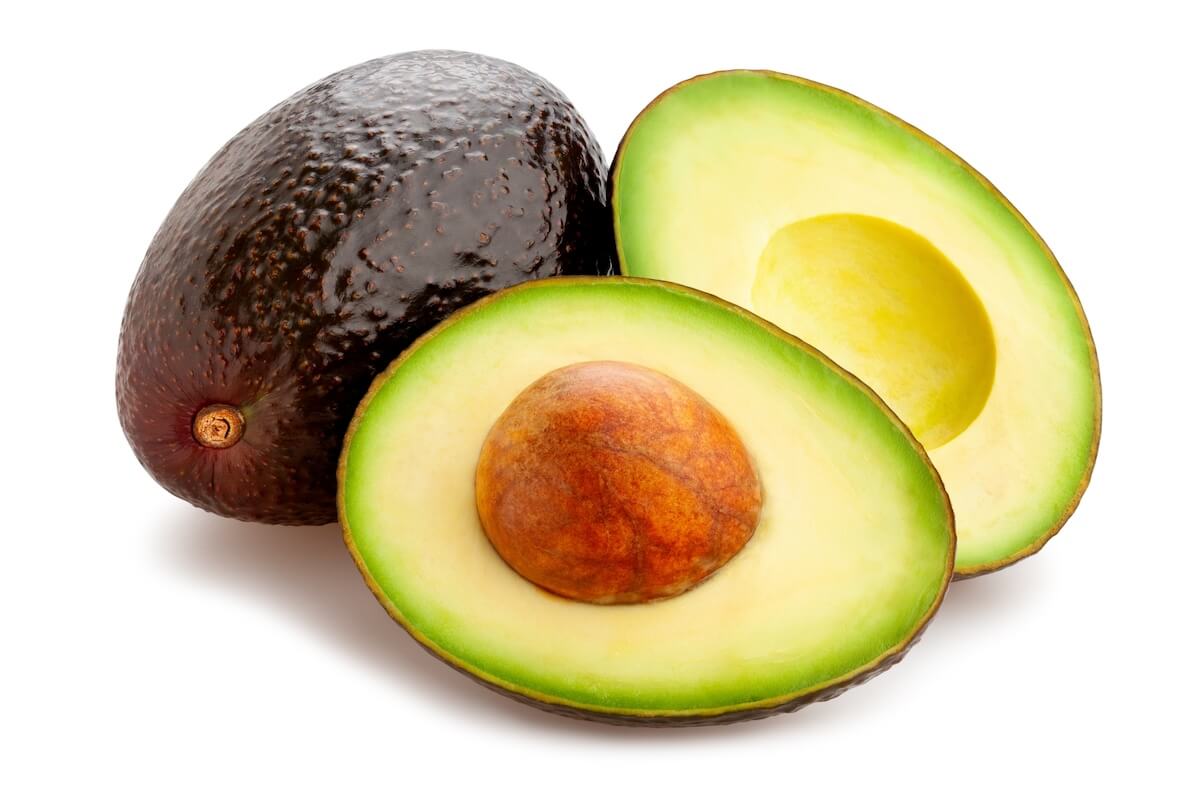
Botanically classified as a species of Persea Americana, avocados…

  • Are nutrient-dense with nearly 20 vitamins, minerals and phytonutrients, and dietary fiber.
  • Fit into healthy dietary patterns associated with better weight management, bone health, improved type 2 diabetes outcomes, better breast and colorectal cancer outcomes, and heart health. These healthy dietary patterns include plenty of fruits and vegetables and unsaturated fats. Avocados are a fruit and contribute 6 grams of unsaturated fats.
  • Are low in saturated fat, cholesterol-free, and sodium-free. Avocados provide a source of naturally good unsaturated fats, with over 75% of the fat as monounsaturated (MUFA) and polyunsaturated (PUFA) fats.
  • These beneficial unsaturated fats are associated with improved blood cholesterol levels, and eating avocados in place of foods containing saturated fats is a simple and tasty way to limit the amount of saturated fat in your diet.


MyPlate Food Guide

While botanically a fruit, MyPlate includes avocados as a member of the Vegetable Group based on how they are typically eaten and how their taste is described. MyPlate recommends adults consume 2-4 cups of vegetables per day and 3 1/2 – 7 cups of “other vegetables”, like avocados, a week. One avocado counts as one cup. Regardless of the category, avocados are a nutrient-dense, delicious way to help consumers “make half their plate fruits and vegetables.”


MyPlate food Guide & Where Avocados Fit in

Adding Avocados to Your Plate

Avocados are an extremely versatile fruit! Whether eaten alone, added to meals or included as an ingredient in various recipes, avocados are a great way to add flavor, produce, and nutrients to your plate. Try avocados in the following ways:

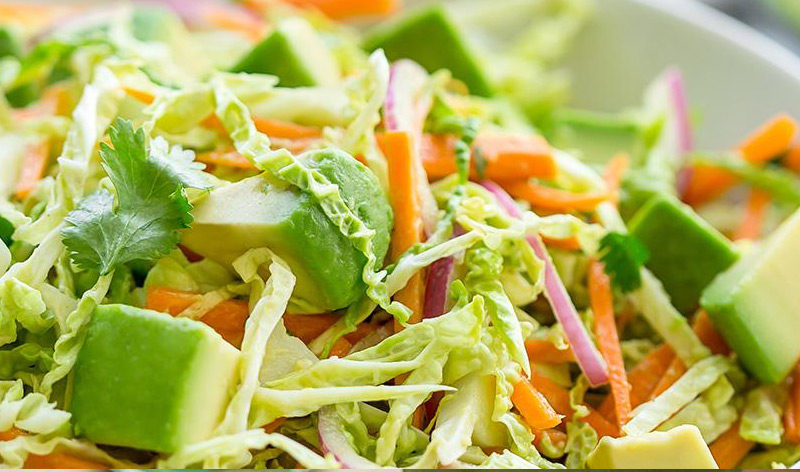
  • Add a serving of avocado to a salad, soup, or sandwich
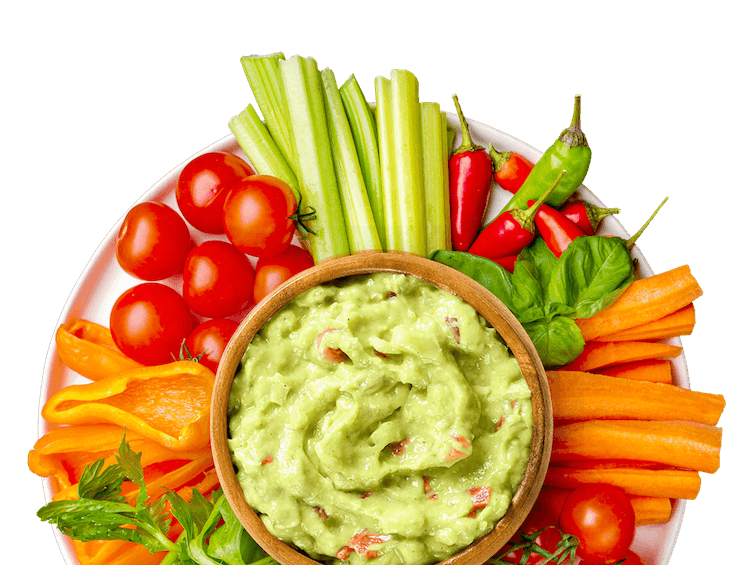
  • Serve guacamole as a dip for whole-grain chips, crackers, or vegetables
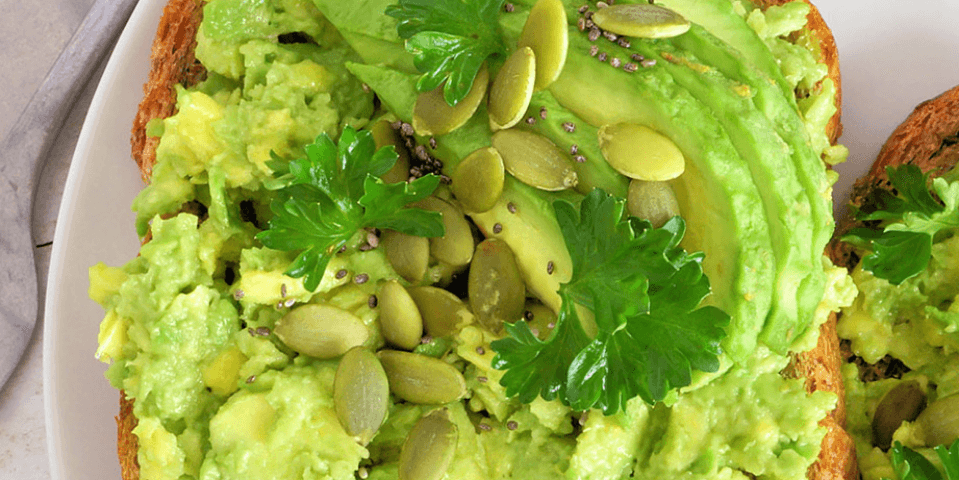
  • Include avocados with breakfast by adding to an omelet, blending into a smoothie or spreading on whole grain toast
  • Replace other saturated fats in baking with a 1:1 swap using mashed avocado
  • Simply mash as a first food for infants, as they begin complementary feeding at about six months of age

Visit MyPlate.gov for more tips and tools, including the MyPlate Food Guide, a personalized meal plan based on your age, sex, height, weight, and physical activity level.


Types of Fats: Good Fats & Bad Fats Explained

Fats are essential nutrients your body needs for energy, cell growth, and overall function but they often get a bad rap in our culture. While the saturated fats you find in drive-through meals and other processed foods aren’t good for your health, your body needs unsaturated “good” fats to function.

  • There are two types of fats: good (monounsaturated and polyunsaturated) and bad (saturated and trans fats).
  • Both fats can affect your cholesterol levels, with bad fats raising LDL cholesterol levels, which increases your likelihood of developing chronic health conditions like heart disease. On the other hand, monounsaturated and polyunsaturated fats can lower LDL cholesterol levels.
  • You can find good fats in foods like vegetable oils, fatty fish, nuts, seeds, and, most importantly, avocados.

Let’s learn more about fats and how to make them a part of your daily meals.

What are the Different Sources of Fats?

Fats can be classified by source and their physical state at room temperature. Understanding the distinction between oils and animal fats can help you make healthier choices when it comes to dietary fats. While both are important sources of fat, they differ in their composition, and how they affect your health.

oils

Oils

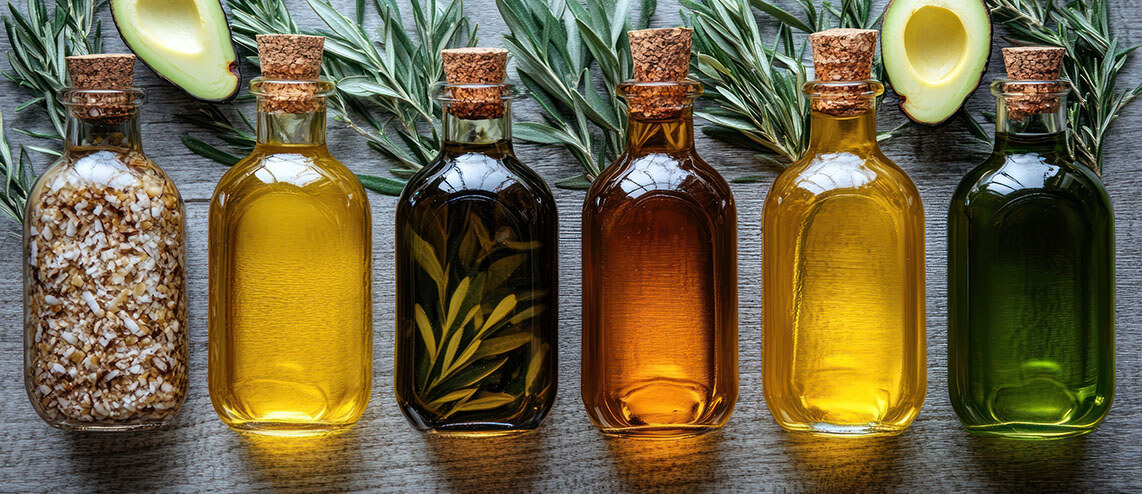
Oils are fats that are liquid at room temperature and are typically derived from plants. Most are rich in unsaturated “good” fats, which are considered heart-healthy because they may help reduce harmful cholesterol levels. You’re probably familiar with quite a few oils at your grocery store–olive oil, canola oil, sunflower oil, avocado oil, and even peanut oil are all staples in American cooking. These oils are usually used to cook or flavor other foods, or as an ingredient in sauces and salad dressings.

animal fats

Animal Fats

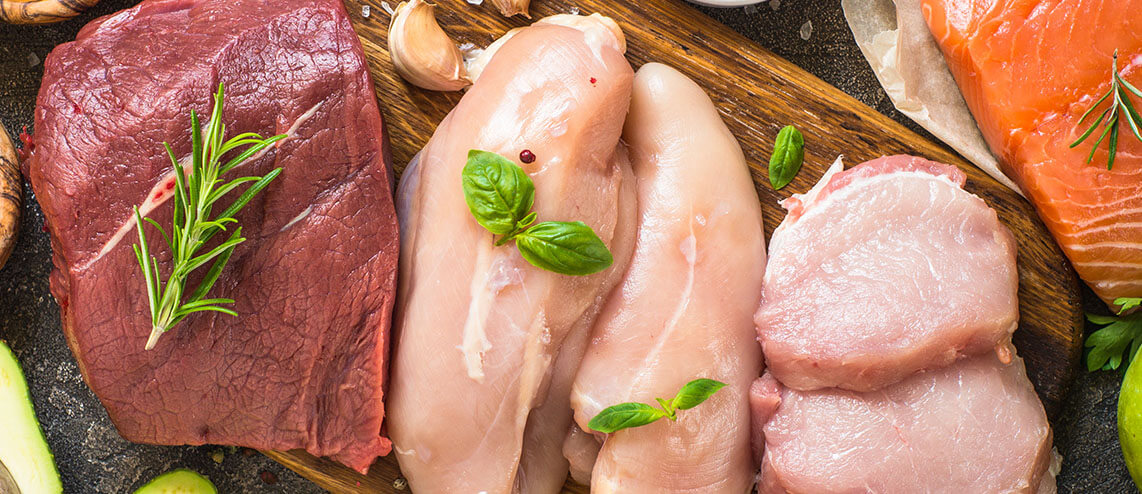
Animal fats come from meat, dairy products, and other animal-derived foods. Most animal fats are solid at room temperature because they are higher in saturated “bad” fats. While most sources of animal fats can also be a great source of protein, people who eat too many animal fats can develop serious diagnoses such as type 2 diabetes, cancer, and heart disease over time. As such, many doctors recommend eating animal fats in moderation.

What are “Good” Fats?

Unsaturated ”good” fats receive their moniker for a good reason, mainly for their health benefits. Unsaturated fats benefit your heart. They can help improve blood cholesterol levels, ease inflammation, and stabilize heart rhythms. You can also digest fat-soluble vitamins better by eating foods with fat in them. Otherwise, your body will take longer to digest these essential vitamins and minerals.

Types of Unsaturated Fats

There are two types of unsaturated fats, monounsaturated fats and polyunsaturated fats.

monounsaturated fats oils

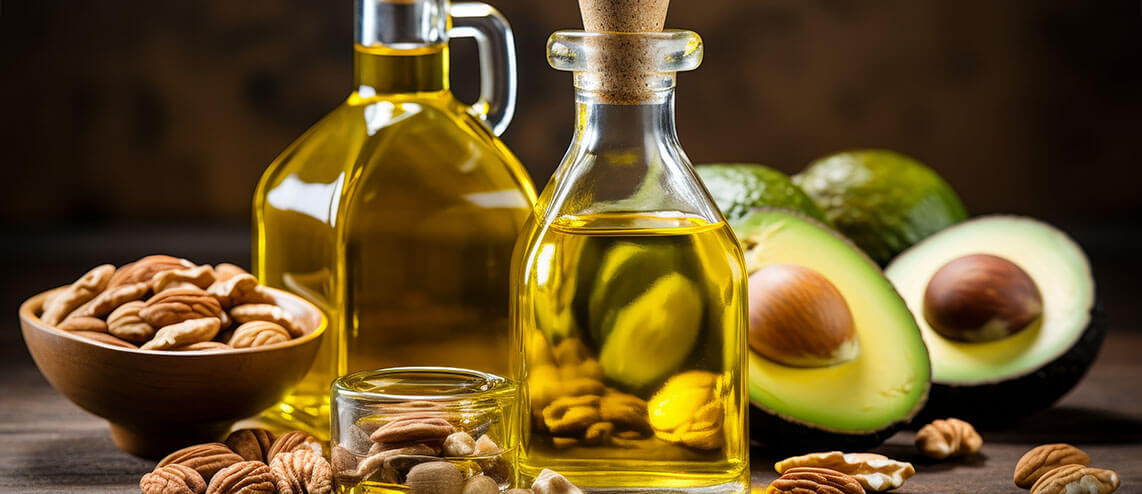
Monounsaturated fats can help reduce bad cholesterol levels in your blood, contributing to a lower risk of heart disease and stroke. Sources of monounsaturated fats include:

  • Nuts and Seeds
  • Canola Oil

Your body can’t naturally produce the omega-3, and omega-6 fatty acids (building blocks of fats) included in polyunsaturated fats, so it’s crucial to find foods that contain them. These fats can help reduce the risk of heart disease, support brain function, and promote cell growth. Some sources of polyunsaturated fats are:

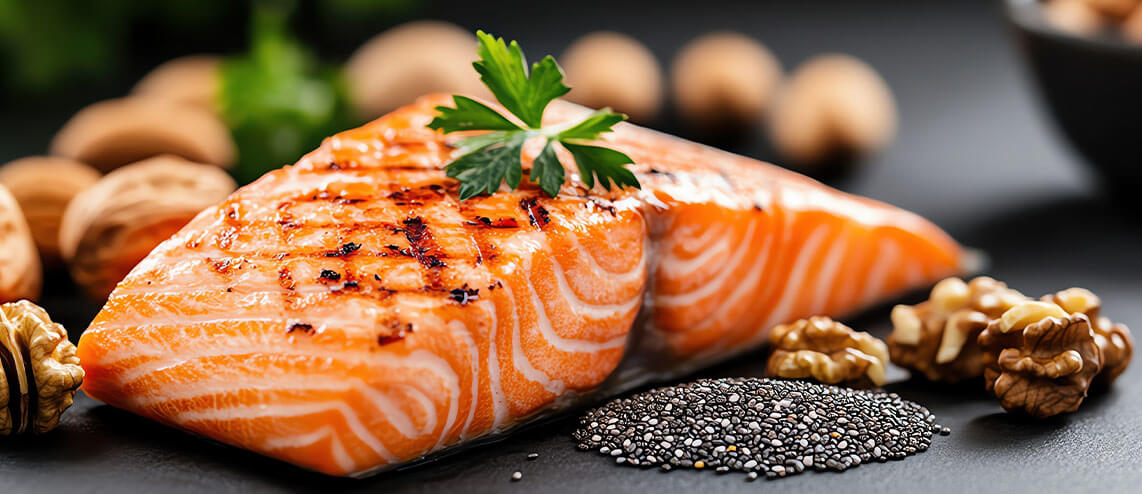
  • Fatty Fish like salmon and mackerel
  • Flaxseeds and Chia Seeds
  • Walnuts
  • Soybean Oil

These polyunsaturated fats are a vital part of a healthy diet.

What are “Bad” Fats?

Although fats don’t have a mustache, they may twirl around like a villain in the movie; some are considered bad because of how often they’re associated with severe and chronic health conditions like high cholesterol levels, heart disease, and cancer. Bad fats consist of the following:

saturated fats foods

Saturated Fats

You can find saturated fats in animal-based foods and some plant oils, like coconut and palm oil. Researchers have studied the effects of saturated fats on the human body for many years. People who consume foods high in saturated fats can have higher LDL cholesterol over time, which is associated with an increased risk of developing heart disease or having a stroke. Common sources of saturated fats include:

  • Red meat: Beef, pork, and lamb contain significant amounts of saturated fat.
  • Dairy products: Butter, cheese, and whole milk are high in saturated fats.
  • Processed foods: Pastries, cakes, and cookies often contain saturated fats.
  • Certain oils: Coconut and palm oil are plant-based oils high in saturated fats.
trans fat foods

Trans Fats

Out of all of the fats, trans fats are considered the most harmful. They are created through a process called hydrogenation, which turns liquid oils into solid fats to increase shelf life and stability. Similar to saturated fats, trans fats are known to raise LDL cholesterol levels, but they also lower HDL (good cholesterol) levels. Both of these effects can increase your risk of developing heart disease, stroke, and type 2 diabetes. Common sources of trans fats include:

  • Fried foods: French fries, doughnuts, and fried chicken often contain trans fats.
  • Baked goods: Pastries, cookies, and cakes are made with hydrogenated oils.
  • Margarine and shortening: These products often contain trans fats unless labeled trans-fat-free.
  • Processed snacks: Crackers, microwave popcorn, and other packaged snacks may contain trans fats.

Due to their harmful effects, the World Health Organization (WHO) recommends avoiding trans fats as much as possible. This has become easier recently, as trans fats were banned from US food production in 2015. Checking food labels for hydrogenated or partially hydrogenated oils can help you steer clear of these unhealthy fats.

The Impact of Fats on Cholesterol

One of the most immediate ways fats affect your health is how they impact your cholesterol levels.

Everyone has cholesterol in their bodies. It’s a waxy substance found in your bloodstream, and while it helps protect your blood cells and supports many bodily functions, it can also harm your health. To understand how fat affects cholesterol, let’s first break down the most common kinds of cholesterol.

High-Density Lipoprotein (HDL)

People refer to high-density lipoprotein (HDL) as “good” cholesterol because it helps remove other forms of cholesterol that can build up in the bloodstream. HDL does this primarily by carrying cholesterol from other body parts back to the liver, which removes it from the body. According to the Mayo Clinic, people with higher levels of HDL are less likely to develop heart disease, as they have more HDL that continually removes “bad cholesterol” from the body.

Benefits of “Good” Fats on Cholesterol

Monounsaturated and polyunsaturated fats can help maintain healthy cholesterol levels—both LDL and HDL. Monounsaturated fats primarily may help improve heart health as they can help lower LDL cholesterol levels. Polyunsaturated fats, especially the omega-3 and omega-6 fatty acids, can also help reduce LDL cholesterol, which may reduce blood pressure and reduce the risk of developing heart arrhythmias.

Monounsaturated fats enhance the liver’s ability to remove excess cholesterol from the bloodstream. Polyunsaturated fats work by reducing the production of LDL cholesterol in the liver and increasing the uptake of cholesterol by cells, which helps maintain a healthy balance of LDL and HDL levels. This combined action helps protect arterial health and reduces the overall risk of cardiovascular disease.

Low-Density Lipoprotein (LDL)

Low-density lipoprotein (LDL) is known as “bad” cholesterol because high levels can build up in your arteries, increasing the risk of heart disease and stroke. LDL can collect in the artery walls, forming plaques that can cause narrowing and hardening of the arteries (atherosclerosis).

How “Bad” Fats Affect Cholesterol Levels

Saturated and trans fats have a detrimental impact on cholesterol levels. Saturated fats may increase LDL cholesterol, which can lead to plaque buildup in arteries, raising the risk of heart disease and stroke. Similarly, trans fats can not only raise LDL cholesterol but may also lower HDL cholesterol, compounding the risk of cardiovascular issues. These fats are prevalent in processed and fried foods, making monitoring and limiting their intake crucial to maintaining heart health.