How To Teach Nutrition in a Homeschool Curriculum

Teaching nutrition at home can be hands-on, educational, and fun. Here are key strategies for making it part of your homeschool day:
- Make it interactive: Involve children in cooking, meal planning, and food journaling. Try grocery scavenger hunts and sorting foods into groups.
- Incorporate core subjects: Use nutrition to teach math (label reading), science (digestion and nutrients), reading (food journals, recipe reviews), and culture (global food traditions).
- Use activities and visuals: Try food group games, kitchen tasks by age, and gardening projects to connect lessons to real life.
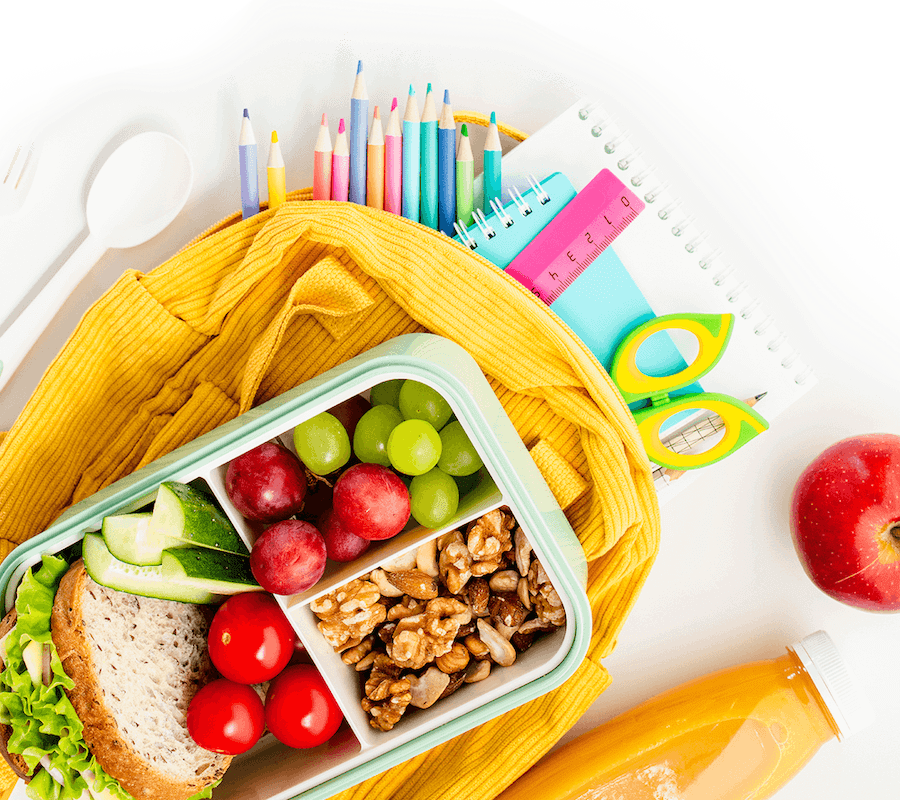
- Plan nutritious homeschool lunches: Use the USDA’s MyPlate to build balanced meals. Let kids help prep and choose healthy foods.
- Stick to standards: Align with National Health Education Standards (NHES) by focusing on food groups, nutrition labels, and healthy habits.
- Explore free curricula and recipes: Use resources from the USDA, the CDC, and Avocados – Love One Today to access lesson plans, cooking tips, and kid-friendly recipes.
Nutrition isn’t just a subject—it’s a skill. Teaching it at home helps children grow healthy habits that last a lifetime.
The Homeschool Cafeteria:
How To Prioritize Nutrition In Your Homeschool Curriculum
Homeschooling gives families a unique opportunity to shape what their children learn and how they grow — mind, body, and heart. According to data from the Pew Research Center, in 2023, approximately 3% of children in the USA were homeschooled. Many families choose homeschooling to have a closer relationship with their child and be more involved with their education — and nutrition.
If you are one of these homeschooling parents, nutrition can be one of the most engaging and rewarding parts of your day. From planning lunches together to exploring where our food comes from, every bite becomes a learning moment. Best of all, it fits naturally into subjects you’re already teaching — like science, math, and even writing.
We’re here to give you creative, practical ideas for making nutrition a joyful part of your routine. You’ll find nutrition information, kid-friendly recipes, and tips for creating a healthy home cafeteria that fuels both learning and lifelong wellness.
Why Nutrition Education Matters in a Homeschool Setting
Nutrition plays a decisive role in how children think, feel, and learn, starting when they wake up. A 2013 study published in Front Hum Neuroscience found that breakfast consumption may positively affect children’s behavior and academic performance in traditional school settings. When you homeschool, you have more time to feed your child a satisfying and nutrient-dense breakfast, because you don’t have to worry about getting them on the bus before the sun’s even up. Eating breakfast as a family sets everyone up for nutritional and academic success.
In many homeschool programs, nutrition may not always be top of mind simply because it’s not traditionally framed as an academic subject. However, integrating nutrition education into your homeschool curriculum can be both practical and beneficial. The CDC notes that U.S. students in traditional schools receive less than 8 hours of required nutrition education each school year, far below the 40 to 50 hours needed to change behavior.
But as a homeschooler, food education naturally fits into your routine. It’s hands-on, cross-disciplinary, and deeply connected to everyday life. Cooking a recipe can teach math and science. Reading a food label can spark a conversation about health and literacy.
Modeling healthy eating habits can create a lifelong respect for nutrition and wellness. Homeschooling gives you a unique opportunity to teach nutrition in a way that will stick.
Teaching Nutrition Through Core Subjects
Nutrition fits seamlessly into the subjects you’re already teaching at home.
With the right approach, you can turn everyday activities into valuable academic lessons.

Hands-On Activities to Reinforce Healthy Habits
One of the best parts of homeschooling is the freedom to learn by doing. Nutrition lessons come to life when your kids can see, touch, and taste what they’re learning.
Here are some hands-on activities that will reinforce what they learn during traditional class time.

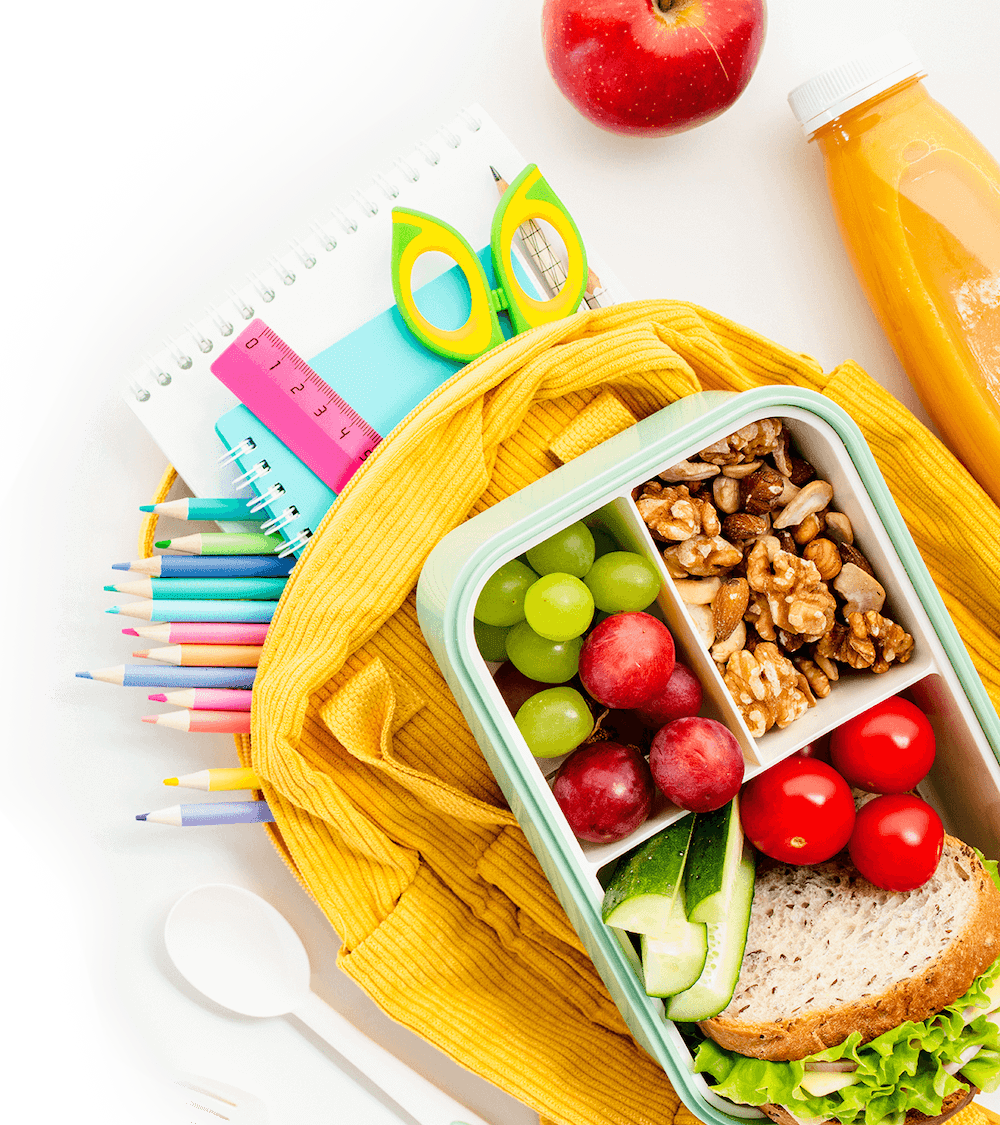
Planning and Structuring a Healthy Homeschool Lunch Period
In a homeschool setting, lunch isn’t just a break — it’s a valuable chance to nourish both body and mind. A consistent midday routine can help maintain energy levels, prevent burnout, and give your kids a natural mental reset between subjects. Look into key nutrients in fruits and vegetables that can give your kids the boost they need. For instance, avocados contain 250 mg of potassium, which is critical for healthy growth and development. Yet, many kids under consume fruits and vegetables with this vital nutrient.
The Centers for Disease Control and Prevention (CDC) recommends that students have at least 20 minutes of seated time to eat lunch in a traditional school setting, and at home, you can easily set aside 30-45 minutes.
Lunch also offers an ideal opportunity for learning and connection. Involve your child in the planning and preparation process — discuss the food groups on their plate, talk about where ingredients come from, or read a short food-related story together.
These small moments turn everyday routines into meaningful lessons that can make a significant difference in their long-term health.
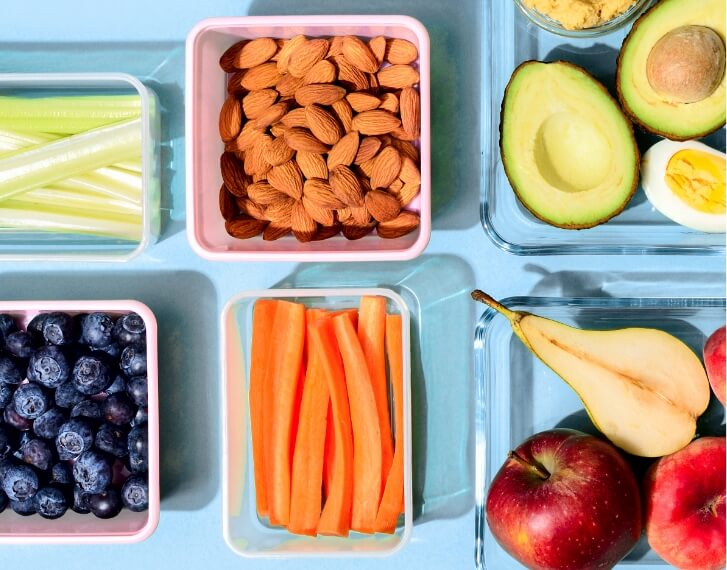
To keep meals healthy without sacrificing time, prep ingredients in advance and keep a list of go-to balanced meals that come together quickly. Batch-cook proteins or grains at the start of the week, wash and chop produce beforehand, and lean on simple, whole-food staples.
Reducing processed foods doesn’t mean spending hours in the kitchen — it just means planning ahead so you’re ready with fresh, nourishing options when lunchtime rolls around.
Budget-Friendly Meal Planning for Homeschool Families
Nourishing your family affordably is absolutely achievable with thoughtful planning. Enjoy fresh, balanced meals without breaking the bank!
Here are some hands-on activities that will reinforce what they learn during traditional class time.
Meeting State and National Health Education Standards
While homeschooling offers flexibility, many families aim to align their lessons with recognized educational standards, especially in subjects like health and nutrition. Most states reference the National Health Education Standards (NHES), which outline what students should know and be able to do to promote personal, family, and community health. These standards provide a framework for curriculum development, instruction, and student assessment in health education.
To align your homeschool nutrition lessons with the NHES standards, try focusing on objectives such as:
- Identifying the five food groups and their functions in the body
(Standard 1: Core Concepts) - Practicing food safety and hygiene
(Standard 7: Practicing Health-Enhancing Behaviors) - Learning how to analyze nutrition labels and assess food choices
(Standard 3: Accessing Information)
You can document learning activities — like cooking, journaling, and reading food labels — as part of your child’s health or science portfolio.
Many states offer guidelines or reporting templates through their Department of Education websites and homeschool support groups often provide sample curricula that meet local requirements.
Bringing nutrition into your homeschool routine is one of those small shifts that can have a big impact. It’s a chance to teach real-life skills while helping your child feel their best in body and mind. From cooking together in the kitchen to exploring foods from around the world or planning meals as a family, healthy eating can easily become part of your everyday learning.
Resources and Further Reading
Here are some links and resources that may help you on your homeschool journey.

A go-to guide for teaching kids about balanced eating using simple visuals and age-appropriate tools. MyPlate offers lesson plans, activity sheets, and healthy eating tips that align with national health education standards.
Fiber and Gut Health: How Avocados Support a Healthy Digestive System
This science-backed article from Love One Today explains how the fiber in avocados helps support a healthy gut microbiome, with insights for parents and educators.
A fun, interactive hub featuring games, videos, and printables that help children learn about nutrition in engaging, age-appropriate ways.
Nutrition Guide for Postpartum and Breastfeeding Mothers:
Designed for new parents, this guide offers nutrition tips to support energy, healing, and milk production during the postpartum period—perfect for homeschool families balancing education with infant care.
Kids In The Kitchen by Nutrition.gov
Encourages children to learn basic cooking skills with easy recipes and safety tips, helping them feel confident and capable in the kitchen.
Learn how to choose ripe, ready-to-eat avocados with simple tips for checking firmness, color, and texture.
A helpful guide on how to keep avocados fresh longer, including ripening tricks and storage suggestions for cut fruit.
Nutrition.gov’s Meal Prep and Cooking Tips
Packed with time-saving strategies, this resource helps families prep healthy meals efficiently, with tips on planning, storing, and cooking in batches.
How to Cut, Peel, and Slice Avocados
Step-by-step instructions (with visuals) on safely and efficiently preparing avocados—perfect for getting kids involved in lunch prep.
A simple, flexible meal plan featuring heart-healthy ingredients like avocados, with ideas the whole family can enjoy.
Mini Fold-Over Avocado Quesadilla Pockets
A fun, hands-on lunch or snack filled with creamy avocado and melted cheese—perfect for little hands and big appetites.
Chicken and Turkey Bacon Avocado Wraps
Wholesome and satisfying wraps featuring lean protein, crisp veggies, and heart-healthy avocado for a kid-approved meal.
Naturally sweet muffins packed with berries and avocado—great for breakfast, lunchboxes, or snacks on the go.
Soft Bakery-Style Avocado Chocolate Chip Cookies
Soft, chewy, and made with avocado for a nutritious twist on a classic treat—perfect for baking with kids.
Fun-Tastic Avocado-Apple-Peanut Butter Crepe
This sweet crepe is layered with fruit, avocado, and peanut butter—great for breakfast or a playful afternoon snack.
Avocado, Apple, and Banana Cookies
Naturally sweet with 2g of fiber per serving, these easy cookies feel like dessert but fuel the day.
Colorful Banana, Strawberry, and Avocado Smoothie Bowl
Bright, creamy, and customizable, this smoothie bowl provides 6g of protein and 8g of healthy fats.
Feeding Traveling Athletes: Snacks Your Kids Can Eat On The Go
Feeding Traveling Athletes:
Snacks Your Kids Can Eat On The Go
Traveling athletes in their late tween or early teen years need snacks that are nutrient-dense, portable, and easy to eat without prep or refrigeration. Focus on foods that combine complex carbohydrates, lean protein, and healthy fats to support energy, performance, and recovery.
Top Portable Snack Options:
- Trail mix (unsweetened dried fruit, nuts, seeds)
- Granola or energy bars (low in added sugar)
- Hard-boiled eggs or string cheese
- Whole grain crackers with nut butter
- Greek yogurt cups or squeezable pouches
- Jerky or roasted chickpeas
- Fruit and veggie pouches
- Avocado-based snacks like wraps, smoothies, and muffins
Why Avocados Work on the Go:
- Provide 6g of healthy fats, 3g of fiber, and 250mg of potassium per 50g serving
- Help sustain energy and aid muscle function
- Can be used in sweet snacks (e.g., muffins, frozen bark) or savory options (e.g., wraps, mini sandwiches)
Prep and Packing Tips:
- Use insulated bags and ice packs for perishable items
- Pre-portion snacks to reduce mess and control serving size
- Combine shelf-stable items (like nut butter packs) with fresh options
- Label containers by day or activity to stay organized
Bonus: Let kids help prep snacks — they’ll be more likely to eat what they’ve chosen.
Feeding Traveling Athletes:
Snacks Your Kids Can Eat On The Go
When you spend more time driving your kids from practice to practice than in the kitchen, it can be hard to know what to feed your little athletes. You may feel more inclined to rely on the convenience that fast food and packaged snacks provide, but your kids may not be getting all the nutrients they need to play their best. Luckily, with some meal prepping and the right ingredients, you can create on-the-go snacks that fuel their bodies and minds.
Why Travel Snacks Matter for Young Athletes
Whether your child is heading to practices, a local game, or traveling for a whole weekend of competition, having the right snacks on hand can make a big difference. Planning ahead means fewer last-minute scrambles and more time for your athlete to focus on playing their best.
Fueling Performance and Recovery
Young athletes often juggle packed schedules, with little time between games or practices for full meals. During competitions or long travel days, snacks can serve as mini-meals, offering a practical way to support energy needs. According to the Academy of Nutrition and Dietetics, children should eat three meals and two snacks each day at a bare minimum. If they are physically active, especially as an athlete, they should be eating more.
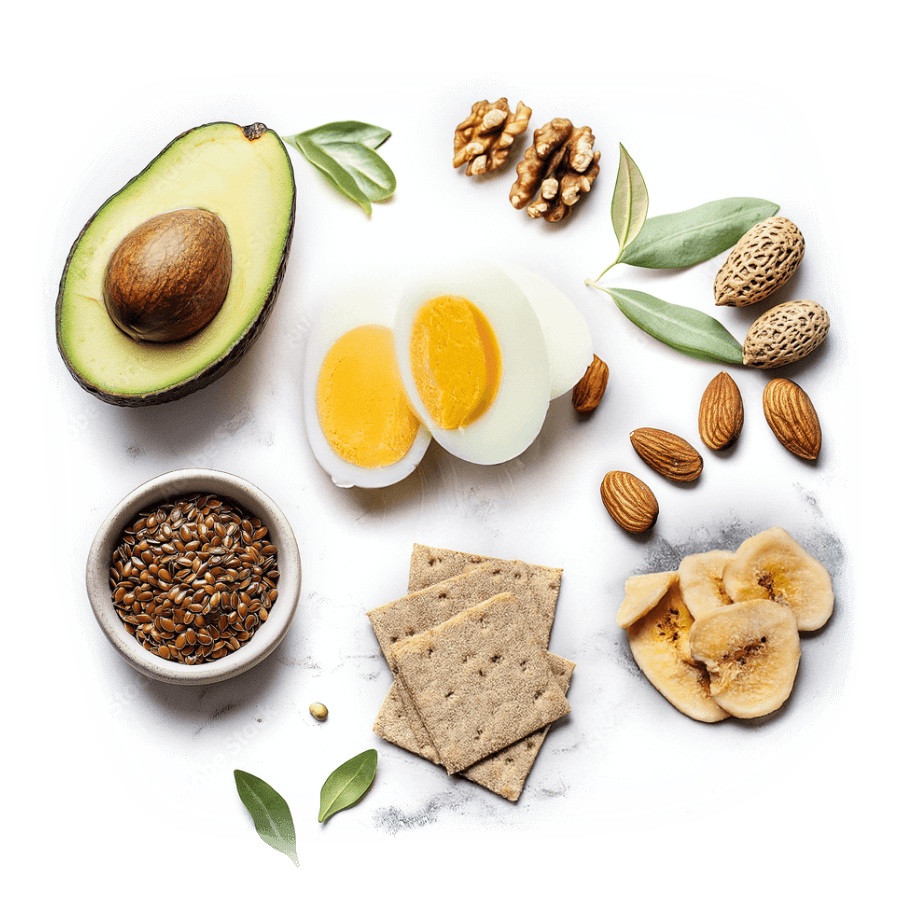
Nutrient-dense snacks — those that provide a high ratio of complex carbohydrates, lean protein, and healthy fats to calories — can provide sustained energy and support muscle repair. For example, options like whole-grain crackers with nut butter, yogurt with fruit, or a hard-boiled egg with vegetables offer a balance of macronutrients that may help maintain energy and promote post-exercise recovery when consumed alongside a balanced diet.
Common Pitfalls of On-the-Go Snacking
In the rush of travel, it’s easy to grab processed snacks, but while these foods may be convenient, they typically provide added sugars and refined carbohydrates with limited nutritional value. Frequent consumption of these snacks may result in rapid spikes — and subsequent drops — in blood sugar levels, which can negatively impact energy, mood, and focus. A 2022 study published in the Nutrients journal found that eating too many ultra-processed foods in childhood could lead to a higher risk of developing type 2 diabetes as an adult.
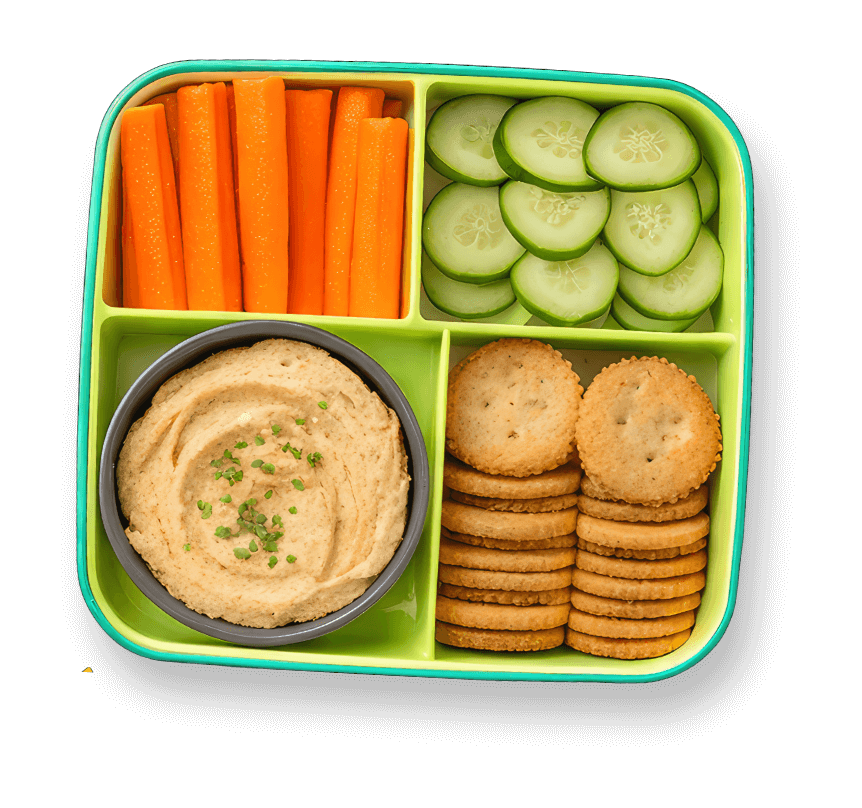
Because of this and other health risks associated with added sugars and saturated fats, the USDA’s Dietary Guidelines for Americans recommend that parents limit snacks that are high in them. Replacing these with healthier alternatives — such as trail mix with unsweetened dried fruit, low-fat cheese with whole-grain crackers, or cut vegetables with hummus—can help support sustained energy and lifelong health.
What to Look for in a Travel-Friendly Snack
When preparing snacks for young athletes on the go, think beyond convenience. The most effective travel snacks take some preparation and planning, but are worth it when it comes to your kid’s nutritional needs. Here’s how to find snacks that are healthy but still suited for long days of coming and going.
The Macronutrient Balance
A travel-friendly snack for kids should ideally contain a mix of carbohydrates, protein, and healthy fats. Each nutrient serves a distinct role in athletic performance and recovery:
- Carbohydrates are the body’s preferred source of energy during physical activity. Opt for complex carbohydrates such as whole grains, fruits, or vegetables, which provide longer-lasting energy compared to refined sources.
- Protein helps support muscle repair and recovery, especially after repeated bouts of physical exertion. Suitable portable sources include hard-boiled eggs, string cheese, yogurt cups, or roasted chickpeas.
- Unsaturated fats, such as those found in avocados, nuts, seeds, and nut butters, help increase satiety and provide longer-lasting energy between meals. These foods also provide essential fatty acids, which are necessary for overall health.
Prioritizing balanced combinations over single-nutrient options can make a meaningful difference in sustaining energy levels, especially when full meals aren’t immediately available.
Veggies Are In The Mix
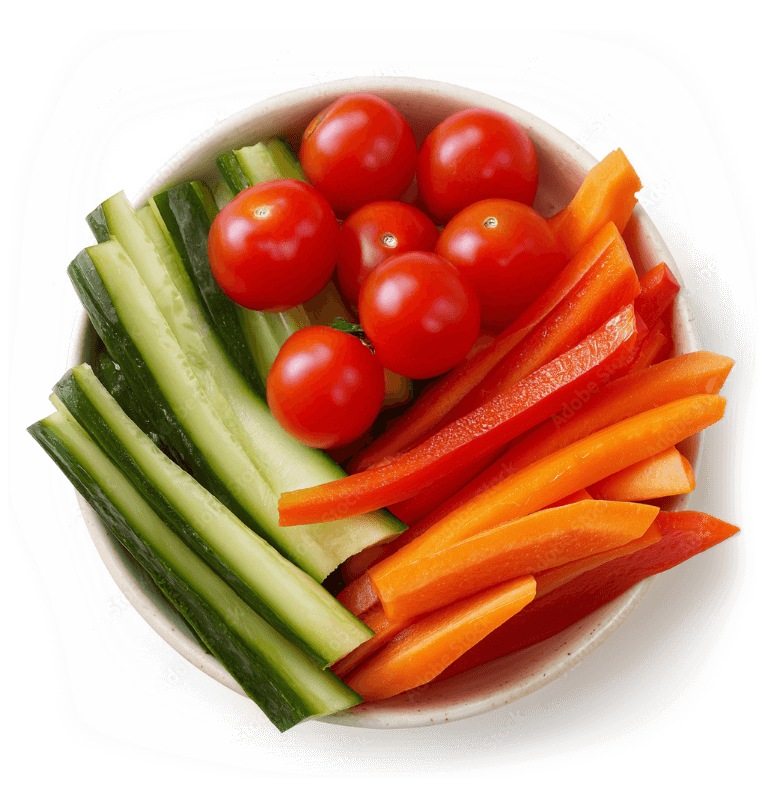
A little goes a long way when it comes to vegetables. Depending on your kid’s age and activity level, they need several servings of vegetables each day to meet their nutritional needs.
Here are the USDA’s recommendations for vegetable intake depending on age:
- Children 9-13 years old should eat 1 ½ – 3 1/2 cups of vegetables a day and 2 ½ – 5 ½ cups of “other vegetables” each week.
- Teenagers ages 14-18 should eat 2 ½ – 4 cups of vegetables a day and 4 – 7 cups of “other vegetables” each week.
Carrot sticks and celery with peanut butter are classic veggie snacks, but there are a lot of ways to incorporate them into your grab-and-go routine. Blend up a fruit smoothie with spinach and avocado mixed in, or give your kids a bag of tortilla chips with some zesty guacamole in an insulated container.
Portability and Freshness
Athletic travel for kids can be unpredictable. As a result, you or your kids may end up storing snacks in backpacks or warm vehicles and needing them while standing on the sidelines. That’s why it’s crucial to plan for storage and food safety:
- Use insulated containers, ice packs, coolers, or thermoses to maintain safe temperatures, especially for perishable items like yogurt or cut fruit.
- Choose reusable, leak-proof containers to keep food intact and prevent spills.
- Focus on shelf-stable snacks, such as trail mix (without added sugars), dried fruit, or whole-grain crackers, for longer trips without refrigeration.
Planning ahead helps reduce food waste, saves money, and ensures that snacks contribute meaningfully to your athlete’s energy and nutrient needs.
Avocados on the Move:
Nutritional Power in a Portable Package
Avocados are more than just trendy — they’re a practical addition to any young athlete’s snack routine. With their nutritional content and delicious flavor, avocados offer sustained energy and satiety in a naturally portable format.
Why Avocados Are a Smart Choice
A 50 g serving of avocado (about one-third of a medium avocado) delivers these key nutrients:
Healthy fats: Provides 6 g of unsaturated fats, including 5 g of monounsaturated fat, which may help maintain energy between meals and are part of a heart-healthy eating pattern when used to replace saturated fats. Healthy fats should account for 30-35% of your child’s daily calories.
Fiber: Contributes 3 g of dietary fiber, which can promote satiety and support digestive health. To figure out how much fiber your child should have each day, stick to the “age +5” rule, in which you add 5 to your child’s age to learn the approximate amount of grams of fiber they should have each day.
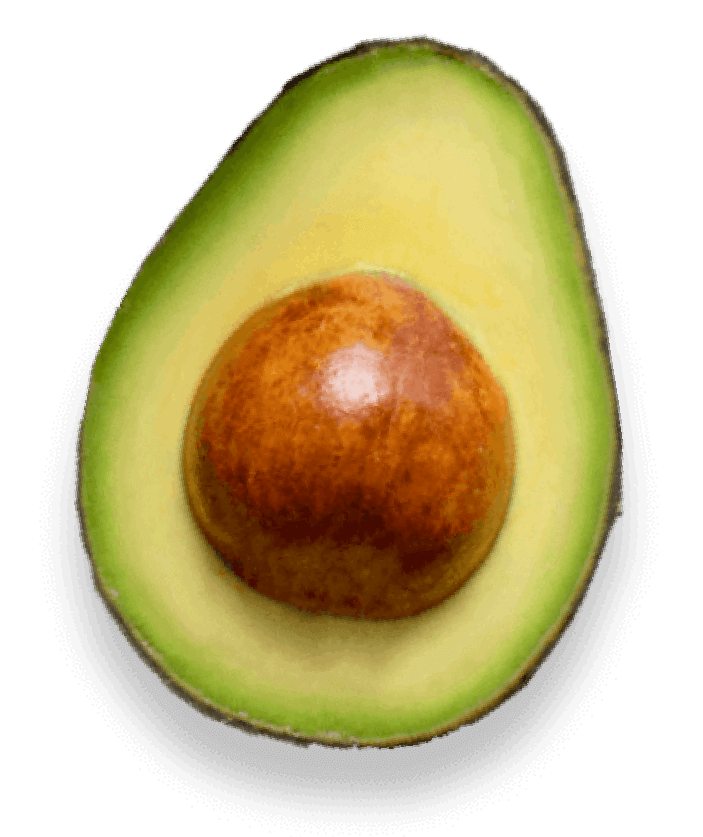
Potassium: Contains 250 milligrams (mg) of potassium, which plays a role in normal muscle function and fluid balance—important for active children and teens. Depending on age and gender, children need between 2,000 and 3,000 mg of potassium each day.
Folate and other B vitamins: Provides 45 micrograms (mcg) of folate and .1 mg of vitamin B6, both of which may support energy metabolism. Kids need between 200 and 400 mcg of folate each day, and between .6 and 1.3 mg of vitamin B6.
Avocados are also naturally sodium-free, cholesterol-free, and sugar-free, making them a wholesome addition to snacks on the road.
Including avocado with your family’s snacks can help young athletes stay satisfied and better manage their energy between activities — especially during long stretches without full meals.
Making Avocados Travel-Ready
Though avocados are perishable, a few simple prep tips can make them a reliable, nutrient-dense travel snack.
Avocados may not be your first choice for on-the-go snacks. However, these prep methods can ensure your snacks don’t become another stain in your backseat.
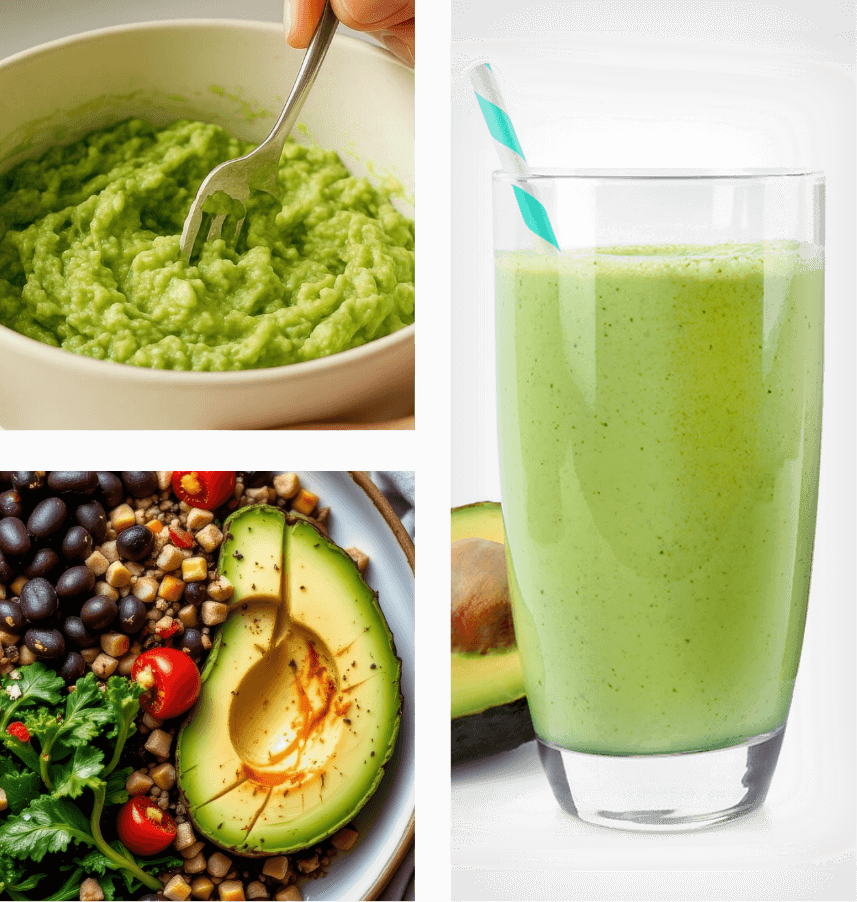
- Mashed spreads: Mix mashed avocado with citrus juice and a pinch of salt. Pack in a sealed container and pair with whole grain bread, crackers, or wraps.
- Smoothies: Blend avocado with fruit, yogurt, and milk or a dairy alternative. Freeze ahead for a creamy, energizing option that travels well.
- Snack combos: Combine diced avocado with cherry tomatoes, canned beans, or whole grain crackers for a balanced, easy-to-pack mini-meal.
With the right preparation, avocados can be a convenient and satisfying part of your athlete’s travel nutrition, fueling performance without sacrificing taste or freshness.
Meal Prepping for Busy Sports Families
When weekends are filled with games, practices, and travel, having ready-to-go snacks can help reduce stress and support healthy eating habits. A bit of planning can minimize reliance on convenience stores so your young athlete has access to balanced, nutrient-dense options.
Meal Prep Hacks For Busy Families
Preparing snacks in advance — whether on the weekend or the night before a packed day — can reduce your stress in the morning while still ensuring your kids have nourishing options when they need them. By keeping a mix of shelf-stable and refrigerated snacks on hand, families can easily rotate through different choices to keep things interesting and prevent “snack fatigue.”
Involving children in snack prep encourages them to choose — and actually eat — more balanced, nutrient-dense foods. Even simple tasks like washing fruit, portioning ingredients, or assembling snack boxes can help kids feel invested in their meals.
Here are some strategies for meal prepping as a family:
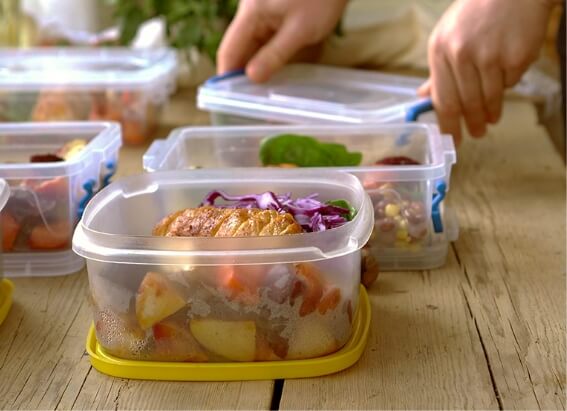
Batch-prep once or twice a week:
Slice veggies, portion trail mix, or mash avocado for spreads and store in labeled containers.
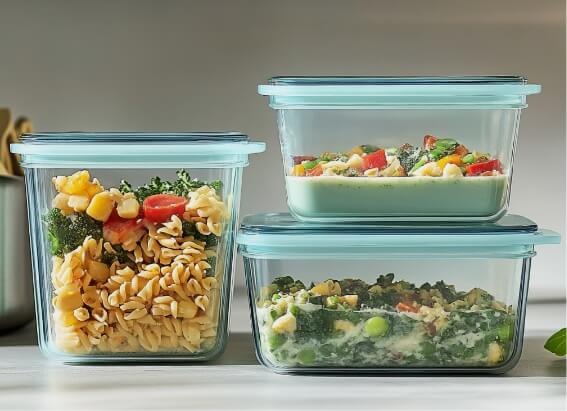
Use clear containers:
Store snacks in transparent jars or bins so everyone can see what’s available at a glance.
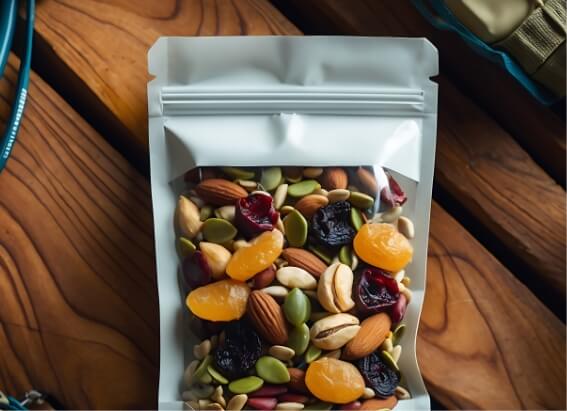
Create grab-and-go packs:
Pre-assemble snacks into individual servings — like string cheese with whole grain crackers or fruit with yogurt — to simplify busy mornings.

Mix shelf-stable and fresh items:
Combine options like nut butter packets, whole grain rice cakes, dried fruit, or roasted chickpeas with fresh snacks stored in the fridge.
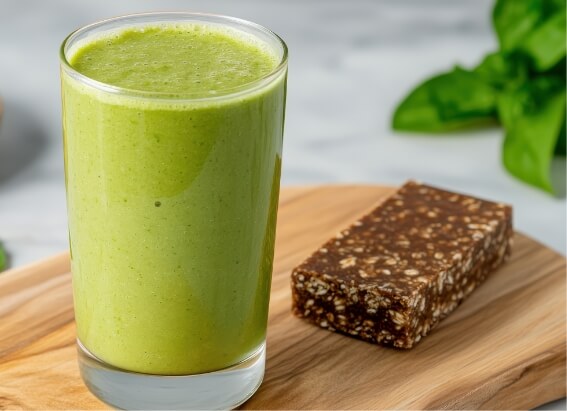
Theme your snack days:
Rotate options with simple categories, such as “Protein + Produce” or “Smoothie + Whole Grain,” to keep variety without overthinking.
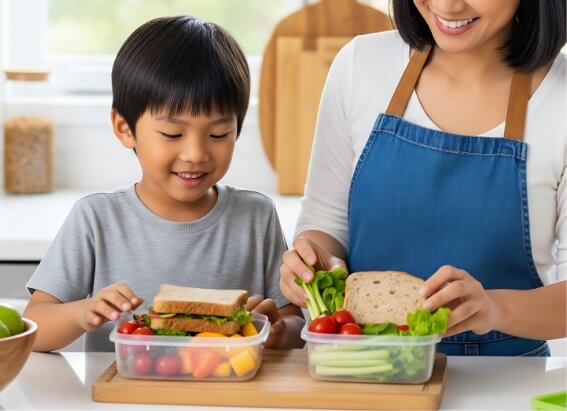
Use kid-friendly prep stations:
Set up a “snack drawer” or “prep shelf” with safe tools and ingredients, allowing children to help portion or pack their own food.
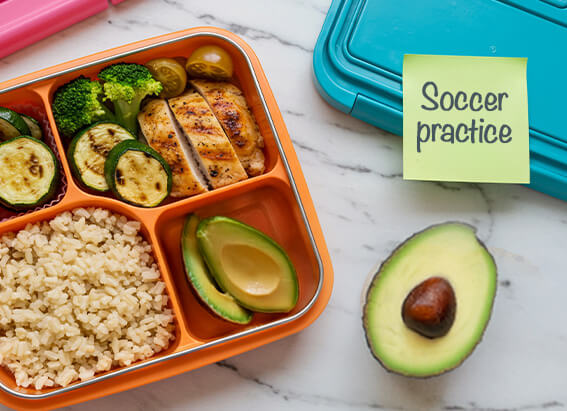
Label by day or activity:
Color-code or label containers by day of the week or sport/event to keep things organized and reduce decision fatigue.
These small steps can make a big difference in maintaining consistent energy levels, avoiding last-minute food stops, and fostering lifelong habits around healthy eating and planning ahead.
Best Storage For Taking Snacks In The Car
Choosing the right containers can help preserve the quality, taste, and safety of prepped snacks:
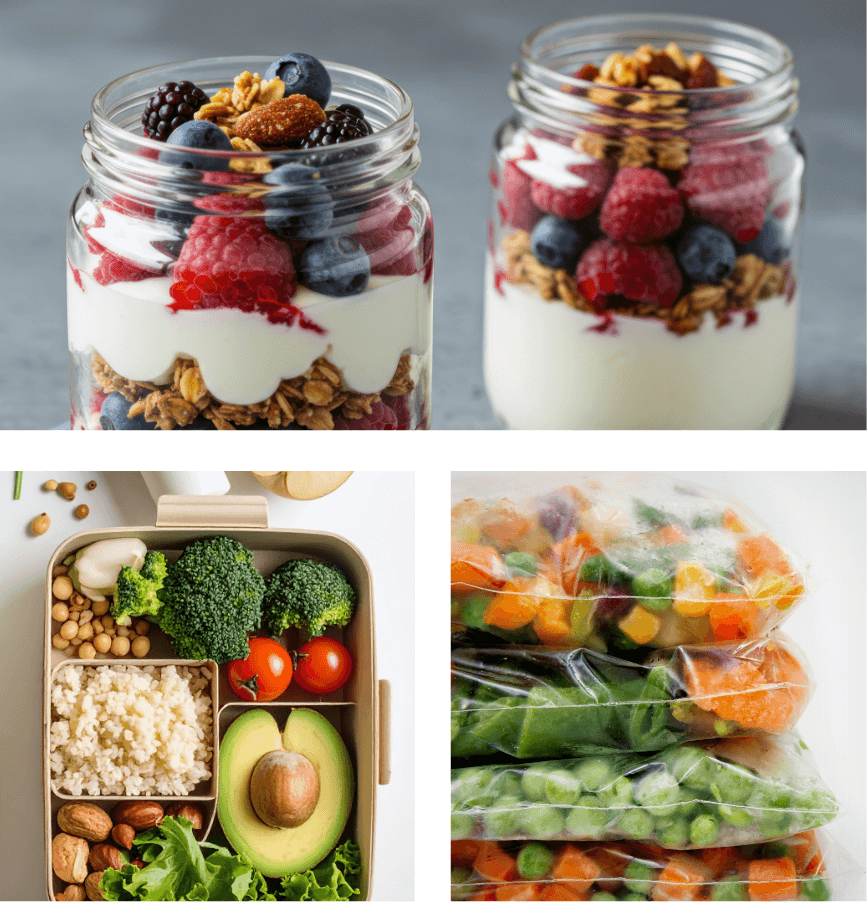
- Glass jars with secure lids are ideal for smoothies, dips, or layered items like yogurt parfaits.
- Leak-proof bento boxes keep components separate to avoid sogginess and maintain food appeal.
- Reusable pouches work well for softer textures like applesauce or avocado blends.
To keep perishable snacks safe, bring along a cooler with an ice pack to store your snacks. This is especially important when traveling for extended periods or during warm weather. Clearly labeling containers by day or snack type can also simplify busy mornings — especially when managing multiple athletes or events.
A dedicated snack bin or cooler in the car, stocked with balanced, travel-safe items, can help keep energy steady and avoid the need for unplanned stops.
Avocado-Based Snack Ideas for On-the-Go Families
Finding new, healthy snack ideas can be difficult when you’re constantly shuttling your kids from one game to the next. That’s why we’ve put together this list of our favorite portable snacks your little athletes will love.
Sweet Snack Ideas
As parents, we know that some kids just have a natural sweet tooth. But not every sweet snack has to be full of sugar and saturated fats. Here are some of our favorite sweet treats that still deliver essential nutrients.
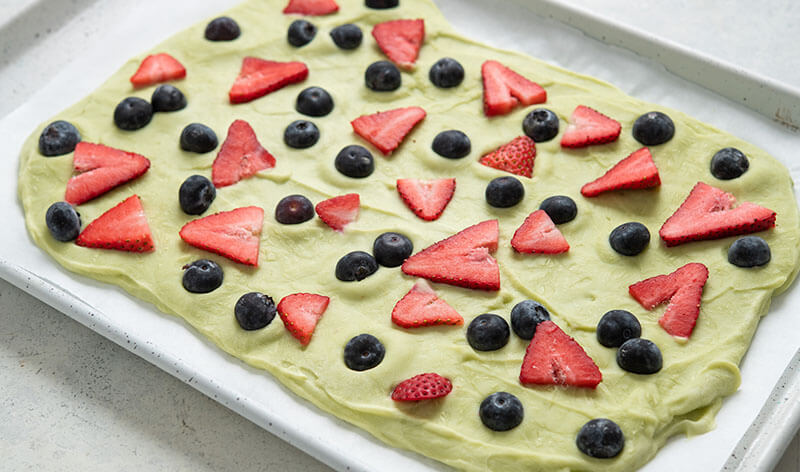
A creamy frozen yogurt treat swirled with mashed avocado and fruit, then frozen into snackable bark pieces—perfect for a refreshing, make-ahead snack.

A no-bake blend of mashed avocado, pumpkin purée, oats, and warm spices, these soft snack balls offer a fun treat that’s easy to prep and pack. Decorate them with jack o’ lantern faces for the autumn sports season.
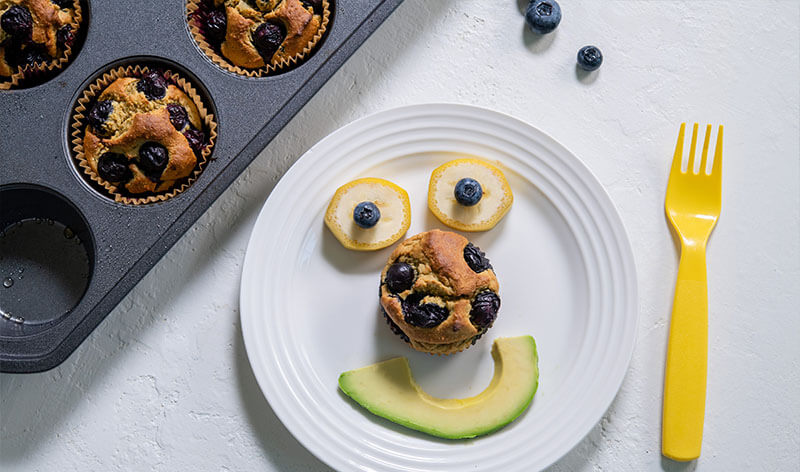
These soft, kid-friendly muffins combine mashed avocado with mixed berries and whole grain flour for a portable baked good with 3 g of dietary fiber and 3 g of protein.

Avocado, Apple, and Banana Cookies →
Naturally sweetened with fruit, these soft cookies blend avocado, banana, and grated apple for 2 g of protein and 2 g of fiber in every cookie.
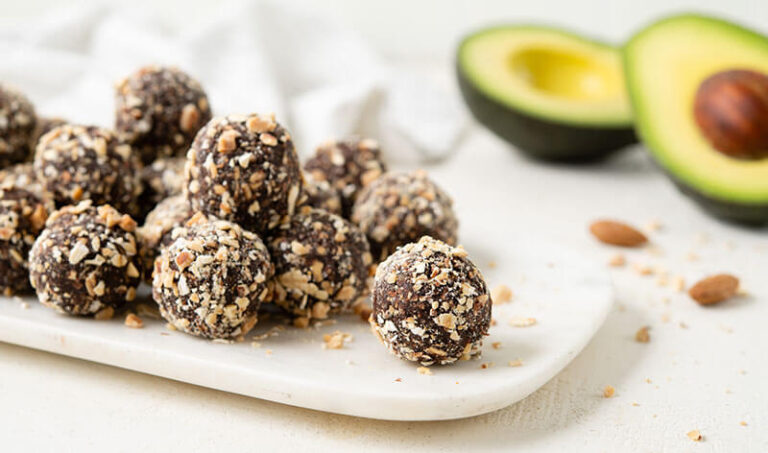
Chocolate Almond Avocado Oat Bites →
Bite-sized and no-bake, these chocolatey oat snacks mix avocado, almond butter, and cocoa. These treats are a satisfying option that can be made ahead for grab-and-go energy.
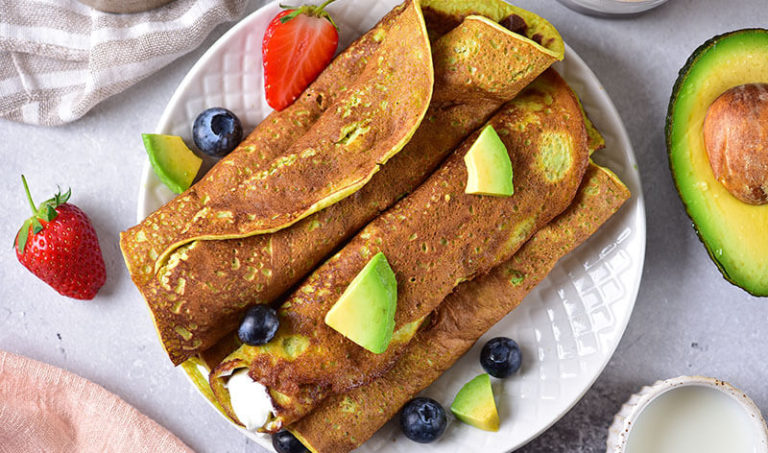
Whole grain pancakes filled with mashed avocado and fruit slices, then rolled for a fun, packable snack that provides 4 g of protein and 2 g of fiber.
Savory Snacks For Kids
When you’re eating small meals on the go, you need some savory snacks to round out the rotation. Here are some of our favorites.

Chicken and Turkey Bacon Avocado Wraps →
This wrap combines sliced chicken, crispy turkey bacon, and creamy avocado for a satisfying handheld snack. The 23 g of protein makes it perfect for fueling up before the big game.

These playful, ring-shaped egg bites are topped with smooth avocado for a satisfying snack that’s easy to hold and fun to eat. With 6 g of protein per donut, these are the snacks you want on hand when you have early-morning games.

Monster Green Avocado, Ham & Egg Bites →
A bright green snack made with avocado, ham, and eggs—ideal for little athletes who need energy between games.

Crunchy, colorful mini tostadas topped with fresh ingredients offer a tasty bite-sized snack that travels well in a bento box. The 7 g of protein and 4 g of healthy fats make this a snack parents can feel good about.

Avocado Egg Salad Finger Sandwiches →
These crust-free finger sandwiches combine classic egg salad with avocado for a creamy sandwich that delivers 17 g of protein in every serving.
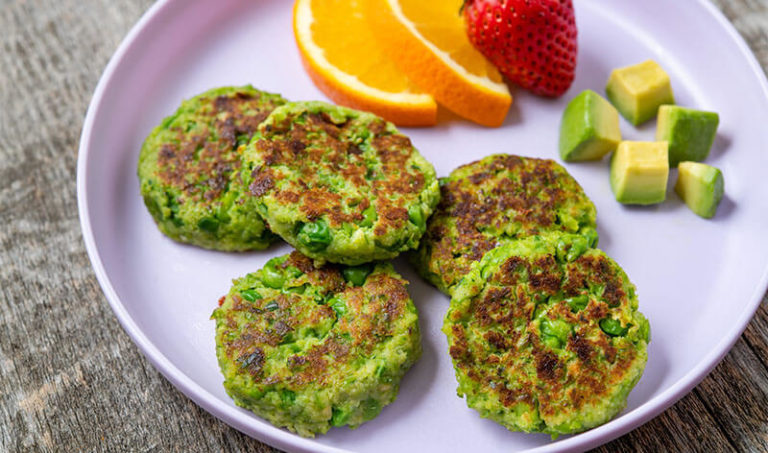
Green Pea and Avocado Nuggets →
Soft, veggie-forward nuggets that blend green peas and avocado into a kid-friendly snack that’s easy to dip and munch.

Avocado Stuffed Jalapeño Poppers →
A milder, kid-appropriate take on the classic popper, stuffed with avocado for creamy flavor and baked until golden.
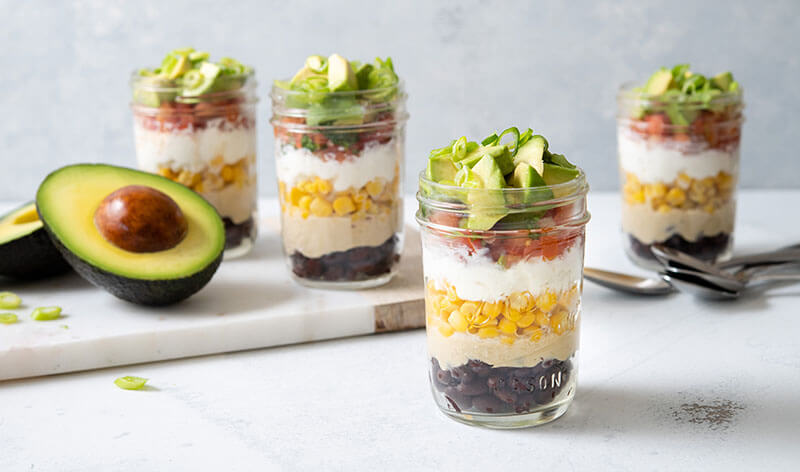
A mini version of the classic layered dip, this individual snack cup layers beans, avocado, and colorful toppings in a grab-and-go format. Perfect for a post-championship energy boost.
Smoothies and Shakes For Travel Athletes
Who said you can’t drink your vitamins? Smoothies and shakes are an excellent way to fuel your little athlete fast. Here are our favorite recipes.
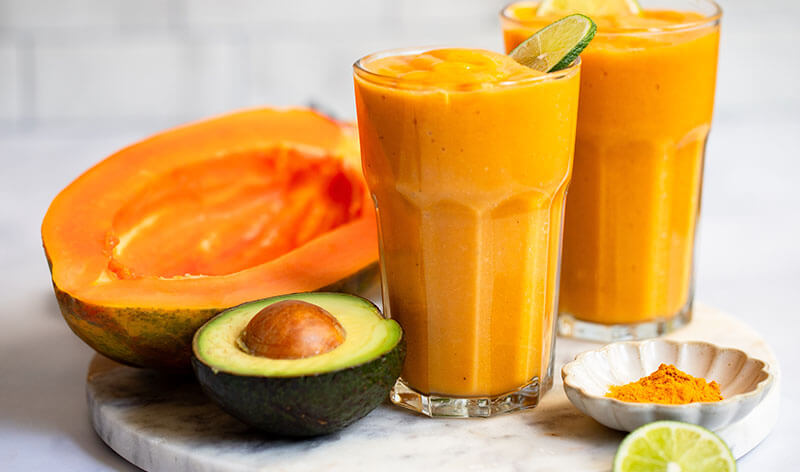
Hydrating Papaya Avocado Smoothie →
A tropical-inspired smoothie made with papaya and avocado, perfect for a refreshing sip on warm game days.

Avocado, Blueberry, and Pineapple Cloud Smoothie →
This bright, fruity blend combines avocado with blueberries and pineapple for a smooth, travel-ready drink with a soft, cloud-like texture. Your kids will love “painting” the clouds with you if you prep the smoothie together.
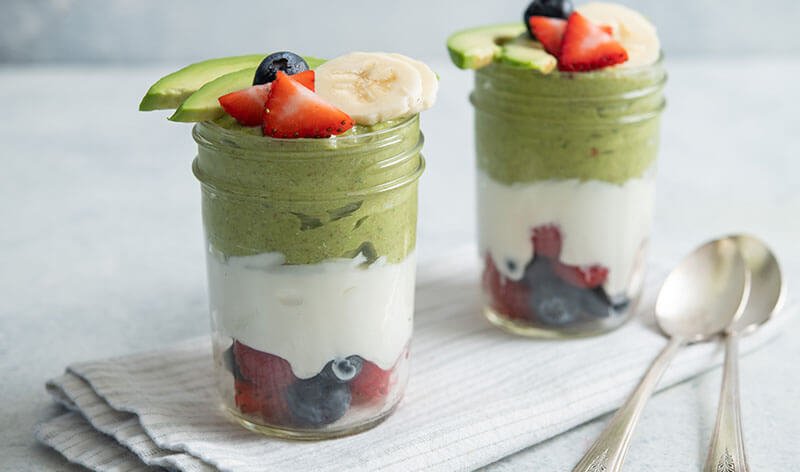
A spoonable smoothie layered like a parfait, offering a fun, mess-free way to snack on the road or between activities.

Avocado Banana Horchata-Style Smoothie →
A creamy twist on a traditional favorite, this smoothie blends banana, rice milk, and avocado into a naturally sweet, satisfying drink.
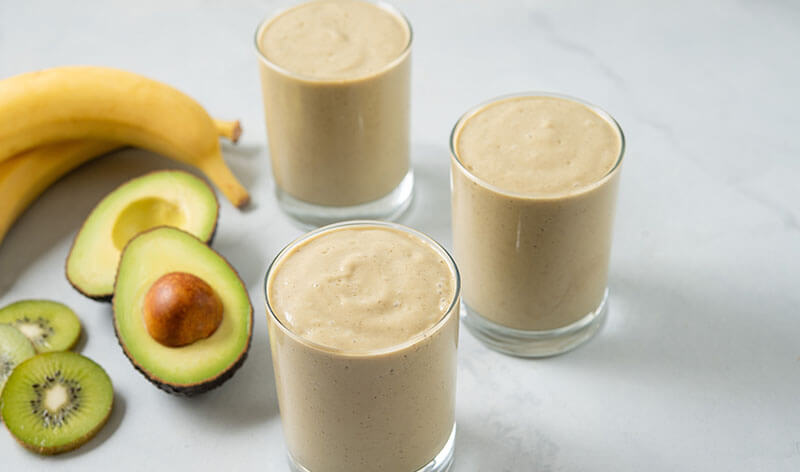
Blended with bananas, avocado, and other naturally potassium-containing ingredients, this smoothie is a great way to recharge after activity.
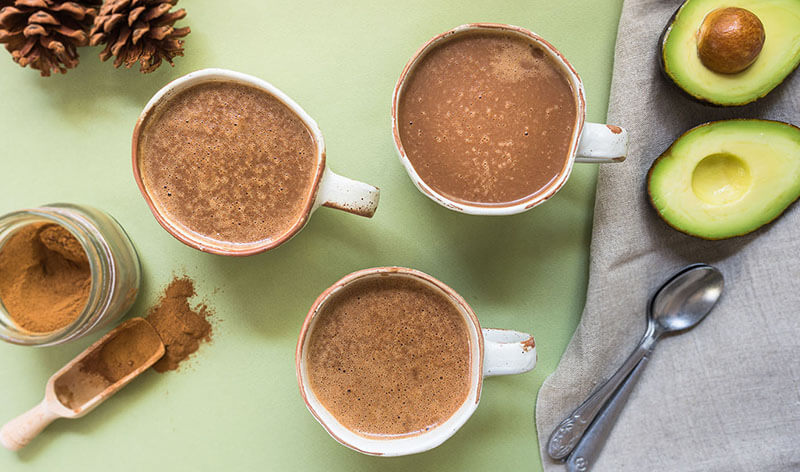
A cozy, creamy drink made with cocoa and avocado—perfect for early morning games or chilly evening practices.
Feeding young athletes on the go doesn’t have to be complicated. With a bit of planning, the right tools, and a few reliable snack ideas, busy families can feel confident knowing their kids are covered. These small moments of prep can go a long way in helping your child stay energized and focused throughout the day.
Looking for more ideas?
At Love One Today, we offer helpful resources on childhood nutrition and a wide variety of kid-friendly recipes that are perfect for lunchboxes, post-practice snacks, and everything in between. Whether you’re new to avocados or just want fresh inspiration, you’ll find something your young athlete will love.
Fiber and Gut Health: How Avocados Support a Healthy Digestive System
Fiber and Gut Health:
How Avocados Support a Healthy Digestive System
Fiber plays a crucial role in gut health by feeding beneficial gut bacteria, promoting a balanced microbiome, and aiding digestion. Avocados, a nutrient-dense source of fiber, provide both soluble and insoluble fiber, which supports digestion, stool regularity, and microbiome diversity.
How Fiber Benefits the Gut:
- Supports Microbiome Balance: Prebiotic fiber in avocados fuels beneficial bacteria, enhancing gut health.
- Promotes Digestion: Insoluble fiber helps move food through the digestive tract, while soluble fiber slows digestion to support nutrient absorption.
- Produces SCFAs: Fermentable fiber is broken down into short-chain fatty acids (SCFAs), which contribute to gut lining integrity and reduce inflammation.

How Much Fiber is in an Avocado?
A 50 g serving of avocado contains 3 g of fiber, with 65% being insoluble, supporting regularity.

To improve gut health, incorporate foods that are a good source of fiber, like avocados, legumes, and whole grains.
Fiber and Gut Health: How Avocados Support a Healthy Digestive System
While the primary responsibility of your digestive system is to break down food, your gut does more than just that. It plays a role in everything from ensuring your body absorbs nutrients to maintaining your overall well-being. At the center of it all is the gut microbiome, the mini-ecosystem inside your body made up of billions of bacteria and other microbes that help keep digestion running smoothly. What you eat can directly affect this system, and fiber is one of the best ways to keep it balanced.
Avocados are often praised for their delicious taste and healthy fats, but they’re also a good source of dietary fiber, making them a valuable addition to a gut-friendly diet. Whether you’re looking to support digestion or simply add more fiber to your meals, understanding the role of gut health and fiber can help you make informed choices.


Why Gut Health Matters
Your gut is home to a diverse mix of bacteria, collectively known as the gut microbiome. While bacteria might not sound like a good thing, many of these microbes play a role in breaking down food, extracting nutrients, and supporting digestion. A balanced microbiome may contribute to overall digestive function, while an unbalanced one could be associated with digestive discomfort or irregularity.
The food you eat can also affect the composition of your gut bacteria. Foods containing fiber, such as avocados, legumes, and whole grains, provide fuel for certain beneficial bacteria, which may help maintain a diverse and well-functioning microbiome. On the other hand, diets low in fiber and high in processed foods might not support gut bacteria in the same way.
Gut health has been studied for its potential links to other aspects of wellness , and consuming fiber-rich foods may be one way to support digestion. Whole foods, like fruits and vegetables, and avocados could help promote a balanced gut environment.
What is Fiber?
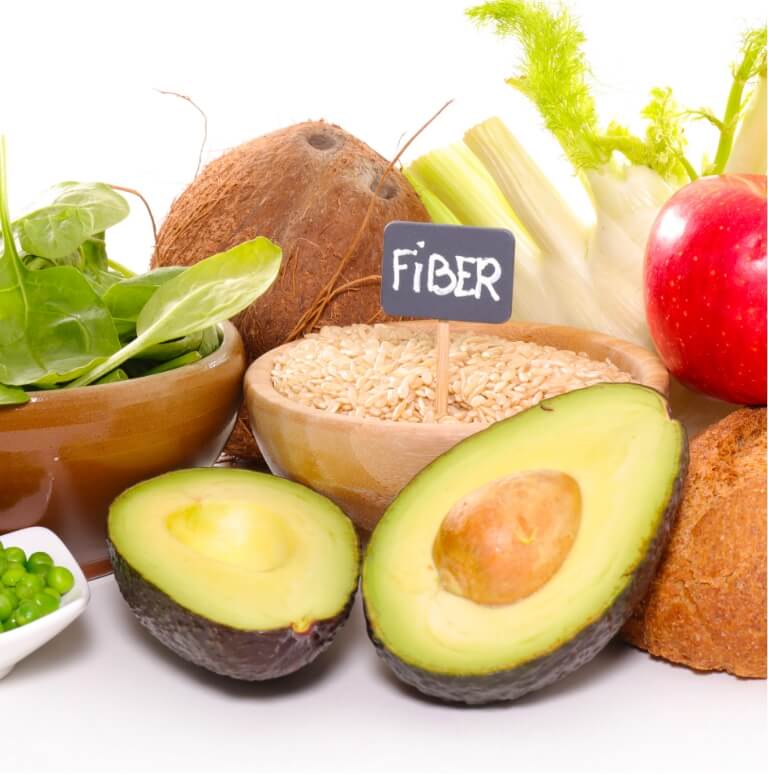
Fiber is a type of carbohydrate you can find in plant-based foods. While fiber doesn’t provide energy like other carbs, its role is to support digestion and keep things moving smoothly. There are two main types of fiber — soluble and insoluble—and both contribute to gut health in different ways.
Soluble fiber dissolves in water, and turns into a gel in the digestive tract, slowing digestion and aiding in nutrient absorption. You can find soluble fiber in foods like oats, beans, and fruits, including avocados.
Insoluble fiber, on the other hand, doesn’t dissolve in water. Instead, it bulks up the stool, which helps pass food through the digestive system faster. You can find this type of fiber in whole grains, nuts, seeds, and many vegetables. Since avocados contain both 35% soluble and 65% insoluble fiber (1.05 g of soluble fiber and 2.95 g of insoluble fiber), they support digestion in multiple ways.
How Fiber Helps Your Gut
Consuming foods rich in fiber may reduce the risk of heart disease, obesity, and type 2 diabetes. Fiber may protect the lining of the colon by increasing the bulk and weight of stool and speeding elimination from the body.
Beyond aiding digestion, fiber also supports the gut microbiome. Certain fibers act as prebiotics, meaning they feed beneficial gut bacteria. When gut microbes break down fiber, they produce short-chain fatty acids (SCFAs) , which may contribute to digestive balance. Since good sources of fiber like avocados naturally contain prebiotic compounds, they can help maintain a thriving gut environment.
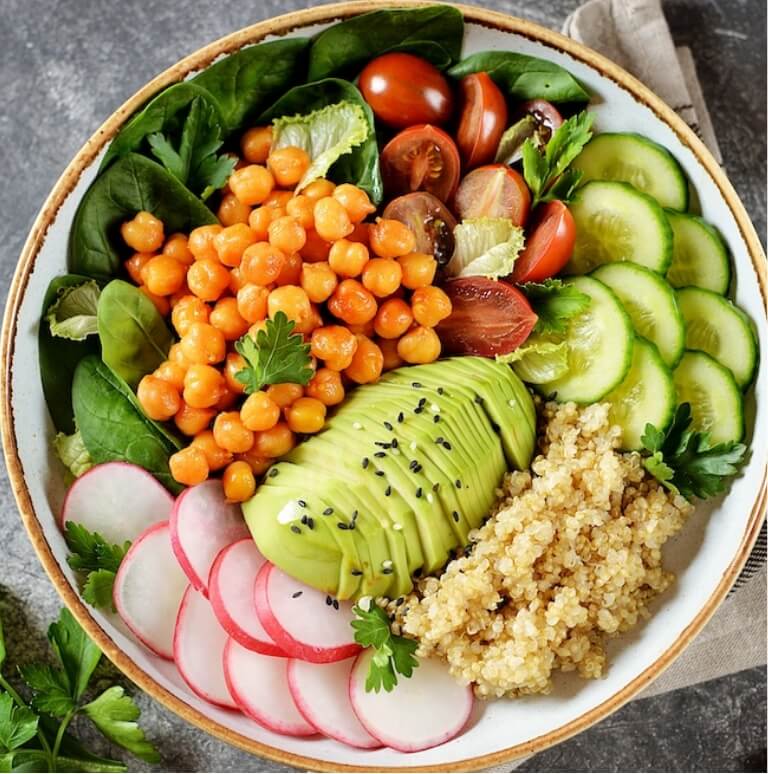
For those looking to improve fiber intake, a varied diet that includes fruits, vegetables, whole grains, and legumes is key. Many people fall short of the recommended daily fiber intake, and increasing consumption of good sources of fiberlike avocados can be a simple way to add both variety and digestive support to meals.
Fiber Supplements vs. Dietary Fiber
When looking to increase your fiber intake, you may be tempted to turn to fiber supplements. While fiber supplements can fill in the gaps of your nutrition, they are no substitute for a well-balanced diet. The fiber found in supplements should be used to complement your diet, not as a substitute.
Excessive fiber intake from supplements can even cause digestive discomfort. Consuming high amounts of fiber supplements —especially without enough water, may lead to bloating, cramping, and constipation.
When it comes to fiber intake, whole foods offer benefits that fiber supplements can’t replicate. Natural fiber from whole foods provides a mix of fiber types and plant compounds that may contribute to gut health. Certain types of dietary fiber from fruits and vegetables can act as prebiotics, providing food for beneficial gut bacteria. Fruit fiber, such as pectin, has been shown to promote a healthy gut.
Just one-third of an avocado contains 1.2 g of pectin. Fiber from whole foods can support your gut in a better, more natural way.

How to Support Gut Health Naturally
Taking care of your gut starts with everyday choices, especially when it comes to diet. Incorporating foods that contain fiber is one way to support digestion and gut function. Avocados, beans, whole grains, nuts, and vegetables provide both soluble and insoluble fiber. Eating foods that include both types of bacteria can help promote regular digestion and may support certain beneficial gut bacteria.
Hydration also plays a key role in gut health, particularly when increasing fiber intake. Fiber absorbs water, which helps soften stool and support regularity. Without sufficient fluid intake, fiber may contribute to digestive discomfort. Drinking adequate water throughout the day allows your body to reap the benefits of fiber without getting blocked up.
A varied diet that includes both prebiotics and probiotics may contribute to gut microbiome diversity. Prebiotics — found in foods such as avocados, bananas, and onions — fuel certain beneficial gut bacteria. Probiotics, found in fermented foods such as yogurt, kimchi, and sauerkraut, provide live microorganisms that may influence gut microbiome composition. Including a variety of these foods can be part of a balanced approach to digestive health, though individual responses vary.
Your diet can affect the makeup of your gut microbiota, the community of microorganisms that live within the microbiome. In a weight-loss study of 51 overweight or obese adults, researchers found that the gut microbiota responded differently to an avocado-inclusive compared to a control diet. Participants were advised to eat 500 calories less each day and to eat one avocado daily, compared to a control group following the same dietary guidance without avocado. Though more research like this study funded by the Avocado Nutrition Center is needed to confirm the findings, especially in a larger U.S. representative sample, the results suggest the fiber contained in avocados can be part of a balanced diet that supports a healthy gut.
How Much Fiber is in an Avocado?
Avocados are more than just a delicious addition to meals — they’re also a good source of fiber, making them a valuable choice for gut health. Since fiber plays a key role in digestion and microbiome balance, including avocados in your diet can help support a well-functioning gut.
A 50 g serving contains 3 g of fiber, making avocados an easy way to add fiber to meals without sacrificing flavor or texture. Unlike many other fruits, avocados provide both soluble and insoluble fiber, which work together to support digestion and gut health. 65% of the fiber in an avocado is insoluble.
In a trial of 163 overweight adults, researchers reported changes to gut bacteria and metabolite levels when participants ate one avocado a day for 12 weeks compared to a diet that excluded avocado. The Avocado Nutrition Center supported the study, and although the findings from one study cannot be generalized to larger populations, this finding supports a growing body of science that suggests avocados play a role in managing the digestive tract’s microbiome.


Avocados and Prebiotic Fiber
Avocados contain 3g of prebiotic fiber per 50g serving, which serves as fuel for beneficial gut bacteria. Prebiotics are a type of fiber that the body cannot digest, but gut bacteria ferment them, producing SCFAs like butyrate, acetate, and propionate. By providing prebiotic fiber, avocados may contribute to a more diverse and balanced gut microbiome, which plays a key role in digestion and overall gut function.
In addition to their fiber content, avocados offer healthy monounsaturated fats. These fats can support gut health by aiding nutrient absorption and helping to regulate inflammation in the digestive tract. This combination of fiber and healthy fats makes avocados a uniquely gut-friendly food.
A study evaluated the impact of daily avocado consumption for 6 months on gut microbiota in 230 adults with abdominal obesity. The avocado group showed higher gut microbiota diversity and significant increases in Faecalibacterium prausnitzii and Bacterium AF16_15 compared to controls. The Avocado Nutrition Center supported this study. Improvements were more pronounced in participants with lower baseline diet quality, highlighting avocados’ potential prebiotic benefits.
Gut-Healthy Avocado Recipes
Adding more fiber to your meals doesn’t have to be complicated — simple, flavorful ingredients can make all the difference. These avocado-based recipes offer a variety of ways to enjoy fiber at every meal.
Avocado Breakfasts With Fiber
Kick off your day with a breakfast that supports your gut. These recipes incorporate wholesome ingredients to provide a well-balanced start to your morning.

Breakfast Street Tacos with Smoky Chipotle Guacamole →
Start your morning with a delicious breakfast taco. This recipe provides 9 g of fiber per serving, along with eggs, avocado, and a kick from chipotle guacamole.

Open Faced Egg and Avocado Toast →
A classic breakfast with sliced avocado and a perfectly cooked egg on telera bread. This option brings 6 g fiber per serving to your morning.

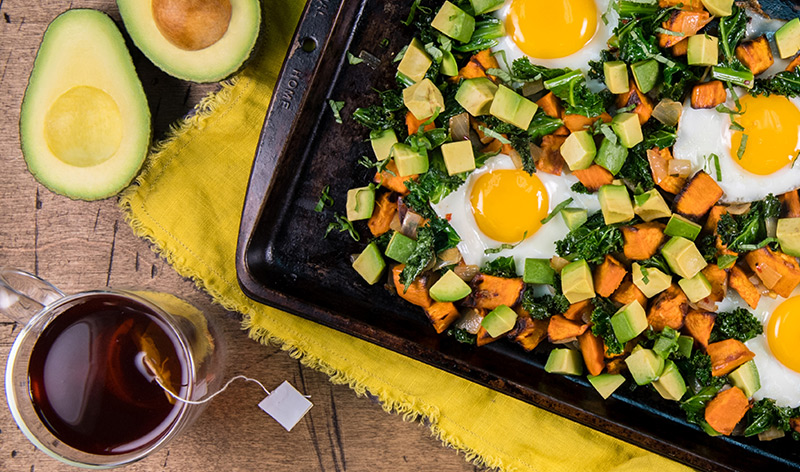
Sweet Potato Avocado Toast and Egg →
Roasted sweet potato slices replace bread in this twist on avocado toast, making for a unique and flavorful breakfast with 9 g fiber per serving.

These soft, fruit-filled muffins are a delicious and sweet start to your morning. Pulse, each serving has 3 g fiber.

Open-faced Traditional Bolillo with Avocado and Cottage Cheese
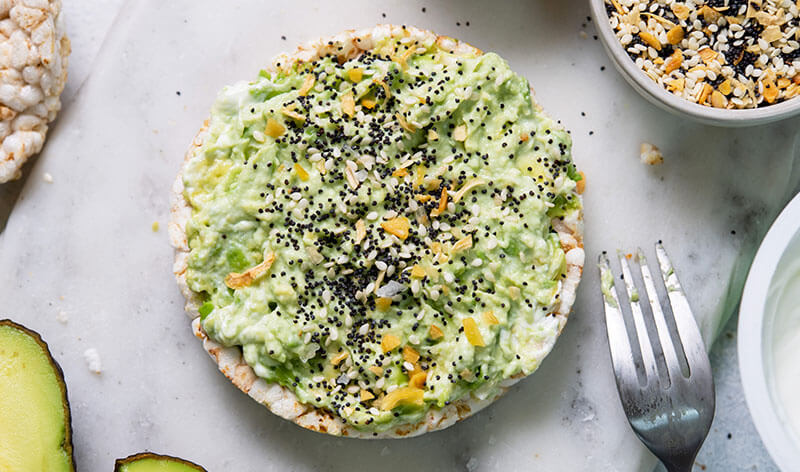
This fresh and creamy combination of avocado and cottage cheese on a bolillo roll delivers 6 g fiber per serving.
Whether you prefer savory or sweet in the morning, these breakfast ideas bring a little variety to your plate.
Meals That Pack A Punch
A good meal is all about balance, and these recipes do just that. The fresh ingredients and enticing flavors of these recipes are sure to satisfy your cravings while supporting your gut.

Stuffed Peppers with Avocado Crema →
Roasted bell peppers are filled with spiced rice and beans and topped with smooth avocado crema. Each serving provides 16 g fiber.

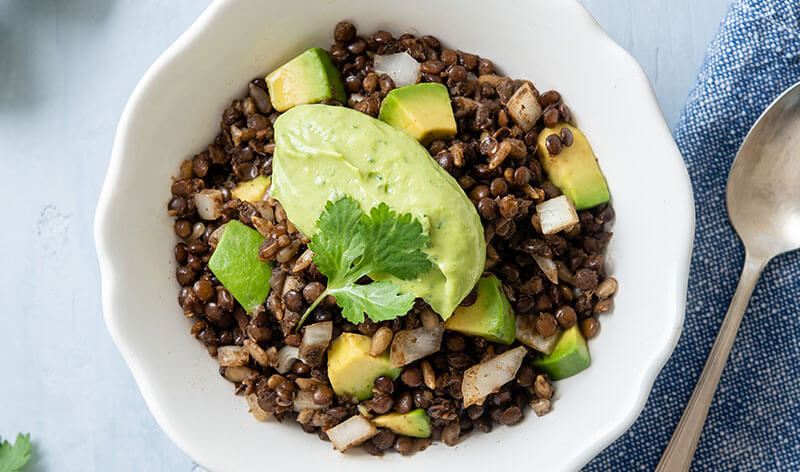
Chorizo-Spiced Lentil and Avocado Tacos →
Lentils take center stage in these spiced tacos, complemented by creamy avocado and providing 16 g fiber per serving.

A crispy tostada layered with creamy avocado, beans, and Cotija cheese makes for a balanced and flavorful meal. You’ll get 7 g fiber per serving.

These satisfying burgers pack 17 g of fiber per serving. They feature patties made of quinoa, black beans, and a delicious avocado spread.

Pumpkin Enchiladas with Avocado Crema” →
This cozy dish features pumpkin-filled enchiladas smothered in avocado crema, adding up to 10 g fiber per serving.
These recipes are great for any occasion, whether making a quick lunch or planning a family dinner.
Avocado Snacks for Better Digestion
When you need a little something between meals, these snacks are a great way to keep things interesting. From crispy bites to creamy options, there’s something for everyone.
Enjoy a refreshing frozen yogurt bark with an avocado twist! Each serving provides 3 g of fiber.
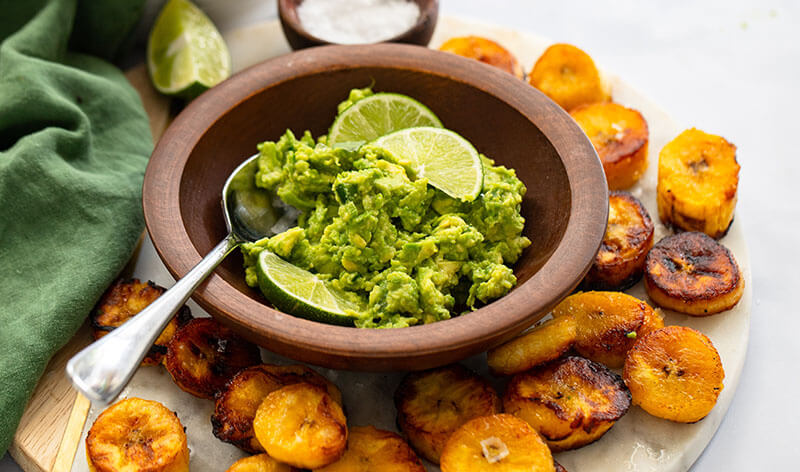
Crispy Plantains with Spicy, Citrus Guacamole →
Crunchy plantains meet a zesty guacamole for a flavorful snack with 4 g fiber per serving.

Bruschetta with Pomegranate, Avocado, and Feta →
These bite-sized bruschetta, made with pomegranate seeds, mashed avocado, and tangy feta, are a great snack. Each serving contains 3 g of fiber.

Crunchy on the outside and creamy on the inside, these avocado bites are perfect for dipping and contain 6 g of fiber per serving.

Avocado Banana Granola Clusters →
Lightly sweet and crunchy, these granola clusters feature avocado and banana for a healthy mid-morning snack. They provide 3 g fiber per serving.

Pumpkin Chocolate Avocado Bread →
This chocolate loaf is packed with spices, avocado, and pumpkin. Each serving has 7 g of fiber, so it’s a treat you can feel good about.
These snacks make it easy to add fiber that can help you feel fuller until your next meal.
Blendable Fiber: Smoothies And Drinks For Your Gut
Whether you’re looking for a refreshing smoothie or a baked treat, these blended options offer great flavors with a smooth finish.

Strawberry Banana Avocado Smoothie Bowl →
This smoothie bowl provides 14 g of fiber per serving and, thanks to the strawberries, banana, and avocado, has a naturally smooth texture.
This refreshing smoothie combines papaya and avocado with a tropical twist. Each serving provides 5 g of fiber.

Created by cardiologist David Sabgir and packed with leafy greens and tropical fruits, this smoothie is a great way to refuel after exercise. It delivers 7 g fiber per serving.
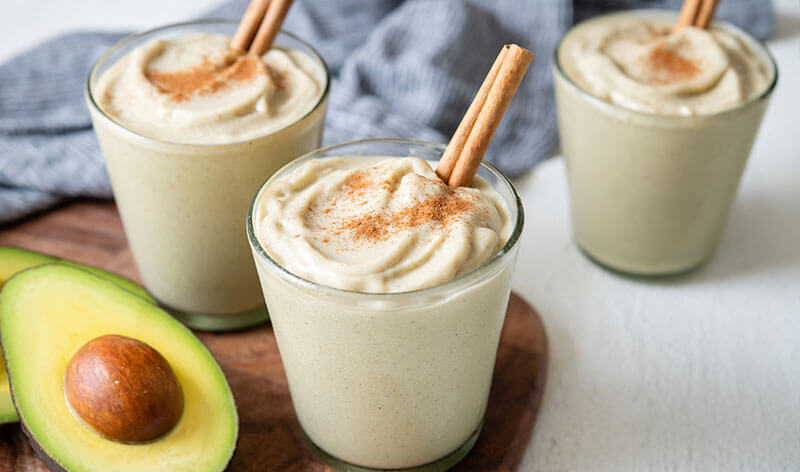
Avocado Banana Horchata-Style Smoothie →
A creamy take on horchata, this smoothie blends banana, avocado, and warming spices. With 4 g fiber per serving, it’s a flavorful twist on a classic drink.
These drinks and blended treats are perfect for any time of day, whether you need a quick breakfast, an afternoon pick-me-up, or something to sip on with dinner.
Whether blended into a smoothie, spread on toast, or added to a hearty dinner, the nutrients in avocados can support overall wellness and healthy digestion. For optimal gut health, incorporate fiber-rich whole foods into your meals.
Looking for more ways to enjoy avocados?
Look deeper into Love One Today for expert-backed information on avocado nutrition, including fiber content and digestion support. You’ll also find plenty of delicious avocado recipes to help you add variety to your meals.
The Benefits of Avocado for Healthy Hair
The nutrients in avocados may support scalp hydration and overall hair health.
They could help nourish the scalp and contribute to hair’s natural moisture and manageability. While no single food or ingredient can directly strengthen hair, prevent breakage, or promote growth, including nutrient-dense foods like avocados in a balanced diet can help create the foundation for well-nourished, resilient hair.
Nutrients in Avocados That May Support Hair Health
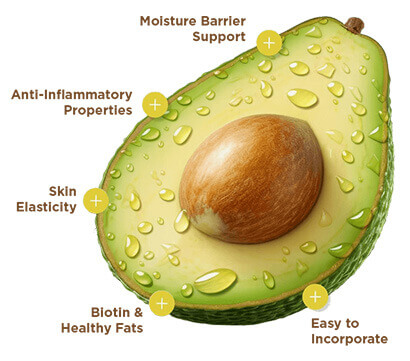
- Scalp Hydration: The 5 g of monounsaturated fats in every 50 g serving of avocados may help support moisture retention, which is vital for maintaining a well-hydrated scalp.
- Nutrient Support for Hair Follicles: Vitamins B5 and E contribute to normal cell function and help protect cells from oxidative stress, including those in the scalp. Avocados contain 15% DV of vitamin B5 and 6% DV of vitamin E.
- Antioxidant Protection: Avocados contain vitamin E and other antioxidants that help protect cells from oxidative stress, which can affect scalp health. Avocados are a good source of vitamin B5 (pantothenic acid), with 15% of your DV in each 50 g serving. A serving of avocado also provides 6% DV of vitamin E.
- Supports Scalp Circulation: Vitamin E, folate, and healthy fats contribute to overall nutrient metabolism and normal blood flow, both of which play a role in maintaining a healthy scalp environment. A 50 g serving of avocados contains 6% DV vitamin E, 10% DV folate, and 6 g of healthy fats.
- Moisture Retention in Hair: Avocado oil is primarily fatty acids that help coat the hair, reducing moisture loss and improving manageability. These include oleic acid, palmitic acid, and linoleic acid.
- Hair Softness and Shine: Regular use of avocado oil as part of a conditioning routine may help support hair’s smoothness and natural shine.
How to Use Avocados for Hair Care
- Dietary Benefits: Eating avocados as part of a balanced diet provides essential nutrients that may support overall skin and scalp health.
- Topical Application: You can mash avocado for a conditioning hair mask or massage avocado oil into the scalp to help support hydration.
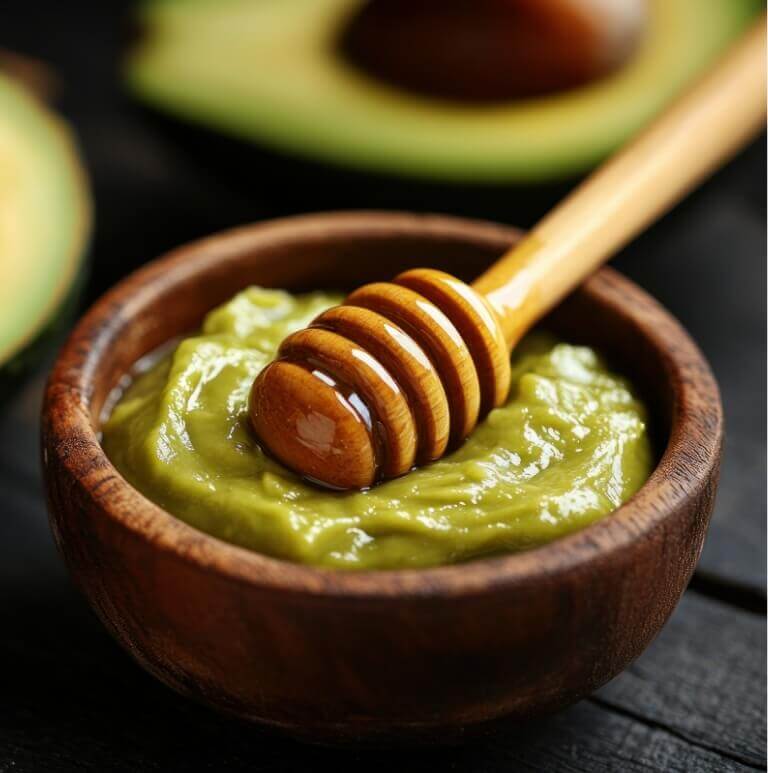
- DIY Avocado Hair Mask: Mix one ripe avocado with 1 Tbsp. avocado oil, 1 Tbsp. honey, and 1 egg yolk. Apply to damp hair, leave on for 20 minutes, then rinse thoroughly.
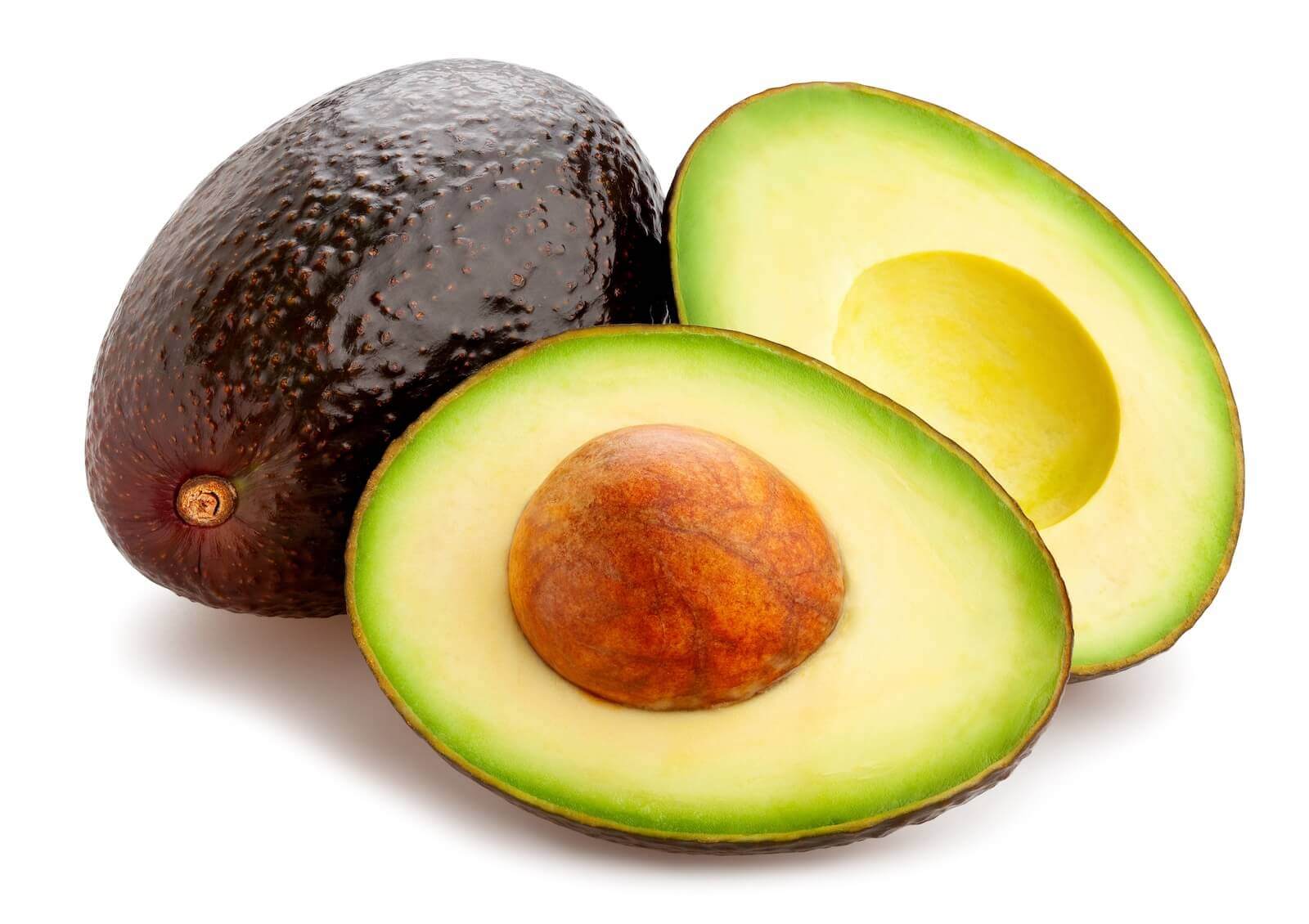
The Benefits of Avocado for Healthy Hair
Who doesn’t love a good avocado? Whether smashed on toast or blended into a smoothie, this creamy green fruit is a delicious and healthy addition to your diet. But did you know avocados can also be a game-changer for your hair?
If you’re looking for a natural way to nourish your locks, keep reading — we’ll break down why the nutrients in avocados might just provide the secret ingredient you’ve been looking for.

How The Nutrients in Avocados Support Hair Health
The nutrients in avocados may help support a healthy scalp. The 6% DV vitamin E, and 5 g of monounsaturated fats in each 50 g serving of avocado may help nourish the scalp and strengthen hair at the root, creating the ideal conditions for healthy, vibrant growth.
Avocados and Scalp Health
A healthy scalp can help your hair look better. When the scalp lacks moisture or is exposed to environmental stressors, it may become dry and flaky. This can lead to dull hair or visible dandruff. While store-bought conditioners and moisturizers can treat surface-level dryness, a skin-friendly diet may also support your scalp.
Avocados contain some of the nutrients that may help keep your skin supple and hydrated.
- Monounsaturated fats: These healthy fats help support the skin’s natural lipid barrier, which helps retain moisture and prevent excessive dryness. A 50 g serving of avocado contains 6 g of healthy fats.
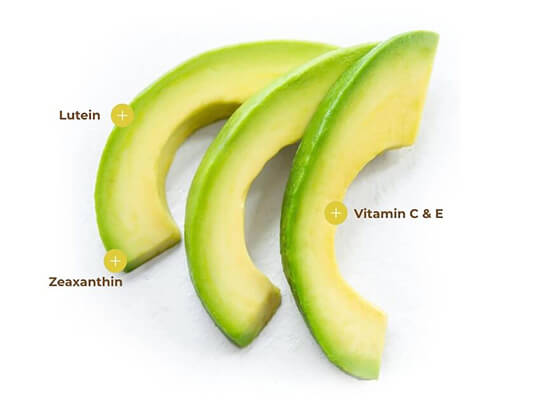
- Vitamin E: This fat-soluble vitamin functions as an antioxidant that helps protect cells from oxidative stress. Like other areas of the skin, the scalp is exposed to environmental factors such as UV rays which generate free radicals. These molecules can cause the internal structures of skin cells to deteriorate, leading to drier, less supple skin. One 50 g serving of avocado provides 6% DV of Vitamin E.
- Antioxidants: In addition to vitamin E, a 50 g serving of avocado contains multiple carotenoids and 93.5 mg of polyphenols, two antioxidants. Plant-derived antioxidants can counteract the effects of free radicals on your skin, possibly contributing to its health.
The nutrients in avocados can help support a good scalp environment (a scalp without excessive oil or dead skin cell build-up) for new hair growth. Adding avocados to your diet can help you get more nutrients that support your skin’s natural glow.
Avocados and Hair Strength
Avocados provide several nutrients involved in maintaining the structure of hair strands, helping to support their overall health. Though no direct links have been found between avocado consumption and hair health, these nutrients and vitamins contribute to processes that encourage healthy hair growth.
Avocados contain some of the nutrients that may help keep your skin supple and hydrated.
- Vitamin B5 (pantothenic acid): This vitamin helps the body break down fats for energy and supports important cell functions. It’s often added to hair care products because it helps keep hair smooth and strong. Avocados are a good source of vitamin B5, with 15% DV in every 50 g serving.
- Vitamin E: Besides its role as an antioxidant, vitamin E contributes to cell repair after oxidative damage. This may help support cells within the scalp and hair follicles, which are responsible for producing hair strands. Avocados contain 6% DV vitamin E per 50g serving.
- Monounsaturated fats: These fats provide essential fatty acids that contribute to healthy cell membranes, including those in the scalp and hair follicles. This may contribute to overall hair appearance. Avocados provide 5 g of monounsaturated fats in every 50 g serving.
A balanced diet can help the new hair you grow to be shiny, smooth, and strong. But remember that taking regular care of your hair is equally important–wash often, and keep it detangled to enhance shine.
Can The Nutrients in Avocados Help With Hair Growth?
While no single food can directly stimulate hair growth, a nutrient-dense diet can help support a healthy scalp environment, which is necessary for maintaining normal hair growth cycles.
- Folate (vitamin B9): Avocados provide 10% DV of folate per 50 g serving, a B vitamin that contributes to normal cell function and tissue growth. Folate is also involved in red blood cell formation, which helps support oxygen transport throughout the body, including to the scalp. While proper circulation is vital for delivering nutrients to hair follicles, more research is needed to determine the direct effects of folate on hair growth.
- B vitamins: Avocados contain several B vitamins, including 6% DV of B6 per 50 g serving, which is involved in protein metabolism. Since hair is primarily made up of keratin, a protein, maintaining adequate protein intake is essential for normal hair formation.
- Healthy fats: The 6 g of monounsaturated fats in every 50 g serving of avocado help provide essential fatty acids that support overall skin health, including the scalp.
Diet and regular self-care play significant roles in hair growth. To promote growth, wash your hair often, massage your scalp, and avoid heat-based styling.
Is Avocado Oil Good for Hair?
Avocado oil isn’t just a kitchen staple — it’s also a popular ingredient in hair care products. While many people use avocado oil for softer, more manageable hair, scientific research on its direct effects is still limited.
If you have fine hair, most hair oils may weigh down your strands. Avocado oil is lightweight enough that it may provide extra moisture without leaving behind greasy residue. This makes it a popular ingredient in over-the-counter hair care products and a standard recommendation for DIY hair masks.
Though research is still ongoing regarding the efficacy of avocado oil as a hair care product, it has the potential to support shiny, smooth hair.
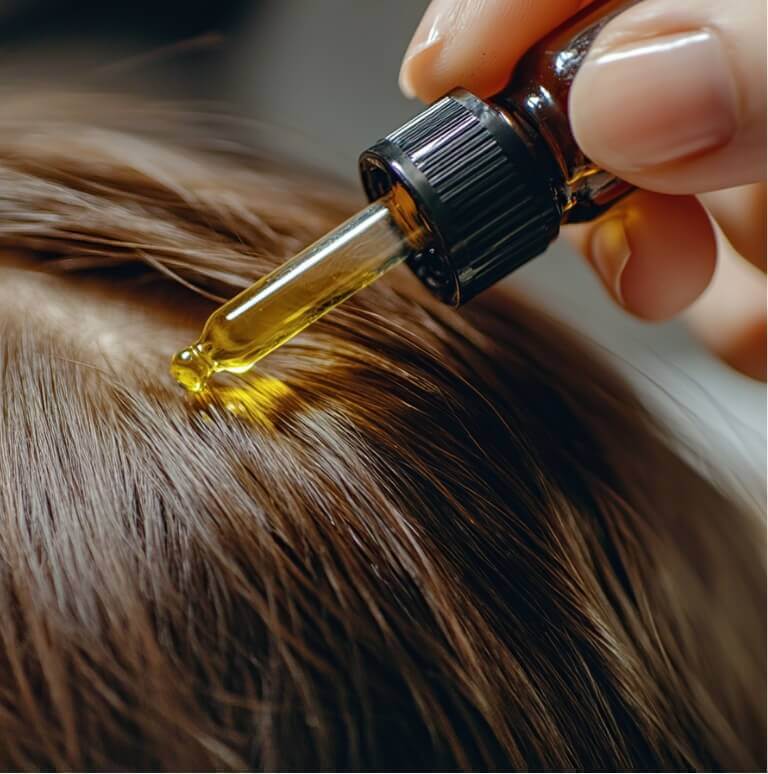
How Avocado Oil Protects Hair from Damage
Daily exposure to heat, UV rays, and styling products can strip the hair of its natural moisture, leaving it dry, brittle, and prone to breakage. When used topically, avocado oil may support hydration in the skin and help maintain the scalp’s natural moisture barrier. Unlike heavier oils, its lightweight texture allows it to penetrate strands without leaving a greasy residue, making it a practical option for taming frizz and reducing moisture loss.
Many people incorporate avocado oil into hair masks, scalp treatments, and deep-conditioning routines to help improve manageability and enhance shine. If your hair feels brittle or lackluster, adding avocado oil to your routine may provide the hydration it needs to look shiny and strong.
Easy Ways To Add Avocado To Your Diet
Your diet is more responsible for healthy hair than you may think, and avocados provide key nutrients that may support scalp hydration and overall hair health. While no single food can directly strengthen hair, avocados contain nutrients that can help create the foundation for strong, well-nourished hair.
Adding avocados to your diet is easier than you may think. Once you learn how to prep and peel an avocado, you’re open to a whole new world of hair-supporting recipes. Here are some of our favorites:
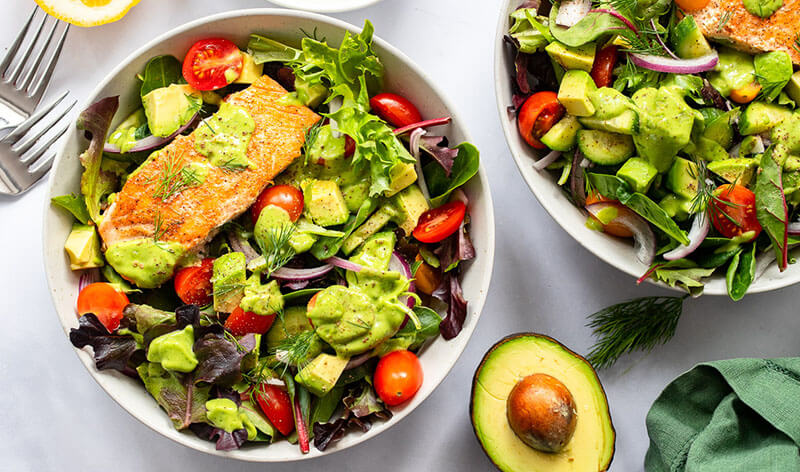
Who doesn’t love a fresh spring salad? This recipe contains 70% DV of vitamin B6 per serving, which may support protein synthesis for new hair.
Stuffed Peppers with Avocado Crema →
Meet your next favorite weeknight dinner. Each serving of this dish provides 40% DV of pantothenic acid and 50% DV of vitamin B6, which may contribute to hair health.
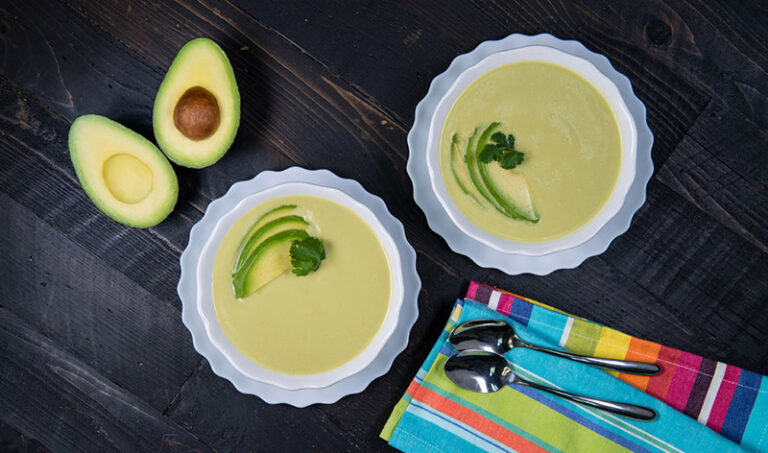
Creamy Colombian Avocado Soup →
Try this avocado soup for a warm and savory alternative to a green smoothie. A serving of this delicious soup provides 8 g of monounsaturated fats and 20% DV of pantothenic acid.

Avocado, Spinach, and Mushroom Crustless Quiche →
Perfect for meal prepping, this crustless quiche packs a flavorful punch. Support your hair and health with 50% DV pantothenic acid, 20% DV vitamin E, and 13 g of monounsaturated fat per serving.
When it comes to eating avocado, think beyond the bowl of guacamole. Don’t be afraid to try out a new avocado recipe and find your next favorite dish.
DIY Avocado Hair Masks for Deep Conditioning
Applying avocado topically is a popular way to help nourish dry hair while adding moisture and shine. A homemade avocado hair mask can be a great addition to a conditioning routine, helping to maintain hair hydration and smoothness.
This deep-conditioning treatment combines natural ingredients commonly used in hair masks:
- 1 overripe avocado – Provides monounsaturated fats that help support moisture retention.
- 1 tbsp avocado oil – Adds lightweight hydration.
- 1 tbsp honey – Can act as a humectant to attract moisture and help retain it.
- 1 egg yolk – Contains proteins that can contribute to hair’s natural structure.
Instructions:
First, prepare the mixture by mashing all the ingredients together until smooth. Then, dampen your hair and apply the mixture to the middle and ends. Leave it on for 20 minutes. Rinse with water and shampoo, and condition as usual. You can repeat this process every two weeks or more frequently.
Avocado Oil as a Deep Conditioner
If you prefer a simpler treatment, avocado oil may be an excellent natural option. It’s a lightweight oil, so it can easily absorb into the hair shaft, leaving a minimal greasy residue.
Apply a few drops of avocado oil to damp hair, focusing on damaged ends. Let it sit for 10 minutes, then rinse thoroughly. Blow-dry hair for added shine, or let it air-dry for natural texture. This method helps reduce frizz, improve shine, and protect against dryness, making it a great addition to any hair care routine.
Healthy hair starts from within, and the nutrients in avocados help offer a natural way to nourish your locks, both in your diet and in your topical hair care routine. Avocados’ nutrient profile may provide the building blocks for stronger, shinier, and more resilient hair over time. Whether blending them into a smoothie, massaging avocado oil into your scalp, or treating yourself to a DIY hair mask, this versatile fruit may support hydration and protection in ways beyond the plate.
Want to find more recipes to spice up your dinner and help you feel your best? Check out our recipe section! We have meals for every member of the family, from heart-healthy dinners to kid-approved snacks. Come see what you can do with this delicious fruit today.